Mastering Online Retailer Vetting: Your 7-Point Checklist for Safe Shopping

In the vast and ever-expanding universe of online shopping, the thrill of discovering a new, exciting retailer can sometimes be overshadowed by a nagging sense of caution. With countless e-commerce sites vying for your attention and your wallet, how can you discern the legitimate from the dubious? The internet offers unparalleled convenience, but it also harbors risks, from shoddy products and non-existent customer service to outright scams and identity theft. This is why mastering the art of vetting online retailers is not just a good idea; it’s an essential skill for any savvy consumer.
Before you commit to a purchase, especially from an unfamiliar store, a thorough vetting process can save you time, money, and a great deal of frustration. Our comprehensive 7-point checklist is designed to equip you with the practical solutions needed to confidently evaluate new online retailers in the US. We’ll delve into everything from website security and customer reviews to return policies and contact information, ensuring you have all the tools to make informed decisions and protect your online shopping experience.
1. Scrutinize Website Security and Professionalism
The first impression an online retailer makes is often through its website. A professional, well-designed site instills confidence, while a hastily constructed or poorly maintained one can be a red flag. However, looks can be deceiving. Beyond aesthetics, the fundamental aspect to check is the website’s security, particularly when it comes to handling your personal and financial information. This is paramount when vetting online retailers.
Advertisements
HTTPS and the Padlock Icon
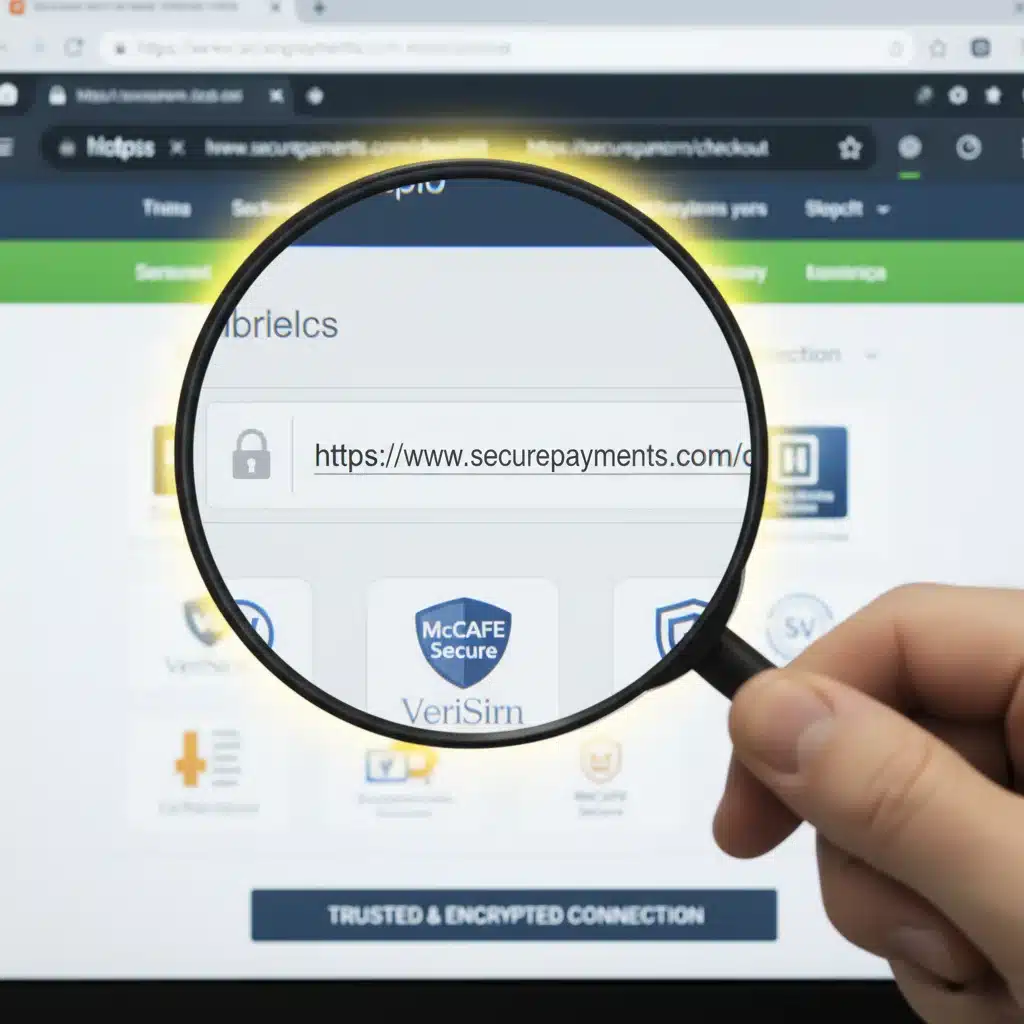
Always look for ‘HTTPS’ at the beginning of the website’s URL (instead of just ‘HTTP’) and a padlock icon in your browser’s address bar. HTTPS (Hypertext Transfer Protocol Secure) indicates that the communication between your browser and the website is encrypted, protecting your data from eavesdroppers. If a site lacks HTTPS, especially on pages where you’re entering payment details, consider it a major warning sign and avoid making a purchase.
Domain Name and URL Structure
Examine the domain name carefully. Scammers often use URLs that are similar to well-known brands but with slight misspellings or extra words (e.g., ‘amazon-deals.com’ instead of ‘amazon.com’). Be wary of overly long or complex URLs with unusual characters or multiple subdomains, as these can sometimes indicate a less reputable site. A clean, concise, and brand-consistent domain name is a good indicator.
Website Design and Functionality
A legitimate e-commerce site should be easy to navigate, with clear product descriptions, high-quality images, and a functional checkout process. Look for:
- High-Quality Content: Are product descriptions well-written and free of glaring grammatical errors or typos? Scammers often rush content, leading to mistakes.
- Consistent Branding: Does the logo, color scheme, and overall design remain consistent across all pages? Inconsistent branding can suggest a lack of professionalism.
- Broken Links or Features: Test a few links. Broken links, non-functional search bars, or an unresponsive layout can indicate a poorly managed site or even a temporary phishing page.
- Intrusive Pop-ups: While some legitimate sites use pop-ups, an excessive number of aggressive or difficult-to-close pop-ups can be annoying and sometimes indicative of a less trustworthy site.
2. Deep Dive into Customer Reviews and Testimonials
One of the most powerful tools at your disposal when vetting online retailers is the collective experience of other shoppers. Customer reviews and testimonials offer invaluable insights into a retailer’s reliability, product quality, and customer service. However, it’s crucial to approach reviews with a discerning eye, as not all feedback is genuine.
Look Beyond the Retailer’s Website
While a retailer might showcase glowing testimonials on their own site, these can be curated or even fabricated. Always seek out independent review platforms. Reputable sources include:
- Better Business Bureau (BBB): Check for their rating and any complaints filed against the business. The BBB can offer a good overview of how a company handles disputes.
- Trustpilot: A widely recognized platform where customers can leave reviews for businesses. Look at the overall rating, but also read a variety of positive, neutral, and negative reviews.
- Google Reviews: Often integrated with Google Maps listings, these can provide local insights or general company feedback.
- Social Media: Search for the retailer on platforms like Facebook, Twitter, and Instagram. Look at comments on their posts and what people are saying about them in general. Are there many complaints, or do they engage positively with customers?
- Forums and Blogs: Industry-specific forums or consumer protection blogs might have discussions about particular retailers.
Identify Red Flags in Reviews
Not all reviews are created equal. Be suspicious of:
- An Overwhelming Number of 5-Star Reviews: While great products exist, a perfect score with no critical feedback can be unrealistic and suggests manipulation.
- Generic or Identical Reviews: If many reviews sound similar or use the same phrasing, they might be fake.
- Lack of Detail: Genuine reviews often mention specific product features, shipping experiences, or customer service interactions. Vague reviews like ‘Great product!’ might be less credible.
- No Negative Reviews: Even the best companies receive some criticism. A complete absence of negative feedback is highly suspicious.
- Reviews with Poor Grammar/Spelling: While not always a definitive sign, a consistent pattern of poorly written reviews could indicate non-native English speakers hired to write fake reviews.
3. Verify Contact Information and Customer Support
A legitimate business should be easily reachable. The presence and accessibility of comprehensive contact information are critical indicators when vetting online retailers. If something goes wrong with your order, you’ll want to know you can get in touch with someone to resolve the issue.
Look for Multiple Contact Methods
A trustworthy retailer will typically provide several ways to contact them, including:
- Physical Address: A verifiable street address, especially for businesses operating in the US, adds a layer of legitimacy. Be wary of sites that only provide a P.O. Box or no address at all. You can sometimes cross-reference this address with Google Maps to see if it’s a legitimate business location.
- Phone Number: A working phone number is a strong sign of transparency. Try calling it to see if you reach a live person or a professional answering service.
- Email Address: A dedicated customer service email address is standard. An email address using a generic free service (like Gmail or Yahoo) can be a red flag, though some small businesses legitimately use them.
- Live Chat: Many modern e-commerce sites offer live chat support, which is a great way to test their responsiveness and helpfulness.
Test Their Responsiveness
Before placing a large order, consider sending a quick inquiry to their customer service. Ask a simple question about a product or their shipping policy. Their response time and the quality of their answer can give you a good idea of their customer support standards. A quick, helpful, and professional response is a positive sign.
4. Understand Shipping, Return, and Refund Policies
Before you click ‘buy’, a clear understanding of a retailer’s policies regarding shipping, returns, and refunds is non-negotiable. These policies protect you as a consumer and reveal a lot about a company’s commitment to customer satisfaction. This is a crucial step in vetting online retailers.
Shipping Information
- Clarity on Costs and Times: Are shipping costs clearly stated before checkout? Are estimated delivery times provided? Be wary of sites that offer unusually long shipping times without explanation or have hidden fees.
- Tracking Information: Does the retailer provide tracking numbers for orders? This is standard practice and offers peace of mind.
- International Shipping: If applicable, are international shipping policies clearly outlined, including potential customs duties or taxes?
Return and Refund Policies
This is where many online scams are exposed. A legitimate retailer will have a clear, fair, and easily accessible return policy. Look for:
- Return Window: How long do you have to return an item? (e.g., 14, 30, 60 days).
- Conditions for Return: What condition must the item be in? (e.g., unused, original packaging).
- Refund Method: How will you receive your refund? (e.g., original payment method, store credit).
- Who Pays for Return Shipping: Is return shipping free, or are you responsible for the cost?
- Restocking Fees: Are there any restocking fees? These should be clearly disclosed.
- Easy-to-Find Policy: The return policy should be easily located, usually in the footer of the website or on a dedicated ‘FAQ’ or ‘Help’ page. Avoid sites where this information is absent or extremely vague.
If a retailer has a ‘no returns’ policy on all items, or makes it excessively difficult to return goods, proceed with extreme caution. This is a major red flag when vetting online retailers.
5. Check for Secure Payment Options
The security of your financial information is paramount. A trustworthy online retailer will offer secure and recognizable payment methods. This is an absolute must-do when vetting online retailers.
Recognizable Payment Gateways
Look for familiar payment options such as:
- Credit Card Processors: Visa, Mastercard, American Express, Discover. Paying with a credit card often offers consumer protection against fraud.
- Secure Digital Wallets: PayPal, Apple Pay, Google Pay, Shop Pay. These services add an extra layer of security as they often don’t share your direct credit card information with the merchant.
- Klarna, Afterpay, Affirm: Buy Now, Pay Later services are also common and reputable.
Avoid Unusual Payment Requests
Be extremely wary if a retailer asks for payment via:
- Wire Transfers: Once money is wired, it’s almost impossible to retrieve.
- Cryptocurrency: While some legitimate businesses accept crypto, it’s less common for mainstream retailers and can be a red flag for smaller, unknown sites.
- Gift Cards: This is a common tactic used by scammers.
- Direct Bank Transfers (without a secure gateway): This bypasses many consumer protections.
Always ensure that the payment page itself is also secured with HTTPS. You should see the padlock icon in your browser’s address bar when you proceed to checkout.

6. Research the Company’s Online Presence and History
Beyond the website itself, a holistic view of a company’s online footprint can provide crucial insights when vetting online retailers. A legitimate business typically has a consistent and established presence across various platforms.
Social Media Activity
Check if the retailer has active social media profiles. Look for:
- Consistent Posting: Are they regularly updating their pages?
- Engagement: Do they interact with their followers? Are there genuine comments and questions, or just automated responses?
- Follower Count and Quality: While a high follower count can be bought, look for genuine engagement and a diverse follower base.
- Age of Accounts: Newer accounts with little history and high engagement could be suspicious.
News and Media Mentions
Perform a quick Google search for the company’s name. Look for:
- Legitimate News Articles: Have they been featured in any reputable publications?
- Press Releases: Do they issue press releases about new products or company milestones?
- Consumer Protection Warnings: Conversely, search for ‘[Retailer Name] scam’ or ‘[Retailer Name] complaints’ to see if there are any widespread issues or warnings from consumer protection agencies.
Whois Lookup
For the more technically inclined, a ‘Whois’ lookup (a public internet record) can reveal information about the domain’s registration, such as when it was created and who registered it. While some companies use privacy protection, a very recently created domain for a site claiming to be a long-standing business can be a red flag. This tool can be particularly useful when vetting online retailers that seem too good to be true.
7. Trust Your Gut and Look for ‘Too Good to Be True’ Scenarios
Finally, and perhaps most importantly, listen to your intuition. If something feels off, it probably is. This subjective yet powerful tool is invaluable when vetting online retailers.
Unrealistic Pricing
If a deal seems significantly better than what other retailers are offering for the same product, be skeptical. While sales and discounts are common, prices that are drastically lower than the market average, especially for high-demand items, are a classic sign of a scam. Scammers use these ‘too good to be true’ prices to lure in unsuspecting customers.
High-Pressure Sales Tactics
Be wary of websites that employ aggressive pop-ups, countdown timers, or messages like ‘only 3 left in stock!’ that create a sense of urgency to pressure you into an immediate purchase. While some legitimate sites use these, an excessive or manipulative approach can be a red flag.
Lack of Information or Vague Language
If the website is consistently vague about product details, company information, or policies, it’s a cause for concern. Legitimate businesses are transparent.
Spelling and Grammar Errors
While minor typos can happen, a website riddled with grammatical errors and misspellings suggests a lack of professionalism and attention to detail, which is rarely a characteristic of a reputable business. This is a simple yet effective indicator when vetting online retailers.
What to Do if You Suspect a Scam
Even with the best vetting, you might encounter a suspicious site. Here’s what to do:
- Do NOT Purchase: The most important step.
- Report It: File a complaint with the Federal Trade Commission (FTC) at reportfraud.ftc.gov. You can also report it to the Better Business Bureau.
- Warn Others: Share your experience on social media or consumer review sites to help others avoid the same trap.
- Check Your Bank Statements: If you did make a purchase and now suspect fraud, monitor your bank and credit card statements closely for unauthorized transactions. Contact your bank or credit card company immediately if you see anything suspicious.
Conclusion
Online shopping offers unparalleled convenience and access to a world of products, but it also demands vigilance. By diligently applying this 7-point checklist for vetting online retailers, you empower yourself to navigate the digital marketplace with confidence and security. From scrutinizing website security and diving deep into customer reviews to understanding complex return policies and trusting your instincts, each step is a crucial layer of protection. Remember, a few minutes of careful research before clicking ‘buy’ can save you hours of frustration and potentially significant financial loss. Shop smart, stay safe, and enjoy the true benefits of online commerce.