Mastering Dynamic Pricing: Save Up to 18% on Online Shopping

In the vast and ever-evolving landscape of online commerce, a silent, yet powerful force is constantly at play, influencing the prices we see and the deals we get: dynamic pricing strategies. This sophisticated approach to pricing is not just a passing trend; it’s a fundamental shift in how businesses operate and how consumers experience shopping. If you’ve ever wondered why the price of an airline ticket changes within minutes, or why a hotel room costs more when you revisit the booking site, you’re experiencing dynamic pricing firsthand. Understanding this phenomenon is not merely academic; it’s a crucial skill for any savvy online shopper aiming to optimize their spending and potentially save up to 18% on their purchases.
Dynamic pricing, at its core, is the practice of setting flexible prices for products or services based on current market demands. Unlike traditional static pricing, where an item has a fixed price, dynamic pricing allows businesses to adjust prices in real-time, often multiple times a day. This responsiveness is powered by complex algorithms that analyze a multitude of data points, including demand, supply, competitor pricing, customer behavior, time of day, day of the week, browsing history, and even the device you’re using. The goal for businesses is clear: maximize revenue and profit. For consumers, however, it can feel like navigating a constantly shifting maze, where the best deal is always just out of reach.
This comprehensive guide aims to demystify dynamic pricing strategies, breaking down how they work, identifying the industries where they are most prevalent, and, most importantly, equipping you with actionable strategies to beat the system. By understanding the mechanisms behind these fluctuating prices, you can become a more informed and empowered shopper, capable of identifying opportunities to save money and ensure you’re getting the best possible value for your hard-earned cash. We’ll delve into practical tips, technological tools, and behavioral adjustments that can give you a significant advantage in the online marketplace. Prepare to transform your online shopping habits and unlock substantial savings.
Advertisements
What Exactly is Dynamic Pricing and How Does It Work?
To effectively counter dynamic pricing strategies, we first need to understand their fundamental principles. Dynamic pricing, also known as surge pricing, real-time pricing, or demand pricing, is a pricing strategy in which businesses set flexible prices for products or services based on current market conditions. This flexibility is what distinguishes it from fixed pricing, where prices remain constant over a longer period.
The Algorithm Behind the Fluctuations
At the heart of dynamic pricing are sophisticated algorithms. These algorithms continuously monitor and analyze vast amounts of data to determine the optimal price at any given moment. Key factors considered by these algorithms include:
- Demand and Supply: This is perhaps the most straightforward factor. When demand is high and supply is limited, prices tend to rise. Conversely, when demand is low or supply is abundant, prices may drop to stimulate sales. Think of concert tickets or popular holiday destinations.
- Competitor Pricing: Algorithms constantly scan competitor websites to see what prices they are offering for similar products. If a competitor lowers their price, the algorithm might automatically adjust the price down to remain competitive, and vice-versa.
- Customer Behavior and Demographics: This is where things get more personal. Algorithms can analyze your browsing history, purchase history, location, device type (e.g., mobile vs. desktop), and even your income level (inferred from various data points) to tailor prices. For instance, a first-time visitor might see a different price than a returning customer who has previously shown interest in a product.
- Time-Based Factors: Prices can change based on the time of day, day of the week, season, or even specific events. For example, flights are often more expensive closer to departure dates, and hotel rates surge during peak tourist seasons or major conventions.
- Inventory Levels: If a retailer has a surplus of a particular item, they might lower the price to clear inventory. If an item is selling out quickly, the price might increase.
- External Factors: Weather events, major news, or even social media trends can influence demand and, consequently, prices. For example, umbrella prices might surge during a sudden downpour.
The beauty (or complexity, depending on your perspective) of these algorithms is their ability to process these factors almost instantaneously, making price adjustments that are often imperceptible to the casual shopper. This constant optimization allows businesses to capture the maximum willingness to pay from each customer segment, leading to the varied pricing experiences we encounter online.
Where Do We Encounter Dynamic Pricing Most Often?
While dynamic pricing strategies are becoming ubiquitous, certain industries have embraced them more thoroughly than others. Recognizing these hotspots can help you prepare and apply your saving strategies effectively.
Travel Industry: A Prime Example
The travel sector is arguably the pioneer and most sophisticated user of dynamic pricing. Airlines, hotels, car rental companies, and even cruise lines constantly adjust their prices. Factors like:
- Booking Window: Prices typically increase as the departure or check-in date approaches.
- Demand for Specific Routes/Dates: Popular routes during peak seasons will always be more expensive.
- Competitor Pricing: Travel aggregators and individual company websites are in a constant price war.
- Seat/Room Availability: As fewer seats or rooms remain, prices tend to rise.
This means two people sitting next to each other on a plane might have paid vastly different prices for their tickets, depending on when and how they booked.
E-commerce and Retail: Everyday Fluctuations
Online retailers, from giants like Amazon to smaller specialized shops, frequently employ dynamic pricing. Product prices can change hourly or even more frequently. This is particularly true for:
- Electronics: New models, sales events, and competitor actions heavily influence prices.
- Apparel: Seasonal changes, inventory levels, and promotional periods lead to price shifts.
- Groceries and Everyday Goods: Some online supermarkets are starting to experiment with dynamic pricing, especially for perishable items or high-demand products.
The goal here is often to respond to competitor price drops, clear excess inventory, or capitalize on sudden surges in demand for specific items.
Event Tickets and Entertainment
Concerts, sports events, and theater tickets are often sold using dynamic pricing models. Prices can increase as an event sells out or as the date approaches, especially for highly anticipated shows. Resale markets also operate on pure dynamic pricing principles, driven by immediate demand.
Ride-Sharing and Delivery Services
Services like Uber, Lyft, and various food delivery platforms are famous for their “surge pricing.” During peak hours, bad weather, or high-demand events, prices automatically increase to incentivize more drivers to get on the road and balance supply with demand. This is a clear, real-time application of dynamic pricing strategies based on immediate market conditions.
Strategies to Beat Dynamic Pricing and Save Money
Now that we understand how dynamic pricing strategies work and where they are most prevalent, let’s dive into the actionable steps you can take to mitigate their effects and save a significant amount of money. Remember, the goal is not just to find the lowest price, but to understand the mechanisms that dictate price fluctuations and use that knowledge to your advantage.
1. Clear Your Cookies and Browse Incognito/Private Mode
One of the most common ways dynamic pricing algorithms track you is through your browser cookies and IP address. Websites often remember your previous visits, searches, and even the products you’ve viewed. If you’ve shown repeated interest in an item, the algorithm might infer a higher willingness to pay and present you with a higher price on subsequent visits.
- Clear Cookies Regularly: Before making a significant purchase, clear your browser’s cookies. This effectively resets your browsing history for that site.
- Use Incognito/Private Mode: Browsing in incognito or private mode prevents websites from storing new cookies and tracking your activity. This can sometimes show you a ‘fresh’ price, potentially lower than what you were seeing before.
- Try Different Browsers: If clearing cookies doesn’t seem to work, try using a completely different browser (e.g., if you normally use Chrome, try Firefox or Edge) or even a different device.
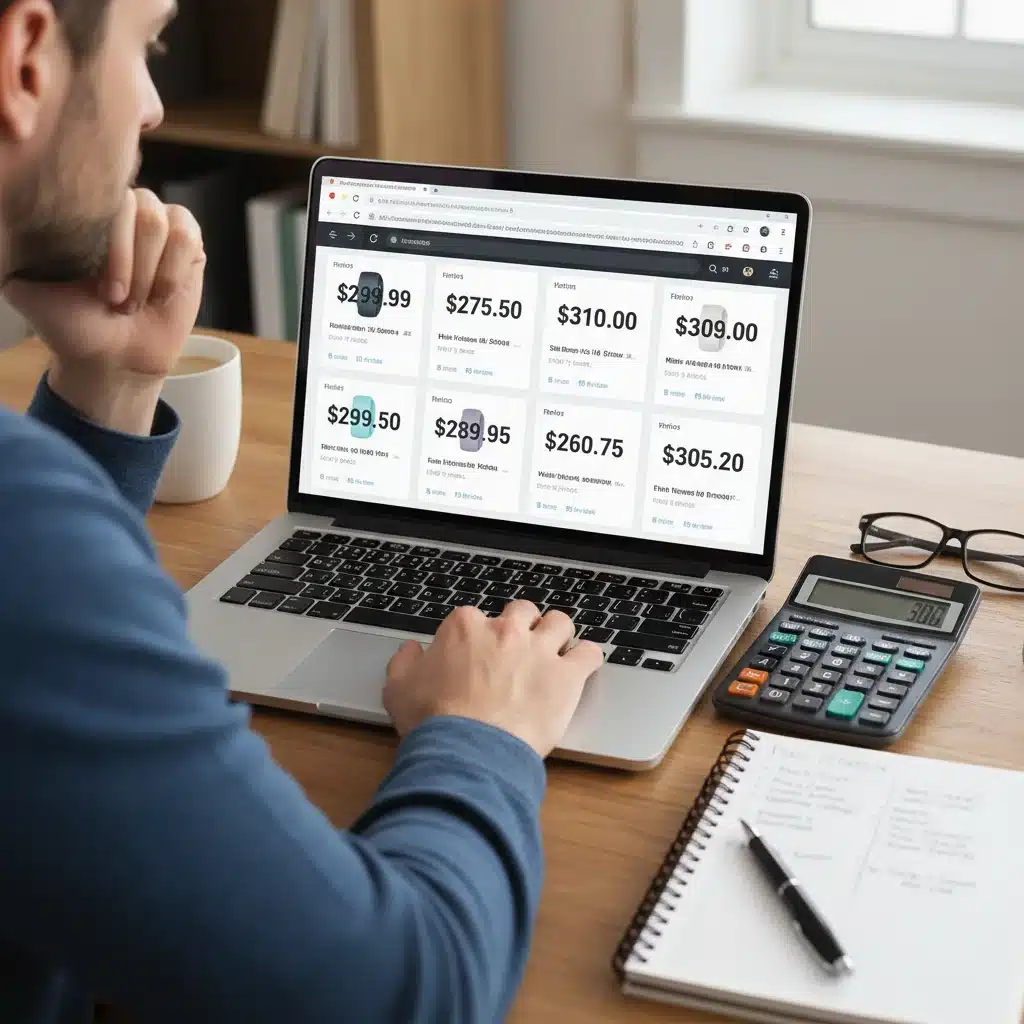
2. Compare Prices Across Multiple Platforms and at Different Times
This might seem obvious, but its importance cannot be overstated when dealing with dynamic pricing strategies. Don’t settle for the first price you see.
- Use Price Comparison Tools: Websites like Google Shopping, PriceGrabber, or CamelCamelCamel (for Amazon) track historical prices and compare current prices across multiple retailers.
- Check Direct vs. Aggregator Sites: For travel, always compare prices directly on the airline or hotel’s website against those on aggregators like Expedia, Booking.com, or Skyscanner. Sometimes one will offer a better deal than the other, or direct sites might have exclusive offers.
- Shop at Different Times: Prices can fluctuate throughout the day or week. For example, some studies suggest that airline tickets might be cheaper on Tuesdays or Wednesdays, and shopping for general e-commerce items late at night might yield lower prices when fewer people are browsing. Experiment to find patterns for specific items.
3. Leverage Virtual Private Networks (VPNs)
Your geographical location can significantly impact the prices you see, especially for digital goods, software, flights, and international services. Dynamic pricing strategies often incorporate geo-targeting, showing different prices based on your IP address.
- Mask Your Location: A VPN allows you to connect to the internet through a server in a different country. For example, if you’re booking a flight from the US to Europe, trying to access the airline’s website through a VPN server in a different European country might sometimes yield a lower price.
- Experiment with Countries: There’s no single ‘cheapest’ country. You might need to experiment by connecting to servers in various countries to see which one offers the best deal for your specific purchase. This is particularly effective for subscription services or software licenses.
- Clear Cookies Before Using VPN: Always clear your browser cookies before activating your VPN and trying different locations, to ensure the website doesn’t use your previous browsing data to influence the new price.
4. Abandon Your Shopping Cart (Strategically)
Many online retailers use abandoned cart recovery strategies. If you add items to your cart and then leave the website without purchasing, they might send you an email with a discount code or special offer to entice you back to complete the purchase. This is a common tactic to combat abandonment, and you can use it to your advantage.
- Create an Account: For this strategy to work, you usually need to be logged into an account so the retailer has your email address.
- Wait it Out: Add the desired items to your cart, proceed almost to checkout, and then close the browser. Wait a day or two. You might receive an email with a discount.
- Be Patient: This strategy isn’t guaranteed and requires patience, but it can be effective for non-urgent purchases.
5. Use Price Tracking Tools and Alerts
Since prices are constantly changing, it’s impractical to manually check them every few hours. Price tracking tools do the work for you.
- Browser Extensions: Extensions like Honey, Keepa (for Amazon), or InvisibleHand can track prices, alert you to drops, and even apply coupon codes automatically.
- Dedicated Price Tracker Websites: Many sites allow you to set up alerts for specific products. When the price drops to your desired level, you’ll receive a notification.
- Historical Price Data: Some tools provide historical price charts, allowing you to see if the current price is a good deal compared to past trends. This insight is invaluable for understanding dynamic pricing strategies over time.
6. Join Loyalty Programs and Email Lists
While dynamic pricing aims to maximize profit, businesses also value loyal customers. Signing up for loyalty programs and email newsletters can often grant you access to exclusive discounts, early sale notifications, and personalized offers that bypass general dynamic pricing fluctuations.
- Exclusive Discounts: Many retailers send out special discount codes to their subscribers that aren’t available to the general public.
- Early Access to Sales: Being on an email list can give you a heads-up or even early access to sales, allowing you to buy before prices potentially go back up or inventory runs low.
- Birthday/Anniversary Perks: Many programs offer special discounts during your birthday month or on the anniversary of your sign-up.
7. Consider Using a Different Device
Some retailers use device-based pricing, especially in the travel industry. Prices for flights or hotels might sometimes appear different on a mobile device versus a desktop computer, or even between iOS and Android devices.
- Experiment: If you’re seeing a high price on your laptop, quickly check the same item on your smartphone or tablet (and vice-versa).
- App-Exclusive Deals: Some companies offer exclusive discounts only available through their mobile apps. Always check if there’s an app-specific deal.

8. Be Flexible with Dates and Times (Especially for Travel)
Flexibility is your greatest ally against dynamic pricing strategies in the travel sector.
- Adjust Travel Dates: Shifting your travel by a day or two can sometimes lead to significant savings. Weekday travel is almost always cheaper than weekend travel.
- Consider Off-Peak Seasons: Traveling during shoulder seasons (just before or after peak season) or completely off-peak can drastically reduce costs for flights and accommodation.
- Use Flexible Date Search Tools: Many flight and hotel booking sites offer ‘flexible date’ search options that show you the cheapest days to fly or stay within a given month.
9. Pay Attention to Exchange Rates for International Purchases
When buying from international websites, the exchange rate can play a role in the final price. While not strictly dynamic pricing by the retailer, fluctuating currency values can make a purchase cheaper or more expensive at different times.
- Monitor Exchange Rates: If you’re making a large international purchase, keep an eye on currency exchange rates. A favorable shift can save you money.
- Choose Local Currency (Carefully): Some sites will offer to charge you in your local currency. While convenient, this often comes with a less favorable exchange rate set by the merchant or payment processor. It’s often better to pay in the merchant’s local currency using a credit card with no foreign transaction fees, letting your bank handle the conversion.
10. Understand the Power of Patience and Urgency Tactics
Retailers often use urgency tactics (‘Only 2 left!’, ‘Deal ends in 3 hours!’) to trigger impulse buys. While some of these are genuine, others are designed to make you bypass your critical thinking about price.
- Don’t Fall for False Urgency: If an item isn’t immediately essential, take a moment to apply some of the strategies above. Often, the ‘deal’ will reappear, or a better one will emerge.
- Know When to Act: For truly limited-time offers or items with genuinely low stock, being prepared to act quickly after your research is complete can secure the best price.
The Future of Dynamic Pricing and Consumer Empowerment
Dynamic pricing strategies are not going away; they are becoming more sophisticated and pervasive. As artificial intelligence and machine learning advance, algorithms will become even better at predicting consumer behavior and optimizing prices in real-time. This means that as consumers, our ability to understand and adapt to these strategies will become even more critical for smart shopping.
The good news is that with increased awareness comes increased consumer empowerment. Tools and strategies for countering dynamic pricing are also evolving. Browser extensions are becoming smarter, VPN services are more accessible, and the collective knowledge of online shopping communities grows daily. By sharing tips and experiences, consumers can collectively build a stronger defense against potentially unfair pricing practices.
Ultimately, the goal is not to eliminate dynamic pricing, which can sometimes lead to benefits like reduced waste or more efficient allocation of resources. Instead, it’s about leveling the playing field. It’s about ensuring that you, the consumer, have the knowledge and tools to make informed decisions, avoid overpaying, and consistently find the best value in a market designed for constant price fluctuation. The power to save up to 18% or more on your online purchases lies in adopting a proactive, informed, and strategic approach to every click and every checkout.
Conclusion: Become a Dynamic Shopper
The world of online shopping is a dynamic ecosystem, constantly influenced by complex algorithms and sophisticated dynamic pricing strategies. What might seem like random price fluctuations are, in fact, calculated moves by retailers to optimize their profits. However, by understanding these mechanisms and implementing the strategies outlined in this guide, you can transform from a passive consumer into an empowered, dynamic shopper.
From clearing cookies and browsing incognito to leveraging VPNs, comparing prices across platforms, and utilizing price tracking tools, each strategy offers a unique way to gain an advantage. Remember to be patient, strategic, and always question the price you see. The 18% savings mentioned are not an exaggeration but a realistic target for those who diligently apply these techniques across their online purchases, especially in high-value categories like travel and electronics.
Embrace these tips, integrate them into your online shopping routine, and watch as you consistently secure better deals. In the battle against ever-changing prices, knowledge is your most powerful weapon, and a strategic approach is your shield. Happy shopping, and may your savings be plentiful!