Mastering Online Haggling: 3 Techniques for US Shoppers in 2026

In the ever-evolving landscape of e-commerce, the art of haggling, traditionally reserved for bustling marketplaces and brick-and-mortar stores, is finding a new home: the digital realm. As we look towards 2026, US shoppers are becoming increasingly savvy, seeking out not just convenience, but also the best possible deals. While it might seem counterintuitive to negotiate prices in a seemingly fixed-price online environment, there are indeed powerful online haggling techniques that can put significant savings back into your pocket. This comprehensive guide will equip you with three practical and effective strategies to master online negotiation and secure better deals, transforming your online shopping experience from passive purchasing to active deal-making.
The digital marketplace is no longer a one-way street. With increased competition among retailers, sophisticated pricing algorithms, and a wealth of information at consumers’ fingertips, the power dynamic is shifting. Shoppers who understand and apply these online haggling techniques are poised to gain a considerable advantage. Forget the awkward face-to-face negotiations; online haggling is often subtle, strategic, and surprisingly effective. It’s about leveraging information, timing, and communication to influence the final price. Whether you’re eyeing a new gadget, a piece of furniture, or a high-end fashion item, these methods can be applied across a wide spectrum of products and services.
Before diving into the techniques, it’s crucial to understand the mindset. Online haggling isn’t about being aggressive or demanding; it’s about being informed, patient, and polite. Retailers, especially those operating online, are often more flexible than you might imagine, particularly when facing inventory surpluses, strong competition, or a desire to retain valuable customers. By approaching the negotiation with a clear strategy and a respectful tone, you significantly increase your chances of success. Let’s explore the three key online haggling techniques that will empower you to become a master negotiator in the digital age.
Advertisements
Technique 1: The Power of Direct Communication and Live Chat Negotiation
One of the most underutilized online haggling techniques is direct communication with customer service representatives. Many online retailers offer live chat support, email contact, or even phone lines. These channels are not just for troubleshooting; they are prime opportunities for negotiation. Think of the live chat as your digital marketplace stall, where you can engage directly with a sales associate.
How to Execute Direct Communication for Better Deals:
- Identify the Right Moment: This technique is most effective when you’re genuinely interested in a product but have a specific reason for seeking a discount. Perhaps you found it cheaper elsewhere, or you’re buying multiple items.
- Be Polite and Specific: Start with a friendly greeting. Clearly state the item you’re interested in and politely inquire if there’s any flexibility on the price. For example, you might say, "I’m very interested in the XYZ laptop, but I noticed a similar model on competitor.com for $50 less. Would you be able to match that price or offer a small discount?"
- Leverage Competitor Pricing: This is a classic haggling tactic that translates seamlessly online. If you’ve found the same or a very similar item at a lower price on another reputable website, use this information. Many retailers have price-matching policies, even if they’re not explicitly advertised. Provide direct links to the competitor’s product page if possible.
- Ask for Bundle Deals or Add-ons: If a direct price reduction isn’t possible, pivot to asking for value-added incentives. Can they throw in free shipping, an extended warranty, a small accessory, or a discount on a related item? This is particularly effective for electronics or larger purchases.
- Mention Loyalty or Future Purchases: If you’re a returning customer, remind them of your loyalty. If you plan to make future purchases, subtly hint that a good experience now could lead to more business for them. "I’m looking to furnish my new apartment and am considering several items from your store. If we could work out a deal on this sofa, I’d be more inclined to complete all my purchases here."
- Be Patient and Persistent (But Not Annoying): The first representative might not have the authority to grant a discount. You can politely ask if there’s someone else who might be able to assist further, or try again at a different time. However, know when to gracefully accept a ‘no’.
This method works because customer service representatives often have a certain degree of discretion to offer small discounts, free shipping, or other perks to close a sale and ensure customer satisfaction. Their goal is to convert interested shoppers into buyers and prevent cart abandonment. Your polite inquiry gives them an opening to do just that.

Technique 2: Strategic Cart Abandonment and Email Follow-ups
The second powerful online haggling technique leverages a common e-commerce phenomenon: cart abandonment. Retailers are acutely aware of how many customers add items to their cart but don’t complete the purchase. This represents lost revenue, and many have automated systems in place to try and recover these potential sales.
How to Use Cart Abandonment to Your Advantage:
- Fill Your Cart with Desired Items: Browse the website as usual, add the products you intend to buy to your shopping cart. Make sure you’re logged into your account or provide your email address during the initial checkout steps.
- Initiate Checkout, Then Stop: Proceed to the checkout page, filling in your shipping information. Crucially, stop before entering payment details and close the browser tab or navigate away from the site. Do not complete the purchase.
- Wait for the Follow-up Email: Many retailers have automated systems that detect abandoned carts. Within a few hours to a day or two, you will often receive an email from the retailer reminding you about your abandoned cart. This email frequently includes an incentive to complete the purchase, such as a percentage-off discount code, free shipping, or a small dollar amount off your order.
- Be Patient (If No Immediate Offer): If the first email doesn’t contain a discount, don’t despair. Some retailers send a second or even a third follow-up email a few days later, which might include a more enticing offer. The longer you wait (within reason), the more desperate the retailer might become to secure the sale.
- Combine with Other Offers (If Applicable): If you receive a cart abandonment discount, check if it can be combined with other ongoing promotions. Sometimes these codes stack, leading to even greater savings.
This technique works because retailers use data analytics to identify potential customers who are on the fence. An abandoned cart signals interest but also hesitation, often due to price. By offering a small discount, they hope to overcome that hesitation and convert you into a paying customer. It’s a win-win: they make a sale, and you get a better price without direct confrontation.
Technique 3: Leveraging Price Tracking Tools and Browser Extensions
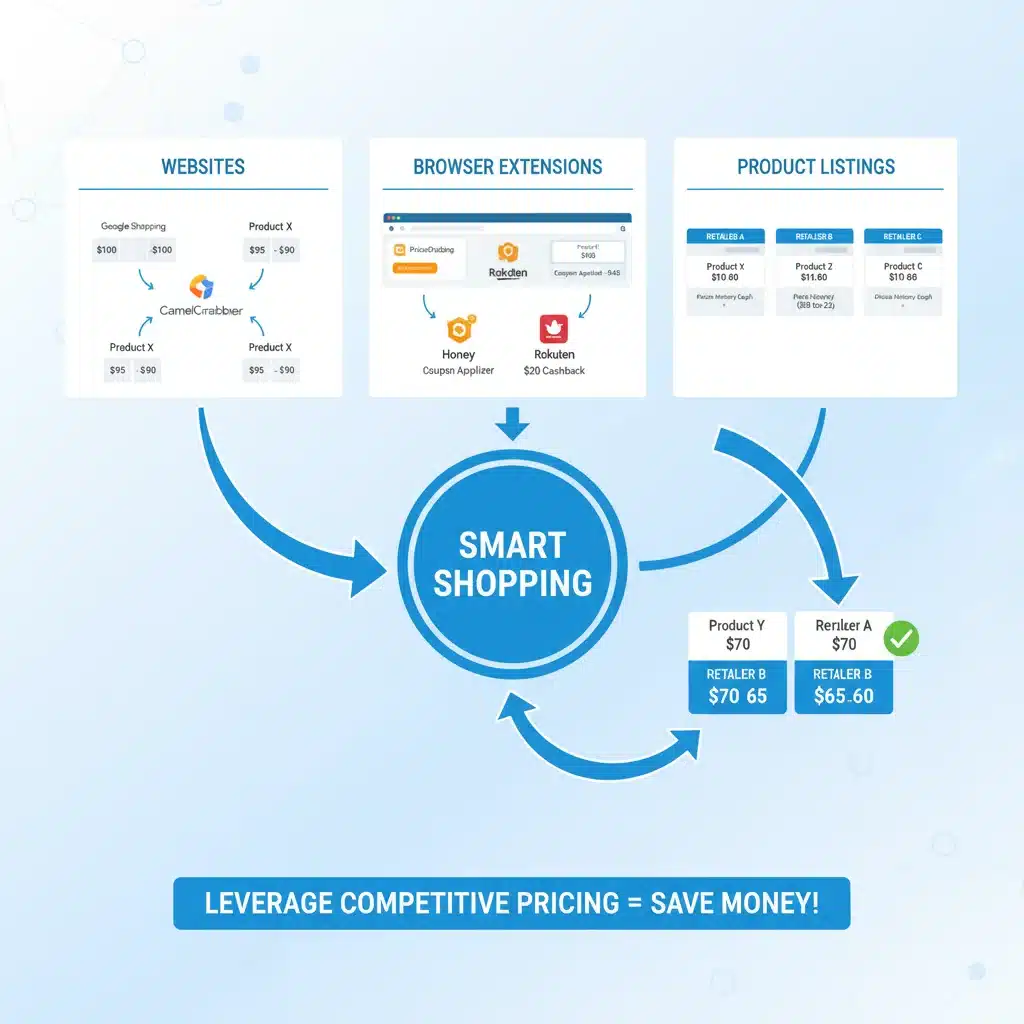
The third sophisticated online haggling technique involves utilizing technology to do the heavy lifting for you. In 2026, a plethora of price tracking tools and browser extensions exist that empower shoppers with real-time pricing data, historical price trends, and automatic coupon application. While not direct haggling in the traditional sense, these tools provide the leverage and information needed to demand or find the best price.
How to Integrate Price Tracking into Your Shopping Strategy:
- Install Price Comparison Extensions: Tools like Honey, CamelCamelCamel (for Amazon), Keepa, or general price comparison browser extensions can automatically scan for better prices across different retailers. When you view a product, these extensions will often pop up to show you if it’s cheaper elsewhere or if there’s a coupon available.
- Utilize Price Drop Alerts: Many of these tools allow you to set alerts for specific products. If the price drops to a certain threshold, or simply drops at all, you’ll receive a notification. This is an excellent way to "haggle" by buying at the optimal low point without constant manual checking.
- Review Price History: Before making a significant purchase, check the product’s price history. If a product frequently goes on sale, you’ll know that the current "full price" is likely inflated and that waiting a short period could yield a better deal. This historical data gives you the confidence to either wait or to use it as a talking point in direct negotiation (Technique 1).
- Automated Coupon Finders: Beyond direct price comparison, many extensions automatically search and apply coupon codes at checkout. This can often shave off an additional percentage or provide free shipping, effectively reducing the final price without you having to lift a finger.
- Cashback and Rewards Programs: While not strictly haggling, integrating cashback websites and credit card rewards programs into your online shopping routine can significantly reduce the effective price of your purchases. These programs essentially give you a percentage of your money back, making your purchase cheaper in the long run.
These technological aids provide an invaluable layer of intelligence to your shopping strategy. They arm you with the knowledge of whether you’re getting a good deal, when to buy, and where to buy, making them essential online haggling techniques for the modern shopper.
Advanced Tips for Maximizing Your Online Haggling Success
Beyond these three core online haggling techniques, a few advanced tips can further enhance your success rate:
Build a Relationship with Retailers (Where Possible):
For smaller, niche online stores, becoming a repeat customer can open doors to exclusive discounts. Sign up for their newsletters, follow them on social media, and engage with their content. Sometimes, a simple direct message on Instagram or Twitter can lead to a discount code for loyal followers.
Understand the Retailer’s Margins and Sales Cycles:
While difficult to know precisely, a general understanding of product categories and their typical sales cycles can be beneficial. Luxury goods often have higher margins and more room for negotiation. Electronics frequently see price drops around new model releases or major shopping holidays. Aligning your haggling efforts with these cycles can increase your chances of success.
Don’t Be Afraid to Ask for "Manager Specials" (Digitally):
Just like in a physical store, customer service reps might have a limited scope of discounts they can offer. If you’re told "no," politely ask if there’s a supervisor or a different department that might be able to review your request. Frame it as "I understand you’ve done all you can, but is there anyone else who might have access to additional promotional offers?"
Utilize Social Media as a Negotiation Tool:
Public inquiries on a retailer’s social media pages can sometimes yield results. Companies are often sensitive to public perception and may be more inclined to resolve a price inquiry positively when it’s visible to other potential customers. Just ensure your tone remains polite and constructive.
Consider the Timing of Your Purchase:
Shopping during off-peak hours or at the end of a sales quarter (for larger retailers) can sometimes result in better deals as companies try to meet sales targets. While less direct than other methods, it’s a subtle form of timing your "ask" for maximum impact.
The Future of Online Haggling in 2026 and Beyond
As AI and machine learning continue to advance, the landscape of online haggling techniques will undoubtedly evolve. We might see more sophisticated AI chatbots capable of dynamic, real-time price negotiations based on customer profiles, inventory levels, and competitor pricing. Personalized discounts could become even more prevalent, tailored specifically to your browsing history and purchase intent. Understanding the foundational principles of negotiation, combined with an openness to new technological tools, will be key to staying ahead in the game of online deal-making.
The trend towards greater transparency in pricing and the increasing power of the informed consumer means that retailers will have to adapt. Those who embrace negotiation, even in a digital format, are likely to build stronger customer loyalty and drive sales. For the savvy shopper, this presents an exciting opportunity to move beyond simply accepting the listed price and actively participate in shaping their purchasing outcomes.
Conclusion: Empowering Your Online Shopping Experience
The notion that online prices are fixed and non-negotiable is a relic of the past. In 2026, US shoppers have more tools and strategies at their disposal than ever before to influence the final price of their purchases. By mastering direct communication, strategically leveraging cart abandonment, and employing advanced price tracking tools, you can transform your online shopping habits into a highly effective deal-hunting expedition.
These three online haggling techniques are not just about saving money; they’re about empowering you as a consumer. They encourage a proactive approach to shopping, ensuring you get the best possible value for your hard-earned dollars. So, the next time you’re browsing your favorite online store, remember that the price you see might just be a suggestion. With a little strategic effort and the right approach, you can negotiate your way to significant savings and a more satisfying shopping experience. Happy haggling!