Maximize Online Purchases: 7 Strategies for 15% More Value
Beyond the Discount Code: 7 Proven Strategies to Get 15% More Value from Your Online Purchases This Quarter (Financial Impact)
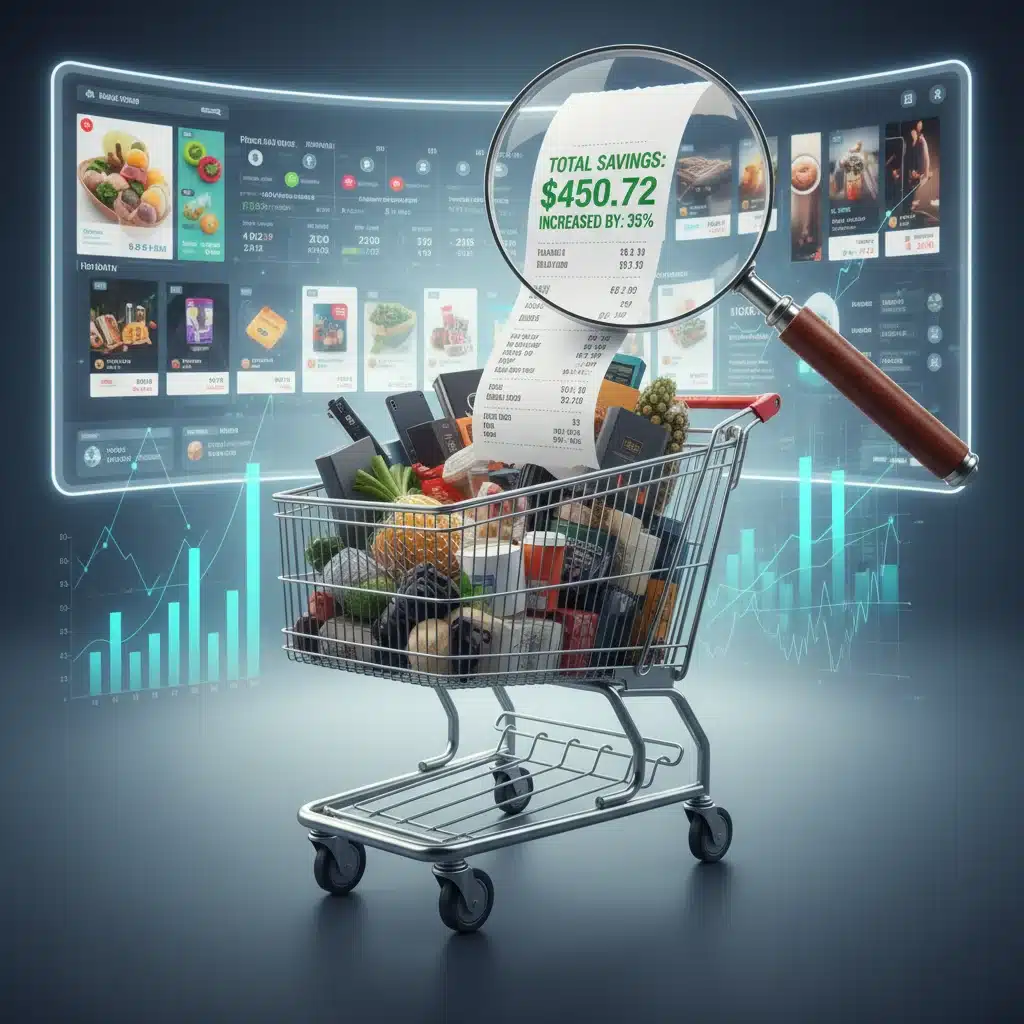
In today’s digital age, online shopping has become an indispensable part of our lives. From daily necessities to luxury items, almost everything is just a click away. While discount codes and flash sales are enticing, truly savvy shoppers understand that maximizing value goes far beyond simply applying a coupon. This quarter, we challenge you to rethink your online purchasing habits. Our goal? To help you uncover strategies that can genuinely increase the value you derive from your online purchases by a significant 15% – and we’re not just talking about saving a few dollars. We’re talking about a tangible financial impact that accumulates over time. This article will delve into seven proven strategies to help you maximize online purchases, ensuring every dollar spent works harder for you.
Understanding how to maximize online purchases is more crucial than ever. The sheer volume of choices, the constant stream of promotions, and the evolving landscape of e-commerce demand a more strategic approach. It’s about making informed decisions, leveraging hidden benefits, and optimizing your spending patterns. Let’s embark on this journey to transform your online shopping experience from a simple transaction into a strategic financial endeavor.
1. Master the Art of Price Tracking and Comparison Tools
One of the most fundamental yet often overlooked strategies to maximize online purchases is diligent price tracking. Prices for the same product can vary wildly across different retailers, and even on the same platform over a short period. Relying solely on a quick search might mean missing out on significant savings. This is where price tracking and comparison tools become your best friends.
The Power of Price Trackers
Price tracking browser extensions and websites monitor the price history of products you’re interested in. They can notify you when a product’s price drops to a certain threshold or reaches its lowest point in recent history. Imagine wanting a new gadget, adding it to your tracker, and receiving an alert when it goes on sale for 20% off. This proactive approach ensures you buy at the optimal moment, rather than impulsively. Popular tools like CamelCamelCamel for Amazon, Honey, or Keepa provide historical price data and alerts, arming you with invaluable information.
Leveraging Comparison Websites
Beyond tracking, comparison websites allow you to instantly see how different retailers are pricing the exact same item. Before making any significant purchase, a quick check on sites like Google Shopping, PriceGrabber, or Shopzilla can reveal if you’re getting the best deal. Sometimes, the difference can be substantial, easily adding up to that 15% value increase we’re aiming for. Remember, the goal is not just to find a discount, but to ensure you’re paying the absolute lowest possible price for the quality you desire.
By integrating these tools into your shopping routine, you move from reactive buying to strategic purchasing. You’re not just hoping for a good deal; you’re actively hunting for it, ensuring you maximize online purchases by securing the best price available.
2. Strategic Use of Credit Card Rewards and Cashback Programs
Many consumers view credit cards merely as a payment method, but they are powerful tools for maximizing value if used responsibly. Strategic use of credit card rewards and cashback programs can significantly boost your savings and provide tangible benefits that contribute to our 15% value target.
Understanding Different Reward Structures
Credit cards offer various reward structures: flat-rate cashback, tiered cashback (e.g., 5% on specific categories that rotate quarterly), or points that can be redeemed for travel, merchandise, or statement credits. To truly maximize online purchases, you need to align your spending habits with the right card. For instance, if you do a lot of online grocery shopping, a card offering bonus points or cashback on groceries would be ideal. If you frequently buy from a specific merchant, look for co-branded cards that offer enhanced rewards at that store.
Optimizing Cashback Portals
Beyond credit card rewards, numerous cashback portals exist (e.g., Rakuten, TopCashback, Swagbucks). These platforms partner with thousands of online retailers and offer a percentage of your purchase back when you click through their links. Stacking these portals with your credit card rewards can lead to double-digit cashback on a single purchase. For example, if your credit card offers 2% cashback on online purchases and a cashback portal offers 5% for a particular store, you’re effectively getting 7% back on your purchase. This is an incredibly effective way to maximize online purchases without even looking for a discount code.
Sign-Up Bonuses and Introductory Offers
Don’t overlook sign-up bonuses for new credit cards. Many cards offer substantial points or cashback for meeting a minimum spending requirement within the first few months. If you have a large purchase planned, strategically opening a new card to earn a bonus can provide immense value. Always ensure you can meet the spending requirement without going into debt, and pay off your balance in full to avoid interest charges that would negate any rewards.
3. Leverage Loyalty Programs, Subscriptions, and Bundles
Beyond immediate discounts, long-term value can be found in loyalty programs, strategic subscriptions, and product bundles. These mechanisms are designed to reward consistent customers and can significantly reduce your overall spending while increasing the perceived value of your purchases.
The Unsung Hero: Loyalty Programs
Almost every major online retailer has a loyalty program. Whether it’s earning points for every dollar spent, getting exclusive early access to sales, or receiving free shipping, these programs are designed to keep you coming back. Make sure you’re signed up for the loyalty programs of your most frequented online stores. The accumulated points can often be redeemed for future purchases, effectively giving you a discount or even free items. This is a subtle yet powerful way to maximize online purchases over time.

Smart Subscriptions: Save Time and Money
For regularly consumed items, subscriptions can offer significant savings. Many retailers provide a discount (e.g., 5-15%) for subscribing to recurring deliveries. Evaluate your recurring needs – toiletries, pet food, cleaning supplies – and see if a subscription model makes financial sense. The key is to ensure flexibility; you should be able to pause, skip, or cancel easily. A well-managed subscription can not only save you money but also free up mental space by automating routine purchases, allowing you to maximize online purchases efficiently.
Bundling for Better Value
Retailers often offer bundles of related products at a lower combined price than if you bought each item individually. If you genuinely need multiple items that are frequently purchased together, look for these bundles. For example, buying a new gaming console might come with a bundled game and an extra controller for less than buying them separately. This strategy requires a bit of foresight and planning but can lead to considerable savings and increased value.
4. Optimize Shipping Costs and Returns Policies
Shipping fees and complicated return processes can quickly erode the value of an otherwise good deal. Smart shoppers consider these factors before clicking ‘purchase’ to truly maximize online purchases.
Free Shipping: A Non-Negotiable
In the age of Amazon Prime, free shipping has become an expectation. Always look for retailers offering free shipping, or aim to consolidate your purchases to meet the free shipping threshold. If a small item incurs a significant shipping fee, it might be more cost-effective to buy it locally or add other necessary items to your cart to qualify for free delivery. Many loyalty programs and credit cards also offer free shipping as a perk, so leverage those benefits.
Understanding Return Policies
Before purchasing, especially for items like clothing or electronics where fit or functionality can be uncertain, thoroughly review the return policy. A generous return window, free return shipping, and easy return procedures add significant value. Conversely, a strict return policy or expensive return shipping can turn a seemingly good deal into a financial headache. Knowing you can return an item without penalty gives you peace of mind and ensures you’re not stuck with something that doesn’t meet your needs, thereby helping you maximize online purchases by avoiding wasted money.
Utilizing Buy Online, Pick Up In-Store (BOPIS)
For local retailers with an online presence, BOPIS (Buy Online, Pick Up In-Store) can be a fantastic option. It eliminates shipping costs, often allows for faster fulfillment, and gives you the flexibility to pick up at your convenience. This hybrid approach combines the ease of online shopping with the cost-saving benefits of avoiding shipping fees.
5. Strategic Timing: Seasonal Sales, Holidays, and Clearance
Timing is everything when it comes to online shopping. While impulse buys are tempting, strategic waiting for specific sales events can dramatically increase the value you receive. Understanding the retail calendar is key to truly maximize online purchases.
Harnessing Seasonal Sales
Major holidays and seasonal transitions are prime times for significant discounts. Think Black Friday, Cyber Monday, Prime Day, Memorial Day, Labor Day, and end-of-season clearance sales. Retailers use these events to clear inventory and attract shoppers with steep price reductions. Plan your larger, non-urgent purchases around these times. For example, buying winter clothing in late winter/early spring or summer items in late summer/early fall can yield substantial savings.
Mid-Week vs. Weekend Deals
While not a hard and fast rule, some retailers tend to refresh their deals or launch new promotions during the middle of the week, often on Tuesdays or Wednesdays. Weekends might see a surge in traffic but not always the best deals. Keep an eye on your favorite stores’ newsletters, as they often announce upcoming sales or flash deals that can be time-sensitive.
Clearance and Outlet Sections
Don’t forget to regularly check the ‘clearance,’ ‘sale,’ or ‘outlet’ sections of online stores. These sections are dedicated to items being phased out, often at deep discounts. While the selection might be limited, you can find incredible bargains on high-quality products. This is especially true for fashion, home goods, and electronics where new models are frequently released. Consistently checking these sections can help you maximize online purchases by acquiring premium items at a fraction of their original cost.
6. Read Reviews, Understand Specifications, and Avoid Impulse Buys
In the digital marketplace, information is power. Taking the time to thoroughly research products and resist the urge for impulse purchases are critical steps to ensure you maximize online purchases and avoid buyer’s remorse.
The Importance of Product Reviews
Before committing to a purchase, dive deep into product reviews. Look beyond the star rating; read both positive and negative feedback to get a balanced perspective. Pay attention to reviews that mention longevity, ease of use, customer service, and whether the product lives up to its description. Tools like Fakespot or ReviewMeta can help identify potentially unreliable reviews, ensuring you’re basing your decisions on genuine customer experiences. A product with overwhelmingly positive, authentic reviews offers more value than one with a few glowing but suspicious testimonials.
Deciphering Product Specifications
Don’t just look at the pretty pictures. Understand the technical specifications, dimensions, materials, and features. Compare these details across similar products from different brands. Does the cheaper alternative truly offer the same functionality and durability, or are you sacrificing quality for a slightly lower price? Sometimes, investing a little more upfront for a superior product can yield greater long-term value, as it may last longer or perform better, ultimately helping you maximize online purchases by reducing the need for replacements.
Conquering Impulse Buying
Impulse purchases are the enemy of value maximization. Retailers are masters at creating urgency with limited-time offers and scarcity tactics. Before buying something on a whim, implement a 24-hour rule: add it to your cart, then wait a day. Often, the urge to buy will pass, or you’ll realize it wasn’t a necessary purchase. This cooling-off period allows for rational decision-making, preventing unnecessary spending that detracts from your goal of increasing value by 15%.
7. Utilize Virtual Assistants, Browser Extensions, and Smart Shopping Lists
The digital tools available today can significantly streamline your online shopping process and automatically find opportunities to maximize online purchases without extensive manual effort.
Browser Extensions: Your Automated Savings Scouts
Beyond price trackers, a plethora of browser extensions can automatically apply coupon codes at checkout, compare prices in real-time as you browse, and even alert you to better deals on other sites. Honey, Rakuten (formerly Ebates), and InvisibleHand are just a few examples. These extensions work in the background, ensuring you don’t miss out on available discounts or cashback opportunities. They effectively act as your personal shopping assistant, constantly looking for ways to save you money and increase value.

Smart Shopping Lists and Wishlists
Instead of randomly browsing, create smart shopping lists or utilize the wishlist features on various e-commerce sites. This allows you to organize your desired items, track their prices (especially if combined with a price tracker), and wait for the opportune moment to buy. Many wishlists will even notify you if an item goes on sale. This organized approach prevents scattered spending and ensures you’re buying what you truly need and want, at the best possible price, thereby helping you maximize online purchases strategically.
Virtual Assistants for Deal Finding
Some advanced virtual assistants and AI tools can scour the internet for deals on specific products you’re looking for, sometimes even predicting when prices might drop. While still evolving, these technologies represent the future of smart shopping, offering an automated layer of value maximization that goes beyond what manual searching can achieve.
Conclusion: The Path to 15% More Value
Achieving a 15% increase in value from your online purchases this quarter is not an unrealistic dream; it’s an attainable goal through strategic planning and leveraging the right tools and habits. By moving beyond the impulsive click and embracing a more thoughtful, informed approach, you can transform your online shopping into a powerful financial lever.
Remember, the strategies to maximize online purchases are interconnected. Mastering price tracking, intelligently using credit card rewards, engaging with loyalty programs, optimizing shipping and returns, timing your buys, conducting thorough research, and employing smart digital tools all contribute to a holistic approach. Each strategy, when applied consistently, adds a layer of savings and value, collectively pushing you towards and beyond that 15% mark.
Start small, perhaps by implementing one or two of these strategies this week, and gradually integrate more into your routine. The financial impact will become evident as you see your savings grow and the quality of your purchases improve. Happy smart shopping!