Avoid Online Shopping Scams 2026: Your Ultimate US Guide to Secure Purchases

In the ever-evolving landscape of digital commerce, secure online shopping has become more crucial than ever. As we look towards 2026, the convenience of purchasing goods and services from the comfort of our homes continues to grow, but so does the sophistication of online scams. Every year, millions of consumers in the US fall victim to fraudulent schemes, losing money, personal data, and peace of mind. This comprehensive guide is designed to empower you with the knowledge and tools you need to navigate the online marketplace safely and confidently. We’ll delve into the most prevalent types of scams, introduce you to the three best strategies to avoid them, and provide actionable tips to ensure your online transactions are always secure.
The digital age brings unparalleled access to products and services, but it also opens doors for malicious actors. From fake websites and phishing emails to non-delivery scams and credit card fraud, the threats are diverse and constantly adapting. Understanding these threats is the first step towards protecting yourself. Our focus here is not to instill fear, but to equip you with robust defenses. By adopting proactive habits and recognizing red flags, you can significantly reduce your risk of becoming a victim. Let’s embark on this journey to master the art of secure online shopping in 2026.
The Shifting Sands of Online Scams: What to Expect in 2026
The nature of online scams is dynamic. What was prevalent last year might be less common today, replaced by more ingenious methods. In 2026, we anticipate a continued rise in AI-powered scams, making phishing attempts and fake websites even more convincing. Deepfake technology could be used to create fraudulent customer service representatives or product demonstrations, blurring the lines between genuine and deceitful. Moreover, scammers are increasingly targeting mobile users, leveraging the convenience of smartphone shopping to exploit vulnerabilities in mobile security. Understanding these emerging trends is vital for maintaining secure online shopping habits.
Common Online Shopping Scams to Watch Out For:
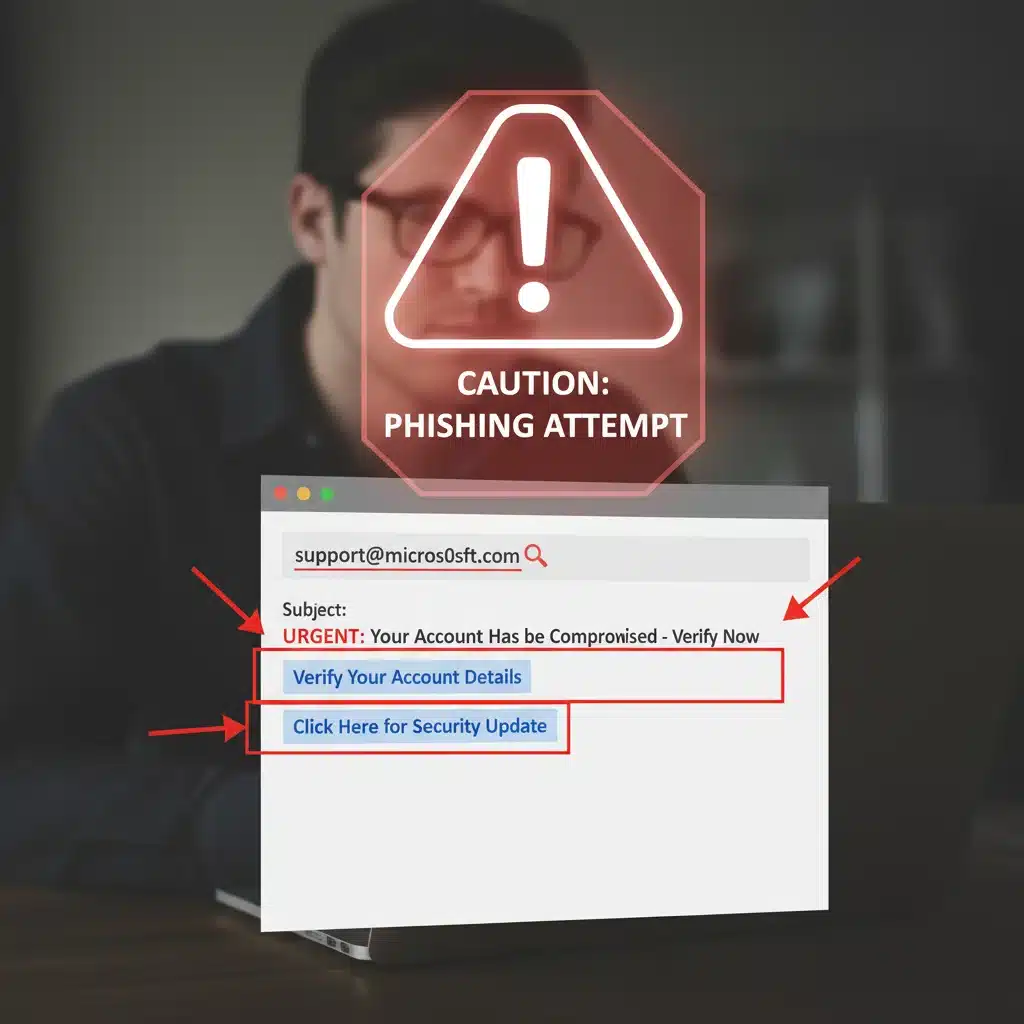
- Phishing and Smishing: These involve deceptive emails or text messages designed to trick you into revealing personal information, such as login credentials or credit card numbers. In 2026, expect these to be highly personalized and sophisticated, often mimicking legitimate brands or services you frequently use.
- Fake Websites and Online Stores: Scammers create professional-looking e-commerce sites that mimic legitimate retailers or offer unbelievably good deals. Once you make a purchase, you either receive a counterfeit item, nothing at all, or your payment information is stolen.
- Non-Delivery Scams: You pay for a product, but it never arrives. This is particularly common on social media marketplaces or less reputable online platforms.
- Credit Card Fraud: This can occur through various means, including data breaches, skimming devices, or direct theft of your card details during an unsecured transaction.
- Tech Support Scams: Although not strictly shopping-related, these can lead to financial loss if scammers gain remote access to your computer and demand payment for unnecessary ‘fixes’, potentially compromising your online shopping security.
- Gift Card Scams: Scammers often pressure victims to pay for goods or services using gift cards, which are untraceable and non-refundable, making them a preferred payment method for fraudsters.
- Subscription Traps: You sign up for a ‘free trial’ that automatically converts into an expensive, hard-to-cancel subscription after a short period, often with hidden terms and conditions.
Staying informed about these evolving threats is your first line of defense. Remember, if an offer seems too good to be true, it very likely is. Always approach unfamiliar online deals with a healthy dose of skepticism to ensure your secure online shopping experience.
The 3 Best Ways to Ensure Secure Online Shopping in 2026
Protecting yourself online doesn’t require advanced technical skills, but rather a combination of awareness, caution, and the adoption of best practices. Here are the three most effective strategies to ensure your online shopping remains secure in 2026.
Strategy 1: Vigilant Verification of Websites and Sellers
The internet is rife with deceptive websites designed to mimic legitimate retailers. Before you even think about entering your payment details, it’s crucial to verify the authenticity of the website and the seller. This strategy is paramount for secure online shopping.
How to Verify:
- Check the URL Carefully: Always scrutinize the website address. Look for ‘https://’ at the beginning of the URL, which indicates a secure connection. The ‘s’ stands for ‘secure’. Be wary of URLs with misspellings or extra words (e.g., ‘amaz0n.com’ instead of ‘amazon.com’ or ‘ebay-store.com’ instead of ‘ebay.com’). Scammers often use subtle variations to trick unsuspecting shoppers.
- Look for the Padlock Icon: In your browser’s address bar, a padlock icon signifies that the connection is secure and encrypted. While not a guarantee of legitimacy, its absence is a major red flag. Clicking on the padlock icon can often reveal certificate details, which should match the website you intend to visit.
- Research the Seller/Store: If you’re buying from an unfamiliar store, do a quick online search for reviews. Look for independent reviews on sites like Trustpilot, Better Business Bureau (BBB), or reputable consumer forums. Be suspicious of sites with only glowing reviews or no reviews at all. Check their social media presence; legitimate businesses usually have active and engaging social media profiles.
- Examine Website Design and Content: Professional websites typically have high-quality images, well-written product descriptions, and no glaring grammatical errors or typos. Poor design, pixelated logos, broken links, or generic contact information (like a Gmail address instead of a company email) are strong indicators of a fraudulent site.
- Check Contact Information and Policies: A legitimate online store will have clear contact information, including a physical address, phone number, and email. They will also have comprehensive privacy policies, return policies, and terms of service readily available. If these are missing or vague, proceed with extreme caution.
- Beware of Too-Good-To-Be-True Deals: Deep discounts that seem unrealistic, especially on high-demand items, are often a bait for scams. Compare prices with other retailers. If a deal is significantly lower than competitors, it’s a major red flag.
By making website and seller verification a routine part of your online shopping process, you build a robust first line of defense against many common scams, ensuring a more secure online shopping experience.
Strategy 2: Fortify Your Digital Defenses
Even with vigilant verification, your personal devices and accounts can be vulnerable. Strengthening your digital defenses is a critical component of secure online shopping. This involves taking proactive steps to protect your personal information and financial data from being compromised.
Key Defensive Measures:
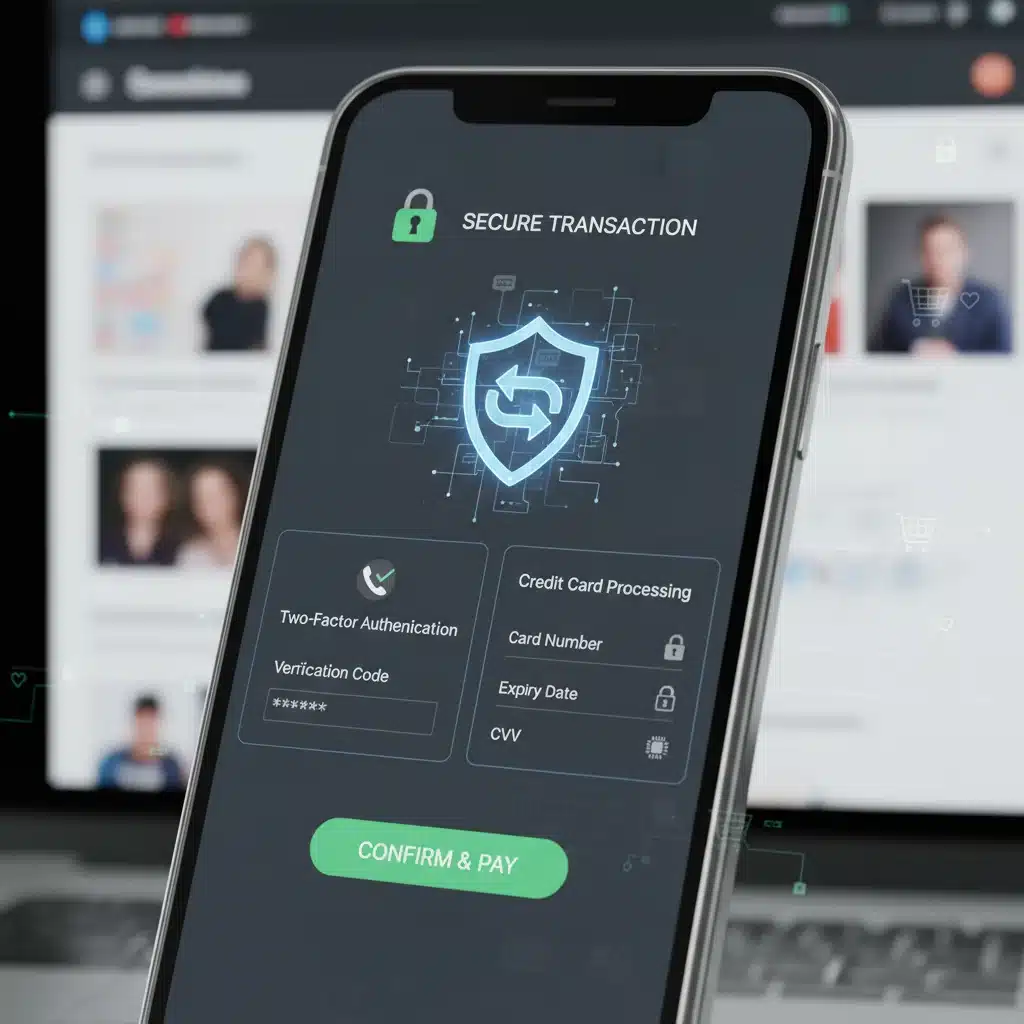
- Use Strong, Unique Passwords and Two-Factor Authentication (2FA): This is non-negotiable. Create complex passwords (a mix of uppercase, lowercase, numbers, and symbols) for all your online accounts, especially for shopping sites, email, and banking. Never reuse passwords. Implement 2FA wherever possible. This adds an extra layer of security, requiring a second form of verification (like a code sent to your phone) in addition to your password. Even if a scammer gets your password, they can’t access your account without the second factor.
- Keep Your Software Updated: Regularly update your operating system, web browsers, antivirus software, and any other applications on your devices. These updates often include critical security patches that protect against newly discovered vulnerabilities that scammers might exploit.
- Install Reputable Antivirus and Anti-Malware Software: A good security suite can detect and block malicious software that could steal your information or compromise your device. Ensure it’s always running and updated.
- Be Wary of Public Wi-Fi: Public Wi-Fi networks (in cafes, airports, etc.) are often unsecured and can be easily intercepted by hackers. Avoid making purchases or accessing sensitive accounts when connected to public Wi-Fi. If you must, use a Virtual Private Network (VPN) to encrypt your internet traffic.
- Regularly Monitor Your Bank and Credit Card Statements: Get into the habit of checking your financial statements frequently for any unauthorized transactions. Report suspicious activity to your bank or credit card company immediately. Many banks offer real-time transaction alerts that can be very helpful.
- Understand Privacy Settings: On social media and other platforms, review and adjust your privacy settings to limit the amount of personal information that is publicly available. Scammers often use this information for targeted phishing attacks.
By actively managing your digital security, you create a robust shield against common cyber threats, making your secure online shopping endeavors much safer.
Strategy 3: Smart Payment Practices and Transaction Awareness
How you pay and how you monitor those payments are crucial aspects of secure online shopping. Even if you’ve done your due diligence on a website, a lapse in payment security can still lead to financial loss. Adopting smart payment practices can significantly mitigate this risk.
Best Payment Practices:
- Use Credit Cards for Online Purchases: Credit cards generally offer better fraud protection than debit cards. If your credit card is compromised, the Fair Credit Billing Act limits your liability to $50, and many card issuers have zero-liability policies. Debit cards, on the other hand, draw directly from your bank account, and fraudulent activity can quickly drain your funds.
- Utilize Secure Payment Gateways: When checking out, look for familiar and trusted payment gateways like PayPal, Apple Pay, Google Pay, or direct credit card processing from reputable banks. These services add layers of security, often encrypting your financial details and providing buyer protection. Avoid websites that ask for direct bank transfers or cryptocurrency payments from unknown sellers, as these are often irreversible.
- Avoid Storing Payment Information: While convenient, storing your credit card details on e-commerce sites increases your risk if that site experiences a data breach. If you frequently shop on a trusted site, consider using a password manager that can autofill your details securely, rather than relying on the site to store them.
- Be Wary of Unsolicited Payment Requests: Never click on links in unsolicited emails or messages asking you to update payment information or confirm purchases you didn’t make. Always go directly to the official website of the service or retailer to manage your accounts.
- Keep Records of Your Purchases: Save order confirmations, shipping details, and any communication with the seller. This documentation can be invaluable if you need to dispute a charge or report a scam.
- Familiarize Yourself with Buyer Protection Policies: Understand the buyer protection programs offered by your credit card company, PayPal, or the marketplace you’re using. Knowing your rights and the steps to take can help you recover funds if something goes wrong.
By being strategic about your payment methods and staying alert to transaction details, you significantly bolster your defense against financial fraud and ensure a truly secure online shopping experience.
What to Do If You Suspect You’ve Been Scammed
Even with the best precautions, scams can sometimes slip through. Knowing what to do immediately after recognizing a potential scam can minimize the damage. Prompt action is crucial for secure online shopping recovery.
- Act Immediately: The faster you act, the better your chances of mitigating losses.
- Contact Your Bank or Credit Card Company: Report any unauthorized charges or suspicious activity immediately. They can often reverse fraudulent transactions and issue you a new card.
- Change Passwords: If you entered login credentials on a suspicious site, change those passwords immediately on legitimate sites, especially for your email, banking, and frequently used shopping accounts.
- Report the Scam:
- Federal Trade Commission (FTC): File a report at reportfraud.ftc.gov. The FTC collects these reports and uses them to investigate and prosecute scammers.
- FBI’s Internet Crime Complaint Center (IC3): If you’ve been a victim of cybercrime, report it to ic3.gov.
- Your State Attorney General: Your state’s consumer protection division can also be a valuable resource.
- The Online Platform: If the scam occurred on a specific platform (e.g., eBay, Amazon, Facebook Marketplace), report the seller and the incident to them directly.
- Monitor Your Accounts: Keep a close eye on your financial accounts and credit reports for any further suspicious activity in the coming weeks and months. Consider placing a fraud alert on your credit report.
- Beware of Recovery Scams: Unfortunately, scammers sometimes target scam victims with promises of recovering lost money for a fee. Be extremely skeptical of anyone claiming they can get your money back, especially if they ask for upfront payment.
Taking these steps can help protect you from further harm and contribute to broader efforts to combat online fraud, making the digital marketplace safer for everyone engaging in secure online shopping.
The Future of Secure Online Shopping: Innovations and Predictions for 2026 and Beyond
As technology advances, so too will the methods for ensuring secure online shopping. In 2026 and the years to follow, we can expect several innovations to further enhance consumer protection:
- Enhanced AI and Machine Learning for Fraud Detection: AI will become even more sophisticated in identifying fraudulent patterns, not just in transactions but also in website authenticity and email content, often detecting scams before they reach consumers.
- Biometric Authentication: Beyond fingerprint and facial recognition, more advanced biometric methods like behavioral biometrics (analyzing typing patterns, mouse movements) could become standard for verifying identity during online transactions, making unauthorized access exceedingly difficult.
- Blockchain Technology for Supply Chain Transparency: Blockchain could be used to track products from manufacturing to delivery, verifying authenticity and preventing the sale of counterfeit goods.
- Decentralized Identity Solutions: Consumers might gain more control over their digital identities, sharing only necessary information for a transaction without exposing their full personal data to every vendor.
- Advanced Browser Security Features: Web browsers will likely integrate more robust built-in security tools, providing real-time warnings about suspicious websites, phishing attempts, and insecure connections with greater accuracy.
- Quantum-Resistant Encryption: As quantum computing develops, current encryption methods may become vulnerable. Research and implementation of quantum-resistant encryption will be crucial to maintain data security.
These advancements promise a future where secure online shopping is more intuitive and robust, but consumer vigilance will always remain a cornerstone of personal safety. Staying informed about these developments will empower you to leverage new technologies for your protection.
Conclusion: Your Empowered Path to Secure Online Shopping
The digital marketplace offers unparalleled convenience and choice, but it also demands a proactive approach to security. By understanding the evolving landscape of online scams, diligently verifying websites and sellers, fortifying your digital defenses, and adopting smart payment practices, you can confidently navigate the internet and enjoy a truly secure online shopping experience in 2026 and beyond.
Remember, knowledge is your most powerful tool. Stay informed, stay vigilant, and never hesitate to question anything that seems out of the ordinary. Your personal and financial security online is paramount. By following the strategies outlined in this guide, you’re not just protecting yourself; you’re contributing to a safer online environment for everyone. Happy and secure shopping!