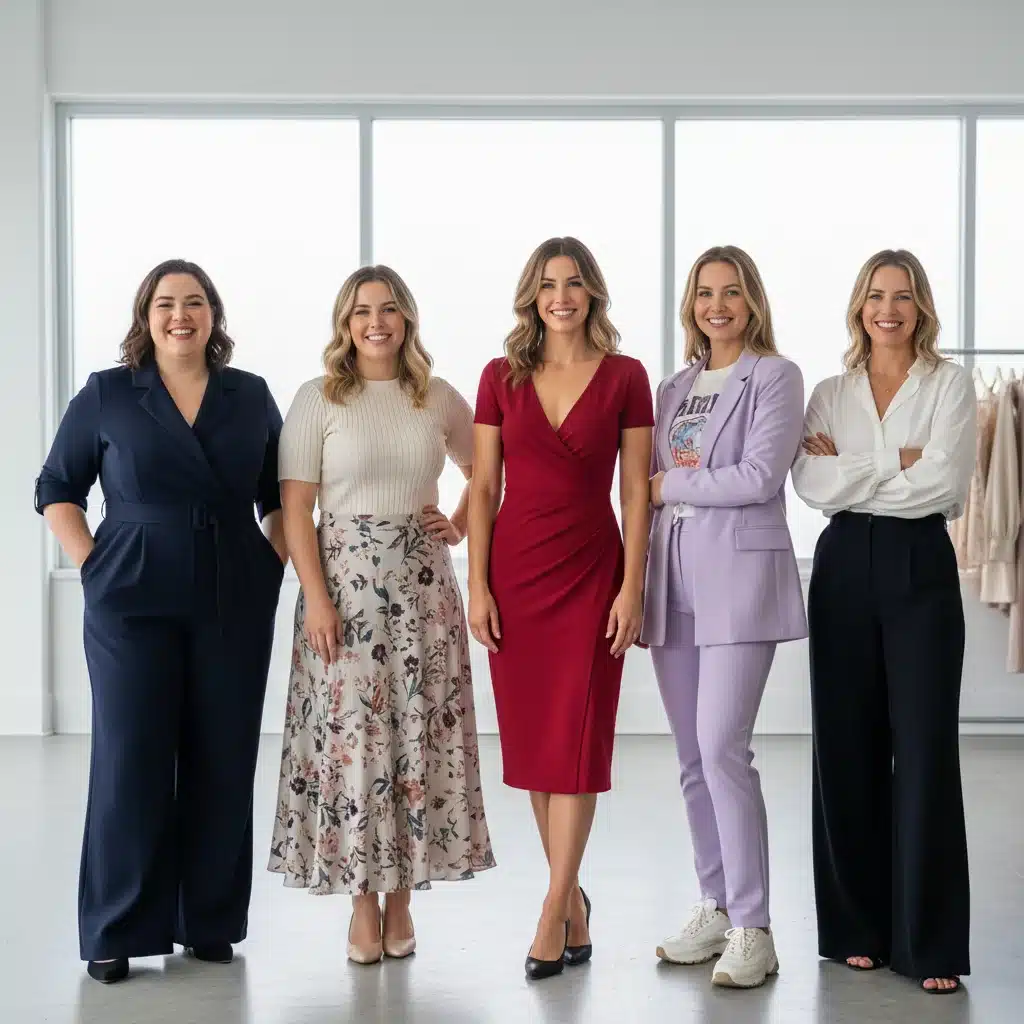
Mastering Your Body Shape: The Ultimate 2026 Guide to Flattering Fashion
Welcome to the definitive 2026 guide on understanding and dressing for your unique body shape. In a world increasingly focused on individuality and self-expression, knowing how to flatter your natural silhouette is not about conforming to ideals, but about empowering yourself through fashion. This comprehensive guide will help you identify your body shape, understand its characteristics, and equip you with the knowledge to choose clothing that makes you feel confident, comfortable, and truly you. Forget restrictive rules; this is about enhancing your best features and embracing your unique beauty.
The journey to mastering your style begins with a fundamental understanding of your physical form. While trends come and go, the principles of dressing for your body shape remain timeless. By learning these principles, you’ll be able to navigate any fashion landscape with ease, making smart choices that highlight your assets and create balanced proportions. Whether you’re a seasoned fashionista or just starting to explore your personal style, this guide on body shape dressing is designed to provide actionable insights and inspire a more confident approach to your wardrobe.
Why Understanding Your Body Shape Matters in 2026
In 2026, fashion is more personalized than ever. Fast fashion’s reign is waning, replaced by a growing appreciation for sustainable choices and timeless pieces that truly fit and flatter. Understanding your body shape allows you to make more informed purchasing decisions, reducing impulse buys and creating a more cohesive, functional wardrobe. It’s about dressing smarter, not harder. When you understand your body shape dressing needs, you stop chasing trends that don’t suit you and start investing in pieces that make you look and feel incredible.
Advertisements
Beyond practical benefits, knowing your body shape is a powerful tool for self-acceptance. It shifts the focus from perceived flaws to celebrating your unique attributes. Instead of trying to change your body to fit the clothes, you learn to choose clothes that fit and celebrate your body. This mindset is crucial for building self-esteem and fostering a positive body image, which are increasingly important aspects of well-being in our modern society. This guide empowers you to use fashion as a form of self-love and expression, rather than a source of frustration.
Identifying Your Body Shape: A Step-by-Step Guide
Before we dive into specific styling tips, the first crucial step in effective body shape dressing is accurately identifying your own body shape. While there are many variations, most figures can be categorized into a few primary types. Remember, these are guidelines, not rigid boxes. Most people are a blend, but one shape will typically dominate.
How to Measure Yourself
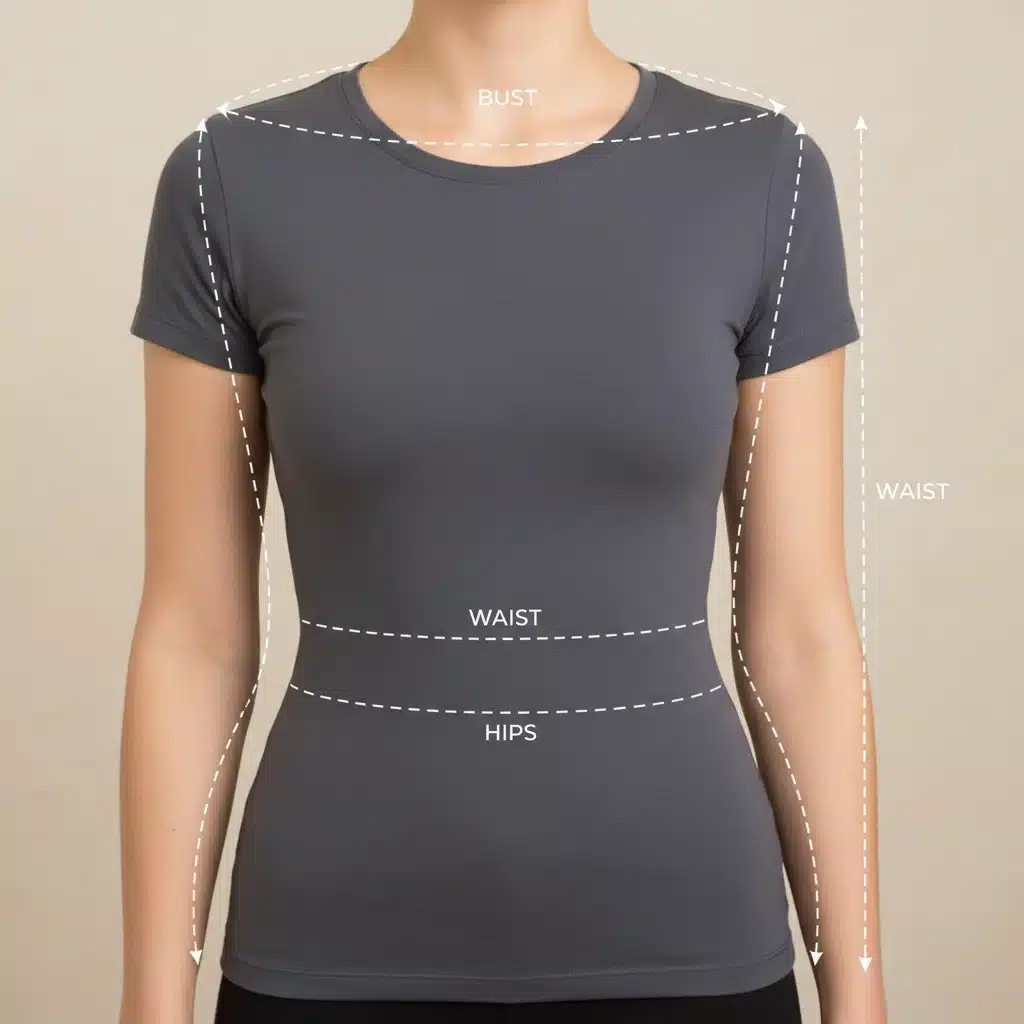
For the most accurate assessment, you’ll need a measuring tape. Wear form-fitting clothing or just your underwear. Stand in front of a mirror with good posture. Measure the following:
- Shoulders: Measure around the fullest part of your shoulders, often best done by having someone help you measure across your back and over the top of your shoulders.
- Bust: Measure around the fullest part of your bust, keeping the tape parallel to the floor.
- Waist: Measure the smallest part of your natural waist, typically just above your belly button.
- Hips: Measure around the fullest part of your hips and buttocks, keeping the tape parallel to the floor.
The Main Body Shapes Explained
Once you have your measurements, compare them to the characteristics below to determine your dominant body shape:
1. Hourglass Shape
- Characteristics: Your bust and hip measurements are roughly equal, and your waist is significantly smaller and well-defined. You have a curvaceous figure.
- Measurements: Shoulders and hips are similar, waist is at least 25% smaller.
- Celebrity Examples: Beyoncé, Sofia Vergara, Marilyn Monroe.
2. Pear (or Triangle) Shape
- Characteristics: Your hips are wider than your bust and shoulders. You typically have a defined waist, and your lower body is fuller than your upper body.
- Measurements: Hips are significantly wider than shoulders/bust.
- Celebrity Examples: Jennifer Lopez, Rihanna, Kim Kardashian.
3. Inverted Triangle (or Apple) Shape
- Characteristics: Your shoulders and/or bust are wider than your hips. You may have a less defined waist and carry weight primarily in your upper body.
- Measurements: Shoulders/bust are significantly wider than hips.
- Celebrity Examples: Angelina Jolie, Demi Moore, Renée Zellweger.
4. Rectangle (or Straight) Shape
- Characteristics: Your bust, waist, and hip measurements are fairly similar, creating a straighter, more athletic silhouette. You may have a less defined waist.
- Measurements: Bust, waist, and hips are all within a few inches of each other.
- Celebrity Examples: Natalie Portman, Cameron Diaz, Gwyneth Paltrow.
5. Apple (or Round) Shape
- Characteristics: You tend to carry weight around your midsection, with a fuller bust and a less defined waist. Your shoulders and hips might be narrower, and you often have slender legs.
- Measurements: Waist is the widest measurement, or similar to bust and hips.
- Celebrity Examples: Oprah Winfrey, Adele, Melissa McCarthy.
If you find yourself between categories, don’t worry! Focus on the dominant characteristics and remember that these are tools to guide you, not strict classifications. The goal is to understand your unique proportions for effective body shape dressing.
Styling Strategies for Each Body Shape
Now that you’ve identified your body shape, let’s explore specific body shape dressing strategies to enhance your figure and create visually balanced proportions. The key is to highlight your favorite features and balance areas you wish to de-emphasize.
Dressing the Hourglass Shape
- Tops: V-necks, scoop necks, and sweetheart necklines are excellent for showcasing your décolletage. Fitted tops, wrap tops, and peplum blouses will emphasize your waist. Avoid shapeless or boxy tops that hide your curves.
- Bottoms: High-waisted skirts and trousers are your best friends as they draw attention to your defined waist. Pencil skirts, A-line skirts, and bootcut or straight-leg jeans work wonderfully. Avoid overly baggy or shapeless bottoms that can add unwanted volume.
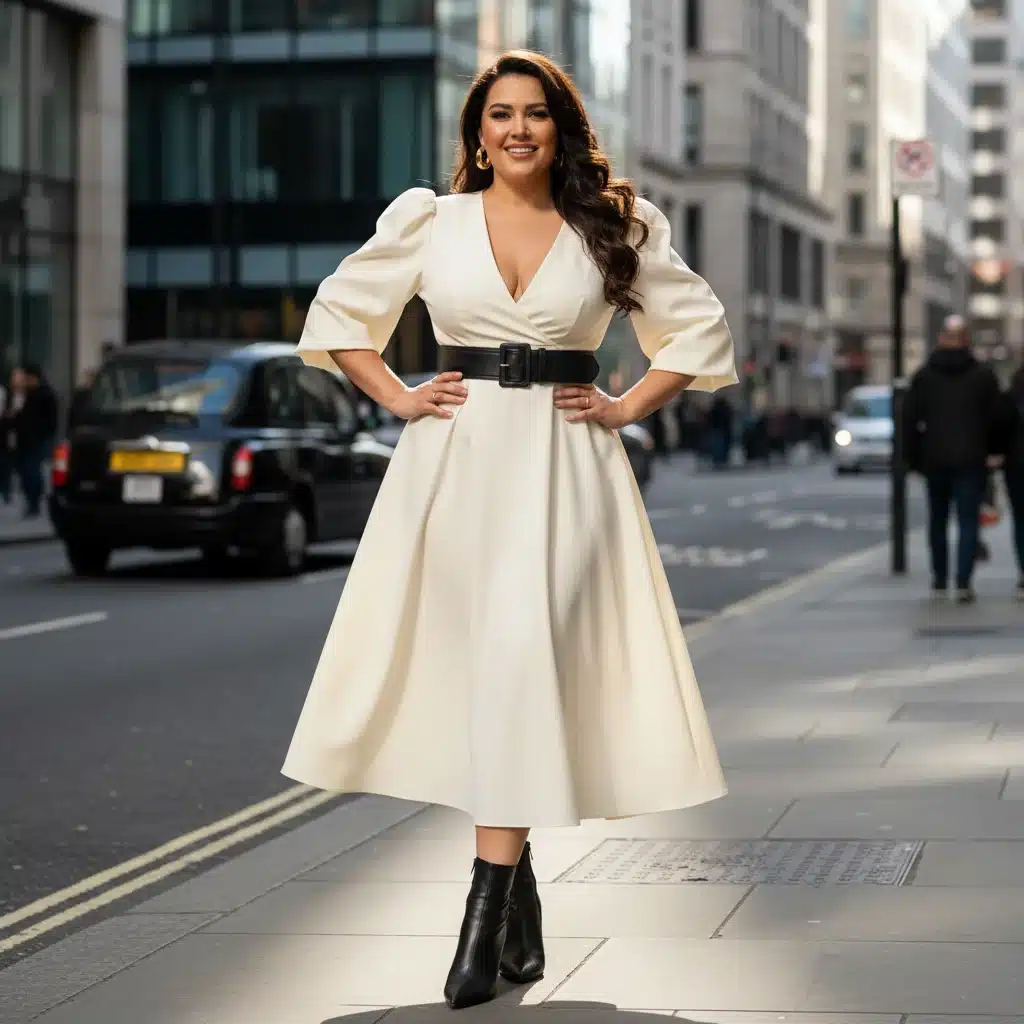
- Dresses: Wrap dresses, sheath dresses, and belted dresses are perfect for accentuating your waist. Form-fitting dresses that follow your natural curves will look stunning.
- Jackets & Outerwear: Tailored jackets, belted coats, and blazers that nip in at the waist will complement your figure.
- Fabrics: Draping fabrics that flow over your curves are ideal.
- Key Principle: Always emphasize your waist!
Dressing the Pear Shape
For pear shapes, the strategy is often to balance your wider hips by adding volume or attention to your upper body, while elongating your lower half.
- Tops: Opt for tops that draw the eye upwards. Bold prints, bright colors, statement sleeves, boat necks, cowl necks, and off-the-shoulder tops are fantastic. Layering with structured jackets or blazers can also add width to your shoulders.
- Bottoms: Darker colors and clean lines work best for your lower half. A-line skirts, bootcut, flare, or straight-leg trousers and jeans will balance your hips. Avoid overly tight or embellished bottoms that draw attention to the widest part of your hips.
- Dresses: A-line dresses, empire waist dresses, and dresses with embellished bodices are ideal.
- Jackets & Outerwear: Jackets that hit at the waist or just below the hip are good. Structured shoulders on blazers can help balance your silhouette.
- Fabrics: Stick to structured fabrics on top, and flowing, darker fabrics on the bottom.
- Key Principle: Highlight your upper body and define your waist, while creating a smooth line from the hips down.
Dressing the Inverted Triangle Shape
With an inverted triangle figure, your goal is to balance your broader upper body by adding volume and interest to your lower half, while creating definition at the waist.
- Tops: V-necks, scoop necks, and halter tops can help narrow the appearance of your shoulders. Avoid boat necks, off-the-shoulder tops, or tops with shoulder pads that add width. Darker colors on top can also be helpful.
- Bottoms: This is where you can have fun with volume! A-line skirts, full skirts, pleated skirts, wide-leg trousers, cargo pants, and printed or brightly colored bottoms are excellent choices.
- Dresses: A-line dresses, empire waist dresses, and dresses with full skirts or pleats are great. Look for dresses with a V-neck or halter neckline.
- Jackets & Outerwear: Open cardigans, unbuttoned blazers that fall below the hip, and jackets without prominent shoulder details are good.
- Fabrics: Flowing fabrics on top, and more structured or voluminous fabrics on the bottom.
- Key Principle: Minimize the upper body and add volume to the lower body.
Dressing the Rectangle Shape
For rectangle figures, the aim is to create the illusion of curves and define a waistline, breaking up the straight line of your silhouette.
- Tops: Ruffles, embellishments, and details around the bust or shoulders can add volume. Wrap tops, peplum tops, and belted tops will help create a waist. Scoop and sweetheart necklines are flattering.
- Bottoms: Skirts with volume like A-line, pleated, or ruffled skirts are great. Bootcut, flare, or wide-leg trousers and jeans can add curves to your lower body. Pockets or embellishments on hips can also create shape.
- Dresses: Empire waist dresses, A-line dresses, and wrap dresses are excellent. Dresses with ruching or belts at the waist will create definition.
- Jackets & Outerwear: Belted coats, tailored jackets that nip in at the waist, and structured blazers can add shape.
- Fabrics: Any fabrics that add texture or drape well can be beneficial.
- Key Principle: Create curves and define the waist using strategic detailing, belts, and cuts.
Dressing the Apple Shape
With an apple figure, the focus is on drawing attention away from the midsection, elongating the torso, and showcasing your fantastic legs and arms.
- Tops: V-necks, scoop necks, and empire waist tops or dresses are fantastic for elongating your upper body. Tunic tops, flowy blouses, and tops that skim over your midsection are ideal. Avoid tight-fitting tops that cling to your stomach.
- Bottoms: Straight-leg, bootcut, or flare jeans and trousers will balance your upper body and highlight your often-slender legs. A-line skirts or pencil skirts (if they don’t cling to your midsection) also work well.
- Dresses: Empire waist dresses, A-line dresses, shift dresses, and wrap dresses that create a V-neck are highly flattering. Look for dresses that skim over your midsection and fall gracefully.
- Jackets & Outerwear: Open cardigans, long blazers, and jackets that fall below the hip will create vertical lines and elongate your silhouette.
- Fabrics: Draping, flowing fabrics that don’t add bulk are best.
- Key Principle: Elongate the torso, draw attention to your décolletage and legs, and skim over the midsection.
Beyond the Categories: Essential 2026 Body Shape Dressing Principles
While understanding specific body shapes is a great starting point, truly mastering your style involves embracing broader principles of proportion, balance, and personal preference. These universal tips transcend specific body types and are crucial for anyone looking to elevate their wardrobe in 2026.
1. Focus on Proportion and Balance
The core of flattering fashion is creating visual balance. If you have broader shoulders, adding volume to your lower half balances your silhouette. If you have wider hips, drawing attention to your upper body achieves the same effect. Think of your body as a canvas where you’re aiming for harmonious lines and shapes. This isn’t about hiding anything, but about presenting your figure in the most aesthetically pleasing way possible. Understanding your body shape dressing goals helps you apply this principle effectively.
2. Emphasize Your Best Features
What do you love most about your body? Is it your collarbones, your décolletage, your toned arms, your long legs, or your defined waist? Use clothing to draw attention to these areas. A beautiful necklace can highlight your neck, a well-fitting top can showcase your bust, and a pair of perfectly tailored trousers can emphasize your legs. This positive approach to dressing is far more empowering than focusing on what you perceive as ‘flaws’.
3. Use Color and Print Strategically
- Darker Colors: Tend to recede and make areas appear smaller. Use them on areas you wish to de-emphasize.
- Lighter Colors & Brights: Tend to advance and make areas appear larger. Use them on areas you wish to highlight.
- Prints & Patterns: Bold prints draw attention. Use them on areas you want to showcase. Smaller, subtle prints can be used more universally.
- Vertical Lines: Elongate and slim.
- Horizontal Lines: Can broaden, but used strategically, can also create balance.
Strategic use of color and print is a powerful tool in your body shape dressing arsenal.
4. The Power of Undergarments
Never underestimate the impact of good foundation wear. A well-fitting bra can dramatically improve your silhouette, providing lift and support that affects how clothes sit on your upper body. Shapewear, when used appropriately, can smooth lines and provide gentle shaping, enhancing your natural curves without being restrictive. Invest in high-quality undergarments that make you feel comfortable and confident.
5. Fabric Choices Matter
The drape and texture of a fabric can significantly alter how a garment looks on your body. Stiffer fabrics like denim or heavy cotton can hold shape and add structure. Flowing fabrics like silk, rayon, or soft knits will drape beautifully over curves. Consider how the fabric will move and lay on your body when making selections. Avoid fabrics that cling unflatteringly to areas you prefer to skim over.
6. Tailoring is Your Secret Weapon
Even the most expensive garment won’t look good if it doesn’t fit properly. Tailoring can transform an ‘okay’ outfit into an ‘amazing’ one. Hemming trousers, taking in a waist, or adjusting sleeve length can make a world of difference. A good tailor is an invaluable resource for anyone serious about elevating their style and maximizing their body shape dressing efforts.
7. Embrace Your Personal Style
Ultimately, body shape dressing is a guide, not a dictator. Your personal style, comfort, and confidence are paramount. Don’t feel obligated to follow every rule if it doesn’t resonate with you. Experiment, have fun, and discover what makes you feel fantastic. The best outfit is always the one you feel great in, regardless of what any ‘rules’ might say. Use these guidelines as a foundation, then infuse them with your unique personality and preferences.
2026 Trends and Body Shape Dressing: How to Adapt
As we move through 2026, fashion trends continue to evolve, blending sustainability, comfort, and individual expression. Here’s how to integrate current trends while still dressing for your body shape:
- Oversized Silhouettes: While popular, oversized doesn’t mean shapeless. For hourglass and pear shapes, ensure you still define your waist with a belt or by pairing an oversized top with fitted bottoms. Inverted triangles can embrace oversized bottoms, while rectangles can use layering to create shape under oversized pieces. Apples can opt for oversized tunics that skim the body rather than engulf it.
- Sustainable Fabrics: Prioritize natural fibers like organic cotton, linen, and Tencel. These often have beautiful drapes that are universally flattering.
- Bold Colors & Prints: Don’t shy away from vibrant hues or striking patterns. Apply the principle of using them on areas you wish to highlight.
- Athleisure Integration: The line between activewear and everyday fashion continues to blur. Look for tailored joggers, stylish sneakers, and elevated hoodies that can be incorporated into your body shape dressing strategy without sacrificing comfort.
- Vintage & Upcycled Fashion: Embrace unique pieces from different eras. Learn to identify cuts and styles that historically flattered your body shape. A good tailor can always make adjustments to ensure a perfect fit.
The key is adaptability. No trend is off-limits if you understand how to adapt it to your unique figure. It’s about smart styling, not trend slavishness.
Common Body Shape Dressing Myths Debunked
There are many misconceptions circulating about body shapes and dressing. Let’s debunk a few common ones:
- Myth: You must hide your ‘flaws’.
Reality: The modern approach is about celebrating your body and highlighting your best features, not concealing parts of yourself. Every body is beautiful and unique. - Myth: Only certain body shapes are ‘ideal’.
Reality: Beauty standards are constantly changing and are inherently subjective. All body shapes are equally valid and beautiful. The goal of body shape dressing is to empower you, not to conform to an outdated ideal. - Myth: You can change your body shape with clothes.
Reality: Clothes can create illusions and enhance proportions, but they don’t fundamentally change your body. Embrace your natural shape and dress to complement it. - Myth: You can never wear certain styles if you have a particular body shape.
Reality: While some styles might be ‘easier’ for certain shapes, with clever styling, fabric choice, and tailoring, almost any trend can be adapted. It’s about how you wear it, not if you can wear it.
Building a Confident Wardrobe: Your 2026 Action Plan
Now that you’re armed with knowledge, here’s an action plan to put your body shape dressing insights into practice:
- Re-evaluate Your Wardrobe: Go through your closet with your body shape in mind. Identify pieces that truly flatter you and those that don’t. Be honest with yourself.
- Create a ‘Love It’ List: Make a list of your favorite features and the types of clothing that make you feel amazing. This will guide future purchases.
- Invest in Key Pieces: Start building a collection of versatile, well-fitting basics that align with your body shape. This includes good quality tops, bottoms, and outerwear.
- Experiment with Accessories: Belts, scarves, and jewelry can be powerful tools to define a waist, draw attention upwards, or add interest to an outfit.
- Seek Inspiration: Look for fashion influencers or celebrities with similar body shapes to yours and observe how they style themselves. Adapt their ideas to your personal taste.
- Don’t Be Afraid to Tailor: Make friends with a good tailor. It’s an investment that pays dividends in confidence and style.
- Practice Self-Compassion: Styling is a journey, not a destination. There will be days when outfits don’t quite work. Be kind to yourself and enjoy the process of discovering your unique style.
Conclusion: Embrace Your Unique Silhouette in 2026
Mastering body shape dressing in 2026 is about more than just looking good; it’s about feeling good. It’s about understanding your unique proportions, making informed fashion choices, and ultimately, embracing and celebrating your individuality. By applying the principles outlined in this guide, you’ll not only build a more functional and stylish wardrobe but also cultivate a deeper sense of self-confidence and body positivity.
Remember, fashion is a powerful tool for self-expression. Use these insights not as a set of rigid rules, but as a flexible framework to guide your choices. Experiment, have fun, and let your personal style shine through. Your body is a masterpiece, and with the right knowledge, you can dress it in a way that truly reflects its beauty and your inner confidence. Here’s to a stylish and empowered you in 2026 and beyond!