
The Latest in Price Tracking: Comparing 4 Top US Tools to Ensure You Never Overpay for Products in 2026
In the dynamic world of online shopping, prices can fluctuate wildly, sometimes on a daily, or even hourly, basis. For the savvy consumer, this presents both a challenge and an opportunity. The challenge lies in navigating this volatile landscape to ensure you’re always getting the best deal. The opportunity, however, is immense: with the right strategies and, more importantly, the right price tracking tools, you can save hundreds, if not thousands, of dollars annually on your purchases. As we look ahead to 2026, the technology behind price tracking has evolved, offering more sophisticated features, broader coverage, and enhanced user experiences. This comprehensive guide will delve into the leading price tracking tools available in the US, providing an in-depth comparison to help you make informed decisions and transform your shopping habits.
The digital marketplace is a battlefield of discounts, flash sales, and ever-changing prices. Without a reliable mechanism to monitor these shifts, consumers are often left to chance, potentially missing out on significant savings. This is where dedicated price tracking tools become indispensable. They act as your personal shopping assistant, diligently watching prices across various retailers and alerting you the moment a desired item drops to your target price. But with a plethora of options available, how do you choose the one that best suits your needs? Our analysis will focus on four prominent tools that have consistently proven their worth in the US market, examining their functionalities, strengths, weaknesses, and unique selling propositions.
Why Price Tracking is More Critical Than Ever in 2026
The retail landscape in 2026 is characterized by increasing competition, personalized pricing algorithms, and an abundance of product choices. E-commerce giants and smaller retailers alike are constantly adjusting their prices based on demand, inventory, competitor actions, and even individual browsing history. This complex environment makes manual price checking an almost impossible task for consumers. Relying on guesswork or occasional checks is simply no longer sufficient to guarantee optimal purchasing decisions. Effective price tracking tools offer a strategic advantage, empowering consumers to:
- Avoid Buyer’s Remorse: There’s nothing worse than buying an item only to see its price drop significantly days later. Price trackers eliminate this frustration by ensuring you buy at the lowest possible point.
- Maximize Savings: Consistent use of these tools can lead to substantial savings over time, especially on big-ticket items or frequent purchases.
- Shop Smarter, Not Harder: Instead of spending hours scouring different websites, you can set up alerts and let the tools do the heavy lifting.
- Capitalize on Sales and Promotions: Many tools can identify historical price trends, helping you predict when an item is likely to go on sale again.
- Make Informed Decisions: Access to historical price data provides valuable insights into whether a current ‘deal’ is truly a good value or just clever marketing.
The evolution of AI and machine learning has further enhanced the capabilities of modern price tracking tools, allowing for more accurate predictions, personalized recommendations, and seamless integration across various platforms. Understanding these advancements is key to leveraging them effectively for your financial benefit.
Key Features to Look for in a Price Tracking Tool
Before diving into specific tools, it’s essential to understand what constitutes a robust and effective price tracker. Not all tools are created equal, and their utility often depends on the features they offer. When evaluating price tracking tools, consider the following:
- Browser Extension: A seamless integration with your web browser (Chrome, Firefox, Edge, etc.) allows for easy price checking directly on product pages.
- Email/Push Notifications: Timely alerts are crucial. The ability to receive notifications via email, in-app, or push notifications ensures you don’t miss a price drop.
- Historical Price Charts: This feature is invaluable for understanding price volatility and identifying genuine dips versus temporary fluctuations.
- Retailer Coverage: The more online stores a tool monitors, the more comprehensive its price tracking capabilities will be. Look for tools that cover major retailers like Amazon, Walmart, Target, Best Buy, etc.
- Price Prediction: Advanced tools might offer insights into future price movements, though this is often an educated guess based on historical data.
- Product Compatibility: Ensure the tool supports the types of products you typically buy (e.g., electronics, apparel, groceries, home goods).
- User Interface and Ease of Use: A cluttered or complicated interface can deter regular use. Intuitive design is a significant plus.
- Mobile App: For on-the-go tracking and notifications, a dedicated mobile application is highly beneficial.
- Integration with Wishlists/Shopping Lists: The ability to import or create shopping lists within the tool streamlines the tracking process.
- Privacy and Security: Especially important if you’re sharing shopping data or linking accounts.
Comparing 4 Top US Price Tracking Tools for 2026
Now, let’s explore some of the most effective and popular price tracking tools available to US consumers in 2026. Each offers a unique set of features and caters to slightly different user preferences.
1. Keepa (Primarily for Amazon)
Overview: While not exclusively a US tool, Keepa is arguably the gold standard for Amazon price tracking globally, and its capabilities for US Amazon shoppers are unparalleled. It’s a robust platform that provides incredibly detailed historical price data, sales rank information, and comprehensive alert options.
Key Features:
- Extensive Historical Price Charts: Keepa displays highly granular price history for millions of Amazon products, including Amazon’s own price, third-party sellers (new and used), and even Lightning Deals. This is its standout feature.
- Browser Extension: Its powerful browser extension integrates directly onto Amazon product pages, showing interactive price charts and allowing for immediate price alerts.
- Customizable Price Drop Alerts: Set alerts for specific price points, percentage drops, or when an item becomes available from a specific seller.
- Sales Rank Tracking: Useful for understanding product popularity and demand.
- Wishlist Import: Easily import your Amazon wishlists for tracking.
- Product Finder and Deals Section: Discover products with significant price drops or historical low prices.
Pros:
- Unmatched depth of Amazon price data.
- Highly customizable alerts.
- Excellent for serious Amazon shoppers and deal hunters.
- Free version offers substantial functionality; paid version (premium) unlocks even more data and features.
Cons:
- Interface can be intimidating for new users due to its data-rich nature.
- Primarily focused on Amazon, so not ideal for tracking across a wide range of other retailers.
- The free version has some limitations on historical data access.
Best For: Dedicated Amazon shoppers, FBA sellers, and anyone who wants the most comprehensive price history and alert system for Amazon products.
2. CamelCamelCamel (Primarily for Amazon)
Overview: Often considered Keepa’s friendly, slightly less complex cousin, CamelCamelCamel is another powerhouse for Amazon price tracking tools. It’s renowned for its simplicity, ease of use, and effective price drop alerts, making it a favorite for many casual and serious Amazon shoppers alike.
Key Features:
- Clean Historical Price Charts: Provides easy-to-understand graphs showing Amazon’s price, third-party new, and third-party used prices.
- Browser Extension (Camelizer): A straightforward extension that displays price history directly on Amazon product pages.
- Email Price Alerts: Set up alerts to be notified when a product reaches your desired price.
- Price Watch List: Create and manage a list of products you’re tracking.
- Top Price Drops: Highlights significant price drops on Amazon, helping users discover deals.
Pros:
- Completely free to use.
- Very user-friendly and intuitive interface.
- Reliable and accurate Amazon price tracking.
- Excellent for basic to intermediate Amazon price monitoring.
Cons:
- Limited to Amazon.
- Doesn’t offer the same depth of data or advanced features as Keepa (e.g., sales rank).
- Alert options are less granular than some competitors.
Best For: Amazon shoppers who want a free, simple, and effective tool to track prices and receive alerts without being overwhelmed by excessive data.
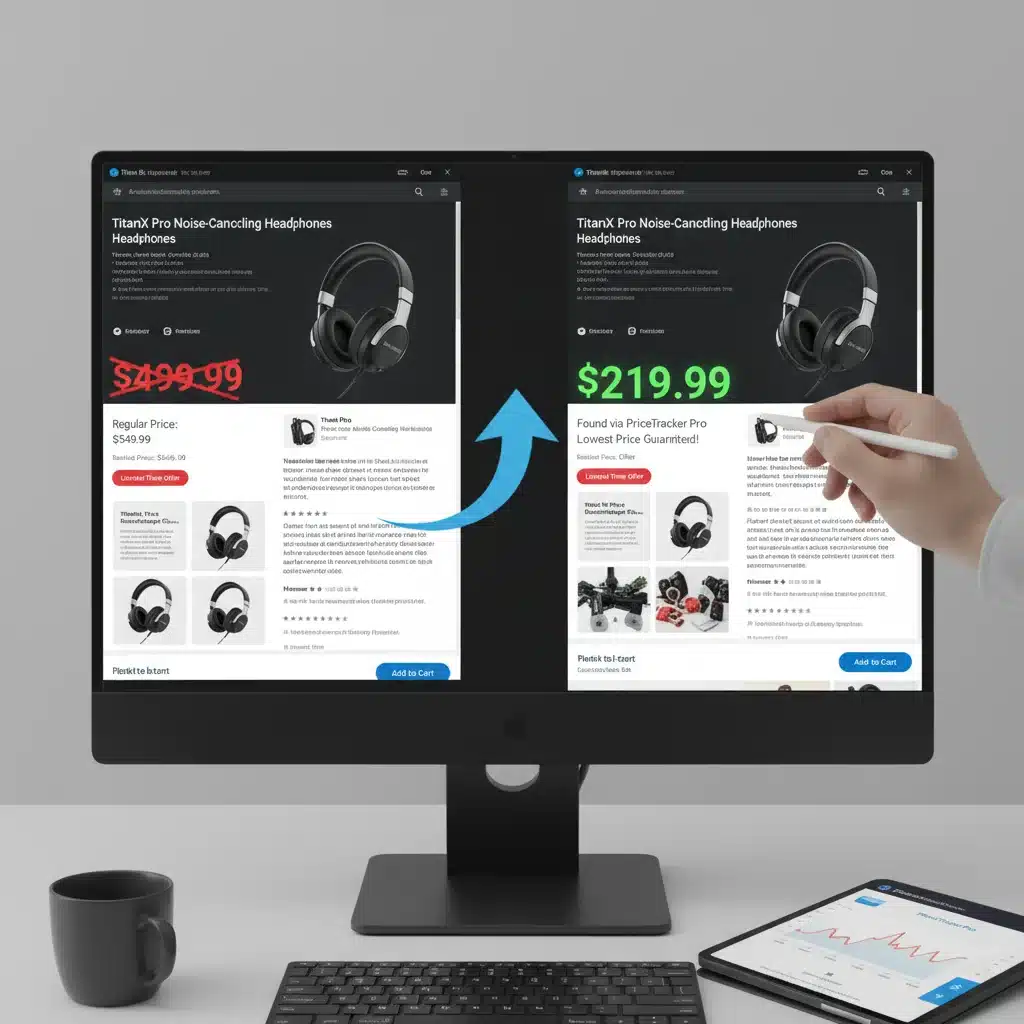
3. Honey (Browser Extension for Multiple Retailers)
Overview: Honey, now part of PayPal, has evolved beyond just coupon finding to become a comprehensive shopping assistant that includes robust price tracking tools for a wide array of US retailers. Its strength lies in its multi-faceted approach to saving money, combining coupons, rewards, and price monitoring.
Key Features:
- Droplist Feature: Add items to your Droplist, and Honey will notify you if the price drops at any of the supported retailers.
- Price History: While not as detailed as Amazon-specific trackers, Honey provides some historical price data for many products.
- Automatic Coupon Application: Scans and applies the best available coupons at checkout.
- Honey Gold Rewards: Earn rewards points on purchases at participating stores, redeemable for gift cards.
- Universal Coverage: Works across thousands of online stores, including major US retailers like Walmart, Target, Best Buy, Macy’s, and many more.
- Seamless Browser Extension: Integrates directly into your browser, making it incredibly easy to use while shopping.
Pros:
- Covers a vast number of retailers beyond Amazon.
- Combines price tracking with coupon finding and rewards, offering multiple ways to save.
- Very user-friendly and automated.
- Free to use.
Cons:
- Price history data can be less comprehensive or granular compared to specialized tools like Keepa for Amazon.
- Notifications might not be as immediate or customizable for price drops as dedicated trackers.
- Relies on a browser extension, so less standalone app functionality for tracking.
Best For: General online shoppers who want an all-in-one tool to save money across various retailers, leveraging both price drops and coupon codes effortlessly.
4. PriceBlink (Browser Extension for Multiple Retailers)
Overview: PriceBlink is a smart browser add-on designed to automatically compare prices and find coupons for products you view online. It’s particularly useful for discovering if a better deal exists on the same product at a different retailer, making it a powerful addition to your price tracking tools arsenal.
Key Features:
- Automatic Price Comparison: When you view a product on a supported site, PriceBlink instantly checks hundreds of other retailers to see if it’s available for a lower price.
- Coupon Finder: Displays available coupon codes for the store you’re visiting or for stores selling the product you’re viewing.
- Price Alert System: Allows you to set up alerts for specific products, notifying you when their price drops.
- Product Reviews: Often integrates reviews from various sources to help with purchasing decisions.
- Wide Retailer Coverage: Supports a broad range of US and international retailers.
Pros:
- Excellent for real-time price comparisons across multiple stores.
- Combines price comparison with coupon finding.
- Lightweight and unobtrusive browser extension.
- Free to use.
Cons:
- Historical price data is less emphasized compared to pure price trackers.
- Alert system might not be as robust or feature-rich as dedicated price trackers.
- Primarily functions as a browser extension, without a standalone app for managing tracked items.
Best For: Shoppers who prioritize finding the absolute lowest price across different retailers at the moment of purchase, and who appreciate integrated coupon discovery.
How to Integrate Price Tracking into Your Shopping Routine
Having the best price tracking tools is only half the battle; the other half is effectively integrating them into your shopping routine. Here’s a step-by-step guide to becoming a master deal-finder:
- Install Browser Extensions: For tools like Keepa, CamelCamelCamel, Honey, and PriceBlink, the browser extension is your primary interface. Install them on your preferred browser (Chrome, Firefox, Edge, etc.) to ensure they’re always active when you browse e-commerce sites.
- Set Up Price Alerts Proactively: Don’t wait until you need to buy something. If you know you’ll need a new appliance, gadget, or even clothing item in the future, start tracking it now. Add items to your wishlists or specific tracking lists within the tools.
- Define Your Target Price: When setting an alert, don’t just ask for ‘any’ price drop. Research the item’s historical low using the tools’ charts and set a realistic target price that represents a genuine saving.
- Combine Tools for Maximum Impact: For instance, use Keepa or CamelCamelCamel for Amazon-specific tracking, and Honey or PriceBlink for broader retailer coverage and coupon finding. This multi-tool approach ensures you catch deals from all angles.
- Check Historical Data Before Buying: Even if you see a ‘sale’ price, always consult the historical price charts. This will tell you if the current discount is truly exceptional or just a minor fluctuation. A 50% off sale might not be a deal if the item was regularly priced at that ‘sale’ price a few months ago.
- Utilize Mobile Apps: If a tool offers a mobile app, download it. This allows you to receive notifications on the go and manage your tracked items from anywhere, ensuring you never miss a time-sensitive deal.
- Review Notifications Regularly: Don’t let price drop alerts pile up. Review them promptly to act on good deals before they expire.
- Consider Price Prediction Features: Some advanced price tracking tools offer predictive analytics. While not foolproof, these can offer valuable insights into when an item is most likely to see a significant price drop.
Beyond the Tools: Smart Shopping Strategies for 2026
While price tracking tools are incredibly powerful, they are most effective when combined with broader smart shopping strategies. Here are some additional tips for navigating the 2026 retail landscape:
- Clear Your Cookies and Browse Incognito: Some retailers use dynamic pricing based on your browsing history. Clearing cookies or browsing in incognito mode can sometimes present you with different (and potentially lower) prices.
- Abandon Your Cart: Occasionally, leaving items in your online shopping cart for a day or two can trigger an email from the retailer offering a discount to complete the purchase.
- Sign Up for Email Newsletters (Strategically): Many stores offer a first-time purchase discount for signing up for their newsletter. Use a secondary email address to avoid spam.
- Leverage Credit Card Rewards and Cashback: Stack your savings by using credit cards that offer cashback or rewards points on your purchases.
- Shop During Key Sales Events: Black Friday, Cyber Monday, Prime Day, and seasonal clearance sales remain prime opportunities for significant discounts. Use your price trackers to monitor items before and during these events.
- Read Reviews and Compare Products: Don’t just focus on price. Ensure the product meets your needs and has positive reviews to avoid buyer’s remorse, even if you got a great deal.
- Understand Return Policies: Familiarize yourself with a retailer’s return policy, especially when buying sale items, in case the product doesn’t meet expectations.

The Future of Price Tracking: What to Expect
As technology continues to advance, so too will the sophistication of price tracking tools. We can anticipate several key developments in the coming years:
- More Predictive Analytics: AI and machine learning will become even more adept at forecasting price movements, offering highly accurate recommendations on when to buy.
- Voice-Activated Tracking: Integration with smart assistants (Alexa, Google Assistant) could allow users to simply speak a product name to begin tracking its price.
- Augmented Reality (AR) Shopping: Imagine pointing your phone at a product in a physical store and instantly seeing its online price history and comparisons.
- Personalized Deal Aggregation: Tools will likely become even better at understanding individual shopping habits and preferences, curating highly personalized deal feeds.
- Subscription-Based Premium Features: As features become more advanced, some premium functionalities might move towards subscription models, offering enhanced data or exclusive early access to deals.
- Broader Global Coverage: While this guide focuses on US tools, the trend towards global e-commerce will likely lead to more integrated international price tracking capabilities.
These future enhancements will further empower consumers, making smart shopping an even more intuitive and rewarding experience. Staying abreast of these technological shifts will be crucial for maintaining your edge as a savvy shopper.
Conclusion: Empowering Your Purchases with Price Tracking Tools
In conclusion, the landscape of online retail in 2026 demands a proactive approach to shopping. By leveraging the power of advanced price tracking tools like Keepa, CamelCamelCamel, Honey, and PriceBlink, US consumers can confidently navigate price fluctuations, secure the best deals, and significantly reduce their overall spending. These tools are no longer a luxury but a necessity for anyone serious about saving money and making intelligent purchasing decisions.
Whether you’re an Amazon enthusiast who needs granular data, a general online shopper looking for comprehensive savings, or someone who prioritizes real-time price comparisons, there’s a tool (or combination of tools) perfectly suited for your needs. Embrace these technologies, integrate them into your daily shopping habits, and watch your savings grow. The era of overpaying is over; the future of smart, informed shopping is here, powered by the best price tracking tools available.