US Sales Tax Changes 2026: Online Shopper’s Guide to New Rules
Understanding US Sales Tax Changes in 2026: What Every Online Shopper Needs to Know
The world of online shopping is constantly evolving, and with it, the regulations that govern our purchases. One of the most significant areas of change is sales tax. As we approach 2026, a series of anticipated shifts in US sales tax policies are set to impact how consumers pay for their online goods and services. For the savvy online shopper, staying informed about these impending changes is not just about avoiding surprises; it’s about making smarter purchasing decisions and understanding the true cost of their transactions. This comprehensive guide will delve into the expected US sales tax changes in 2026, offering insights into what’s new, why it’s happening, and how you can prepare.
Sales tax, a consumption tax levied by state and local governments on the sale of goods and services, has historically been a complex patchwork across the United States. With the rise of e-commerce, the traditional brick-and-mortar rules have been challenged, leading to a continuous re-evaluation of tax nexus, collection responsibilities, and taxability of various digital and physical products. The year 2026 is poised to bring further clarity, or perhaps new layers of complexity, to this crucial aspect of online commerce. Whether you’re a frequent online buyer or an occasional browser, understanding these updates is essential for navigating the digital marketplace effectively.
The Evolving Landscape of US Sales Tax: A Brief History and Future Outlook
To fully grasp the significance of the US sales tax changes in 2026, it’s helpful to briefly look at how we got here. For decades, sales tax collection was largely dictated by the physical presence rule, meaning businesses only had to collect sales tax in states where they had a physical location. This created a competitive advantage for out-of-state online retailers, who often didn’t charge sales tax, making their prices appear lower than local businesses.
Advertisements
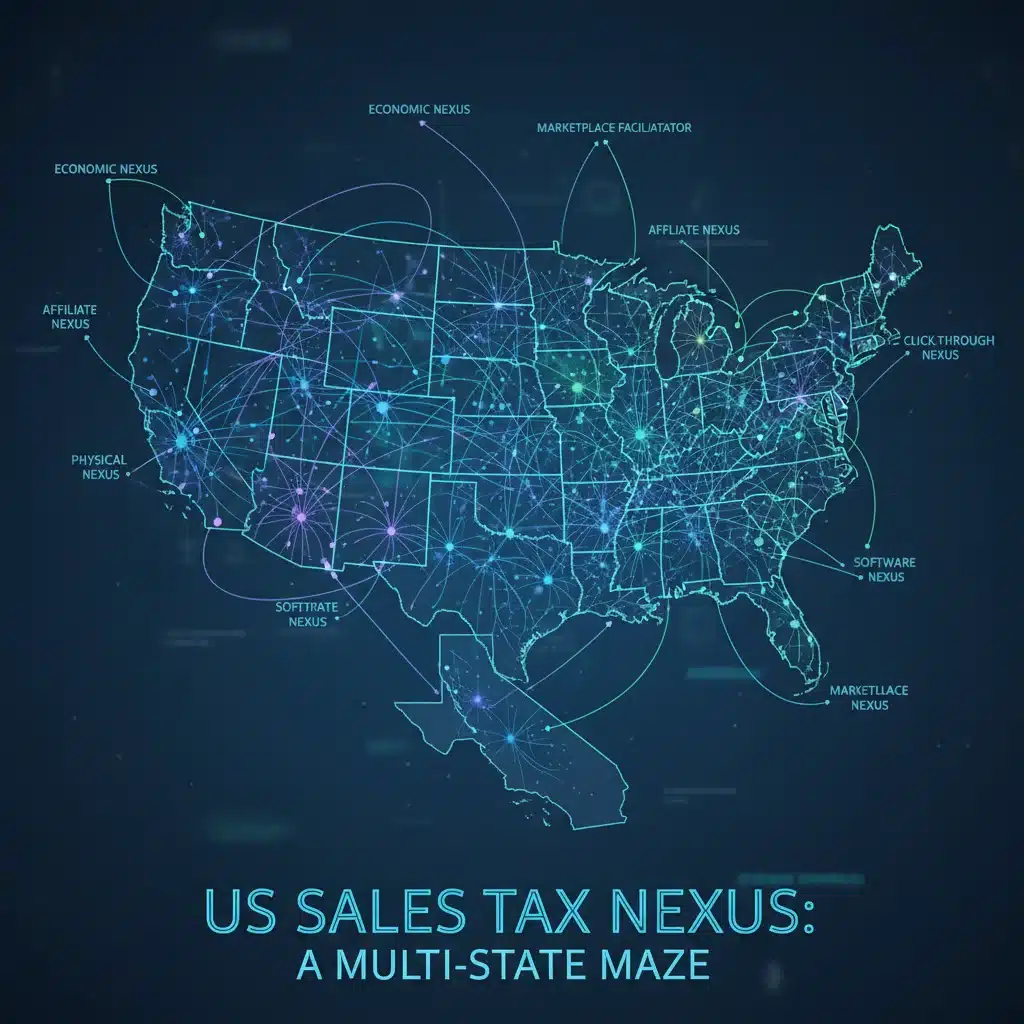
The landscape dramatically shifted with the 2018 Supreme Court decision in South Dakota v. Wayfair, Inc. This landmark ruling overturned the physical presence standard, allowing states to require out-of-state sellers to collect sales tax based on economic nexus – a significant volume of sales or transactions within a state, regardless of physical presence. Since Wayfair, nearly all states with a sales tax have implemented economic nexus laws, leading to a more level playing field but also increased complexity for businesses and, by extension, consumers.
Looking ahead to 2026, the ongoing efforts to standardize and simplify sales tax collection, alongside states’ continuous pursuit of revenue, are driving further legislative and regulatory actions. We might see more states refining their economic nexus thresholds, expanding the definition of what constitutes a taxable good or service, and potentially even federal discussions on a more unified approach to interstate sales tax collection. These potential developments form the core of the anticipated US sales tax changes in 2026.
Key Areas of Anticipated US Sales Tax Changes in 2026
While specific legislative details are still emerging and can vary by state, several broad trends and potential changes are on the horizon for US sales tax in 2026. Online shoppers should pay close attention to these areas:
1. Refined Economic Nexus Thresholds and Enforcement
Post-Wayfair, states set various thresholds for economic nexus (e.g., $100,000 in sales or 200 transactions annually). As states gain more experience with these rules, 2026 might see:
- Adjustments to thresholds: Some states may lower their thresholds to capture more out-of-state sellers, while others might simplify them.
- Stricter enforcement: Tax authorities are becoming more sophisticated in identifying non-compliant sellers. This means fewer online retailers will be able to avoid collecting sales tax, leading to more purchases being taxed.
- Marketplace Facilitator Laws: Most states already have laws requiring online marketplaces (like Amazon, eBay, Etsy) to collect and remit sales tax on behalf of third-party sellers using their platforms. We may see further refinements or expansions of these laws, ensuring that virtually all transactions facilitated by major platforms include sales tax.
2. Expansion of Taxable Goods and Services
Traditionally, sales tax primarily applied to tangible personal property. However, the digital economy has blurred these lines. Expect further expansion in what states consider taxable:
- Digital Products: More states are likely to clarify or expand the taxation of digital goods (e.g., e-books, downloadable software, music files) and digital services (e.g., streaming subscriptions, online courses, cloud computing services). What was once considered exempt might become taxable.
- Software as a Service (SaaS): The taxation of SaaS remains a complex area. More states are expected to provide clearer guidance or introduce new legislation to tax SaaS subscriptions, impacting consumers who use various online tools and platforms.
- Services: While most services are generally exempt from sales tax, some states tax specific services. We could see an expansion of taxable services, particularly those related to digital offerings or those that replace traditional tangible goods.
3. Focus on Remote Work and Sourcing Rules
The rise of remote work has introduced new complexities for sales tax, particularly concerning where a service is consumed or where a digital product is delivered. States might refine their sourcing rules to better address these scenarios, which could impact the sales tax rate applied to certain transactions, especially for subscription-based services that can be accessed from anywhere.
The US sales tax changes in 2026 are poised to bring further clarity, or perhaps new layers of complexity, to this crucial aspect of online commerce. Whether you’re a frequent online buyer or an occasional browser, understanding these updates is essential for navigating the digital marketplace effectively.
4. Potential for Interstate Sales Tax Simplification Efforts
While a federal sales tax is unlikely, there’s always ongoing discussion about simplifying interstate sales tax collection. The Streamlined Sales and Use Tax Agreement (SSUTA) is one such effort, aiming to simplify sales tax administration for businesses that sell into multiple states. While not all states are members, 2026 could see renewed efforts or new initiatives to encourage broader adoption or introduce alternative simplification measures, potentially leading to more uniform rules for consumers.
The Economic Impact of US Sales Tax Changes in 2026 on Online Shoppers
These anticipated US sales tax changes in 2026 are not merely bureaucratic adjustments; they have tangible economic implications for online shoppers:
Increased Costs for Consumers
The most direct impact is the potential for higher overall costs. As more sellers collect tax, and as more types of goods and services become taxable, consumers will see sales tax applied to a broader range of purchases. This means the final price of items in your online cart could be higher than what you’re used to.
Reduced Price Discrepancies
The ‘tax-free’ advantage of buying from out-of-state online retailers is largely a thing of the past. The ongoing evolution of sales tax laws means that price discrepancies based solely on sales tax avoidance will diminish further. This creates a more level playing field for all retailers, but it also means consumers can expect to pay sales tax almost universally on online purchases.
Greater Transparency (Eventually)
While initial adjustments can be frustrating, the long-term goal of many tax reforms is greater transparency. As sales tax collection becomes more standardized and comprehensive, consumers will have a clearer understanding of the true cost of their purchases upfront, reducing surprises at checkout. Online retailers are also likely to improve their tax calculation and display mechanisms.
Impact on Budgeting and Spending Habits
For budget-conscious shoppers, factoring in sales tax will become even more critical. Consumers may need to adjust their budgeting for online purchases, recognizing that the advertised price is rarely the final price. This could subtly influence spending habits, encouraging more mindful consumption.
How to Prepare for the US Sales Tax Changes in 2026
As an online shopper, you have a proactive role to play in navigating these impending changes. Here’s how you can prepare:
1. Stay Informed and Monitor State Tax Websites
The most crucial step is to stay updated. Follow reputable financial news sources, tax blogs, and official state revenue department websites for the states where you frequently shop or reside. Tax laws are dynamic, and specific details will emerge closer to 2026. Sign up for newsletters from e-commerce platforms or tax compliance services if they offer consumer-facing updates.
2. Understand Your State’s Sales Tax Rules
Familiarize yourself with the sales tax rates and rules in your own state, as well as any states where you might have recurring subscriptions or make significant purchases. Key things to know include:
- Your state’s general sales tax rate.
- Whether your state taxes digital products or specific services you use.
- Any local sales taxes that might apply in your area.
3. Review Your Subscriptions and Digital Purchases
With the expected expansion of taxable digital goods and services, now is a good time to review your recurring subscriptions (streaming services, software, online memberships). Understand if and how sales tax is currently applied, and anticipate potential increases in 2026. Some providers might update their terms and pricing to reflect new tax obligations.
4. Factor Sales Tax into Your Budget
When planning online purchases, always assume sales tax will be applied. Instead of just looking at the advertised price, mentally (or actually) add the appropriate sales tax percentage for your location. This will prevent sticker shock at checkout and help you budget more accurately.
5. Check Checkout Pages Carefully
Before finalizing any online purchase, always review the order summary carefully. Pay attention to the line item for ‘Tax’ or ‘Sales Tax.’ This is where you’ll see the exact amount being charged. If you have questions about why tax is being applied (or not applied), many retailers provide links to their tax policies or customer service.
6. Keep Records of Purchases
While generally not required for individual consumers for sales tax purposes (unless you’re self-reporting use tax), keeping records of significant online purchases can be good practice. This is particularly true for large items or if you ever need to dispute a charge or tax calculation.
The Role of Technology and E-commerce Platforms
E-commerce platforms and online retailers play a critical role in mediating these US sales tax changes in 2026 for consumers. Modern platforms utilize sophisticated tax calculation engines that automatically determine the correct sales tax based on the buyer’s shipping address, the seller’s nexus, and the taxability of the product. As tax laws evolve, these systems are continuously updated.
Marketplace facilitators, in particular, bear a significant responsibility. If you’re buying from a third-party seller on a large platform like Amazon or eBay, the platform itself is usually responsible for calculating, collecting, and remitting the sales tax. This simplifies the process for both the seller and the buyer, as the tax is handled seamlessly in the background.
For consumers, this means that while the underlying tax laws are complex, the actual experience of paying sales tax online should remain relatively straightforward, as long as retailers and platforms keep their systems up-to-date. However, it’s still wise to double-check the final amount before completing your purchase.
Understanding Use Tax: Your Responsibility as a Consumer
It’s important to briefly touch upon ‘use tax,’ the lesser-known cousin of sales tax. If you purchase an item online from a retailer that does not collect sales tax (which is becoming increasingly rare but can still happen, especially with smaller sellers or specific types of transactions), you, as the consumer, are legally obligated to pay ‘use tax’ to your state. Use tax is essentially sales tax on purchases where the seller didn’t collect it.
Most states have a line on their individual income tax returns to report and pay use tax. While many consumers are unaware of this obligation or choose not to comply, it’s a legal requirement. As US sales tax changes in 2026 lead to more widespread collection by sellers, the instances where consumers need to self-report use tax will likely continue to decrease, but it’s a good concept to be aware of.

The Future of Online Shopping and Sales Tax
The journey towards a fully harmonized and simplified sales tax system in the US is ongoing and complex. The US sales tax changes in 2026 represent another significant step in this evolution. For online shoppers, this means a continued trend towards paying sales tax on almost all purchases, regardless of where the seller is located or the nature of the product (physical or digital).
While it might seem like an added cost, the underlying principle is to ensure fairness among businesses and to provide essential revenue for state and local governments to fund public services. By being informed and prepared, online shoppers can continue to enjoy the convenience and variety of e-commerce without being caught off guard by evolving tax regulations.
Conclusion: Navigating the New Tax Terrain
The anticipated US sales tax changes in 2026 underscore the dynamic nature of tax legislation in the digital age. For online shoppers, these updates translate into a more consistent application of sales tax across various purchases, potentially expanding to more digital goods and services. While this might mean slightly higher final costs for some transactions, it also brings greater clarity and a more level playing field for all retailers.
By proactively understanding these changes, monitoring official updates, and adjusting your budgeting and shopping habits, you can navigate the evolving tax landscape with confidence. The future of online shopping will continue to integrate sales tax as a standard component of the purchase price, making informed consumerism more important than ever. Stay vigilant, stay informed, and happy shopping!