Uncovering the True Cost: How ‘Free Shipping’ Impacts Your Online Orders
In the vast and ever-expanding landscape of online shopping, few phrases are as alluring as "free shipping." It’s a siren song that beckons consumers, promising savings and convenience, often influencing purchasing decisions more than any other factor. But how "free" is free shipping, really? In an economy where every penny counts, understanding the true financial implications behind this ubiquitous marketing tactic is crucial for savvy online shoppers. This comprehensive guide will delve into the hidden costs of free shipping, equip you with the tools to calculate your true savings, and empower you to make more informed purchasing decisions.
The Illusion of ‘Free Shipping’: Unmasking the Hidden Costs
The term "free shipping" is a masterclass in psychological marketing. It leverages our innate desire for a good deal, making us feel like we’re getting something for nothing. However, in the world of commerce, nothing is truly free. Businesses operate to generate profit, and the cost of shipping – whether it’s for a tiny trinket or a bulky appliance – is a very real expense. So, if you’re not paying for it directly, who is? The answer, more often than not, is you, the consumer, just in a less obvious way.
Understanding How Businesses Absorb ‘Free Shipping’ Costs
Retailers employ several strategies to cover the expense of shipping while still advertising it as "free." Recognizing these methods is the first step to discerning the actual financial impact on your wallet:
1. Inflated Product Prices
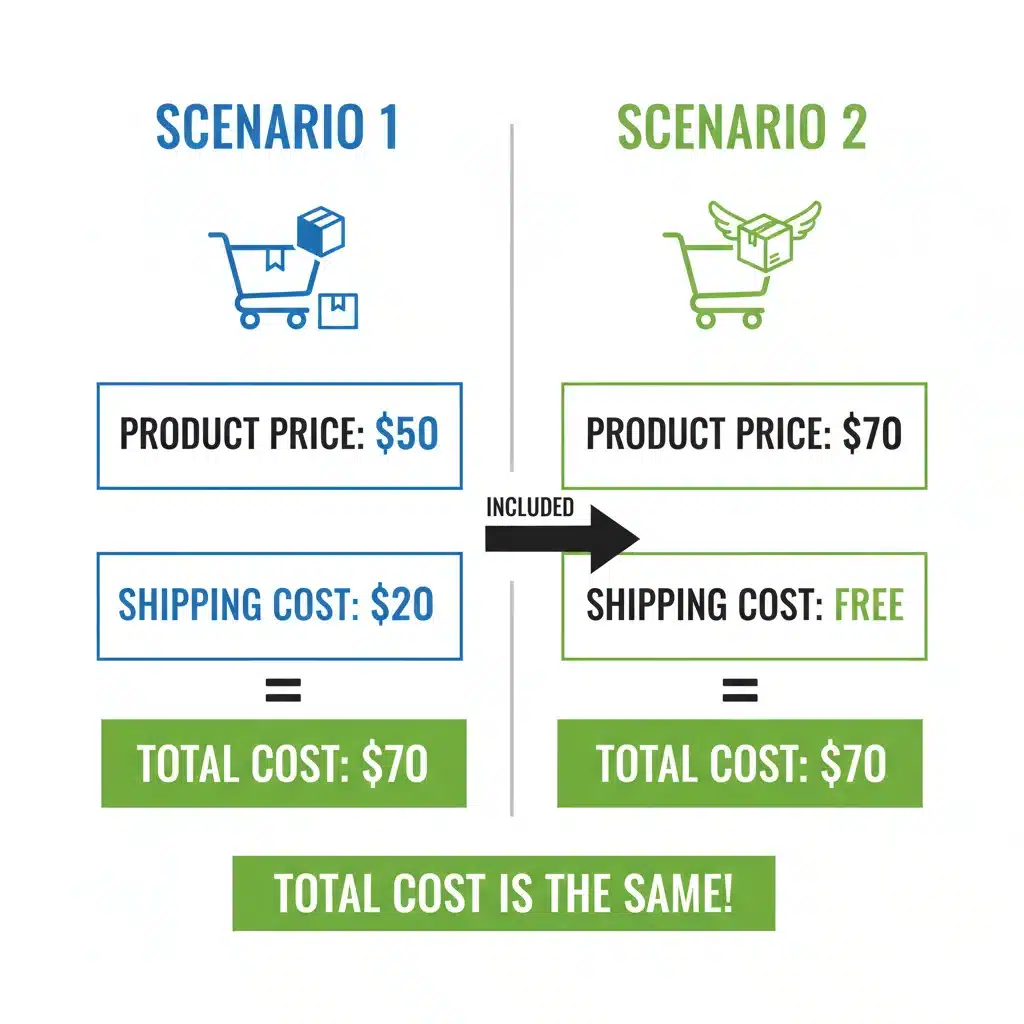
This is perhaps the most common and subtle way businesses recoup shipping costs. They simply bake the average shipping expense into the retail price of the product. While the item might appear to be the same price across different retailers, the one offering "free shipping" might have a slightly higher base price. For example, a widget priced at $20 with a $5 shipping fee might be listed at $25 with "free shipping" elsewhere. On the surface, it looks like a better deal, but the total cost is identical.
2. Minimum Order Thresholds
Many retailers offer free shipping only if your order exceeds a certain amount (e.g., "Free shipping on orders over $50"). This strategy encourages customers to add more items to their cart than they initially intended, increasing the average order value and, consequently, the retailer’s profit margin. The additional items you purchase, even if you don’t desperately need them, cover the shipping cost and then some.
3. Bundling and Upselling
Similar to minimum order thresholds, retailers might bundle products or encourage upsells to qualify for free shipping. This can lead to consumers buying more expensive versions of products or purchasing complementary items they might not otherwise have bought, all in the pursuit of avoiding a shipping fee.
4. Slower Shipping Options
Sometimes, "free shipping" comes with a caveat: slower delivery times. Retailers might use the cheapest, slowest shipping methods to minimize their own costs. If you need an item quickly, you might end up paying for expedited shipping anyway, negating the "free" aspect entirely.
5. Reduced Packaging or Insurance
While less common, some retailers might cut corners on packaging or insurance for "free shipping" orders to reduce their expenses. This could potentially lead to damaged goods or a more complicated returns process if something goes wrong.
The Psychology Behind ‘Free Shipping’ and Its Impact on Consumer Behavior
The allure of "free shipping costs" is deeply rooted in consumer psychology. Behavioral economics has shown that people often perceive a $5 shipping fee as a direct loss, even if the total price with shipping is lower than an alternative product with "free shipping" but a higher base price. This phenomenon, known as "loss aversion," makes us more sensitive to direct charges than to embedded costs.
Furthermore, "free shipping" simplifies the purchasing decision. It removes one variable from the cost equation, making the total price seem more straightforward and appealing. This perceived simplicity can override a more rational comparison of overall value.
Calculating Your True Savings: A Step-by-Step Guide
To truly understand the financial impact of "free shipping," you need to look beyond the surface. Here’s how to calculate your real savings and avoid falling for the illusion:
Step 1: Compare Total Costs, Not Just Product Prices
This is the golden rule. When comparing two identical items from different retailers, always look at the final price you’ll pay, including all shipping fees, taxes, and any other surcharges. Don’t be swayed by a lower product price if the shipping fee makes the total higher.
Example:
- Retailer A: Product Price: $45, Shipping: $5, Total: $50
- Retailer B (with "free shipping"): Product Price: $50, Shipping: $0, Total: $50
In this scenario, while Retailer B offers "free shipping," your actual cost is the same. There are no true savings on the "free shipping costs."
Step 2: Factor in Minimum Order Thresholds
If a retailer offers free shipping only above a certain spend, evaluate if the additional items you’re adding to your cart are truly necessary or if you’re just buying them to hit the threshold. Ask yourself:
- Would I buy these extra items if there was no free shipping offer?
- Are these items cheaper elsewhere, even with shipping?
- Am I going to use these items, or will they sit unused?
If you’re spending an extra $15 on items you don’t need to save $5 on shipping, you’re actually losing $10. The "free shipping costs" have effectively cost you more.
Step 3: Consider Your Time and Urgency
If "free shipping" means a two-week delivery window, but you need the item in three days, you might end up paying for expedited shipping. In such cases, the "free" aspect is irrelevant. Always consider the delivery speed in relation to your needs.
Step 4: Account for Return Shipping Policies
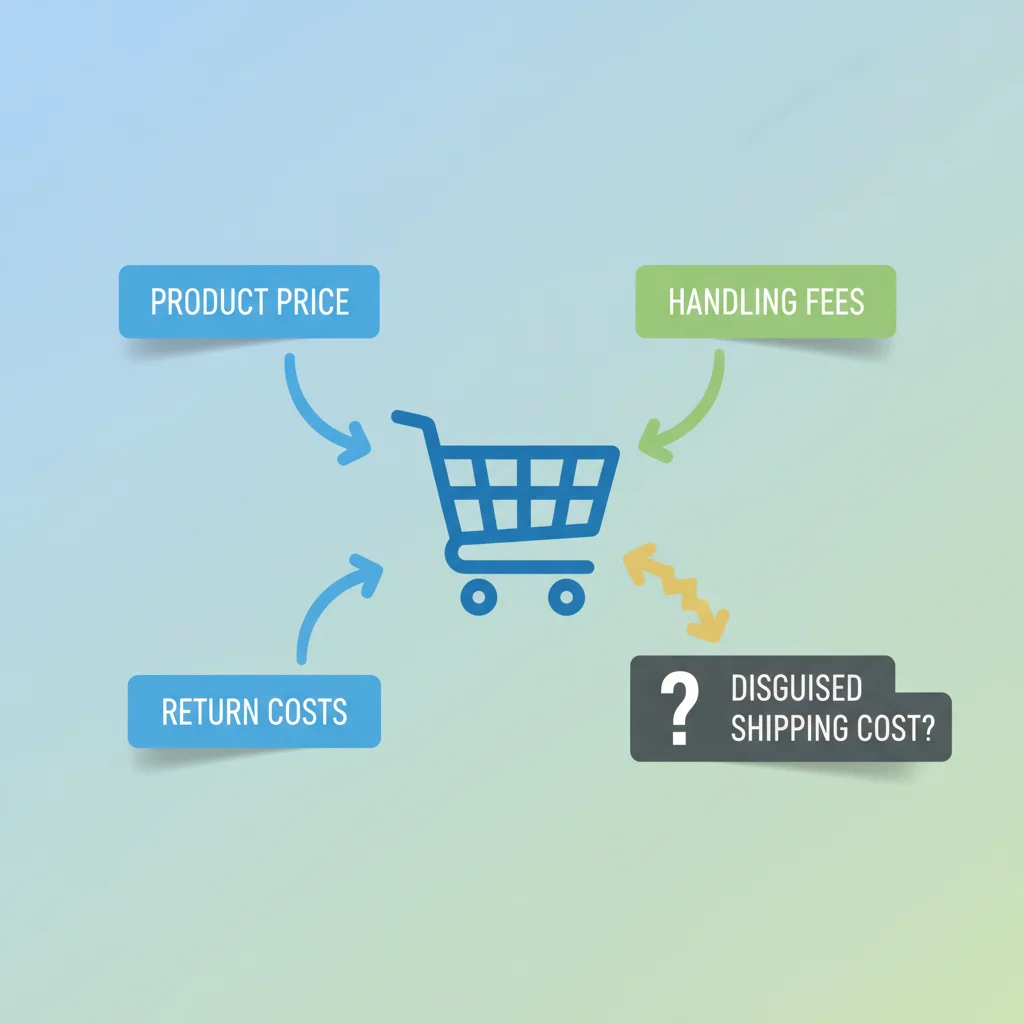
This is a critical, often overlooked aspect. Even if initial shipping is "free," what about returns? Some retailers charge for return shipping, or you might be responsible for printing a label and dropping it off. This can significantly eat into any perceived savings, especially for items like clothing or shoes where returns are more common.
Pro Tip: Always check the return policy before making a purchase, especially when dealing with "free shipping" offers. Understand who bears the cost of return shipping if the item doesn’t work out.
Step 5: Utilize Price Comparison Tools
Browser extensions and websites designed for price comparison can be invaluable. They often factor in shipping costs to give you a true side-by-side comparison of total prices across various retailers, helping you expose the true "free shipping costs."
When ‘Free Shipping’ Can Actually Be a Good Deal
While often deceptive, there are scenarios where "free shipping costs" can genuinely benefit you:
1. High-Value, Low-Weight Items
For expensive items that are small and light, the shipping cost is a smaller percentage of the overall price. If a retailer offers free shipping on such an item, and its base price is competitive, it’s likely a good deal.
2. Subscription Services with Consistent Purchases
Many subscription boxes or recurring purchase services offer free shipping as a core part of their model. If you genuinely use and need these products regularly, the consistent free shipping can lead to substantial savings over time.
3. Loyalty Programs and Memberships
Services like Amazon Prime, Walmart+, or Target RedCard offer free shipping as a perk of membership. If you shop frequently at these retailers, the annual membership fee can easily be offset by the shipping savings, making it a worthwhile investment.
4. Local Pickup Options
Some retailers offer "buy online, pick up in store" options. While not strictly "free shipping," it achieves the same goal of avoiding delivery fees. If the store is convenient, this can be a great way to save.
Strategies for Smart Online Shopping Beyond ‘Free Shipping’
To truly optimize your online shopping experience and minimize "free shipping costs," consider these broader strategies:
1. Consolidate Purchases
Instead of making several small orders, try to group your purchases from a single retailer. This can help you meet free shipping thresholds more efficiently or make a single shipping fee more cost-effective across multiple items.
2. Look for Coupon Codes and Promotions
Many retailers offer coupon codes that include free shipping or a percentage off your order. A quick search before checkout can often yield significant savings.
3. Understand Seasonal Sales
Retailers often offer enhanced free shipping promotions during peak shopping seasons like Black Friday, Cyber Monday, or holiday periods. Plan your larger purchases around these times to maximize savings.
4. Read the Fine Print
Always, always read the terms and conditions of "free shipping" offers. Are there exclusions for certain items? Does it apply to all regions? Are there specific delivery speeds?
5. Evaluate the Total Value Proposition
Beyond just price and shipping, consider customer service, return policies, product quality, and brand reputation. Sometimes paying a little more from a reputable seller with excellent support is a better long-term value than chasing the lowest price with "free shipping" from an unknown entity.
The Environmental Impact of ‘Free Shipping’
Beyond the financial aspects, it’s worth briefly considering the environmental implications of the "free shipping" phenomenon. The expectation of fast, free delivery has led to an explosion in logistics and transportation, contributing to increased carbon emissions, packaging waste, and urban traffic congestion. While individual choices may seem small, the collective impact is significant. Being mindful of your shipping choices, such as consolidating orders or opting for slower shipping if possible, can have a positive environmental footprint.
The Future of ‘Free Shipping’
As e-commerce continues to evolve, so too will the strategies around shipping. We might see more innovative models emerge, such as subscription-based shipping services becoming even more prevalent, or a greater emphasis on local fulfillment centers to reduce transit times and costs. The pressure to offer "free shipping" will likely remain, but consumers will become increasingly sophisticated in discerning its true value. The trend of transparent pricing, where all costs are clearly laid out, is also gaining traction, which could lead to a more honest portrayal of "free shipping costs."
Conclusion: Be a Savvy Shopper, Not a Victim of the ‘Free Shipping’ Myth
The phrase "free shipping" is a powerful marketing tool, but it’s rarely a true reflection of zero cost. By understanding how businesses absorb these expenses and by adopting a critical approach to your online purchases, you can uncover the real value and avoid overspending. Always compare total costs, be wary of unnecessary additions to your cart, and consider all aspects of the transaction, including return policies and delivery times. Arm yourself with this knowledge, and you’ll transform from a passive recipient of "free shipping" into a savvy, empowered online shopper who truly saves money in the long run. Don’t let the illusion of "free shipping costs" dictate your financial decisions; instead, take control and make choices that genuinely benefit your budget.