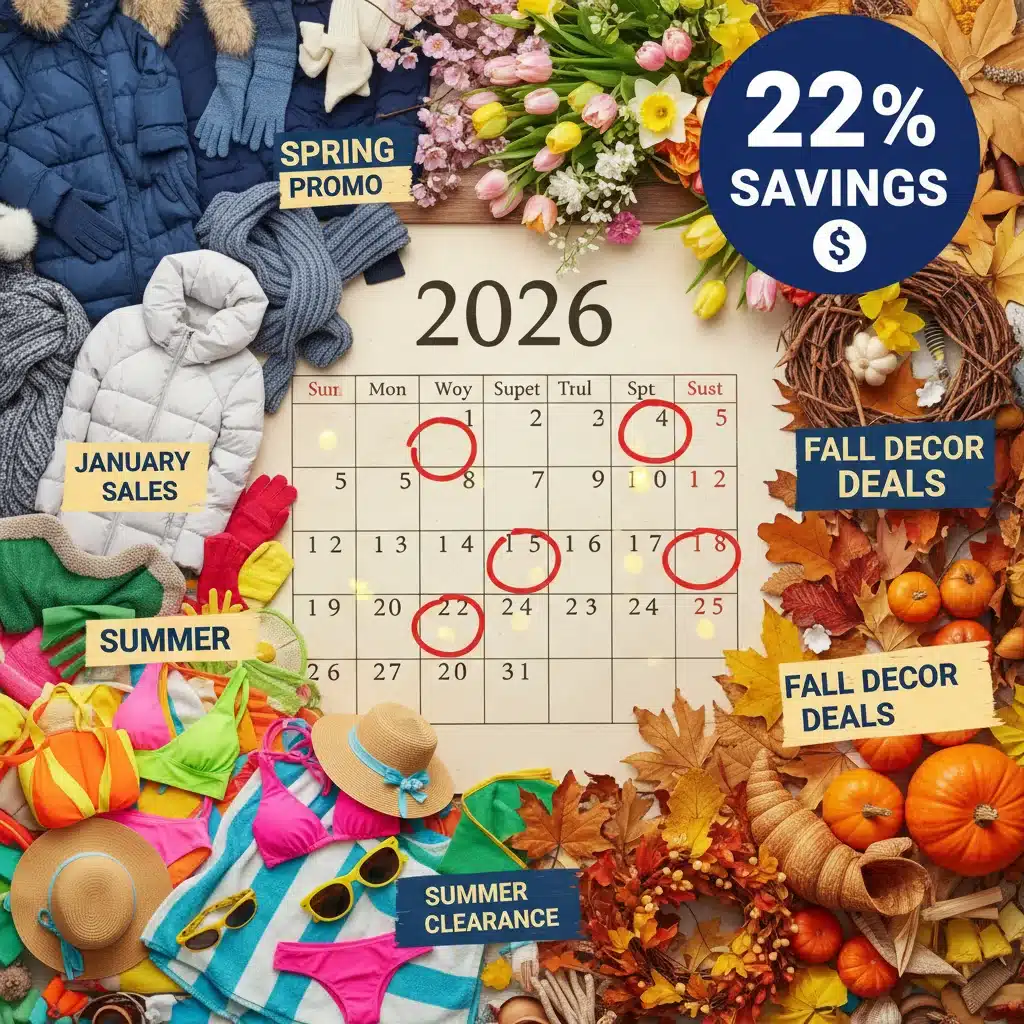
Master Seasonal Shopping Strategies 2026: Save 22% on Purchases
Are you tired of paying full price for items you know will be on sale just a few weeks later? Do you want to unlock significant savings and become a master of smart spending? In today’s economy, understanding the ebb and flow of retail pricing is not just a smart move; it’s a financial superpower. Welcome to your ultimate guide to seasonal shopping strategies for 2026, designed to help you save an impressive 22% or more on your annual purchases.
The retail landscape is a dynamic ecosystem, driven by seasons, holidays, new product releases, and inventory cycles. By aligning your purchasing decisions with these cycles, you can transform from a reactive consumer into a proactive, budget-savvy shopper. This comprehensive guide will arm you with the knowledge to predict sales, identify the best buying windows for various categories, and ultimately, keep more money in your pocket. Let’s dive deep into the world of strategic shopping and discover how you can make 2026 your most financially efficient year yet.
Understanding the Rhythms of Retail: Why Seasonal Shopping Strategies Work
At its core, seasonal shopping is about anticipating demand and supply. Retailers use sales and promotions to clear out old inventory, attract customers during slow periods, and capitalize on holiday spending. Your goal is to leverage these cycles to your advantage. Instead of buying something when you *need* it, you buy it when it’s at its lowest price point, often during an off-season or a specific sales event.
Advertisements
For example, buying a winter coat in July might seem counterintuitive, but that’s precisely when retailers are trying to make space for fall collections, leading to significant markdowns on winter apparel. Similarly, patio furniture will be cheaper in late summer or early fall as stores prepare for indoor merchandise. These aren’t just random discounts; they are predictable patterns that form the backbone of effective seasonal shopping strategies.
The 22% savings target isn’t an arbitrary number. It’s an achievable goal for those who consistently apply these strategies across different product categories throughout the year. Imagine saving 22% on your clothing budget, 22% on electronics, 22% on home goods, and even 22% on travel. These savings compound, leading to substantial financial benefits by year-end.
Spring Savings (March – May): Refresh and Renew Your Budget
Spring is a season of renewal, and it’s also a prime time for certain purchases. As the weather warms up, retailers start clearing out winter stock, making way for new spring and summer collections. This period is excellent for:
- Winter Apparel and Gear: Think coats, boots, scarves, and even ski equipment. March and April are excellent for snagging these items at deep discounts as stores want them off the shelves.
- Tax Season Deals: Many retailers offer promotions around tax season to encourage spending, often on big-ticket items like appliances or furniture.
- Spring Cleaning Essentials: Look for sales on vacuums, organizational tools, and cleaning supplies.
- Luggage: With summer travel on the horizon, May often sees sales on luggage as people prepare for vacations.
- Digital Cameras: As new models are released, older but still excellent digital cameras often see price drops in spring.
One of the key seasonal shopping strategies for spring is to plan ahead for the following winter. While it might feel odd to buy a heavy parka when flowers are blooming, your wallet will thank you come December.
Summer Steals (June – August): Hot Deals for a Hot Season
Summer brings with it a unique set of shopping opportunities. While some items, like swimwear, might be at their peak price early in the season, others become incredible bargains as August approaches.
- Patio Furniture and Grills: The best time to buy outdoor living items is late summer (August) when demand wanes, and stores need to clear inventory.
- Summer Apparel: While new swimsuits are expensive in June, by late July and August, you’ll find significant markdowns on all summer clothing.
- Lawn Mowers and Garden Tools: Similar to patio furniture, these items see their best prices at the end of the gardening season, usually in August.
- Laptops and Dorm Room Essentials: Back-to-school sales kick off in late July and August, offering excellent deals on electronics, school supplies, and dorm room decor. This is a crucial time for students and parents applying effective seasonal shopping strategies.
- Small Appliances: Often part of back-to-school or early fall sales, look for blenders, toasters, and coffee makers.
Remember that holiday weekends like Memorial Day and Fourth of July also bring a flurry of sales across various categories, making them prime opportunities to apply your seasonal shopping strategies.
Autumn Acquisitions (September – November): Harvest Big Savings
As leaves change color, so do the retail priorities. Autumn is a fantastic time for many purchases, culminating in the biggest shopping events of the year.
- Major Appliances: New models are typically released in the fall, meaning older models (which are still perfectly good!) go on sale in September and October.
- Cars: New model year vehicles arrive in the fall, making September and October excellent months to negotiate deals on the outgoing year’s models.
- Televisions: Leading up to Black Friday, and during the event itself, TVs see some of their steepest discounts.
- Halloween Decorations: The day after Halloween, these items are heavily discounted. Plan for next year!
- Electronics (Black Friday/Cyber Monday): This is arguably the biggest shopping event for electronics, from laptops and smartphones to gaming consoles and smart home devices. Strategic planning around these dates is a cornerstone of effective seasonal shopping strategies.
- Cookware and Bakeware: With holiday cooking in mind, these items often see promotions in the lead-up to Thanksgiving and during Black Friday.
Black Friday and Cyber Monday are not just for electronics. Almost every category sees significant discounts, making them critical dates for anyone serious about their seasonal shopping strategies. Start researching items you need weeks in advance to identify true deals.

Winter Wonders (December – February): Post-Holiday Bargains and More
The post-holiday slump for retailers is a goldmine for savvy shoppers. After the frenetic pace of holiday spending, stores are eager to clear remaining inventory and attract customers.
- Holiday Decorations: December 26th is the magic day for deeply discounted holiday decor, wrapping paper, and artificial trees.
- Fitness Equipment: January is resolution season, and retailers capitalize on this with sales on gym memberships, workout gear, and home exercise equipment.
- Linens and Towels (White Sales): January is traditionally the month for ‘White Sales,’ offering significant discounts on bedding, towels, and other home textiles.
- Winter Apparel (Late Season): While spring sees clearance on winter items, late January and February offer some of the best prices as retailers prepare for spring collections.
- Jewelry: While Valentine’s Day might bring some promotions, the best deals on jewelry are often found in the weeks following Christmas or leading up to Mother’s Day, when stores try to move inventory.
- Boats and RVs: If you’re dreaming of a summer on the water or the open road, January and February are often the best times to buy, as demand is low.
Utilizing these post-holiday sales is a prime example of effective seasonal shopping strategies, allowing you to stock up for the following year at a fraction of the cost.
Beyond the Seasons: Year-Round Seasonal Shopping Strategies
While the seasonal calendar provides a strong framework, certain seasonal shopping strategies can be applied throughout the year, regardless of the month.
Price Tracking Tools and Apps
In 2026, technology is your best friend. Utilize price tracking websites and browser extensions that monitor price changes and alert you when an item drops. Many even show historical price data, helping you determine if a ‘deal’ is genuinely good or just a marketing gimmick. Setting price alerts for desired items is a passive yet powerful way to implement your seasonal shopping strategies.
Leverage Holiday Weekends
Beyond the major seasonal shifts, specific holiday weekends consistently bring sales. These include:
- President’s Day (February): Often good for home goods, mattresses, and furniture.
- Memorial Day (May): Kicks off summer sales with discounts on appliances, mattresses, and outdoor items.
- Labor Day (September): Similar to Memorial Day, with deals on large appliances, mattresses, and end-of-summer clearance.
Keep these dates marked on your calendar as additional opportunities to apply your seasonal shopping strategies.
The ‘New Model’ Cycle
Many product categories follow an annual or biannual refresh cycle. Understanding when new models are typically released can save you a bundle on the previous generation. This applies to:
- Smartphones: New models usually drop in the fall (Apple) or spring (Samsung), making the weeks prior and immediately after good for finding deals on older models.
- Televisions: Often updated in spring or early summer, with significant sales on older models during Black Friday.
- Laptops: New processors and designs are frequently announced at tech shows in January, with subsequent releases and discounts on older models throughout the spring and summer.
This foresight is a cornerstone of intelligent seasonal shopping strategies for electronics.
Clearance Sections and Outlet Stores
Don’t underestimate the power of clearance racks and outlet stores. While not strictly seasonal, these locations are where retailers offload excess or slightly imperfect merchandise year-round. Regular visits or online checks can yield unexpected treasures and contribute significantly to your overall savings goals.
Gift Card Arbitrage
This is a more advanced tactic within seasonal shopping strategies. Look for discounted gift cards on secondary markets. Buying a gift card for less than its face value (e.g., a $100 gift card for $85) and then combining it with a sale can lead to double-digit savings on your purchases. This is particularly effective around major shopping holidays.
Maximizing Your 22% Savings Goal: Practical Tips for 2026
Achieving that 22% savings target requires more than just knowing when to buy; it requires discipline and a strategic mindset. Here’s how to put your seasonal shopping strategies into full effect:
1. Create a Shopping Calendar/Wishlist
Before 2026 even begins, or at the start of each quarter, make a list of items you anticipate needing or wanting to purchase. Assign an ideal buying season or month to each. This proactive approach prevents impulse buys and ensures you’re ready when the sales hit.
2. Set a Budget and Stick to It
Even with discounts, overspending negates any savings. Establish a clear budget for each category and only purchase what you genuinely need or have planned for. Seasonal shopping strategies are about smart spending, not just spending more at a lower price.
3. Compare Prices Relentlessly
A sale at one store might be a regular price at another. Always compare prices across multiple retailers, both online and in-store, before making a purchase. Use comparison shopping engines and apps to streamline this process.
4. Read Reviews and Research Products
A cheap item isn’t a good deal if it’s poor quality. Before committing, take the time to read product reviews and research features. Ensure the item meets your needs and will last. This is an often-overlooked but crucial part of effective seasonal shopping strategies.
5. Sign Up for Email Lists and Loyalty Programs
Many retailers offer exclusive discounts, early access to sales, or loyalty points to their subscribers. While you might dread the inbox clutter, creating a dedicated email address for promotional emails can be a game-changer for catching flash sales and special offers.
6. Think Ahead, Buy Ahead
The core principle of seasonal shopping strategies. If you know you’ll need new towels next summer, buy them during the January White Sales. Need Christmas gifts? Start looking for deals throughout the year, not just in November and December.
7. Be Patient and Flexible
Sometimes the absolute best deal isn’t exactly when you expect it. Be prepared to wait a little longer or adjust your purchase slightly if a better opportunity arises. Flexibility can lead to unexpected savings.
8. Don’t Fall for ‘Fake’ Sales
Some retailers inflate prices before a sale to make the discount seem larger than it is. This is where price tracking tools become invaluable. They reveal true price history, allowing you to discern genuine deals from marketing tricks.

Specific Product Categories & Best Buying Times in 2026
Let’s break down some common product categories and when your seasonal shopping strategies will yield the best results:
Apparel and Accessories
- Winter Coats/Boots: March, April, late January/February
- Summer Clothing/Swimwear: Late July, August
- Fall Fashion: Late November (Black Friday), after Christmas
- Spring Fashion: End of May, June
- Denim: August (back-to-school sales), late November
Electronics
- Laptops/Tablets: August (back-to-school), late November (Black Friday/Cyber Monday)
- Smartphones: Immediately after new model releases (typically fall and spring for major brands)
- Televisions: Late November (Black Friday), January (post-holiday/Super Bowl prep)
- Cameras: Spring (new models released), late November
- Gaming Consoles/Games: Late November (Black Friday), after Christmas
Home Goods and Appliances
- Major Appliances: September, October, holiday weekends (Memorial Day, Labor Day)
- Small Kitchen Appliances: Late November, January, May (Mother’s Day/wedding season)
- Mattresses: February (President’s Day), May (Memorial Day), September (Labor Day), late November
- Furniture: February, August, holiday weekends
- Linens/Towels: January (‘White Sales’)
- Patio Furniture/Grills: August, September
Travel
- Flights (Domestic): 1-3 months in advance. Avoid booking last minute or too far out. Tuesdays and Wednesdays often have lower prices.
- Flights (International): 2-8 months in advance.
- Hotels: Often best to book a few weeks to a month out. Last-minute deals can appear but are risky.
- Cruises: ‘Wave season’ (January-March) offers good deals. Also, look for last-minute sailings.
- Off-Peak Seasons: Traveling during shoulder seasons (spring and fall) or outside major holidays almost always results in better prices for flights and accommodation. This is a crucial element of seasonal shopping strategies for experiences.
Miscellaneous
- Tools/Hardware: Father’s Day (June), November (Black Friday)
- Toys: December (leading up to Christmas), January (post-holiday clearance)
- Fitness Equipment: January
- Jewelry: After Christmas, before Mother’s Day
- Boats and RVs: If you’re dreaming of a summer on the water or the open road, January and February are often the best times to buy, as demand is low.
- Cars: September, October, end of the month/quarter
Conclusion: Your Path to 22% Savings in 2026
By diligently applying these seasonal shopping strategies throughout 2026, you are not just saving money; you are becoming a more conscious and empowered consumer. The goal of a 22% saving is not just aspirational; it’s entirely achievable with planning, patience, and the right tools. From understanding retail cycles to leveraging technology, every tip in this guide is designed to help you make smarter purchasing decisions.
Start by identifying your needs, creating a strategic calendar, and then waiting for the opportune moment. Resist impulse buys, compare prices, and always think ahead. With each strategic purchase, you’ll feel the satisfaction of getting a great deal and seeing your savings grow. Make 2026 the year you master the art of seasonal shopping and enjoy the financial freedom that comes with it.
Happy shopping, and happy saving!