Welcome to the ultimate guide to mastering denim in 2026! Denim is more than just fabric; it’s a cultural icon, a staple in every wardrobe, and a canvas for personal expression. Yet, with an ever-evolving landscape of styles, fits, and washes, finding your perfect pair of jeans can feel like a daunting task. This comprehensive denim fit guide is designed to demystify the process, helping you navigate the latest trends, understand crucial fit considerations, and ultimately discover the denim that not only looks great but feels like a second skin.
In a world increasingly focused on sustainability and individuality, our approach to denim is also shifting. We’re moving beyond fast fashion to appreciate craftsmanship, durability, and ethical production. This handbook will not only equip you with the knowledge to select the right jeans but also empower you to care for them, ensuring they remain a cherished part of your wardrobe for years to come. Whether you’re a seasoned denim enthusiast or new to the world of indigo, prepare to unlock the secrets to perfect denim style.
Advertisements
Understanding the Anatomy of Denim: Beyond the Basics
Before diving into specific fits, it’s essential to understand the fundamental components that make up a pair of jeans. This knowledge will empower you to make informed decisions and appreciate the nuances that differentiate one pair from another.
Fabric Composition: The Foundation of Feel and Durability
Denim, traditionally made from 100% cotton, has evolved significantly. While pure cotton denim remains a classic for its durability and ability to mold to the wearer over time, modern denim often incorporates other fibers to enhance comfort, stretch, and recovery.
- 100% Cotton: The original. Known for its ruggedness, breathability, and ability to develop unique fades and whiskering. It offers minimal stretch, meaning it will feel stiffer initially but will break in beautifully. Ideal for those who prefer a vintage feel and long-lasting wear.
- Cotton Blends (with Elastane/Spandex): The most common modern denim. The addition of a small percentage of elastane (typically 1-3%) provides stretch, making jeans more comfortable and accommodating to different body shapes. This blend offers better freedom of movement and prevents bagging out.
- Cotton Blends (with Polyester): Polyester adds durability, wrinkle resistance, and helps jeans maintain their shape. It can also make the denim feel smoother.
- Sustainable Fabrics: As environmental consciousness grows, denim made from organic cotton, recycled cotton, Tencel, or hemp is becoming more prevalent. These options often offer similar performance to traditional blends while reducing environmental impact.
Denim Weight: Light, Mid, or Heavy?
The weight of denim is measured in ounces per square yard and significantly impacts how the jeans feel, drape, and wear.
- Lightweight Denim (under 12 oz): Softer, more breathable, and ideal for warmer climates or a more relaxed drape. Often found in fashion-forward styles or summer collections.
- Mid-weight Denim (12-14 oz): The most common weight, offering a good balance of durability, comfort, and structure. Suitable for year-round wear.
- Heavyweight Denim (over 14 oz): Very durable and stiff initially, requiring a longer break-in period. These jeans are built to last and develop incredible fades. Popular among denim purists and enthusiasts.
Washes and Finishes: The Visual Story
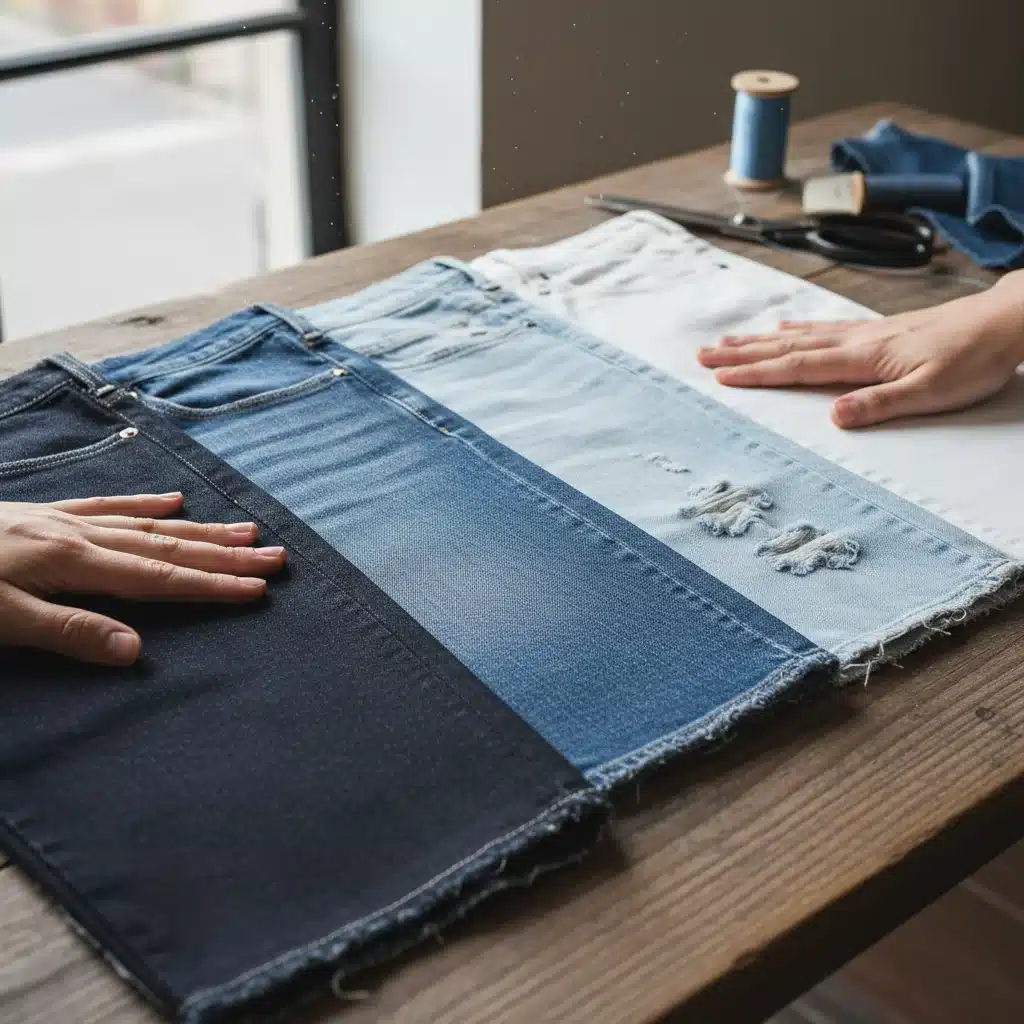
The wash of denim refers to the treatment it undergoes after being sewn, which determines its color and texture. Finishes add specific characteristics like distressing or whiskering.
- Raw/Unwashed Denim: Untreated and stiff, typically a deep indigo. It will fade and develop a unique patina based on the wearer’s movements, creating a truly personalized look.
- Rinsed Denim: Slightly washed to remove excess dye and soften the fabric without significant fading. Offers a clean, dark look.
- Light Wash: Heavily washed to achieve a faded, often vintage-inspired blue. Can include distressing.
- Mid Wash: A classic blue, somewhere between light and dark, offering versatility.
- Dark Wash: Retains most of its original dark indigo color, often with minimal fading. Appears more formal and can be dressed up or down.
- Black/Grey Denim: Achieved by dyeing the cotton yarn black or grey instead of indigo. Offers a chic, modern alternative to blue.
- Distressed Denim: Features rips, tears, abrasions, or frayed edges, giving a worn-in, edgy look.
- Whiskering: Faded lines across the lap and upper thighs, mimicking natural wear patterns.
The 2026 Denim Fit Guide: Decoding the Styles
The quest for the perfect denim fit guide often begins with understanding the myriad of styles available. While trends come and go, certain foundational fits endure, often reinvented with subtle tweaks. Here’s a breakdown of the most popular and relevant denim fits for 2026, along with who they best suit.
1. Skinny Fit: The Enduring Classic
Description: Tapered from hip to ankle, hugging the leg tightly throughout. Often contains a significant amount of stretch for comfort and movement.
Best For: Those who prefer a sleek, modern silhouette. Works well for slim to athletic builds. Can be dressed up or down.
Styling Tips: Pair with oversized tops to balance the silhouette, or with tailored jackets for a sharp look. Ankle boots or sneakers complement this fit well.
2. Slim Fit: The Versatile Middle Ground
Description: A more relaxed version of the skinny fit, slim jeans are narrow through the thigh and taper slightly to the ankle, but offer more room than their skinny counterparts. They follow the leg’s natural line without clinging.
Best For: Almost everyone! It’s a universally flattering fit that provides a clean, contemporary look without being overly restrictive.
Styling Tips: Extremely versatile. Looks great with t-shirts, button-downs, sweaters, and nearly any footwear.
3. Straight Leg: The Timeless Staple
Description: Consistent width from the thigh down to the ankle, creating a straight, clean line. Offers a classic, comfortable fit that isn’t too tight or too loose.
Best For: All body types. It’s a forgiving and balanced fit that creates a long, lean line. Excellent for those who value comfort and a traditional aesthetic.
Styling Tips: Perfect for cuffing. Pairs well with boots, sneakers, or dressier shoes. A true wardrobe workhorse.
4. Relaxed Fit: Comfort Meets Style
Description: Generous throughout the thigh and leg, offering maximum comfort and a laid-back vibe. It provides more room than straight or slim fits, without being overly baggy.
Best For: Those prioritizing comfort and a casual aesthetic. Ideal for athletic builds or individuals who prefer a less restrictive feel.
Styling Tips: Best with casual tops like hoodies, graphic tees, or relaxed button-downs. Sneakers and work boots are natural companions.
5. Wide Leg/Baggy Fit: The Resurgent Trend
Description: Characterized by a loose, voluminous cut from the hip or thigh all the way down to a wide leg opening. This fit offers a dramatic silhouette.
Best For: Fashion-forward individuals looking to make a statement. Can be flattering on various body types when styled correctly, offering a comfortable and effortlessly cool vibe.
Styling Tips: Balance the volume with more fitted tops or cropped jackets. Platform shoes or chunky sneakers work well to prevent the hem from dragging.
6. Bootcut/Flare: The Retro Revival
Description: Fitted through the thigh and then subtly widens from the knee down to accommodate boots (bootcut) or dramatically flares out (flare).
Best For: Adding a touch of retro flair. Bootcut is great for wearing over boots, while flares make a strong fashion statement. Can help balance wider hips.
Styling Tips: Pair with heeled boots or platforms for an elongated look. Tuck in tops to emphasize the waist and the leg’s shape.
7. Mom/Dad Jeans: The Vintage-Inspired Comfort
Description: High-waisted with a relaxed fit through the hip and thigh, often tapering slightly to the ankle. ‘Mom’ jeans are typically more fitted at the waist and hip, while ‘Dad’ jeans are generally looser all over.
Best For: Achieving a vintage, effortlessly cool look. Comfortable and flattering on many body types, especially those who prefer a less restrictive waist.
Styling Tips: Often worn cuffed at the ankle. Pair with cropped tops, tucked-in t-shirts, or oversized sweaters for a casual, stylish ensemble.
Finding Your Perfect Fit: The Golden Rules
Beyond knowing the styles, the true art lies in finding a fit that flatters your unique body shape and meets your comfort needs. This part of our denim fit guide is crucial for ensuring your jeans feel as good as they look.
Rule 1: The Waist Test
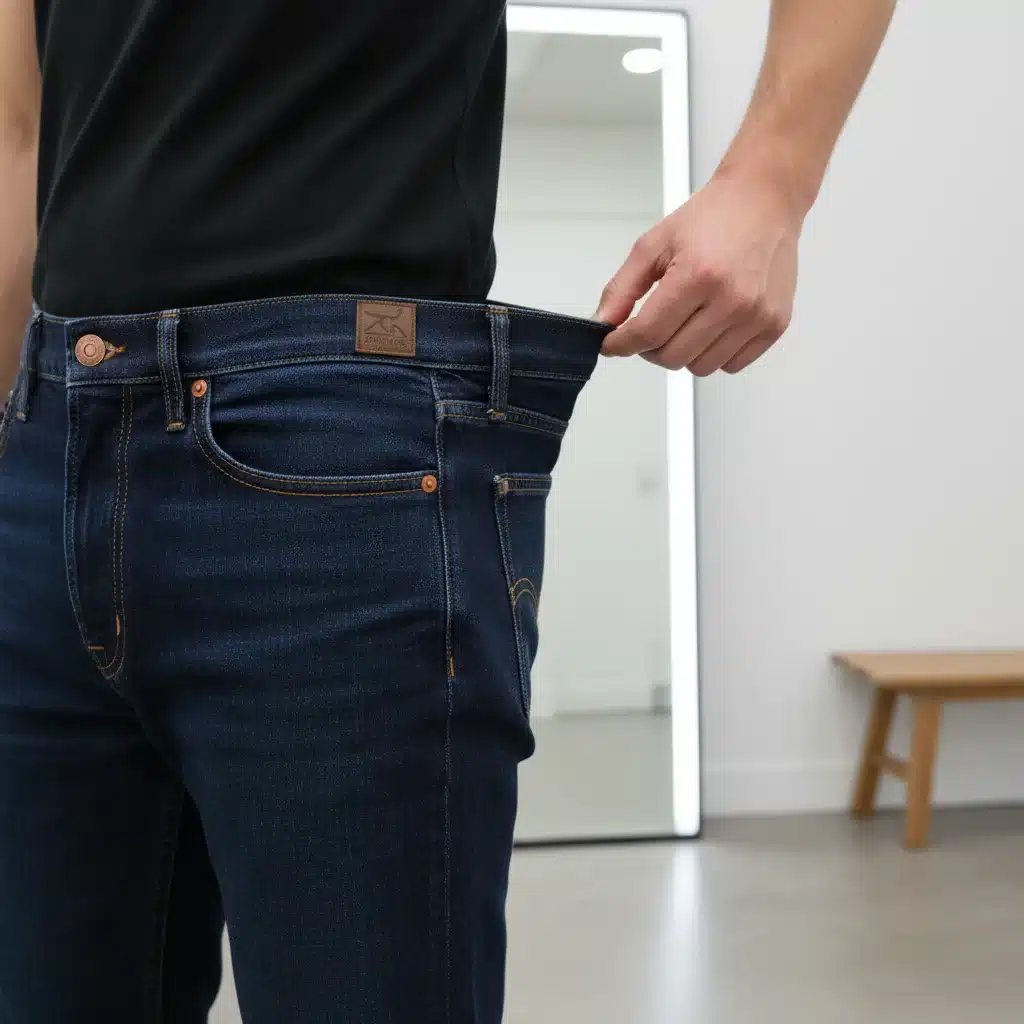
The waist is arguably the most critical area for a good fit. It should sit comfortably without digging in or gapping at the back.
- The Pinch Test: You should be able to pinch about an inch of fabric at the waistband. If you can pinch more, they might be too big. If you can’t pinch any, they’re likely too tight.
- The Squat Test: Squat down. If the waist digs into your stomach or creates an uncomfortable gap at the back, it’s not the right size.
- Consider Stretch: If the jeans have stretch, they will likely give a little throughout the day. Opt for a snug fit initially, as they will relax. For 100% cotton, a comfortable but firm fit is best, as they will mold to you.
Rule 2: The Thigh and Hip Comfort
The fit through the thighs and hips significantly impacts the overall look and comfort.
- No Pulling or Bunching: There shouldn’t be excessive horizontal lines or pulling across the hips or thighs. This indicates they’re too tight.
- Freedom of Movement: You should be able to walk, sit, and bend comfortably. If your movement is restricted, the fit is off.
- Pockets Lay Flat: Front pockets should lay flat against your body. If they gape open, the jeans are too tight in the hips.
Rule 3: The Length and Break
The length of your jeans, or the ‘break’ (where the hem meets your shoe), is a matter of personal preference and style.
- No Break: The hem just grazes the top of your shoe, creating a clean, modern line. Common for slim and skinny fits.
- Slight Break: A small fold in the fabric above your shoe. A classic look for straight and slim fits.
- Full Break/Stacking: The fabric gathers significantly around your ankles. Often seen with relaxed or wider fits, or for a more casual, undone look.
- Cropped: The hem falls above the ankle, showcasing footwear. Popular for a contemporary, stylish vibe.
- Cuffed: Rolling up the hem can adjust length and add a stylistic element, particularly with straight or relaxed fits.
Styling Your Denim: Trends and Timelessness for 2026
Once you’ve found your perfect denim fit guide, it’s time to explore how to style them. 2026 sees a blend of nostalgic trends and forward-thinking fashion, emphasizing personal expression and versatility.
Current Denim Trends to Embrace:
- Elevated Basics: Pairing classic denim with sophisticated pieces like tailored blazers, silk blouses, or cashmere sweaters.
- Double Denim Done Right: Matching different washes or textures of denim for a chic, cohesive look. Think a dark wash jean with a light wash denim jacket.
- Utility and Workwear Influence: Incorporating cargo pockets, patchwork, and more rugged washes for a functional yet fashionable aesthetic.
- Sustainable Statements: Choosing denim from brands committed to ethical production and eco-friendly materials. This isn’t just a trend; it’s a movement.
- Relaxed Silhouettes: The reign of ultra-skinny is softening, making way for more comfortable and flowing wide-leg, relaxed, and straight fits.
- Statement Washes and Embellishments: From intricate embroidery to bold acid washes, denim is becoming a canvas for artistic expression.
Timeless Denim Styling Tips:
- Balance Proportions: If your jeans are voluminous (wide-leg), balance with a more fitted top. If they’re skinny, an oversized top or jacket can create an interesting silhouette.
- Accessorize Thoughtfully: Belts, scarves, and jewelry can elevate even the simplest denim outfit.
- Footwear Matters: The right shoes can transform your denim look. Sneakers for casual, heels for elevated, boots for edgy.
- Layering is Key: Denim jackets, vests, or even shirts can be excellent layering pieces, adding depth and texture to an outfit.
- Confidence is Your Best Accessory: No matter the trend or fit, wearing your denim with confidence is what truly makes it shine.
Denim Care: Making Your Jeans Last
Investing in the perfect pair of jeans means also investing in their longevity. Proper care is essential, especially with the growing emphasis on sustainable consumption. This denim fit guide wouldn’t be complete without a section on how to keep your denim looking its best.
Washing Less is More:
This is the golden rule of denim care. Over-washing can fade the color, break down fibers, and alter the fit. Unless visibly dirty or smelly, try to air your jeans out between wears.
- Spot Clean: For minor spills, use a damp cloth with a little mild soap to gently spot clean the affected area.
- Freezing (for odor): Some denim enthusiasts swear by freezing their jeans overnight to kill odor-causing bacteria. While not a substitute for washing, it can extend the time between washes.
When You Do Wash:
- Turn Inside Out: Always turn your jeans inside out before washing. This protects the outer surface from abrasion, preserves the color, and minimizes fading.
- Use Cold Water: Cold water helps prevent shrinkage and color bleeding.
- Gentle Cycle: Use a delicate or gentle cycle setting on your washing machine.
- Mild Detergent: Opt for a detergent specifically designed for dark colors, or a gentle, eco-friendly option. Avoid harsh bleaches or fabric softeners, which can damage denim fibers.
- Wash Separately or with Similar Colors: Especially for new, dark indigo jeans, wash them alone or with other dark items to prevent dye transfer.
Drying Your Denim:
- Air Dry is Best: The dryer is denim’s enemy. High heat can cause significant shrinkage, fade color, and put stress on the fibers. Hang your jeans to air dry, either indoors or outdoors away from direct sunlight (which can also cause fading).
- Lay Flat to Dry: For heavier denim or to prevent stretching, you can lay your jeans flat on a clean surface.
- Reshape While Damp: Gently reshape your jeans while they are still damp to maintain their original form.
Special Care for Raw Denim:
Raw denim requires a unique approach to care to achieve those coveted, personalized fades.
- Wear for Months Before First Wash: Many raw denim purists recommend wearing their jeans for at least 6 months (or even a year) daily before the first wash. This allows the denim to truly mold to your body and develop strong crease lines and fades.
- First Wash Protocol: When it’s time for the first wash, many opt for a cold soak in a tub with a small amount of detergent, or a very gentle machine wash inside out. Air dry only.
The Future of Denim: Innovation and Consciousness
As we look towards the rest of 2026 and beyond, the denim industry is at a pivotal point. Innovation is driving new fabric technologies, while a heightened global consciousness is shaping production methods and consumer choices.
Technological Advancements:
- Performance Denim: Expect to see more denim with enhanced properties like water resistance, temperature regulation, and even odor-fighting capabilities, making denim suitable for a wider range of activities.
- Smart Denim: While still nascent, concepts like denim with integrated tech for health monitoring or interactive features could become more mainstream.
- Advanced Stretch and Recovery: Even more sophisticated blends will offer superior comfort and shape retention, addressing common complaints about denim bagging out.
Sustainability and Ethical Production:
- Circular Denim: The focus will intensify on creating closed-loop systems where old denim is recycled into new, reducing waste and reliance on virgin resources.
- Water-Saving Techniques: Brands are continually developing and implementing technologies that drastically reduce water consumption in the washing and finishing processes.
- Reduced Chemical Usage: Safer dyes and finishing treatments are becoming standard, minimizing environmental impact and protecting workers.
- Transparency: Consumers are demanding to know more about where and how their clothes are made. Brands offering full transparency in their supply chain will gain trust and loyalty.
- Longevity as a Virtue: The emphasis shifts from rapid consumption to investing in high-quality, durable denim that lasts, reducing overall fashion waste.
Conclusion: Your Denim Journey in 2026
Navigating the world of denim in 2026 is an exciting journey of self-discovery and conscious consumerism. This denim fit guide has aimed to provide you with the essential tools: an understanding of denim’s anatomy, a clear breakdown of contemporary fits, practical advice for finding your perfect pair, styling inspiration, and crucial care instructions.
Remember, the ‘perfect’ pair of jeans isn’t just about what’s trending; it’s about what makes you feel confident, comfortable, and authentically you. Experiment with different styles, pay attention to the details of fit and fabric, and embrace sustainable practices. Your denim collection should reflect your personality and values, evolving with you through the years.
So go forth, armed with this knowledge, and confidently choose your next favorite pair of jeans. Denim is a lifelong relationship, and with the right approach, it only gets better with time.