
Subscription Savvy: How to Audit Your Monthly Services and Cut 20% of Unnecessary Spending by March 2026 (Financial Impact)
In an increasingly digital world, subscription services have become an integral part of our daily lives. From streaming entertainment and fitness apps to software licenses and meal kits, it seems there’s a subscription for everything. While these services offer convenience and access to a wealth of content and tools, they can also quietly drain your bank account if not managed properly. The insidious nature of recurring monthly charges means many people are paying for services they barely use, or worse, have completely forgotten about. This phenomenon, often dubbed ‘subscription creep,’ can lead to significant financial leakage over time. The good news is that with a strategic approach, you can regain control. This comprehensive guide will walk you through the process of conducting a thorough subscription spending audit, helping you identify and eliminate superfluous services with the ambitious yet achievable goal of cutting 20% of your unnecessary spending by March 2026. Imagine the financial impact of reclaiming that portion of your income – it could fund a new savings goal, pay down debt, or simply provide more breathing room in your budget.
The Silent Drain: Why a Subscription Spending Audit is Crucial
Before diving into the ‘how,’ let’s understand the ‘why.’ Why is a dedicated subscription spending audit so vital in today’s economic climate? Firstly, the sheer volume of subscription options has exploded. Companies are adept at making sign-ups effortless, often with enticing free trials that seamlessly roll into paid plans. This ease of access contributes to the accumulation of numerous services without conscious evaluation. Secondly, our usage patterns change. A streaming service you once binged might now sit dormant, or a fitness app you enthusiastically signed up for might have fallen by the wayside. Yet, the monthly charge persists. Thirdly, even small, seemingly insignificant monthly fees add up. $5 here, $10 there – these amounts can quickly snowball into hundreds of dollars annually, money that could be better utilized elsewhere. Finally, the long-term financial impact is substantial. Cutting 20% of unnecessary spending isn’t just about saving a few dollars next month; it’s about freeing up capital that can be invested, used for emergencies, or put towards major life goals, significantly improving your financial health by March 2026 and beyond.
Understanding Your Current Subscription Landscape
The first step in any effective subscription spending audit is to gain a clear understanding of your current commitments. This might sound simple, but for many, it’s an eye-opening exercise. Most people underestimate the number of subscriptions they actually have. This initial phase requires diligent detective work and a systematic approach. Don’t rely on memory alone; memory is often fallible when it comes to recurring charges. You need concrete evidence of every single service you’re paying for on a regular basis. This foundational step is critical because you can’t cut what you don’t know you have. Without a comprehensive list, you’re merely guessing, and that won’t lead to the targeted 20% reduction in unnecessary spending we’re aiming for.
Advertisements
To begin, gather all your financial statements. This includes credit card statements, bank statements, and any digital payment platform records (like PayPal, Apple Pay, Google Pay). Go back at least 12 months. Why a full year? Because some subscriptions are billed annually, semi-annually, or quarterly, and reviewing only recent statements might cause you to miss these less frequent but still significant charges. Look for any recurring transactions, especially those with vague descriptions. Many companies use abbreviated or unclear names on bank statements, so be prepared to do a little research if a charge isn’t immediately recognizable. Create a spreadsheet or use a dedicated app to list every subscription you find. Include the name of the service, the monthly/annual cost, the billing date, and a brief note about what it is.
Phase 1: The Grand Inventory – Unearthing Every Recurring Charge
This phase is about meticulous data collection. Think of yourself as a financial archaeologist, carefully unearthing every hidden charge. A thorough subscription spending audit depends on this initial comprehensive inventory. You might be surprised at what you uncover.
Step-by-Step Inventory Creation:
- Review Bank and Credit Card Statements: As mentioned, this is your primary source. Scan line by line for recurring payments. Look for phrases like ‘auto-renew,’ ‘monthly fee,’ ‘premium,’ or company names you recognize as subscription providers.
- Check Digital Wallets & App Store Subscriptions: Many subscriptions are managed directly through Apple App Store, Google Play Store, or other digital platforms. Go into your account settings on these platforms and review your active subscriptions. These are often overlooked but can add up quickly.
- Scrutinize Email Inboxes: Search your email for keywords like ‘subscription confirmation,’ ‘your bill,’ ‘renewal notice,’ ‘welcome to,’ and ‘free trial ending.’ Many services send these notifications, which can serve as a valuable reminder.
- Utilize Subscription Management Apps: There are apps specifically designed to help you track and manage subscriptions. While they often come with their own subscription fee, some offer free basic tracking that can be very helpful for the initial inventory. Popular options include Truebill (now Rocket Money), Mint, or YNAB (You Need A Budget) for broader financial tracking.
- Create a Master List: Whether it’s a simple Google Sheet, an Excel document, or a dedicated notebook, compile all your findings. Your list should include:
- Subscription Name (e.g., Netflix, Spotify Premium, Adobe Creative Cloud, Gym Membership)
- Monthly/Annual Cost
- Billing Cycle (Monthly, Annually, Quarterly, etc.)
- Next Billing Date
- Purpose/Category (e.g., Entertainment, Productivity, Health, Education)
- Account Login/Details (optional, but helpful for future management)
By the end of this phase, you should have a complete and accurate picture of every single recurring expense. This master list is the foundation for your effective subscription spending audit and will be your primary tool for reaching that 20% reduction goal by March 2026.
Phase 2: The Critical Evaluation – Assessing Value and Usage
With your comprehensive list in hand, it’s time for the most crucial part of the subscription spending audit: evaluating each service. This phase requires honesty and a critical eye. The goal isn’t just to cut; it’s to cut unnecessary spending. This means distinguishing between services that genuinely add value to your life and those that are simply draining your resources without providing adequate return.
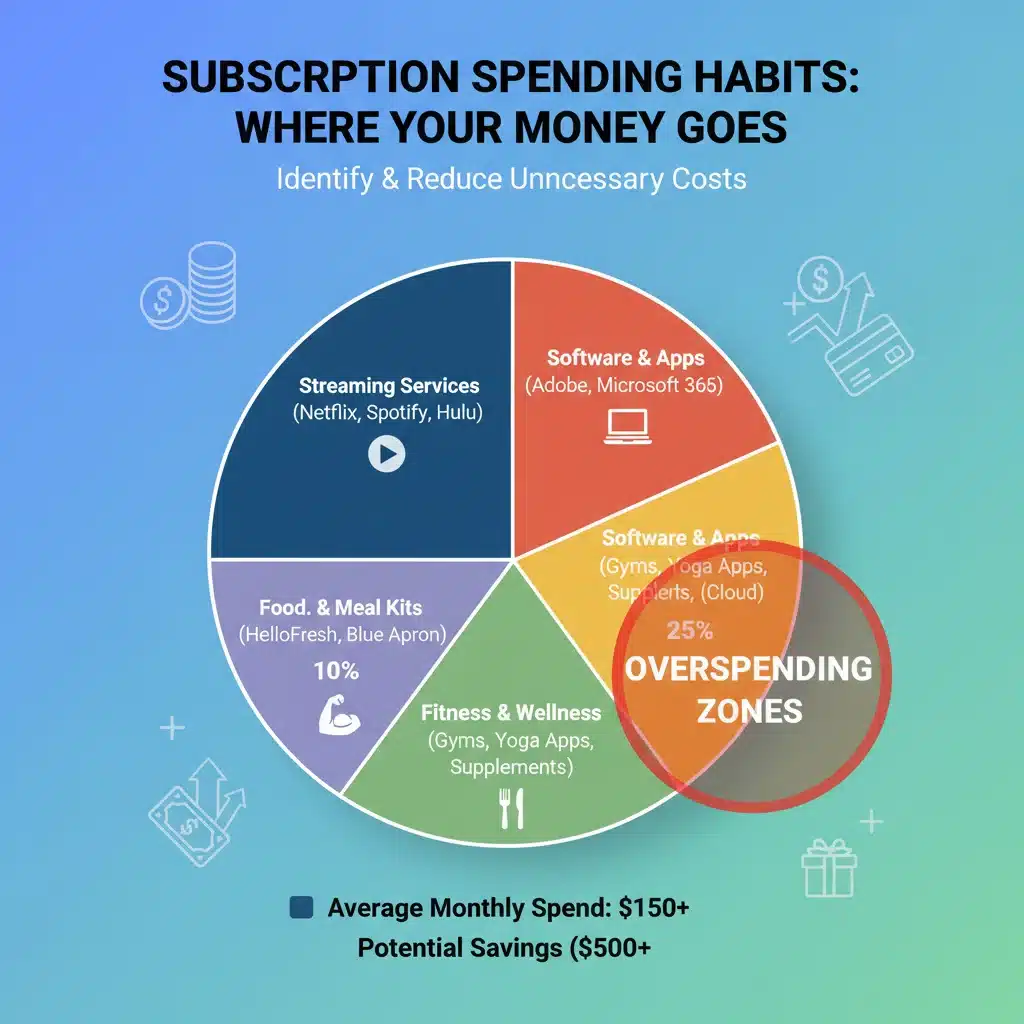
For each item on your master list, ask yourself the following questions:
- How often do I use this service? Be brutally honest. Do you log in daily, weekly, monthly, or hardly ever? For physical subscriptions like meal kits, are you consistently using all the deliveries?
- Does this service provide significant value to my life? This is subjective but important. Does it save you time, bring you joy, educate you, or help you achieve a goal?
- Can I get this service or a similar benefit for free or cheaper elsewhere? For example, could you use a free version of a productivity app, or borrow books from the library instead of an audiobook subscription?
- Is this a ‘nice-to-have’ or a ‘must-have’? Differentiate between luxuries and necessities. While some luxuries are justifiable, many are not, especially when aiming to cut 20% of spending.
- Am I paying for duplicate services? This is common with streaming (e.g., two movie services, but only watching one) or cloud storage (e.g., paying for iCloud and Dropbox when one suffices).
- When was the last time I actively engaged with this service? If you can’t remember, that’s a strong indicator it might be unnecessary.
Categorizing Your Subscriptions:
To aid in your decision-making, categorize each subscription on your list into one of the following:
- Keep: Essential services you use frequently and derive significant value from.
- Consider Downgrading/Alternatives: Services you use but might be able to get a cheaper plan, a free alternative, or a similar service that costs less.
- Cancel: Services you rarely use, provide minimal value, or are duplicates. These are your primary targets for cutting.
This critical evaluation is where the real work of the subscription spending audit happens. It requires discipline to look past the initial excitement of signing up for a service and focus on its current utility and financial impact. Remember, the goal is to identify that 20% of unnecessary spending by March 2026.
Phase 3: The Action Plan – Cutting, Downgrading, and Optimizing
Once you’ve categorized your subscriptions, it’s time to take action. This phase of the subscription spending audit is where you translate your evaluations into tangible savings. Don’t procrastinate; the sooner you act, the sooner you’ll see the financial benefits.
Strategies for Reducing Your Subscription Spending:
- Cancel Unnecessary Subscriptions Immediately: For all services marked ‘Cancel,’ initiate the cancellation process without delay. Be aware that some companies make cancellation difficult, requiring phone calls or navigating complex menus. Be persistent. If you’re on a free trial, cancel before it auto-renews.
- Downgrade Plans: For services marked ‘Consider Downgrading,’ explore cheaper tiers. Do you really need the premium version of a streaming service or the highest tier of cloud storage? Often, a basic plan suffices.
- Seek Free Alternatives: Can you replace a paid app with a free, open-source, or ad-supported version? Libraries offer free access to books, audiobooks, movies, and even some online courses.
- Bundle Services: Some providers offer discounts if you bundle multiple services (e.g., internet, TV, phone). Also, some credit card companies or mobile carriers offer free subscriptions as perks. Check if you’re eligible.
- Rotate Subscriptions: Instead of paying for three streaming services year-round, consider rotating them. Subscribe to one for a few months, binge content, then cancel and subscribe to another. This way, you only pay for what you’re actively watching.
- Negotiate: For some services, especially gym memberships or older software subscriptions, you might be able to call customer service and negotiate a lower rate, especially if you indicate you’re considering canceling.
- Share Accounts (Ethically and Legally): For family plans, ensure you’re sharing with the maximum allowed users to split costs, where permitted by the service’s terms of service.
- Leverage Annual Billing: If you’re absolutely sure you’ll use a service for the entire year, paying annually often results in a significant discount compared to monthly payments. However, be cautious with this, as it locks you in.
As you implement these strategies, track your progress. Update your master list with the new costs or mark services as ‘cancelled.’ This will give you a clear picture of how close you are to your 20% reduction target by March 2026.
Phase 4: Sustaining Savings – Long-Term Subscription Management
A one-time subscription spending audit is a great start, but to truly achieve lasting financial impact and maintain that 20% reduction, you need a long-term strategy. Subscription creep is a persistent threat, and without ongoing vigilance, those unnecessary charges can slowly re-emerge.
Best Practices for Ongoing Management:
- Regular Audits: Make your subscription spending audit a regular practice. Schedule a review every 6-12 months. This ensures new subscriptions don’t go unnoticed and that your usage still aligns with the value you’re receiving.
- Be Mindful of New Sign-Ups: Before subscribing to anything new, even a free trial, ask yourself the same critical questions from Phase 2. Is it truly necessary? Can you get by without it? Set a reminder to cancel free trials before they convert to paid.
- Use a Dedicated Card (Optional): Some people find it helpful to use a specific credit card solely for subscriptions. This makes it easier to track and identify recurring charges on statements.
- Set Calendar Reminders: For annual subscriptions, set a calendar reminder a month before the renewal date. This gives you time to re-evaluate if you still need the service and to cancel if you don’t.
- Review Your Goals: Periodically revisit your financial goals. How is the money you’re saving from your subscription spending audit contributing to these goals? This continuous reinforcement can motivate you to stay vigilant.

The Financial Impact: Reaching Your 20% Goal by March 2026
Let’s talk numbers. The average household spends a significant amount on subscriptions annually. Even a modest estimate of $100-$200 per month across various services means $1200-$2400 per year. Cutting 20% of this could mean saving $240-$480 annually. Over several years, this compounds into thousands. By March 2026, consistent application of your subscription spending audit will not only achieve but potentially exceed this 20% target.
Consider what you could do with that extra money:
- Boost Your Emergency Fund: A stronger safety net provides peace of mind.
- Accelerate Debt Repayment: Extra payments can significantly reduce interest paid and shorten the repayment period.
- Invest for the Future: Even small, consistent investments can grow substantially over time thanks to compound interest.
- Fund a Vacation or Major Purchase: Dedicate the savings to a desired experience or item.
- Improve Your Daily Cash Flow: Simply having more disposable income each month can reduce financial stress.
The cumulative effect of a disciplined subscription spending audit is profound. It’s not just about cutting costs; it’s about reallocating your resources to align with your true priorities and financial aspirations. This proactive approach to managing your finances empowers you, turning passive spending into intentional saving and investing.
Common Pitfalls and How to Avoid Them
While the process of conducting a subscription spending audit is straightforward, there are common traps that can derail your efforts. Being aware of these can help you navigate the process more effectively and ensure you hit your 20% savings target.
- Underestimating the Problem: Many people believe they don’t have many subscriptions or that their total spending isn’t significant. This denial can prevent them from starting the audit. Remember, even small amounts add up.
- Fear of Missing Out (FOMO): Canceling a streaming service or a gaming subscription might trigger FOMO, especially if friends are still using it. Focus on your personal financial goals and the value you derive, not what others are doing.
- Difficulty Canceling: Some companies intentionally make cancellation processes cumbersome. Don’t get discouraged. Persistence is key. Look for online guides or contact customer support directly.
- Forgetting About Annual Subscriptions: These are easy to miss if you only review recent statements. A full year’s review is essential to catch these larger, less frequent charges.
- Not Setting Reminders for Free Trials: The free trial trap is real. Always set a calendar reminder to cancel before the trial period ends if you don’t intend to keep the service.
- Lack of Ongoing Vigilance: A one-time audit isn’t enough. Without regular check-ins, new subscriptions will inevitably creep back in. Make it a habit.
- Ignoring Small Charges: Thinking ‘it’s only a few dollars’ for a single subscription can lead to overlooking several small, unnecessary charges that collectively amount to a significant sum. Every dollar counts towards your 20% goal.
By being mindful of these pitfalls, you can streamline your subscription spending audit and ensure a smoother, more successful path to financial optimization.
Conclusion: Empowering Your Financial Future
Undertaking a comprehensive subscription spending audit is more than just a budgeting exercise; it’s an act of financial empowerment. It puts you back in the driver’s seat of your money, allowing you to consciously decide where your hard-earned income goes. By meticulously inventorying, critically evaluating, and strategically acting on your recurring charges, you can realistically achieve the goal of cutting 20% of your unnecessary spending by March 2026. The long-term financial impact of this discipline is immense, freeing up resources that can be channeled towards your most important financial aspirations. Start your audit today, embrace the power of intentional spending, and watch your financial future transform. Your future self, with more savings, less debt, and greater financial freedom, will thank you.