Seasonal Shopping Calendar 2026: Save Big All Year Round
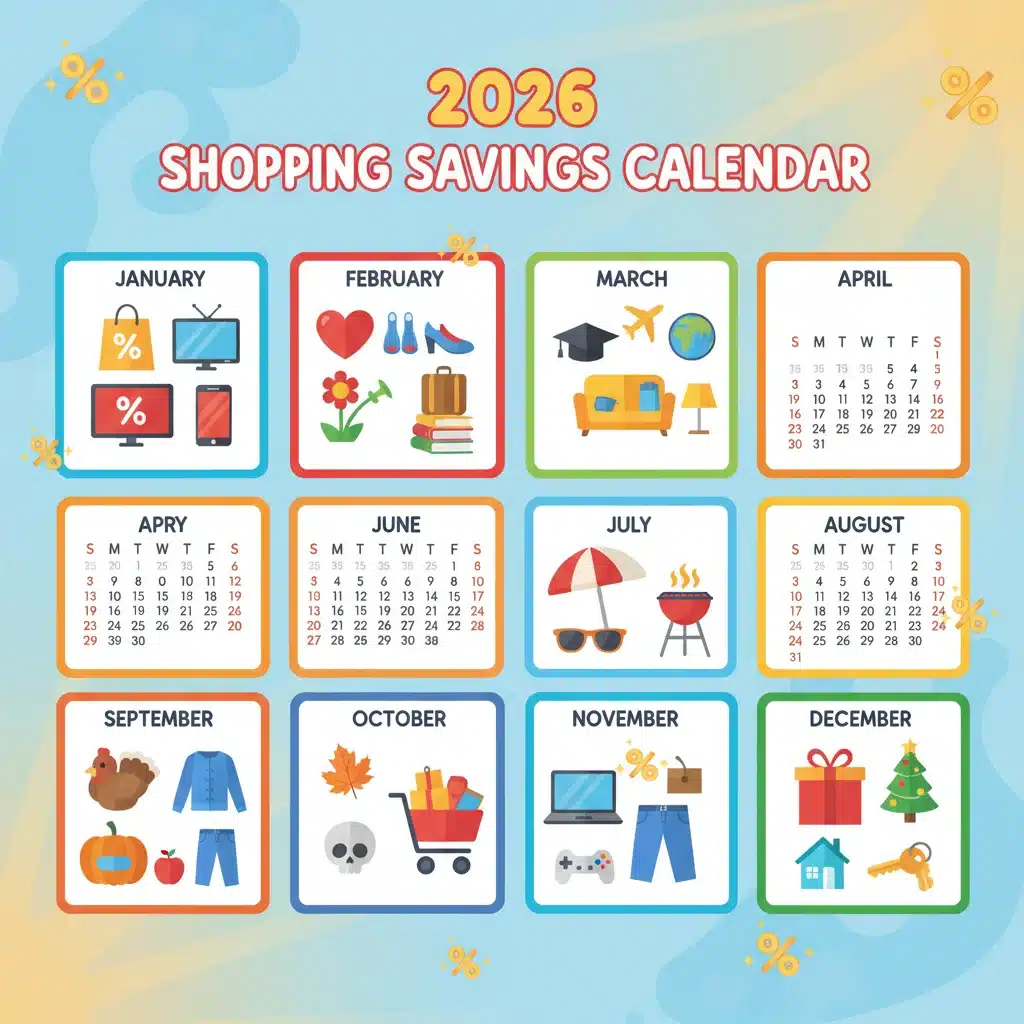
Are you tired of buying items only to see them go on sale a few weeks later? Do you wish you had a crystal ball to predict the best times to snag those coveted gadgets, stylish clothes, or even a dream vacation at a fraction of the price? Well, you don’t need a crystal ball when you have a well-researched seasonal shopping calendar. In this comprehensive guide, we’ll unveil the ultimate seasonal shopping calendar for 2026, designed to help you save an average of $500 annually, simply by timing your purchases right. Understanding the cyclical nature of retail sales is a game-changer for your wallet, transforming you from a reactive buyer into a proactive, savvy consumer.
The secret to significant savings isn’t just about finding a good deal; it’s about knowing *when* retailers are most motivated to offer those deals. This often aligns with seasonal changes, inventory clearances, new model releases, and major holidays. By planning your purchases around these predictable patterns, you can avoid paying full price and instead capitalize on steep discounts. This isn’t just about big-ticket items; even everyday essentials can see price drops if you know when to look. Let’s dive into the specifics of how a well-structured seasonal shopping calendar can revolutionize your spending habits in 2026.
Understanding the Rationale Behind Seasonal Sales
Before we jump into the calendar itself, it’s crucial to understand why these sales cycles exist. Retailers operate on a model of supply and demand, inventory management, and competitive pricing. When new models of electronics are released, older models need to be cleared out. When a new fashion season begins, last season’s styles become heavily discounted. Holidays like Black Friday, Cyber Monday, and even smaller events like President’s Day or Labor Day are strategically used to drive consumer traffic and move merchandise. Understanding these underlying motivations empowers you to predict sales even without a calendar, though our 2026 seasonal shopping calendar will do most of the heavy lifting for you.
The Power of Patience: Your Greatest Saving Tool
One of the most underrated tools in a savvy shopper’s arsenal is patience. Impulse purchases rarely yield the best prices. By consulting your seasonal shopping calendar, you can identify when an item you need or want is likely to be at its lowest price point. This allows you to plan ahead, save up, and then pounce when the deal is ripe. Imagine needing a new television. Instead of buying it the moment your old one breaks, knowing that new models often arrive in spring and older ones are discounted in late winter/early spring or around Black Friday can save you hundreds. This strategic delay is key to maximizing your savings.
Advertisements
January: New Year, New Deals (and Clearances!)
January is a fantastic month for bargain hunters, primarily due to post-holiday clearances and the need for retailers to make space for new inventory. It’s an excellent start to your seasonal shopping calendar for 2026.
- Fitness Equipment & Apparel: With New Year’s resolutions in full swing, gyms and retailers heavily discount fitness gear to attract new customers. Look for deals on treadmills, ellipticals, weights, and activewear.
- Linens & Bedding: The ‘White Sales’ tradition dates back to the 1800s, and January remains the best time to buy sheets, towels, and other bedding essentials. Retailers clear out old stock before new collections arrive.
- Holiday Decorations: If you’re planning for next Christmas, January is the absolute best time to stock up on lights, ornaments, and artificial trees at massive discounts (often 75% or more off!).
- Winter Apparel: Towards the end of the month, as spring collections start to trickle in, winter coats, sweaters, and boots go on deep clearance.
- Televisions: Leading up to the Super Bowl, many retailers offer significant discounts on TVs, making it a prime time if you’re in the market for a new display.
February: Sweetheart Deals and Inventory Shifts
February might be short, but it’s long on savings, especially as retailers start shifting from winter to spring inventory. Keep an eye on these categories in your seasonal shopping calendar.
- Winter & Holiday Leftovers: Continued clearance on winter clothing, holiday candy, and decor that didn’t sell in January.
- Televisions & Home Theater: Post-Super Bowl sales often extend into early February, presenting another opportunity for electronics.
- Home Goods & Furniture: New furniture models often debut in February, leading to discounts on older inventory. It’s a good month for mattresses too.
- Jewelry & Chocolates (Post-Valentine’s Day): While prices spike before Valentine’s Day, the days immediately after can bring discounts on remaining inventory, especially for chocolates and some jewelry pieces.
March: Spring Cleaning and Outdoor Prep
As spring approaches, your seasonal shopping calendar should highlight items related to home improvement, outdoor activities, and some lingering winter clearances.
- Luggage: With spring break and summer travel on the horizon, retailers often offer sales on luggage.
- Tax Software: As the tax deadline approaches, you’ll find promotions on tax preparation software.
- St. Patrick’s Day Sales: While not as widespread, some retailers offer themed discounts.
- Winter Sports Gear: End-of-season sales for skis, snowboards, and other winter sports equipment.
April: Tax Refunds and Spring Refresh
April often sees consumers with tax refunds, and retailers are ready with sales. It’s a key month on your seasonal shopping calendar for certain categories.
- Spring Apparel: Early spring collections will be fully stocked, but towards the end of the month, some retailers might start offering initial discounts to make way for summer lines.
- Vacuums: New models are often released in late spring, so look for deals on older models.
- Cruises & Travel Deals: As the peak summer travel season approaches, some cruise lines and travel agencies offer last-minute deals for spring or early summer departures.
May: Memorial Day Madness and Outdoor Living
May kicks off the summer shopping season with significant Memorial Day sales, making it a crucial month in your seasonal shopping calendar for big-ticket items.
- Appliances: Memorial Day is one of the best times of the year to buy major appliances like refrigerators, washers, and dryers.
- Mattresses: Similar to appliances, mattress retailers offer steep discounts during Memorial Day sales.
- Outdoor Gear & Patio Furniture: As people prepare for summer, retailers discount grills, patio sets, and gardening tools.
- Spring Apparel: Deep discounts on spring clothing as summer lines take over.
June: Father’s Day and Summer Kick-Off
June brings Father’s Day sales and the official start of summer, influencing what’s on sale in your seasonal shopping calendar.
- Tools & Hardware: Father’s Day promotions often mean great deals on power tools, hand tools, and home improvement supplies.
- Gym Memberships: Post-New Year’s resolution slump means gyms often offer discounts to attract new members for summer.
- Lingerie: Semi-annual sales for lingerie often occur in June.
- Electronics (Smaller Gadgets): While not a major electronics month, you might find deals on smaller gadgets suitable for Father’s Day gifts.
July: Independence Day and Mid-Summer Clearances
July is characterized by Independence Day sales and the beginning of serious summer clearances. This is a prime time for certain purchases on your seasonal shopping calendar.
- Summer Apparel: Expect significant markdowns on swimsuits, shorts, sandals, and other summer clothing as retailers make way for fall fashion.
- Outdoor Gear: Grills, patio furniture, and other outdoor living items continue to be discounted.
- Electronics (Prime Day): Amazon’s Prime Day (and competing sales from other retailers) typically happens in July, offering excellent deals on a wide range of electronics, smart home devices, and other goods. This is a major highlight for your seasonal shopping calendar.
- Furniture: End-of-summer furniture sales begin.

August: Back-to-School and End-of-Summer Blowouts
August is a transition month, marked by back-to-school preparations and the final push to clear out summer inventory. It’s a critical month for your seasonal shopping calendar for specific needs.
- Back-to-School Supplies: Excellent deals on school supplies, backpacks, and kids’ clothing.
- Computers & Electronics: Laptops, tablets, and other electronics see good discounts for students.
- Lawn Mowers & Outdoor Equipment: End-of-season sales as gardening season winds down.
- Swimsuits & Summer Apparel: Deepest discounts of the year on summer clothing.
September: Labor Day and Fall Arrivals
September ushers in fall, and Labor Day sales are a major event. This is a prime time for certain big purchases on your seasonal shopping calendar.
- Appliances: Labor Day is another excellent time, alongside Memorial Day, to buy major appliances.
- Mattresses: Expect significant discounts during Labor Day sales.
- Outdoor Living: Final clearances on grills, patio furniture, and outdoor decor.
- New Model Cars: New car models typically arrive in the fall, meaning last year’s models are heavily discounted.
- iPhones: New iPhones are usually announced in September, leading to potential discounts on older models.
October: Pre-Holiday Calm Before the Storm
October is a relatively quieter month for major sales, but it’s a good time to snag deals on specific items before the holiday rush. It’s a strategic month in your seasonal shopping calendar.
- Jeans: Fall fashion is in full swing, and retailers often offer promotions on denim.
- Outdoor Gear (Camping/Hiking): End-of-season sales for camping gear, tents, and hiking equipment.
- Candy (Post-Halloween): The day after Halloween is the best time to buy candy at steep discounts.
- Travel (Off-Peak): If you’re looking for cheaper travel, October can be an off-peak month for many destinations.
November: Black Friday and Cyber Monday Extravaganza
November is arguably the biggest shopping month of the year, dominated by Black Friday and Cyber Monday. This is a non-negotiable highlight in your seasonal shopping calendar for virtually everything.
- Electronics: The absolute best time for TVs, laptops, smartphones, gaming consoles, and smart home devices.
- Appliances: Another prime opportunity for major appliances.
- Clothing & Accessories: Nearly every clothing retailer offers significant discounts.
- Toys: Early holiday toy sales begin.
- Travel: Airlines and hotels often release Black Friday/Cyber Monday travel deals.
Preparing for November sales means doing your research in advance, making a list, and being ready to act fast. Many deals are time-sensitive and have limited stock. This month alone can account for a significant portion of your annual savings if you plan correctly using your seasonal shopping calendar.
December: Last-Minute Deals and Post-Christmas Sales
December starts with Cyber Monday extended deals and transitions into last-minute holiday shopping, culminating in significant post-Christmas sales. It’s the grand finale of your seasonal shopping calendar.
- Electronics: While Black Friday often has the absolute lowest prices, good deals continue throughout early December. Post-Christmas sales offer another chance to snag electronics.
- Toys: Deep discounts on toys after Christmas.
- Gift Sets & Beauty Products: Holiday gift sets are heavily discounted after Christmas.
- Winter Apparel: Expect early markdowns on winter clothing as retailers prepare for spring.
- Cars: Dealerships are often keen to meet year-end quotas, making late December an excellent time to buy a new car.
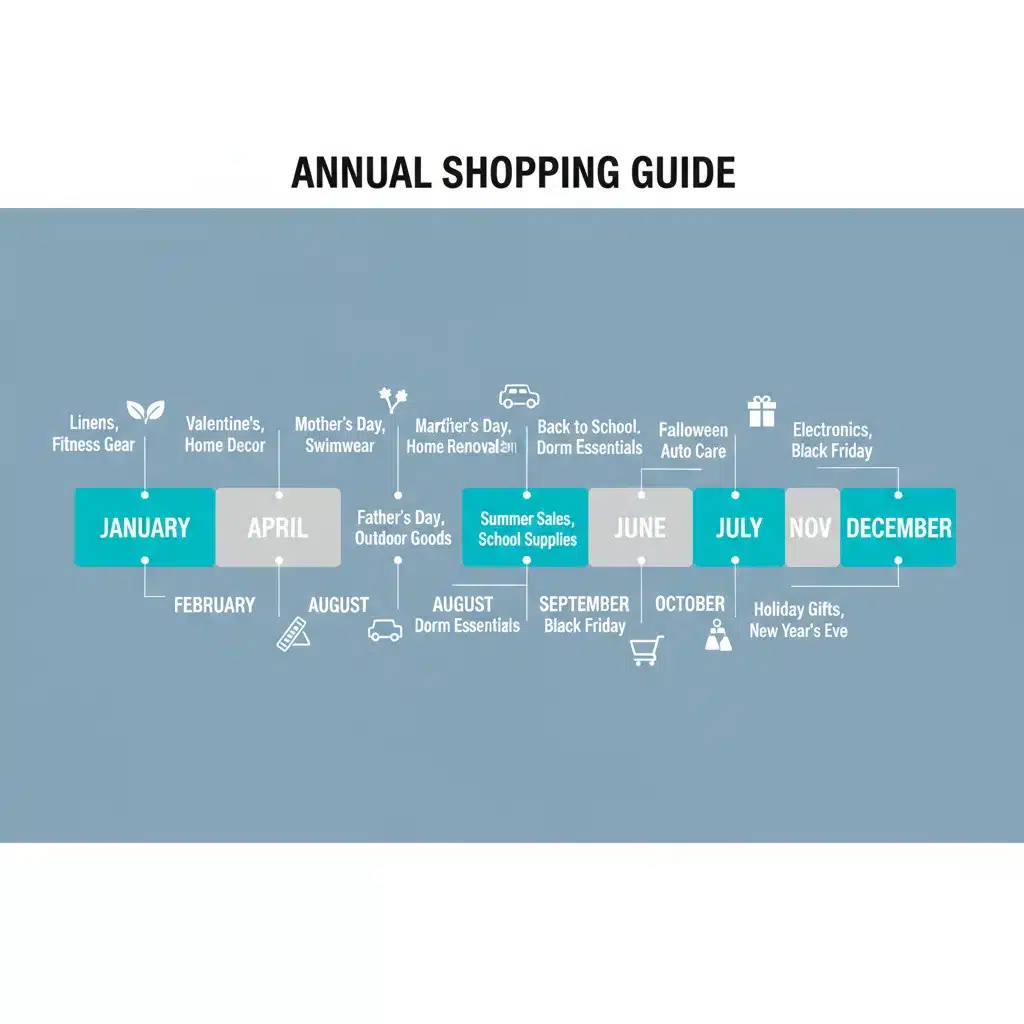
Beyond the Calendar: Advanced Saving Strategies
While our seasonal shopping calendar provides a robust framework, combining it with other smart shopping habits can amplify your savings even further.
1. Price Tracking Tools
Use browser extensions or apps that track price history on various products. This allows you to see if a ‘sale’ price is genuinely a good deal or if the item has been cheaper in the past. Tools like CamelCamelCamel for Amazon or Honey can be invaluable.
2. Newsletter Subscriptions
Sign up for email newsletters from your favorite retailers. Many stores offer exclusive discounts to subscribers, often including a percentage off your first purchase. Just be sure to create a separate email address for these, so your primary inbox doesn’t get overwhelmed.
3. Loyalty Programs
Join loyalty programs for stores you frequent. These often provide members with early access to sales, exclusive discounts, and points that can be redeemed for future purchases.
4. Comparison Shopping
Never buy an item from the first retailer you see. Always compare prices across multiple stores, both online and brick-and-mortar, to ensure you’re getting the best deal. Use price comparison websites to streamline this process.
5. Set a Budget and Stick to It
Even the best deals can lead to overspending if you don’t have a budget. Determine how much you can realistically spend on certain categories each month or year and stick to those limits. The seasonal shopping calendar helps you allocate your budget effectively by showing you when to prioritize certain purchases.
6. Consider Refurbished or Open-Box Items
For electronics and appliances, refurbished or open-box items can offer significant savings with little to no compromise on quality, especially if they come with a warranty. Always check the return policy and warranty details.
7. Utilize Credit Card Rewards
If you have a rewards credit card, strategically use it for your purchases. Some cards offer bonus points or cashback in specific categories that align with seasonal shopping, further increasing your savings. Always pay off your balance to avoid interest.
8. Be Wary of "Fake" Sales
Not every sale is a true bargain. Some retailers inflate prices before a sale to make the discount seem larger than it is. This is where price tracking tools become essential. A true seasonal shopping calendar helps you identify genuine sale periods.
Planning for 2026: Your Personal Savings Blueprint
Now that you have the 2026 seasonal shopping calendar, it’s time to create your personal savings blueprint. Here’s how:
- List Your Needs & Wants: Go through your home, make a list of items you anticipate needing or wanting in 2026. This could be a new sofa, a bigger TV, new winter coats, or even a vacation.
- Consult the Calendar: Cross-reference your list with our seasonal shopping calendar. Note down the ideal months to purchase each item.
- Set Price Alerts: For big-ticket items, set price alerts on various shopping apps and websites. This way, you’ll be notified immediately when the price drops to your desired level.
- Save Strategically: If you know you want a new appliance in May, start setting aside money for it in January. This prevents impulse buying and ensures you have the funds when the sale hits.
- Review and Adapt: Retail environments can change, so periodically review your plan and adapt as needed. Stay informed about upcoming sales events and new product releases.
By proactively using this seasonal shopping calendar, you’re not just waiting for sales; you’re anticipating them and positioning yourself to take full advantage. This structured approach to shopping removes the guesswork and replaces it with a clear, actionable plan for saving money throughout 2026.
The Long-Term Impact of Smart Seasonal Shopping
Saving $500 annually might seem like a modest goal for some, but the cumulative effect over several years is substantial. That’s $500 that can go into your savings, investments, or be used to fund experiences rather than simply paying more for everyday goods. Moreover, adopting a seasonal shopping mindset fosters a more mindful approach to consumption. You become less susceptible to marketing ploys and more focused on value, quality, and genuine need.
This isn’t just about being frugal; it’s about being financially intelligent. It’s about empowering yourself with knowledge and turning that knowledge into tangible savings. The 2026 seasonal shopping calendar is more than just a list of dates; it’s a tool for financial freedom, a guide to making smarter decisions, and a pathway to a more robust personal budget. Start implementing these strategies today, and watch your savings grow throughout the year.