Refurbished Electronics 2026: Save 30% Without Sacrificing Quality
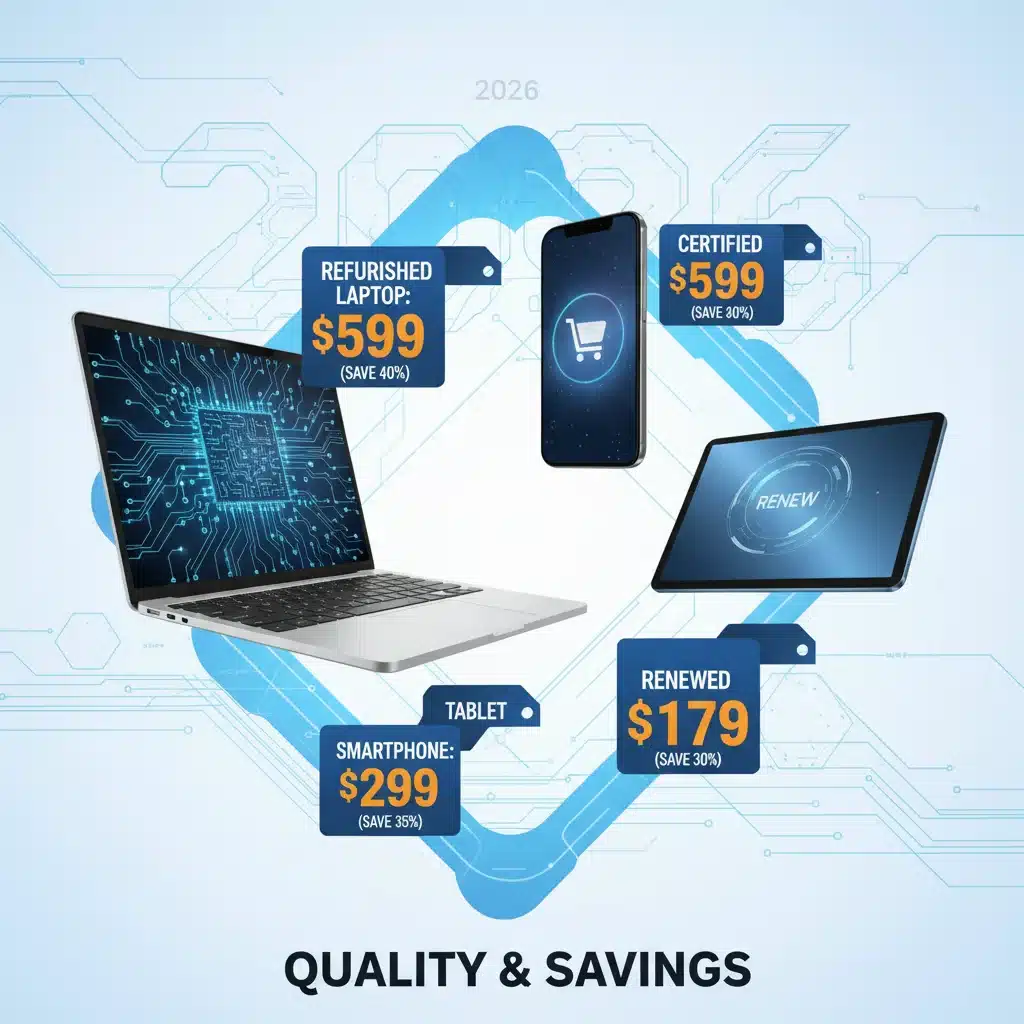
In an era where technology evolves at lightning speed, keeping up with the latest gadgets can feel like a relentless pursuit, often accompanied by a significant dent in your wallet. However, what if there was a way to access cutting-edge technology, save a substantial amount of money, and contribute to a more sustainable future, all at once? Welcome to the world of refurbished electronics, a market that by 2026 is not just an alternative but a smart, strategic choice for savvy consumers.
This comprehensive guide, ‘The 2026 Guide to Shopping for Refurbished Electronics: Save 30% Without Sacrificing Quality,’ is your definitive resource for navigating this booming sector. We’re not just talking about minor discounts; we’re exploring how you can realistically save 30% or more on high-quality devices, from smartphones and laptops to smart home gadgets and gaming consoles, all while ensuring they meet your performance expectations. The financial impact of choosing refurbished is undeniable, but the benefits extend far beyond your bank account.
The perception of refurbished electronics has undergone a dramatic transformation. Gone are the days when ‘refurbished’ was synonymous with ‘second-hand’ or ‘faulty.’ Today, it signifies a product that has been professionally inspected, repaired (if necessary), cleaned, and certified to be in excellent working condition, often backed by warranties that rival new products. This shift is driven by advancements in refurbishment processes, stricter quality control, and a growing consumer awareness of both economic and environmental advantages.
As we delve into 2026, the refurbished market is more mature, transparent, and reliable than ever before. This guide will equip you with the knowledge and tools to confidently make informed purchasing decisions, identify reputable sellers, understand warranty terms, and avoid common pitfalls. Whether you’re a budget-conscious student, an eco-minded professional, or simply looking for the best value, embracing refurbished electronics is a move that makes sense on multiple levels.
Advertisements
Understanding the Refurbished Market in 2026: A Paradigm Shift
The landscape of consumer electronics is constantly evolving, and by 2026, the refurbished market has solidified its position as a major player. This isn’t just about reselling old devices; it’s a sophisticated ecosystem designed to extend the lifecycle of electronics, reduce e-waste, and provide consumers with affordable, high-quality alternatives to brand-new products.
What Exactly Does ‘Refurbished’ Mean Now?
The term ‘refurbished’ can be nuanced, but generally, it refers to a product that has been returned to the manufacturer or a certified refurbisher, inspected, repaired (if needed), tested, and restored to a “like-new” or “excellent” working condition. It’s crucial to distinguish between ‘used,’ ‘open-box,’ and ‘refurbished’:
- Used: Often sold “as is” by individuals, with no guarantee of functionality or repairs.
- Open-Box: Products returned by customers shortly after purchase, often due to buyer’s remorse or minor cosmetic damage. They haven’t necessarily undergone extensive testing or repairs.
- Refurbished: The gold standard in pre-owned tech. These items have been subjected to rigorous testing, repairs, and quality assurance processes by professionals.
The Growth Drivers of Refurbished Electronics in 2026
Several factors are fueling the substantial growth and acceptance of refurbished electronics:
- Economic Pressures: With rising inflation and cost of living, consumers are actively seeking ways to save money without compromising on essential technology. Refurbished options offer significant savings, often 30-50% off retail prices for comparable new models.
- Environmental Consciousness: The global push for sustainability has made consumers more aware of the environmental impact of electronic waste. Choosing refurbished helps reduce e-waste, conserve resources, and lower carbon footprints.
- Improved Quality and Certification: Refurbishment processes have become highly standardized and sophisticated. Many manufacturers and certified third-party refurbishers offer extensive warranties and guarantees, instilling confidence in buyers.
- Technological Maturity: The pace of “revolutionary” tech advancements has slowed in some categories. Many devices from a year or two ago still offer excellent performance that meets most users’ needs, making refurbished older models highly attractive.
- Market Transparency: Reputable platforms and marketplaces have emerged, providing clear grading systems, detailed product descriptions, and customer reviews, making it easier for buyers to assess the condition and reliability of refurbished items.
The Financial Impact: Saving 30% (or More) on Your Tech Purchases
The most immediate and compelling reason for many to consider refurbished electronics is the significant cost savings. In 2026, these savings are not just theoretical; they are a tangible reality that can dramatically impact your personal or business budget.
Real-World Savings Scenarios
Let’s look at some examples of potential savings you can expect:
- High-End Smartphones: A flagship smartphone released 12-18 months ago, when purchased refurbished, can often be 30-40% cheaper than its original retail price, yet still offer top-tier performance, camera quality, and features.
- Laptops and Desktops: For powerful work or gaming laptops, savings can range from 25-50%. This allows you to afford a higher-spec model refurbished than you could new for the same budget.
- Tablets and Smartwatches: These devices often see substantial price drops in the refurbished market, making them accessible to a wider audience.
- Gaming Consoles: With new console generations, the previous generation’s consoles become excellent refurbished buys, offering a vast library of games at a fraction of the cost.
These savings aren’t just for individual purchases. For businesses looking to equip their teams, purchasing refurbished laptops or monitors can lead to thousands of dollars in savings annually, freeing up capital for other investments.
Beyond the Price Tag: Total Cost of Ownership
When evaluating the financial impact, it’s important to consider the total cost of ownership (TCO). While a new device might come with a “fresh out of the box” feeling, refurbished devices often come with:
- Similar Warranties: Many reputable refurbishers offer warranties comparable to new products, typically 90 days to a year, mitigating risk.
- Reduced Depreciation: New electronics depreciate rapidly. A refurbished device has already taken its initial depreciation hit, meaning its value will likely hold better if you decide to resell it later.
- Included Accessories: Often, refurbished devices come with all necessary accessories, just like new ones.
By focusing on TCO, the financial argument for refurbished electronics becomes even stronger, demonstrating that the initial savings are just one part of the overall value proposition.
Ensuring Quality: What to Look for in 2026
The key to a successful refurbished purchase lies in ensuring the quality and reliability of the device. By 2026, the industry has established clearer standards and practices, but vigilance on the part of the buyer is still paramount.
Reputable Sellers and Platforms
The first and most critical step is choosing where to buy. Opt for sellers with established reputations and transparent processes:
- Manufacturer Refurbished Stores: Brands like Apple, Dell, HP, and Samsung often have their own refurbished sections. These are typically the safest bets, as products are refurbished by the original manufacturer and often come with original warranties.
- Certified Third-Party Refurbishers: Companies specializing in refurbishment (e.g., Back Market, Gazelle, Swappa) often have stringent testing processes and offer their own warranties. Look for certifications or partnerships that indicate high standards.
- Major Retailers: Large electronics retailers sometimes offer refurbished items, often with their own return policies and support.
- Avoid “As Is” Sales: Steer clear of private sellers or platforms that offer no guarantees or return policies. The allure of a super-low price often hides potential issues.
Understanding Refurbishment Grades
Many sellers use a grading system to describe the cosmetic condition of refurbished products. While standards can vary, here’s a common breakdown:
- Grade A (Excellent/Like New): Minimal to no signs of wear. Functions perfectly.
- Grade B (Good): Minor cosmetic imperfections (e.g., light scratches on casing) that don’t affect performance. Functions perfectly.
- Grade C (Fair): More noticeable cosmetic wear (e.g., deeper scratches, small dents) but fully functional.
Always check the seller’s specific grading definitions. If cosmetic condition is important to you, aim for Grade A or B.

Key Checks Before and After Purchase
- Warranty Information: A robust warranty is non-negotiable. Look for at least a 90-day warranty, with 12 months being ideal. Understand what the warranty covers (parts, labor, battery life) and the return policy.
- Return Policy: A good return policy (e.g., 30-day money-back guarantee) allows you to test the device thoroughly and return it if it doesn’t meet expectations.
- Battery Health: For devices with integrated batteries (laptops, smartphones), inquire about battery health. A good refurbished device should have a battery capacity of at least 80% of its original capacity.
- Accessories: Confirm what accessories are included. Original chargers and cables are preferable, but high-quality third-party alternatives are acceptable.
- Software and Operating System: Ensure the device comes with a legitimate, activated operating system and is free of bloatware.
- Physical Inspection (Upon Receipt):
- Screen: Check for dead pixels, discoloration, or scratches.
- Ports: Test all USB, HDMI, audio, and charging ports.
- Buttons: Ensure all physical buttons (power, volume, home) are responsive.
- Camera/Microphone: Test both front and rear cameras and the microphone.
- Connectivity: Verify Wi-Fi, Bluetooth, and cellular (if applicable) functionality.
- Sound: Test speakers and headphone jack.
The Environmental Advantage: Sustainable Tech Choices
Beyond the financial incentives, choosing refurbished electronics in 2026 is a powerful statement for environmental sustainability. The tech industry has a significant ecological footprint, and every refurbished purchase helps mitigate it.
Reducing E-Waste
Electronic waste (e-waste) is a growing global crisis. Discarded electronics contain hazardous materials like lead, mercury, and cadmium, which can leach into the environment. By extending the life of existing devices through refurbishment, we:
- Decrease Landfill Burden: Fewer devices end up in landfills.
- Reduce Pollution: Less hazardous waste contaminates soil and water.
Conserving Resources and Energy
The manufacturing of new electronics is resource-intensive, requiring vast amounts of raw materials and energy:
- Raw Material Extraction: Mining for precious metals, rare earth elements, and other materials is environmentally damaging. Refurbishment reduces the demand for these new extractions.
- Manufacturing Energy: Producing a new smartphone or laptop consumes significant energy, contributing to greenhouse gas emissions. Refurbishing a device uses a fraction of that energy.
By opting for refurbished, you’re directly contributing to a circular economy, where products are reused and recycled, minimizing waste and maximizing resource efficiency. This makes refurbished electronics not just a smart financial decision, but a responsible environmental one too.
Navigating the 2026 Refurbished Market: Tips and Best Practices
With the refurbished market becoming more sophisticated in 2026, here are some advanced tips and best practices to ensure you get the best deal and highest quality.
Timing Your Purchase
Just like new electronics, refurbished prices can fluctuate. Consider these timing strategies:
- After New Model Releases: When a new generation of a device is launched, prices for the previous generation (both new and refurbished) often drop significantly.
- Sales Events: Keep an eye out for major sales events like Black Friday, Cyber Monday, or seasonal clearances from reputable refurbishers.
- End of Year: Many retailers and refurbishers offer discounts towards the end of the year to clear inventory.
Read Reviews and Check Seller Ratings
The internet is your best friend here. Always:
- Check Seller Reviews: Look for consistent positive feedback regarding product quality, shipping, and customer service.
- Specific Product Reviews: If possible, find reviews for the specific refurbished model you’re considering.
- Forum Discussions: Tech forums can offer valuable insights and personal experiences with various refurbishers.
Don’t Be Afraid to Ask Questions
A reputable seller will be transparent and willing to answer your queries:
- What was the refurbishment process?
- What specific tests were performed?
- What is the exact battery health?
- Can you provide more detailed photos of the actual device?
Consider ‘Previous Generation’ Flagships
In 2026, a flagship smartphone or laptop from 2024 or 2025 is still incredibly powerful and capable for most users. These devices, when refurbished, offer unparalleled value compared to their brand-new, current-generation counterparts. You get premium features and performance without the premium price tag.
Common Misconceptions About Refurbished Electronics Debunked
Despite the advancements in the refurbished market, some outdated misconceptions persist. Let’s tackle them head-on.
Misconception 1: Refurbished Means “Broken” or “Faulty”
Reality: This is perhaps the biggest and most damaging misconception. Refurbished devices are explicitly repaired and tested to ensure full functionality. Often, the original “fault” might have been minor (e.g., a cosmetic scratch, a software glitch, or simply buyer’s remorse return). They are not merely “fixed” but “restored” to a high standard.
Misconception 2: Refurbished Products Don’t Come With Warranties
Reality: While “used” items typically lack warranties, reputable refurbished products almost always come with a warranty. Manufacturer refurbished items often carry the same warranty as new products. Third-party refurbishers usually offer a 90-day to one-year warranty. Always check the warranty terms before purchasing.
Misconception 3: Refurbished Devices Are Always Outdated
Reality: While some refurbished items are indeed older models, many are relatively new devices. Often, they are current-generation models returned shortly after purchase, or previous-generation flagships that are still very powerful. The refurbished market offers a wide range of devices, from cutting-edge to budget-friendly older models.
Misconception 4: You Can’t Trust the Seller
Reality: While caution is always advised when buying anything online, the refurbished market in 2026 is dominated by highly reputable sellers, including manufacturers themselves, certified refurbishers, and major retailers. These entities have significant brand reputations to uphold and invest heavily in quality control and customer satisfaction. Sticking to these known entities significantly reduces risk.
The Future of Refurbished Electronics: Beyond 2026
The trajectory of the refurbished electronics market indicates continued growth and integration into mainstream consumer habits. As technology becomes more ubiquitous and environmental concerns grow, the appeal of refurbished devices will only strengthen.
Emerging Trends
- AI-Powered Diagnostics: Advanced AI tools will further streamline and enhance the refurbishment process, making testing more accurate and efficient.
- Modular Design: As more devices adopt modular designs, refurbishment will become even easier and more cost-effective, allowing for easier component replacement.
- Subscription Models for Refurbished Tech: We may see an increase in subscription services where consumers can ‘rent’ refurbished devices, upgrading as new models become available, further promoting circularity.
- Increased Transparency and Traceability: Blockchain technology could be used to track the refurbishment history of a device, providing buyers with complete transparency and peace of mind.
The “new normal” in electronics purchasing is shifting, and refurbished items are at the forefront of this change, offering a compelling blend of affordability, quality, and sustainability.

Conclusion: Embrace the Smart Choice
As we navigate 2026 and beyond, the decision to purchase refurbished electronics is no longer a compromise but a smart, strategic choice. You can reliably save 30% or more on high-quality devices without sacrificing performance or peace of mind. By choosing refurbished, you’re not just making a financially savvy decision; you’re also actively participating in a more sustainable, circular economy, reducing your environmental footprint one gadget at a time.
Armed with the knowledge from this guide – understanding seller reputations, deciphering refurbishment grades, scrutinizing warranties, and performing diligent checks – you are well-equipped to unlock incredible value in the refurbished market. The future of tech consumption is here, and it’s efficient, affordable, and responsible. Make the switch, save big, and enjoy premium technology without the premium price tag.