The 2026 Guide to Sustainable Fashion: 5 Eco-Friendly Style Swaps for Your Wardrobe
Welcome to 2026, where sustainable fashion isn’t just a trend; it’s a lifestyle. As global awareness concerning environmental impact and ethical production intensifies, the fashion industry is undergoing a monumental shift. Consumers are increasingly demanding transparency, durability, and responsibility from their favorite brands. This comprehensive guide will navigate you through the exciting world of sustainable fashion in 2026, offering practical, stylish, and impactful ways to transform your wardrobe into a beacon of conscious consumerism. We’ll explore five essential eco-friendly style swaps that are not only good for the planet but also elevate your personal style.
The urgency for sustainable fashion is undeniable. The traditional fashion model, often dubbed ‘fast fashion,’ has led to staggering environmental degradation, including massive textile waste, excessive water consumption, chemical pollution, and significant carbon emissions. Moreover, it frequently relies on exploitative labor practices. In response, a powerful movement towards sustainability has emerged, championed by innovative designers, ethical brands, and informed consumers. This movement seeks to create a fashion ecosystem that respects both people and the planet, focusing on longevity, quality, and mindful consumption.
Our journey into sustainable fashion in 2026 begins with understanding the core principles that drive this movement. It’s about more than just buying ‘green’ products; it’s about a holistic approach to how we consume, care for, and dispose of our clothing. It involves scrutinizing supply chains, embracing circularity, and valuing craftsmanship over fleeting trends. By making deliberate choices, each of us can contribute to a more equitable and environmentally sound future for fashion.
This guide is designed to empower you with the knowledge and tools to make these changes. We’ll delve into specific, actionable swaps that you can integrate into your wardrobe starting today. From embracing organic materials to exploring the vibrant world of pre-loved clothing, these five eco-friendly style swaps will not only reduce your environmental footprint but also enhance your style with unique, high-quality pieces that tell a story. Get ready to embark on a stylish and sustainable adventure!
1. Embrace Organic and Recycled Fabrics: The Foundation of Sustainable Fashion 2026
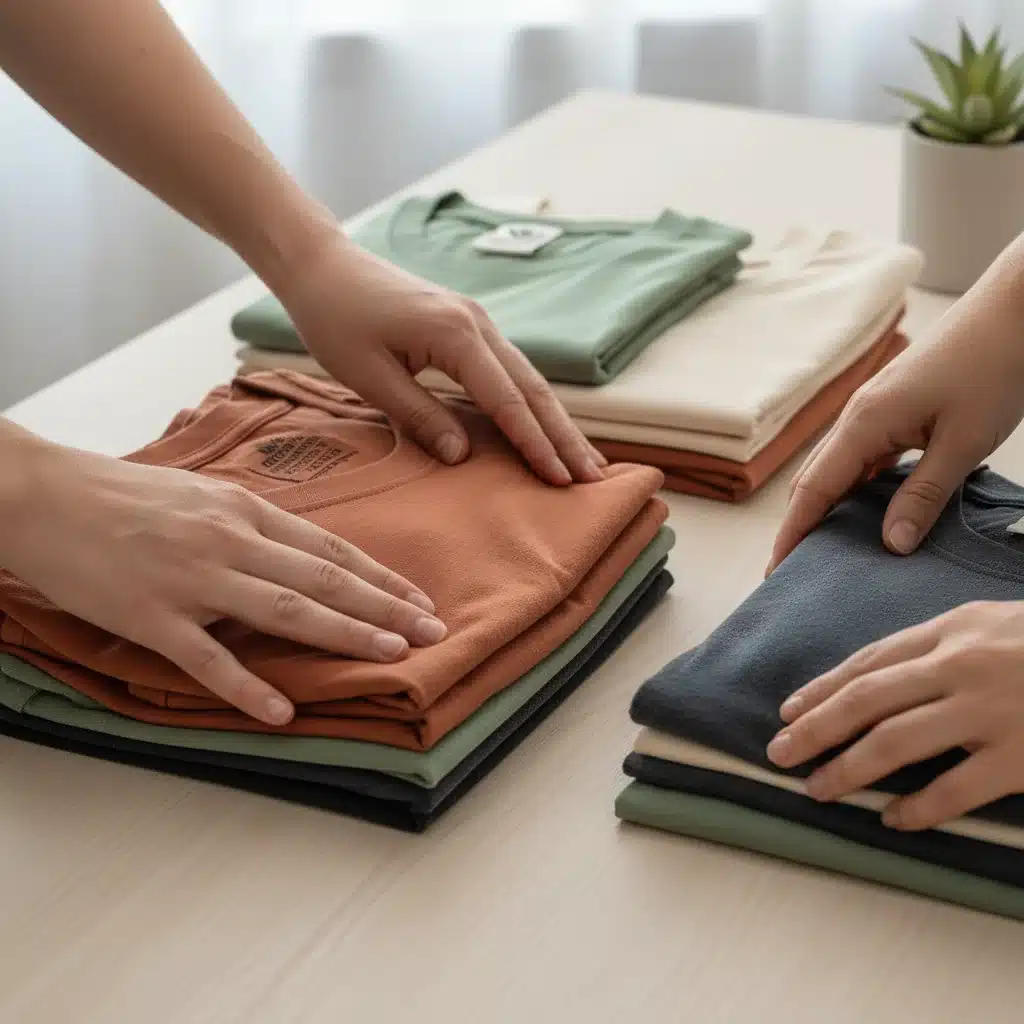
The first and perhaps most fundamental step towards a truly sustainable fashion wardrobe is a conscious shift in your fabric choices. Traditional fabrics like conventional cotton, polyester, and nylon come with significant environmental costs. Conventional cotton, for instance, is notorious for its intensive water usage and reliance on harmful pesticides. Polyester, a synthetic fiber derived from petroleum, contributes to plastic pollution and takes hundreds of years to decompose. The good news is that 2026 offers an abundance of innovative and environmentally friendly alternatives.
The Power of Organic Fibers
Organic cotton, hemp, and linen are leading the charge in natural, sustainable fibers. Organic cotton is grown without synthetic pesticides, herbicides, or genetically modified organisms, significantly reducing its environmental impact and promoting healthier soil and ecosystems. Its cultivation requires less water than conventional cotton, especially when rain-fed. Hemp is another superstar, known for its rapid growth, minimal water requirements, and ability to thrive without pesticides. It produces a strong, durable fiber that softens with age, making it ideal for long-lasting garments. Linen, derived from the flax plant, is also incredibly sustainable, requiring little water and no pesticides. It’s breathable, durable, and biodegradable, perfect for both everyday wear and more sophisticated pieces.
Innovations in Recycled Materials
Beyond natural organic fibers, recycled materials are revolutionizing the fashion industry. Recycled polyester (rPET), made from post-consumer plastic bottles, diverts waste from landfills and oceans, and significantly reduces energy consumption compared to virgin polyester production. Similarly, recycled nylon, often sourced from discarded fishing nets, helps clean up marine environments. The innovation doesn’t stop there; we’re seeing advancements in recycled cotton, wool, and even cashmere, transforming textile waste into valuable new materials. By opting for garments made from these recycled fabrics, you’re directly contributing to a circular economy, reducing demand for virgin resources, and mitigating pollution.
Why This Swap Matters
Choosing organic and recycled fabrics is a direct action against the extractive and polluting practices of fast fashion. It supports agricultural practices that protect biodiversity and worker health, and it reduces the overall carbon footprint of your clothing. When you invest in a piece made from these materials, you’re not just buying a garment; you’re investing in a healthier planet and a more ethical future for fashion. Look for certifications like GOTS (Global Organic Textile Standard) for organic materials and Oeko-Tex Standard 100 for textiles tested for harmful substances to ensure genuine sustainability.
2. Embrace Second-Hand and Vintage: The Circularity of Sustainable Fashion 2026
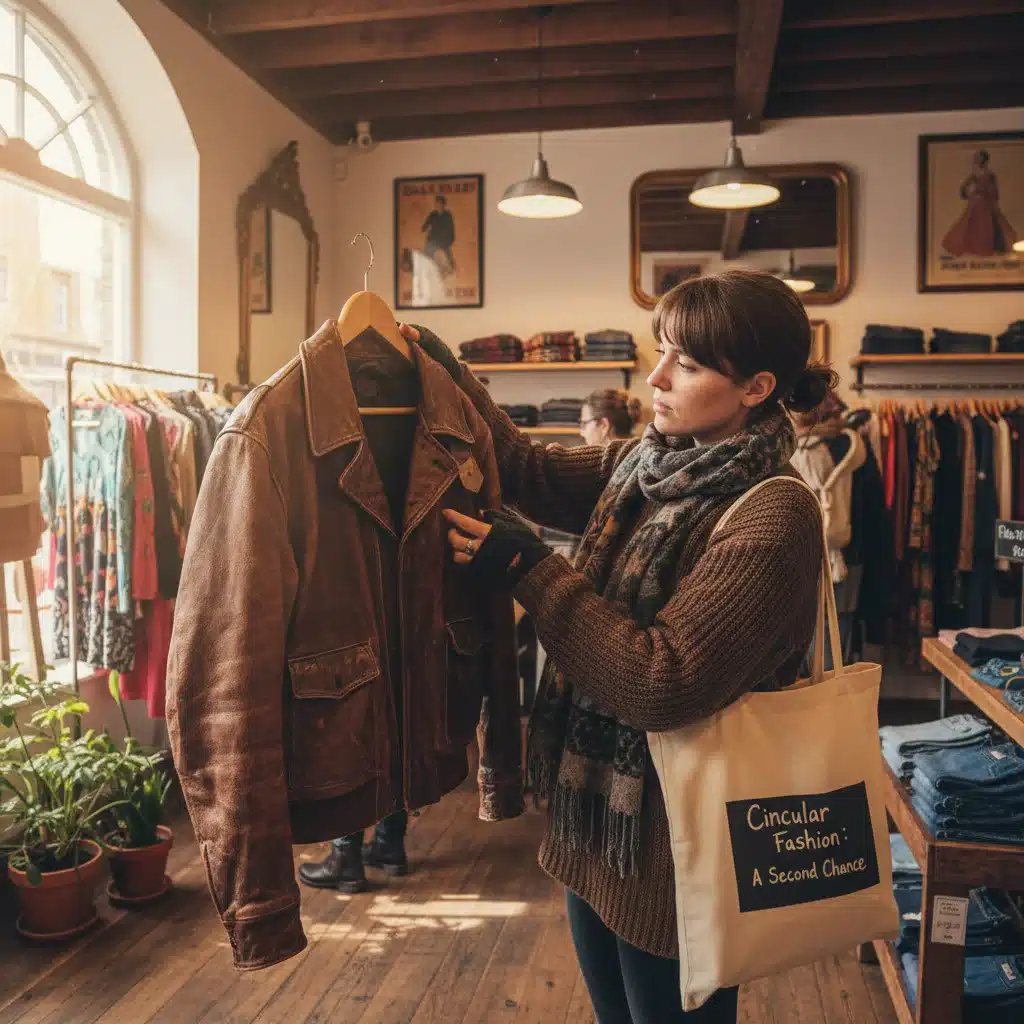
One of the most impactful and exciting eco-friendly style swaps you can make in 2026 is to embrace the world of second-hand and vintage clothing. This isn’t just about saving money; it’s about actively participating in the circular economy and giving garments a second, third, or even fourth life. The sheer volume of clothing produced annually is staggering, and a significant portion ends up in landfills. By choosing pre-loved items, you directly reduce demand for new production, conserve resources, and prevent textile waste.
The Allure of Pre-Loved Treasures
Shopping second-hand opens up a treasure trove of unique styles, high-quality craftsmanship, and pieces with genuine character. Unlike mass-produced fast fashion, vintage items often boast superior materials and construction, designed to last. From classic denim jackets and timeless leather bags to intricately embroidered blouses and bespoke suits, the possibilities are endless. Each pre-loved item comes with a story, adding a layer of depth and individuality to your wardrobe that new clothes simply cannot replicate.
Where to Find Your Next Sustainable Gem
The accessibility of second-hand shopping has never been greater. Traditional thrift stores and charity shops remain excellent resources for affordable finds. Online platforms dedicated to pre-loved fashion, such as Depop, Poshmark, ThredUp, and Vestiaire Collective, have revolutionized the market, offering curated selections and connecting buyers and sellers globally. Vintage boutiques, both physical and online, specialize in unique, high-quality pieces from specific eras, perfect for those looking to cultivate a distinct aesthetic. Furthermore, clothing swap events with friends or local communities are a fun and free way to refresh your wardrobe sustainably.
The Environmental and Ethical Impact
By choosing second-hand, you are directly reducing the environmental footprint associated with manufacturing new clothing – from water consumption and chemical use to carbon emissions. You’re also saying no to the often-questionable labor practices in new garment production. This swap is a powerful statement against overconsumption and a proactive step towards a more sustainable fashion future. It encourages a mindset of appreciation for existing resources and a rejection of disposability, aligning perfectly with the principles of true sustainability.
3. Invest in Quality Over Quantity: The Longevity Principle of Sustainable Fashion 2026
In the realm of sustainable fashion, one of the most powerful mindset shifts is moving from a quantity-driven approach to a quality-driven one. Fast fashion has conditioned us to buy more, cheaper items, leading to wardrobes overflowing with garments that quickly lose their shape, color, or structural integrity. This constant cycle of buying and discarding is incredibly wasteful. The sustainable alternative is to invest in fewer, higher-quality pieces that are designed to last, thereby reducing your overall consumption and environmental impact.
The True Cost of Cheap Clothing
While a low price tag might seem appealing in the short term, cheap clothing often comes with hidden costs. These garments are typically made from inferior materials, with poor construction, and are produced under conditions that exploit workers and harm the environment. They fall apart quickly, requiring frequent replacements, which ultimately costs more in the long run and contributes significantly to landfill waste. This cycle is antithetical to the goals of sustainable fashion.
Building a Durable and Versatile Wardrobe
Investing in quality means seeking out well-made garments from durable, sustainable materials (as discussed in Swap 1). Look for strong stitching, quality hardware, and fabrics that can withstand regular wear and washing. Consider classic, versatile pieces that can be mixed and matched to create numerous outfits, rather than trendy items that will quickly go out of style. A well-curated capsule wardrobe, built on foundational pieces, can drastically reduce the need for constant new purchases.
Caring for Your Clothes to Extend Their Life
Longevity isn’t just about initial quality; it’s also about how you care for your clothes. Proper garment care – including washing less frequently, using cold water, air-drying when possible, and mending minor damages – can significantly extend the life of your clothing. Learning basic mending skills, like sewing on a button or repairing a small tear, empowers you to maintain your wardrobe and reduces the impulse to discard items prematurely. This mindful approach to clothing care is a crucial component of sustainable fashion in 2026.
The Long-Term Benefits
By investing in quality, you’re not only creating a more durable and stylish wardrobe but also making a profound environmental statement. You’re reducing textile waste, conserving resources, and supporting brands that prioritize craftsmanship and ethical production. This shift empowers you to consume less, choose better, and enjoy your clothes for years to come, embodying the core principles of sustainable fashion.
4. Support Ethical and Transparent Brands: Aligning Values with Sustainable Fashion 2026
As we navigate the complexities of sustainable fashion, one of the most critical actions consumers can take is to actively support brands that demonstrate a genuine commitment to ethical practices and transparency. The term ‘greenwashing’ is prevalent, with many companies making unsubstantiated claims about their sustainability efforts. Therefore, it’s essential to look beyond the marketing hype and delve into a brand’s true values and supply chain practices.
Understanding Ethical Production
Ethical production encompasses fair labor practices, safe working conditions, and living wages for garment workers. The fashion industry has a well-documented history of exploiting workers in developing countries. A truly sustainable brand will ensure that everyone involved in its supply chain, from farmers to factory workers, is treated with dignity and respect. This includes adhering to international labor standards, providing benefits, and fostering a positive work environment. When you support ethical brands, you’re advocating for human rights and social justice within the industry.
The Importance of Transparency
Transparency is the cornerstone of trust in sustainable fashion. Ethical brands are open about their supply chains, from where their raw materials are sourced to the factories where their garments are produced. They often provide detailed information on their websites, including factory lists, audit reports, and certifications. This level of openness allows consumers to make informed decisions and hold brands accountable for their commitments. Look for brands that are clear about their impact, their challenges, and their ongoing efforts to improve.
Identifying Truly Sustainable Brands
Several resources can help you identify and support genuinely sustainable and ethical brands:
- Certifications: Look for third-party certifications like Fair Trade Certified, B Corp, and WRAP (Worldwide Responsible Accredited Production), which verify ethical labor and environmental standards.
- Online Directories: Websites like Good On You provide comprehensive ratings and reviews of fashion brands based on their impact on people, the planet, and animals.
- Brand Websites: Reputable sustainable brands will have dedicated sections on their websites detailing their sustainability initiatives, ethical policies, and supply chain transparency.
- Material Sourcing: As discussed in Swap 1, prioritize brands that use organic, recycled, or innovative sustainable materials.
Making an Impact with Your Purchases
Every dollar you spend is a vote for the kind of world you want to live in. By consciously choosing to support ethical and transparent brands, you’re sending a clear message to the wider industry that responsible practices are valued and expected. This consumer pressure is a powerful catalyst for change, driving more brands to adopt sustainable and ethical models. This swap is not just about personal style; it’s about leveraging your purchasing power to foster a more just and sustainable global fashion landscape in 2026.
5. Repair, Repurpose, and Recycle: Closing the Loop in Sustainable Fashion 2026
The final and equally crucial eco-friendly style swap for your sustainable fashion wardrobe is to adopt a mindset of repair, repurpose, and recycle. This approach is about extending the life of your garments as much as possible and ensuring that when they finally reach their end-of-life, they are disposed of responsibly. It’s the ultimate commitment to circularity, minimizing waste and maximizing resource efficiency.
The Art of Repair and Mending
Before you consider discarding a damaged item, think about repairing it. A missing button, a loose hem, a small tear – these are often easy fixes that can be done at home with basic sewing skills. Many communities also offer mending workshops or have local tailors and alteration services that can bring your favorite pieces back to life. Visible mending, a Japanese art form called Sashiko, has even become a stylish way to repair and personalize clothing, adding unique character to garments. Repairing extends the lifespan of your clothes, reduces waste, and saves you money.
Unleashing Creativity Through Repurposing
When an item is beyond simple repair or no longer fits your style, consider repurposing it. An old pair of jeans can become stylish shorts, a tote bag, or even a quilt. An oversized t-shirt can be refashioned into a crop top or a cleaning rag. The possibilities are limited only by your imagination. Repurposing breathes new life into old textiles, preventing them from ending up in landfills and fostering creativity. Upcycling, a form of repurposing, transforms discarded items into new products of higher value, showcasing the potential for innovation within sustainable fashion.
Responsible Recycling and Disposal
Even with careful repair and repurposing, some garments will eventually reach a point where they can no longer be worn or refashioned. At this stage, responsible recycling becomes paramount. Do not simply throw textiles in the regular trash. Many clothing brands offer take-back programs for their old garments, which they then recycle into new fibers or other products. Textile recycling facilities also exist, often found at local donation centers or specialized collection points. These facilities can break down fibers to create insulation, carpet padding, or new yarns. Always check local guidelines for textile recycling options in your area.
The Circular Economy in Action
The repair, repurpose, and recycle mindset is the embodiment of the circular economy in fashion. It’s about designing out waste and pollution, keeping products and materials in use, and regenerating natural systems. By embracing these practices, you actively participate in closing the loop of textile production and consumption, moving away from the linear ‘take-make-dispose’ model. This final swap is a powerful testament to your commitment to sustainable fashion, ensuring that your wardrobe choices have a positive impact from creation to end-of-life.
The Future is Now: Your Sustainable Fashion 2026 Wardrobe
As we conclude our guide to sustainable fashion, it’s clear that the future of style is inextricably linked with responsibility. The five eco-friendly style swaps we’ve explored – embracing organic and recycled fabrics, choosing second-hand and vintage, investing in quality over quantity, supporting ethical and transparent brands, and adopting a repair, repurpose, and recycle mindset – are not just fleeting trends. They are fundamental shifts that define a more conscious, ethical, and environmentally sound approach to clothing.
The journey towards a fully sustainable wardrobe is a continuous one, and every small step makes a significant difference. You don’t have to overhaul your entire closet overnight. Start by incorporating one or two of these swaps into your habits, and gradually build from there. Perhaps begin by checking the fabric composition of your next purchase, or spend an afternoon exploring a local thrift store. With each conscious choice, you contribute to a larger movement that is reshaping the fashion industry for the better.
Remember, sustainable fashion is not about sacrificing style or breaking the bank. In fact, it often leads to a more unique, personal, and high-quality wardrobe. By focusing on longevity, craftsmanship, and ethical sourcing, you’ll discover pieces that you truly love and that stand the test of time, both in terms of durability and style. Furthermore, the satisfaction of knowing your clothing choices align with your values is an invaluable reward.
The year 2026 marks a pivotal moment in the evolution of fashion. Consumers have more power than ever to influence industry practices through their purchasing decisions and advocacy. By embracing these eco-friendly style swaps, you are not just dressing yourself; you are making a statement, supporting a better world, and actively participating in the creation of a more sustainable and equitable future for all. So, go forth, explore, and transform your wardrobe into a testament to conscious living. Your planet, and your future self, will thank you.