Future of Denim: Innovation in Styles and Fabrics for 2026 Fashion
The Future of Denim: 4 Innovative Styles and Fabrics Shaping 2026 Fashion, Boosting Comfort by 20%
Denim, a timeless textile, has consistently adapted and evolved, remaining a cornerstone of global fashion. From its utilitarian origins to its current status as a versatile wardrobe staple, denim’s journey is a testament to its enduring appeal. As we look towards 2026, the industry is on the cusp of another significant transformation, driven by an increasing demand for sustainability, comfort, and technological integration. This article delves into the exciting future of denim innovation, exploring four groundbreaking styles and fabrics that are set to redefine how we wear and experience this iconic material, promising to boost comfort by an impressive 20%.
The future denim innovation landscape is not just about aesthetics; it’s about a holistic approach that considers environmental impact, wearer well-being, and cutting-edge design. Consumers are no longer content with just looking good; they want clothes that feel good, do good for the planet, and offer enhanced functionality. This shift is propelling brands and manufacturers to push the boundaries of what’s possible with denim, leading to exciting developments in fabric composition, manufacturing processes, and garment design.
Understanding these emerging trends is crucial for anyone interested in fashion, sustainability, or simply staying ahead of the curve. We’ll explore how advancements in material science are creating denim that is softer, more flexible, and more durable than ever before. We’ll also examine how designers are reinterpreting classic denim silhouettes with innovative cuts and smart features, ensuring that denim remains relevant and desirable for generations to come. Prepare to discover the next generation of denim – a blend of tradition and future-forward thinking.
Advertisements
1. Eco-Conscious Denim: Sustainable Fabrics and Production
The most significant driving force behind future denim innovation is undoubtedly sustainability. The fashion industry, particularly denim production, has faced considerable scrutiny for its environmental footprint. Traditional denim manufacturing is notoriously resource-intensive, requiring vast amounts of water, energy, and often harsh chemicals for dyeing and finishing processes. However, 2026 is set to see a dramatic acceleration in eco-conscious denim, with a strong focus on sustainable fabrics and production methods that minimize environmental harm.
Recycled and Upcycled Denim
One of the most promising avenues for sustainable denim is the increased use of recycled and upcycled materials. Imagine denim made from post-consumer waste, transforming old jeans into new, stylish garments. This closed-loop system significantly reduces landfill waste and the demand for virgin cotton. Innovations in fiber recycling technology are making it possible to produce high-quality denim fabrics from shredded textile waste, maintaining the integrity and feel that consumers expect. Upcycling initiatives are also gaining traction, where existing denim garments are creatively repurposed into new designs, giving them a second life and reducing the need for new production.
Organic and Regenerative Cotton
Beyond recycling, the source of virgin fibers is also undergoing a revolution. Organic cotton, grown without synthetic pesticides or fertilizers, is becoming a standard for many sustainable denim brands. Looking further ahead, regenerative agriculture practices are emerging as a game-changer. Regenerative cotton farming focuses on rebuilding soil health, increasing biodiversity, and sequestering carbon from the atmosphere, effectively turning cotton cultivation into a climate-positive activity. This not only produces a healthier fiber but also contributes to a more resilient ecosystem, embodying true future denim innovation.
Alternative Fibers: Hemp, Tencel, and Beyond
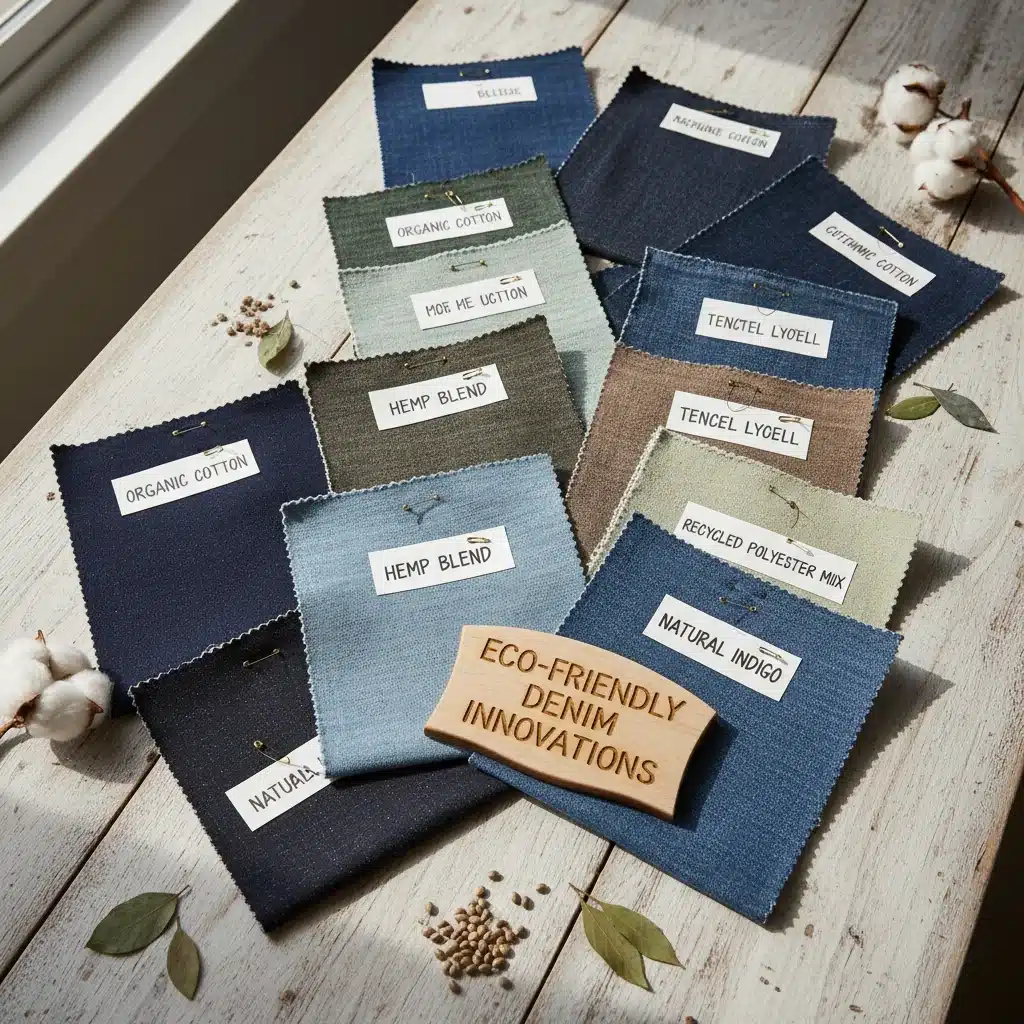
The exploration of alternative fibers is also a key component of sustainable denim. Hemp, for instance, requires significantly less water and land than cotton, grows quickly, and offers exceptional durability. Blended with other fibers, hemp can create denim that is both strong and soft. Tencel (lyocell), derived from sustainably sourced wood pulp, is another eco-friendly fiber known for its softness, breathability, and excellent drape, making it ideal for comfortable, luxurious denim. Expect to see more denim blends incorporating these innovative fibers, offering unique textures and performance characteristics while reducing environmental impact.
Water-Saving and Chemical-Free Technologies
Beyond the fibers themselves, the manufacturing processes are also becoming greener. Laser technology and ozone washing are replacing traditional water-intensive and chemical-heavy distressing methods, dramatically reducing water consumption and eliminating harmful chemical discharge. Indigo dyeing processes are being reimagined with natural dyes and closed-loop systems that recapture and reuse water. These technological advancements are not just about being eco-friendly; they often result in more consistent and aesthetically pleasing finishes, contributing to the overall appeal of future denim innovation.
2. Performance Denim: Comfort, Flexibility, and Durability Redefined
While sustainability addresses the planet’s well-being, performance denim focuses on the wearer’s comfort and experience. The days of stiff, restrictive denim are quickly becoming a relic of the past. The demand for denim that moves with the body, offers exceptional comfort, and withstands the rigors of daily life is driving significant future denim innovation in fabric technology. This category promises that much-desired 20% boost in comfort.
Advanced Stretch and Recovery
The evolution of stretch denim has been remarkable, but 2026 will see it reach new heights. Next-generation stretch denim incorporates advanced elastane and multi-directional stretch fibers that offer unparalleled flexibility without compromising the authentic denim look and feel. The key innovation here is superior recovery, meaning the denim retains its shape wear after wear, preventing sagging knees or stretched-out waistbands. This ensures a consistently flattering fit and extended garment life, a crucial aspect of both comfort and sustainability.
Moisture-Wicking and Temperature Regulation
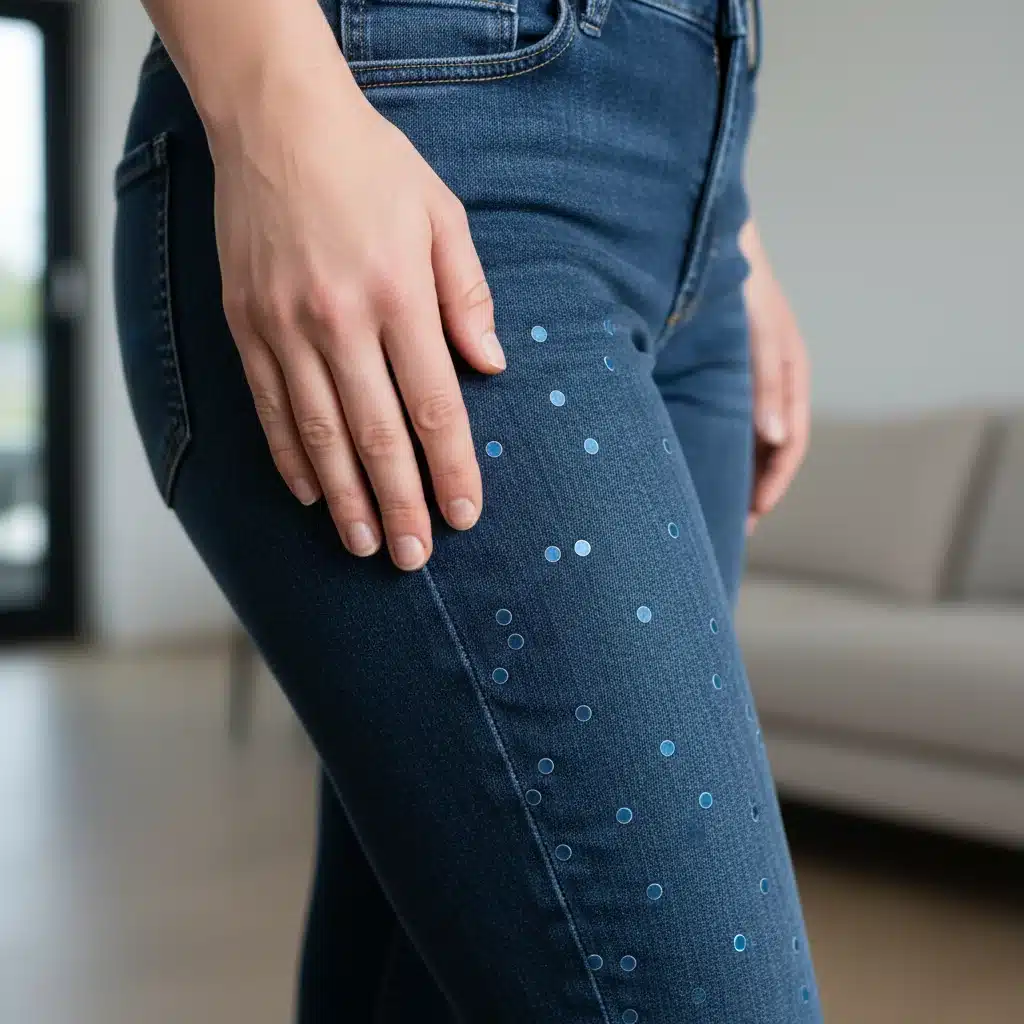
Imagine denim that keeps you cool in the summer and warm in the winter. This is no longer a futuristic fantasy. New fabric blends and finishes are incorporating moisture-wicking properties, similar to activewear, to draw sweat away from the body, keeping the wearer dry and comfortable. Additionally, some innovative denim fabrics are being engineered with temperature-regulating properties, using smart fibers that adapt to body temperature, providing optimal comfort in varying climates. This level of functionality transforms denim from a mere fashion item into a high-performance garment suitable for diverse environments and activities.
Enhanced Durability and Longevity
Durability has always been a hallmark of denim, but future denim innovation is taking it a step further. Brands are exploring fibers and weaving techniques that enhance tear resistance, abrasion resistance, and color retention. This means denim that not only feels great but also lasts longer, reducing the frequency of replacement and contributing to a more sustainable consumption model. Innovations like reinforced stitching, stronger yarns, and specialized coatings are making denim more resilient than ever, ensuring your favorite pair can withstand years of wear.
Softness and Hand Feel
Comfort is intrinsically linked to the hand feel of the fabric. The future denim innovation prioritizes an incredibly soft touch without sacrificing durability or authentic denim character. This is achieved through advanced finishing techniques, fiber blends, and even new spinning methods that create softer yarns. Consumers will experience denim that feels luxurious against the skin, making it a pleasure to wear all day long. This focus on tactile comfort is a significant factor in the projected 20% boost in overall comfort for future denim.
3. Smart Denim: Technology Integration for Enhanced Lifestyle
As technology continues to permeate every aspect of our lives, it’s only natural that denim would follow suit. Smart denim represents a cutting-edge frontier in future denim innovation, integrating technology directly into the fabric to offer enhanced functionality, connectivity, and personalized experiences. While still in its nascent stages, the potential for smart denim in 2026 is immense.
Wearable Tech Integration
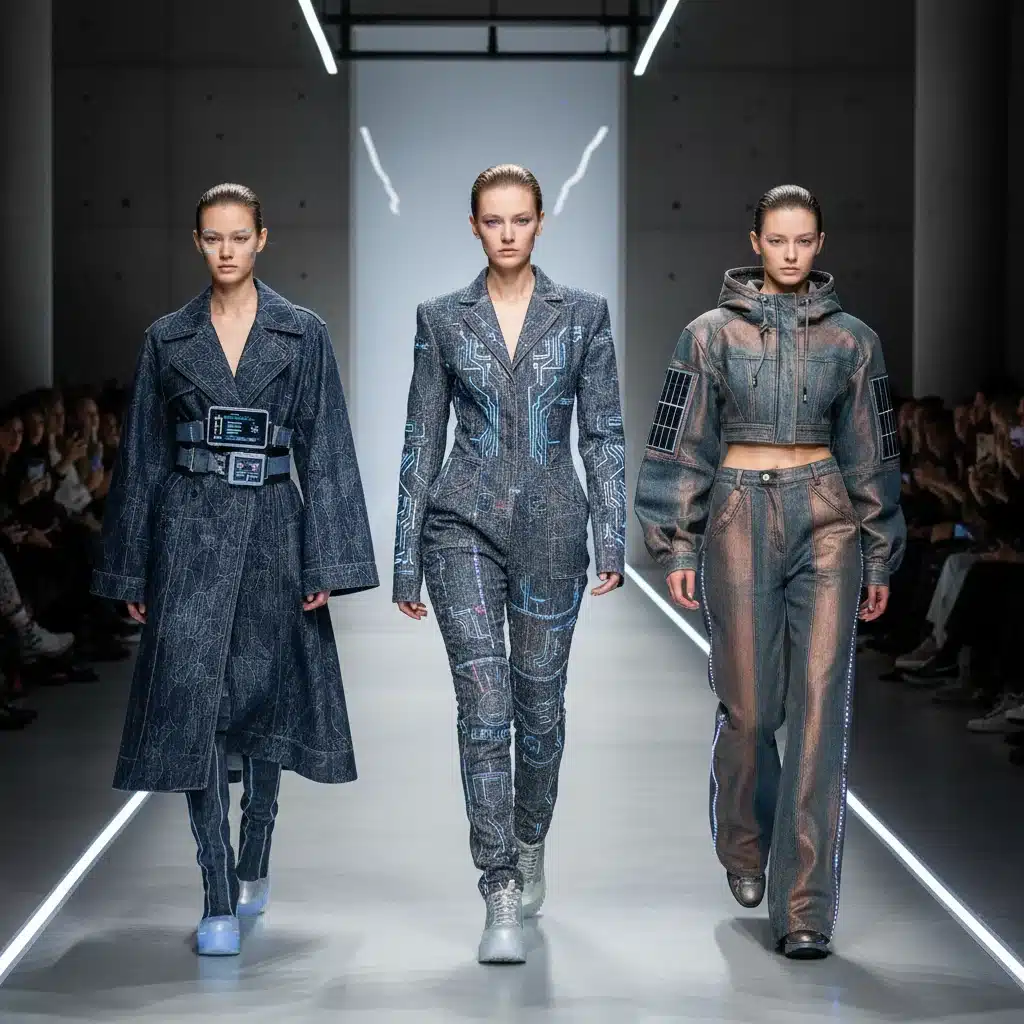
Imagine denim with embedded sensors that monitor your activity levels, track your posture, or even provide haptic feedback for navigation. This is the promise of wearable tech integration into denim. While fully integrated smart garments are still evolving, we can expect to see denim with discreetly incorporated conductive threads, flexible circuits, and miniature sensors. These could enable features like touch-sensitive pockets for controlling smartphones, integrated charging capabilities for small devices, or even subtle lighting elements for safety and style. The goal is seamless integration that enhances daily life without compromising the aesthetic of the denim.
Personalized Fit and Customization
Smart denim could also revolutionize fit and customization. Imagine denim that adapts to your body’s specific measurements through responsive materials, or jeans that can be subtly adjusted via an app. While fully adaptive denim is a long-term goal, 2026 could see advancements in digital fitting tools, 3D body scanning for bespoke denim, and even modular denim designs where components can be swapped out for personalized style or repair. This level of customization ensures a perfect fit, boosting comfort and individual expression.
Interactive and Responsive Denim
Beyond passive monitoring, some smart denim concepts explore interactive and responsive capabilities. This could include denim that changes color or texture based on environmental conditions, mood, or even user input. Think of denim jackets with integrated displays for subtle messaging or jeans with dynamic patterns that can be customized on the fly. While these applications might seem futuristic, the underlying technologies are rapidly developing, making interactive denim a tangible part of future denim innovation.
Health and Wellness Applications
The potential for smart denim in health and wellness is particularly exciting. Denim could be embedded with sensors to monitor vital signs, track sleep patterns, or even provide therapeutic benefits through targeted compression or heating elements. For example, denim designed for athletes could offer enhanced muscle support and recovery tracking. For everyday wear, integrated health monitoring could provide valuable insights into personal well-being, making denim not just a fashion statement but a wellness tool.
4. Aesthetic Innovation: New Silhouettes, Textures, and Finishes
While sustainability and technology drive much of the future denim innovation, aesthetic evolution remains paramount. Designers are constantly reinterpreting denim, pushing boundaries with new silhouettes, exploring novel textures, and experimenting with groundbreaking finishes. 2026 will see a fresh wave of creative expression in denim design, offering consumers diverse and exciting options.
Fluid and Relaxed Silhouettes
Moving away from overly restrictive styles, 2026 will embrace more fluid and relaxed denim silhouettes. Think wide-leg trousers, exaggerated flares, and comfortable, loose-fitting jeans that offer freedom of movement and a contemporary aesthetic. This shift prioritizes comfort and versatility, allowing denim to transition seamlessly from casual wear to more elevated ensembles. The relaxed fit doesn’t mean shapeless; instead, it’s about carefully considered proportions and sophisticated tailoring that provide an effortless yet chic look.
Deconstructed and Reconstructed Designs
The deconstructed and reconstructed aesthetic will continue to be a major trend, but with more refined and artistic interpretations. Designers will play with asymmetric cuts, visible seams, raw edges, and patchwork elements, creating unique, one-of-a-kind denim pieces. This trend often incorporates upcycled denim, further blurring the lines between fashion and sustainability. Expect to see creative layering of different denim washes and textures within a single garment, adding depth and visual interest.
Novel Textures and Coatings
Beyond traditional twill, future denim innovation will introduce a wider array of textures. Expect to see denim with subtle jacquard patterns, embossed surfaces, or even treatments that mimic other fabrics like leather or suede. Innovative coatings will also play a crucial role, offering denim with water-repellent properties, metallic sheens, or unique tactile qualities. These textural experiments add a new dimension to denim, making it more versatile and suitable for a broader range of occasions.
Bold Washes and Natural Dyes
While classic indigo will always have its place, 2026 will witness a surge in bold and experimental washes, alongside a growing embrace of natural dyes. From vibrant pastels to rich jewel tones, denim will move beyond its traditional color palette. Simultaneously, the use of natural dyes derived from plants and minerals will gain prominence, offering unique, earthy hues and further enhancing denim’s sustainable credentials. These diverse color options provide endless possibilities for personal expression and creative styling.
The Impact of These Innovations on Comfort and Lifestyle
The convergence of these four areas of future denim innovation – sustainability, performance, smart technology, and aesthetic evolution – is set to profoundly impact how we perceive and interact with denim. The projected 20% boost in comfort is not just a number; it represents a fundamental shift in the wearer’s experience. Imagine denim that feels as soft as silk, moves as freely as activewear, and actively contributes to your well-being, all while being kind to the planet.
This enhanced comfort will translate into greater versatility. Denim will no longer be confined to casual settings; its improved flexibility, breathability, and luxurious hand feel will make it suitable for work, travel, and even more formal occasions. The integration of smart technology will transform denim into a functional extension of our digital lives, offering convenience and personalized insights. Sustainable production practices will allow consumers to enjoy their favorite denim with a clear conscience, knowing they are supporting ethical and environmentally responsible choices.
Furthermore, the aesthetic innovations ensure that this comfortable, sustainable, and smart denim remains at the forefront of fashion. The diverse range of silhouettes, textures, and finishes means there will be a perfect pair of jeans for every style preference, every body type, and every occasion. Denim will continue to be a canvas for personal expression, but with the added benefits of advanced technology and a reduced ecological footprint.
Challenges and Opportunities in Future Denim Innovation
While the future of denim looks incredibly promising, it’s important to acknowledge the challenges that lie ahead. Scaling sustainable and technological innovations, ensuring affordability for a mass market, and educating consumers about the benefits of these new denim offerings are critical hurdles. However, these challenges also present immense opportunities for brands willing to invest in research and development, collaborate with innovators, and communicate their values effectively to consumers.
The opportunity to create a truly circular denim economy, where waste is minimized and resources are maximized, is within reach. The potential to integrate denim seamlessly into the smart ecosystem, enhancing daily life in subtle yet significant ways, is enormous. And the ability to offer unparalleled comfort and style, all while addressing environmental concerns, positions denim as a leader in the sustainable fashion movement. Brands that embrace these opportunities will not only thrive but also shape the future of fashion.
Conclusion: Denim’s Enduring Legacy and Bright Future
Denim has always been a symbol of resilience, adaptability, and style. As we move towards 2026, the future denim innovation confirms that its legacy is not only enduring but also evolving in exciting and responsible ways. From eco-conscious fabrics that protect our planet to high-performance textiles that enhance comfort and smart integrations that elevate our lifestyles, denim is poised for a revolutionary period.
The blend of traditional craftsmanship with cutting-edge technology and a deep commitment to sustainability is creating a new generation of denim that is both desirable and responsible. The 20% boost in comfort is just one indicator of the profound improvements we can expect. This isn’t just about new trends; it’s about a fundamental reimagining of a beloved classic, ensuring that denim remains a relevant, comfortable, and conscious choice for the modern consumer. Get ready to experience denim like never before – a truly innovative and inspiring future awaits.