AI in Fashion Design: Shaping 2026 Collections with 10% More Efficiency
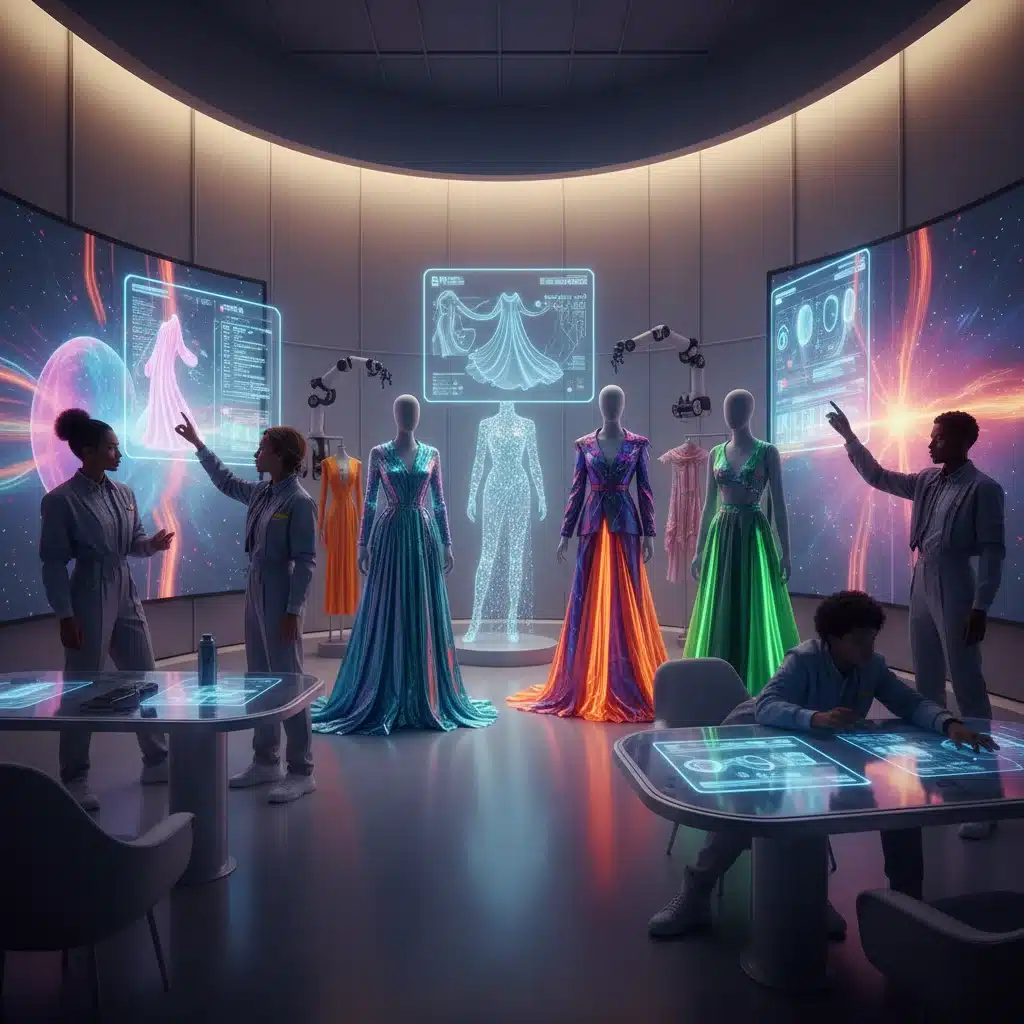
The fashion industry, a realm traditionally driven by intuition, artistry, and human creativity, is undergoing a profound transformation. At the heart of this revolution is artificial intelligence (AI), a technology that is not just augmenting human capabilities but fundamentally reshaping how collections are conceived, designed, produced, and even consumed. The impact of AI on fashion design is undeniable, and as we look towards 2026, its influence is set to become even more pervasive, promising a remarkable 10% increase in efficiency across various stages of the design process.
This article delves into the multifaceted ways AI is integrating into fashion, exploring how algorithms are becoming indispensable tools for designers, manufacturers, and retailers alike. From deciphering complex trend patterns to optimizing supply chains and fostering sustainable practices, AI is proving to be a game-changer. We will examine the current landscape, forecast future developments, and highlight the tangible benefits, particularly the projected efficiency gains that will define the 2026 fashion season.
The Dawn of Algorithmic Creativity in AI Fashion Design
For centuries, fashion design has been an intensely human endeavor, a delicate dance between inspiration, skill, and cultural understanding. However, the advent of AI has introduced a new partner to this dance: algorithms. These sophisticated systems are not replacing human creativity but rather enhancing it, providing designers with unprecedented tools to explore new aesthetics, optimize processes, and make data-driven decisions. The synergy between human ingenuity and artificial intelligence is leading to a new era of AI fashion design, where innovation is accelerated and possibilities are expanded.
Advertisements
One of the most significant contributions of AI in this domain is its ability to process and analyze vast amounts of data at speeds and scales impossible for humans. This data includes everything from historical sales figures and social media trends to global economic indicators and even climate patterns. By sifting through these diverse datasets, AI can identify emerging patterns, predict consumer preferences, and even generate novel design concepts. This capability is particularly crucial for designers aiming to create collections that resonate deeply with their target audience, ensuring relevance and commercial success.
Trend Forecasting: The Crystal Ball of AI
Accurate trend forecasting is the cornerstone of successful fashion design. Missing a trend can lead to unsold inventory, financial losses, and a damaged brand reputation. Conversely, catching a trend early can catapult a brand to success. This is where AI truly shines. Traditional trend forecasting relies on a combination of expert intuition, market research, and observation. While valuable, these methods can be slow, subjective, and prone to error.
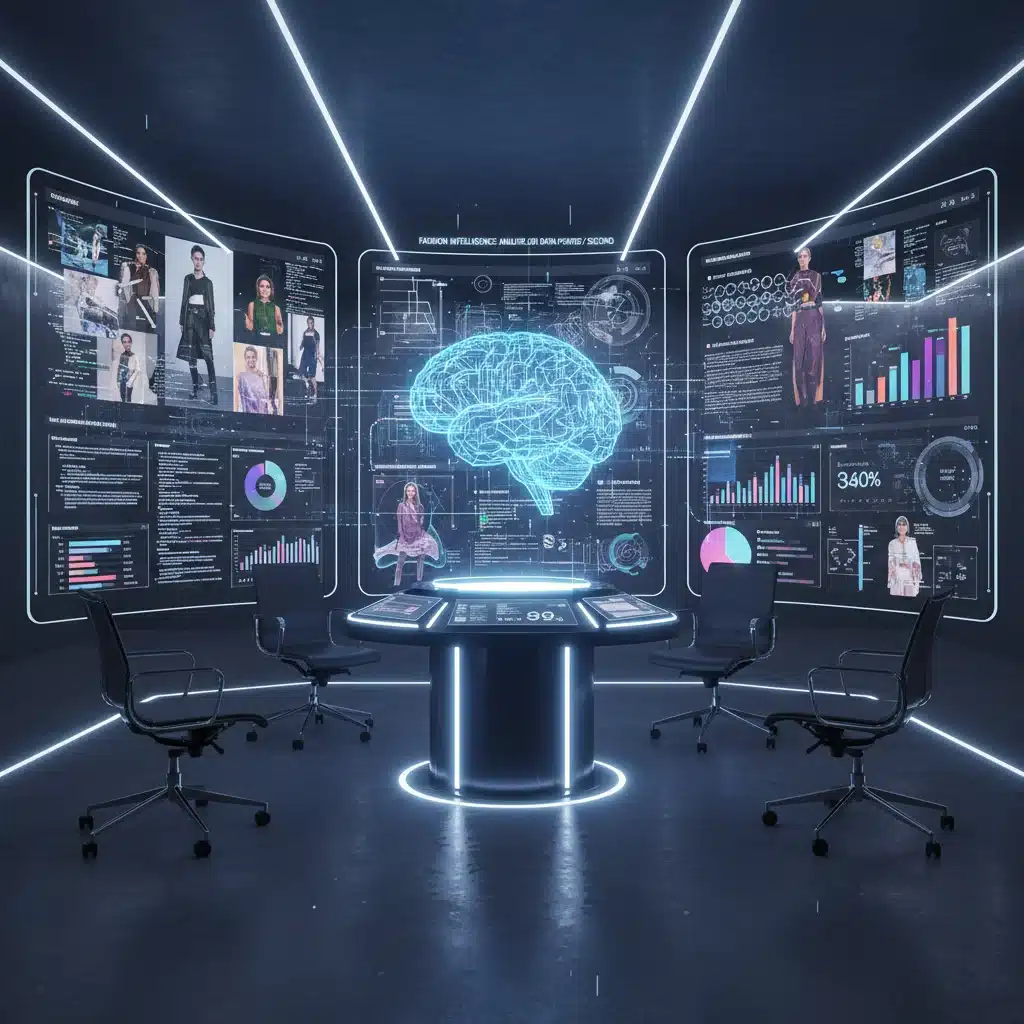
AI-powered trend forecasting systems, on the other hand, leverage machine learning algorithms to analyze an enormous array of data points. They scour social media platforms for viral content, analyze search engine queries, track fashion blogs and influencer posts, monitor runway shows, and even dissect satellite imagery to understand manufacturing shifts. By identifying subtle correlations and predicting trajectories, these systems can provide designers with insights into upcoming colors, silhouettes, fabrics, and styles with remarkable accuracy. This predictive power allows designers to be proactive rather than reactive, enabling them to incorporate future trends into their AI fashion design processes months in advance. This foresight is a significant driver of the projected 10% efficiency gain, as it reduces the risk of designing products that won’t sell and streamlines the entire collection development cycle.
Generative Design: AI as a Co-Creator
Beyond forecasting, AI is also emerging as a powerful co-creator in the design process itself. Generative Adversarial Networks (GANs) and other deep learning models can be trained on vast libraries of existing fashion designs, patterns, and textures. Once trained, these AI models can then generate entirely new design variations, patterns, or even complete garment concepts. Designers can input specific parameters – such as desired color palettes, fabric types, or aesthetic styles – and the AI will produce a multitude of options that meet those criteria.
This generative capability opens up new avenues for creativity, allowing designers to explore design spaces that they might not have considered otherwise. It can help overcome creative blocks, accelerate the ideation phase, and provide a boundless source of inspiration. For instance, an AI could generate hundreds of unique print designs based on a single theme, or suggest innovative garment constructions that combine elements from disparate styles. This collaborative approach between human and AI is not about diminishing the designer’s role but empowering them with an unparalleled creative assistant, contributing directly to the enhanced efficiency in generating novel designs.
Optimizing the Design Workflow with AI
The journey from concept to collection is intricate and often fraught with inefficiencies. AI is systematically addressing these bottlenecks, streamlining various stages of the design workflow and contributing significantly to the overall 10% efficiency improvement anticipated for 2026 collections.
Material Innovation and Selection
The choice of materials is fundamental to fashion design, impacting aesthetics, functionality, cost, and sustainability. AI is transforming material selection by analyzing properties, performance data, and environmental impact. Algorithms can recommend optimal fabrics based on design requirements, target market preferences, and sustainability goals. For example, an AI could identify a new bio-based material that offers similar drape and durability to a traditional fabric but with a significantly lower carbon footprint.
Furthermore, AI can assist in the development of new materials. Researchers are using AI to simulate molecular structures and predict the properties of novel textiles, accelerating the discovery of innovative, sustainable, and high-performance fabrics. This intelligent material management not only saves time and resources but also pushes the boundaries of what is possible in AI fashion design.
Virtual Prototyping and Fitting
One of the most time-consuming and resource-intensive aspects of fashion design is the creation of physical prototypes. Multiple iterations are often required to perfect a design, leading to significant material waste and delays. AI, coupled with 3D design software, is revolutionizing this process through virtual prototyping.
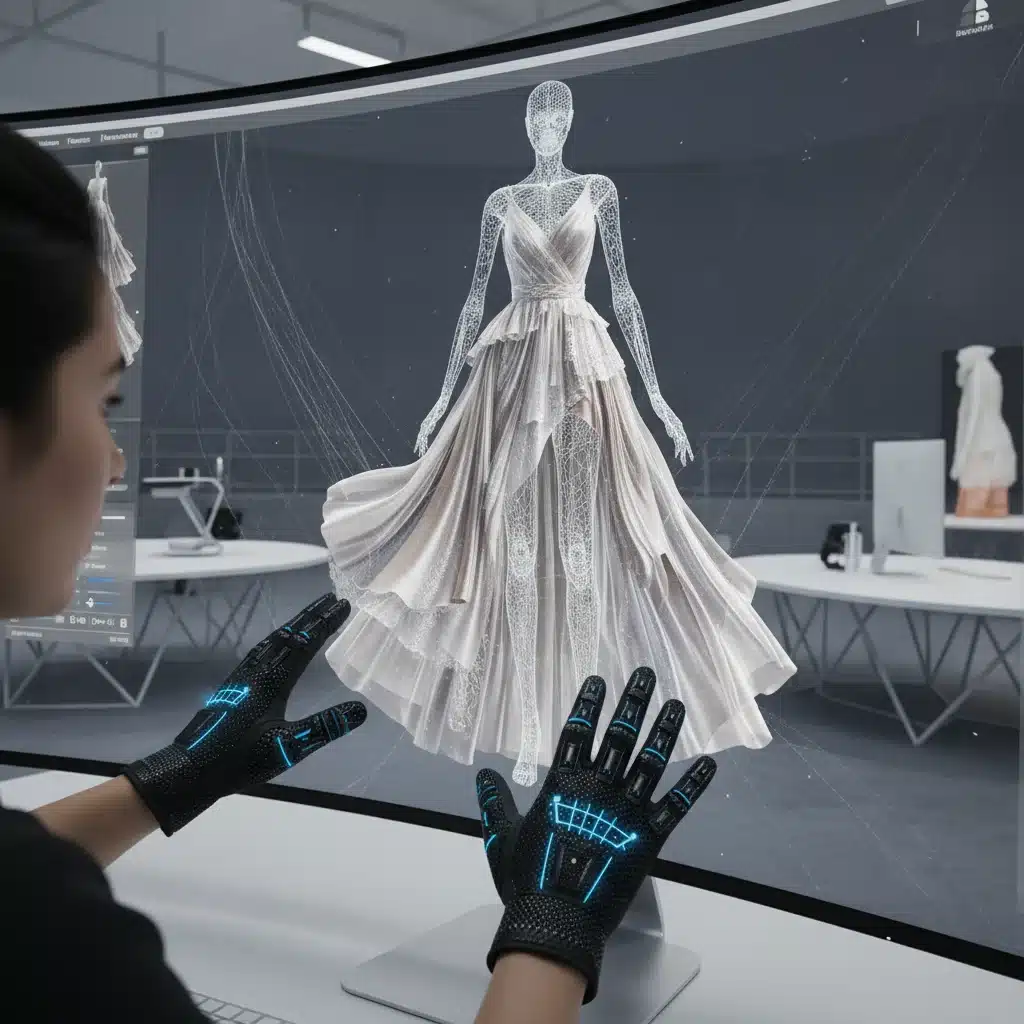
Designers can now create highly realistic 3D models of garments, complete with accurate fabric simulations that account for drape, texture, and movement. AI-powered virtual fitting tools can then apply these digital garments to customizable 3D avatars, allowing designers to visualize how a design will look and fit on different body types without cutting a single piece of fabric. These virtual prototypes can be easily modified, shared for feedback, and iterated upon rapidly. This dramatically reduces the need for physical samples, cutting down on material costs, labor, and lead times. The ability to quickly visualize and refine designs in a virtual environment is a major contributor to the 10% efficiency gain in the design cycle, allowing designers to move from concept to final design much faster.
Supply Chain Optimization and Production Planning
Beyond the design studio, AI is also optimizing the broader fashion supply chain. From predicting demand for specific styles to managing inventory and streamlining production schedules, AI algorithms are making these complex processes more efficient and responsive. By analyzing real-time sales data, global events, and consumer sentiment, AI can help brands make more informed decisions about how much to produce, where to distribute, and when to launch collections.
This predictive capability minimizes overproduction – a significant environmental and financial burden in the fashion industry – and reduces the likelihood of stockouts. Furthermore, AI can optimize factory floor layouts, manage machinery maintenance schedules, and even identify potential bottlenecks in the manufacturing process before they occur. The integration of AI into supply chain management ensures that the right products are available at the right time, at the right place, with minimal waste, directly contributing to the overall efficiency target for 2026 collections.
AI and Sustainability in Fashion
The fashion industry faces immense pressure to become more sustainable. From excessive waste and water consumption to carbon emissions, its environmental footprint is substantial. AI offers powerful solutions to address these challenges, aligning perfectly with the growing demand for ethical and eco-conscious fashion. The integration of AI into sustainable practices is not just about environmental responsibility; it also contributes to operational efficiency by reducing waste and optimizing resource use.
Waste Reduction and Circular Economy
AI plays a critical role in minimizing waste throughout the fashion lifecycle. By improving demand forecasting, AI reduces overproduction, which is a primary source of textile waste. Fewer unsold garments mean less material ending up in landfills.
Moreover, AI can facilitate the adoption of circular economy principles. Algorithms can track the lifecycle of garments, from production to consumption and eventual disposal. This data can inform recycling and upcycling initiatives, identifying materials that can be reused or repurposed. For instance, AI can analyze the composition of discarded textiles to determine the most effective recycling methods or connect brands with facilities capable of processing specific materials. This intelligent resource management is a key aspect of sustainable AI fashion design.
Ethical Sourcing and Transparency
Consumers are increasingly demanding transparency regarding the origin and ethical production of their clothing. AI can enhance supply chain transparency by tracking materials from their source to the final product. Blockchain technology, often integrated with AI, can create immutable records of each stage, verifying ethical sourcing, fair labor practices, and environmental compliance.
AI algorithms can also analyze supplier data to identify potential risks, such as unethical labor practices or unsustainable manufacturing processes, allowing brands to make informed decisions and partner with responsible suppliers. This not only builds consumer trust but also mitigates reputational risks and ensures compliance with evolving regulations, contributing to a more efficient and responsible industry.
Challenges and the Human Element in AI Fashion Design
While the benefits of AI in fashion design are compelling, its integration is not without challenges. Ethical considerations, data privacy, and the need for skilled professionals are critical aspects that must be addressed for successful implementation.
Maintaining Human Creativity and Intuition
A common concern is that AI might stifle human creativity or lead to a homogenization of design. However, the most effective applications of AI in fashion are those that augment, rather than replace, human designers. AI can handle repetitive tasks, analyze data, and generate possibilities, freeing up designers to focus on higher-level creative thinking, artistic expression, and conceptual development. The human element remains crucial for injecting emotion, cultural nuance, and storytelling into collections. The goal is a collaborative ecosystem where AI provides the tools and insights, and human designers provide the vision and soul.
Data Quality and Bias
AI systems are only as good as the data they are trained on. If the data is biased, incomplete, or of poor quality, the AI’s outputs will reflect those flaws. Ensuring access to diverse, representative, and high-quality datasets is paramount for developing effective and ethical AI tools in fashion. This includes data that reflects diverse body types, cultural aesthetics, and consumer demographics to avoid perpetuating existing biases in design and marketing.
Upskilling the Workforce
The widespread adoption of AI in fashion requires a workforce with new skills. Designers will need to become proficient in using AI-powered tools, understanding algorithmic outputs, and effectively collaborating with intelligent systems. This necessitates investment in education and training programs to equip current and future fashion professionals with the competencies required to thrive in an AI-driven industry. The efficiency gains projected for 2026 will be fully realized only if the workforce is adequately prepared to leverage these new technologies.
The 2026 Collections: A Glimpse into the Future of AI Fashion Design
By 2026, the influence of AI on fashion collections will be evident in several key areas, culminating in the anticipated 10% increase in overall efficiency. Collections will be more responsive to consumer desires, more sustainable in their production, and more innovative in their design.
Hyper-Personalization and Customization
AI will enable a new level of hyper-personalization. By analyzing individual consumer data – such as purchase history, style preferences, social media activity, and even biometric data – AI can help brands offer highly customized recommendations and even bespoke designs. Imagine an AI suggesting a perfectly tailored garment based on your exact measurements, style profile, and upcoming events. This shift from mass production to mass customization, facilitated by AI, will lead to higher customer satisfaction and reduced returns, contributing to overall efficiency.
Accelerated Design Cycles
The combined power of AI-driven trend forecasting, generative design, and virtual prototyping will significantly shorten design cycles. Designers will be able to move from initial concept to market-ready product much faster, allowing brands to respond more agilely to rapidly changing trends and consumer demands. This agility is a direct contributor to the 10% efficiency boost, ensuring that collections are always fresh, relevant, and timely.
Enhanced Sustainability and Ethical Footprint
The 2026 collections will likely be among the most sustainable yet, thanks to AI. From optimized material selection to reduced waste in production and more transparent supply chains, AI will help brands meet their environmental and ethical commitments. Consumers will have greater access to information about the sustainability credentials of their clothing, empowering them to make more informed choices. This focus on sustainability, driven by AI, not only benefits the planet but also enhances brand reputation and consumer loyalty.
Innovative Aesthetics and Functionality
AI’s ability to generate novel designs and simulate material properties will lead to collections that are both aesthetically groundbreaking and highly functional. We can expect to see garments with intelligent textiles that adapt to temperature, designs that are optimized for specific performance needs, and innovative aesthetic combinations that push the boundaries of traditional fashion. The creative potential unlocked by AI fashion design is immense, promising a future where fashion is more dynamic and exciting than ever before.
Conclusion: The Future is Intelligent Fashion
The integration of artificial intelligence into the fashion industry is not a fleeting trend but a fundamental paradigm shift. As we approach 2026, AI’s role in shaping collections will be more pronounced than ever, driving unprecedented levels of efficiency, projected at a 10% increase across the design and production pipeline. From sophisticated trend forecasting and generative design to virtual prototyping, optimized supply chains, and enhanced sustainability, AI is proving to be an indispensable tool for the modern fashion world.
While challenges remain, particularly in ensuring ethical implementation and fostering human-AI collaboration, the trajectory is clear. The future of fashion is intelligent, data-driven, and deeply intertwined with the capabilities of artificial intelligence. Designers, brands, and consumers alike stand to benefit from this evolution, leading to more innovative, sustainable, and personalized collections that truly reflect the dynamic spirit of the 21st century. The 2026 collections will be a testament to the power of AI in transforming creative industries, proving that technology, when harnessed thoughtfully, can elevate artistry and efficiency to new heights.