Gen Z’s 2026 Fashion Impact: Micro-Trends Shaping New Collections
Gen Z’s 2026 Fashion Impact: Micro-Trends Shaping New Collections
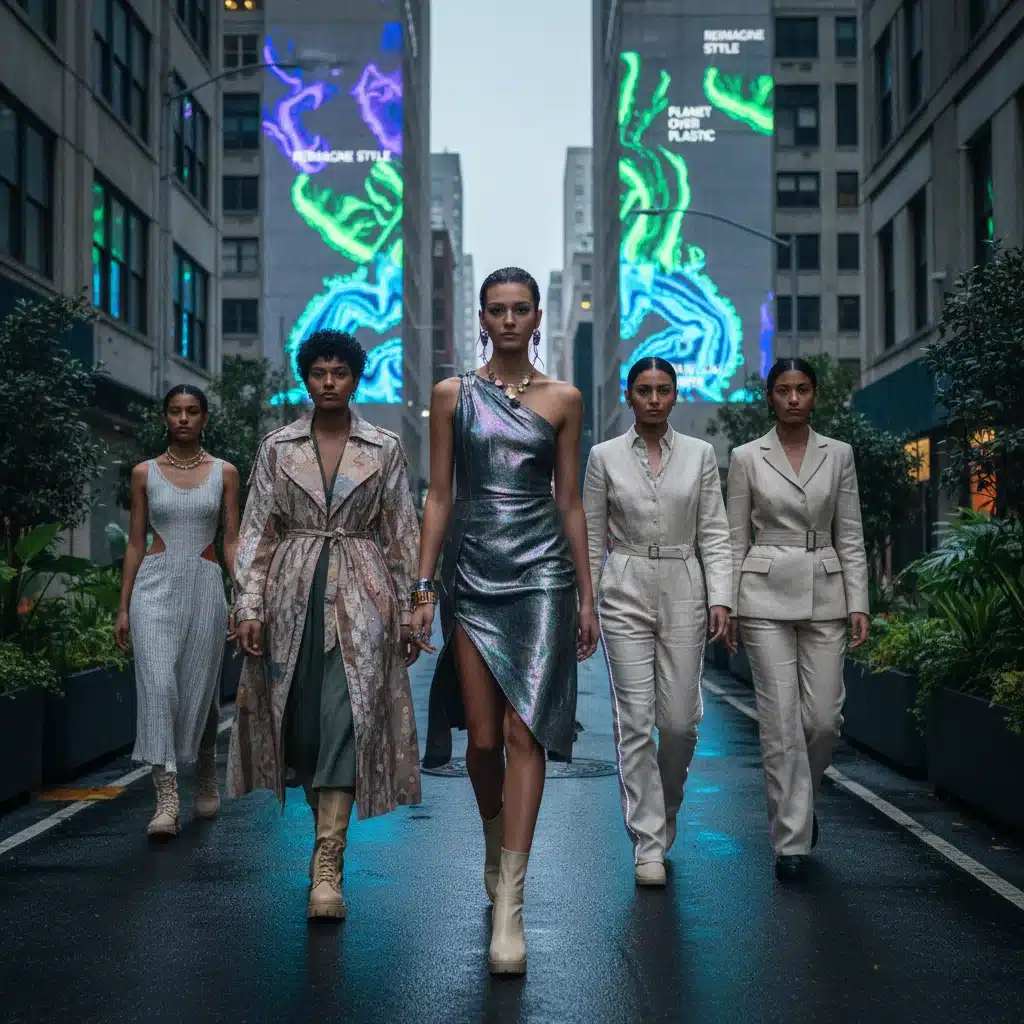
The fashion world is a perpetually evolving kaleidoscope, constantly mirroring and influencing societal shifts, technological advancements, and cultural movements. As we cast our gaze towards 2026, one demographic stands out as the undeniable force steering the industry’s trajectory: Gen Z. This generation, born roughly between the mid-1990s and early 2010s, is not just participating in fashion; they are actively dictating its future. Their unique blend of digital native sensibilities, staunch ethical convictions, and fluid self-expression is dismantling traditional norms and forging new pathways for style. This article will delve deep into how Gen Z fashion influence is manifesting in 2026, specifically highlighting four pivotal micro-trends that are collectively driving a significant 10% of new season collections.
Understanding Gen Z fashion influence requires more than just observing what they wear; it demands an immersion into their values, their consumption habits, and their digital-first worldview. Unlike previous generations, Gen Z has grown up with instant access to global trends, diverse perspectives, and a powerful platform for self-expression through social media. This exposure has cultivated a sophisticated and discerning consumer base that values authenticity, sustainability, and individuality above all else. They are not merely followers of trends but active participants in their creation, often initiating grassroots movements that rapidly gain traction online and eventually permeate mainstream fashion. The industry, ever keen to remain relevant, is now scrambling to adapt to these new paradigms, recognizing that ignoring Gen Z’s preferences would be to ignore the future of their market.
The impact of Gen Z fashion influence is multifaceted, touching upon design, production, marketing, and retail. Brands are realizing that a ‘one-size-fits-all’ approach is no longer viable. Instead, they must engage with Gen Z on their terms, offering transparency, ethical practices, and products that resonate with their personal values. This shift is not just about aesthetics; it’s a fundamental re-evaluation of what fashion means in the 21st century. It’s about empowering consumers, fostering community, and using clothing as a medium for social commentary and personal identity. As we explore the four micro-trends, it will become evident how these overarching principles are woven into the very fabric of 2026 fashion, unequivocally shaped by the powerful and dynamic Gen Z fashion influence.
Micro-Trend 1: Hyper-Personalized Upcycling and DIY Aesthetics
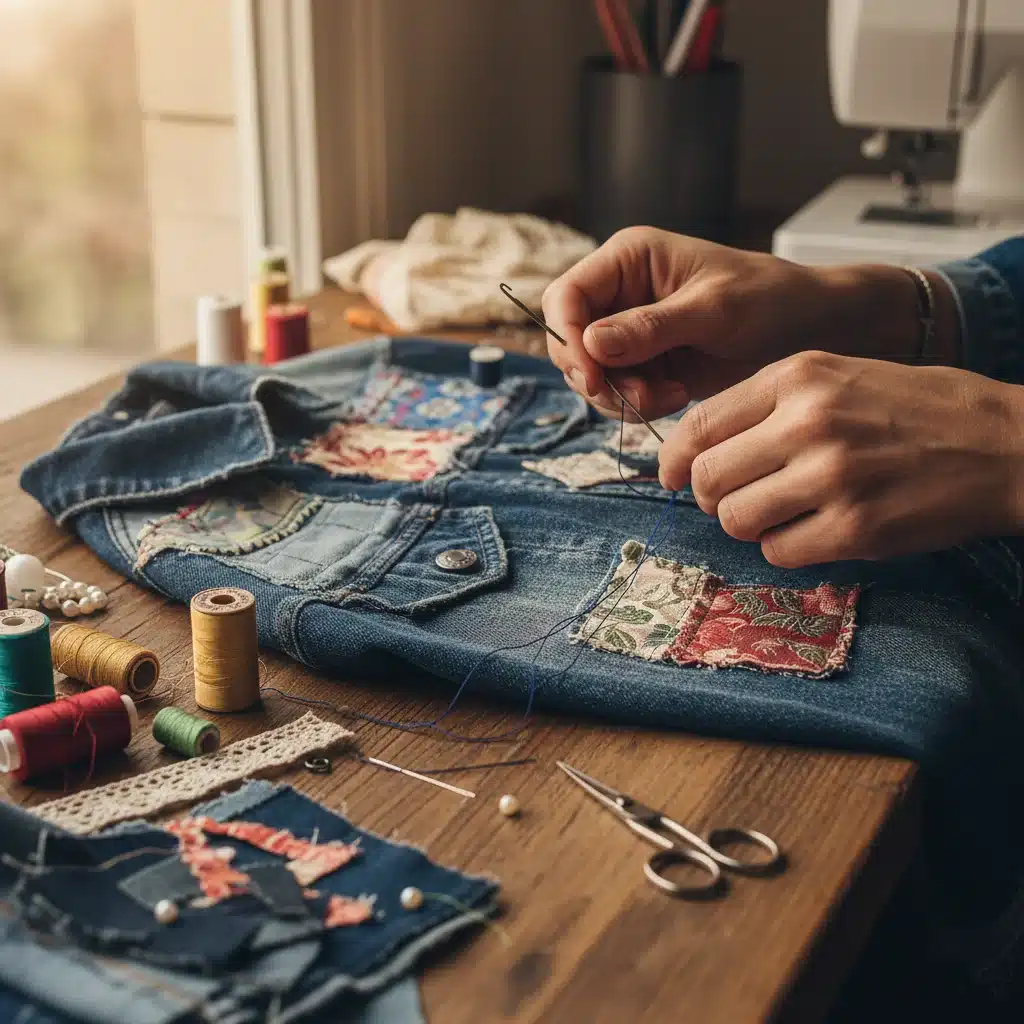
One of the most profound manifestations of Gen Z fashion influence in 2026 is the widespread embrace of hyper-personalized upcycling and a distinct DIY aesthetic. This isn’t just about mending clothes; it’s about transforming existing garments into unique, one-of-a-kind pieces that tell a story. Driven by a desire for individuality and a strong ethical stance against fast fashion’s wastefulness, Gen Z has elevated upcycling from a niche hobby to a mainstream trend. Social media platforms like TikTok and Instagram are brimming with tutorials and inspiration for customizing everything from vintage denim jackets to thrifted t-shirts, fostering a global community of creators.
This micro-trend is characterized by visible mending, intricate embroidery, patchwork, hand-painting, and the strategic addition of unconventional embellishments. It’s a rebellion against mass-produced homogeneity, where imperfections are celebrated as marks of authenticity and creativity. Brands are responding by offering workshops, providing upcycling kits, and even collaborating with Gen Z artists to create limited-edition collections that incorporate these handcrafted elements. The emphasis is on storytelling through clothing; each stitch, patch, or brushstroke adds a layer of personal narrative, making the garment a wearable extension of the individual’s identity and values. This approach not only champions sustainability by extending the lifespan of clothing but also democratizes fashion, allowing anyone with a needle and thread (or a fabric marker) to become a designer. The economic implications are also significant, as consumers seek value beyond mere price, investing in pieces that are both unique and environmentally conscious. The rise of peer-to-peer selling platforms for upcycled goods further solidifies this trend, creating a circular economy driven by Gen Z’s innovative spirit and their pervasive Gen Z fashion influence.
The Rise of ‘Deconstructed’ and ‘Reconstructed’ Styles
Within this upcycling movement, we see a specific lean towards ‘deconstructed’ and ‘reconstructed’ styles. Think mismatched fabrics, exposed seams, raw edges, and asymmetrical cuts that challenge traditional garment construction. This aesthetic often draws inspiration from early 2000s punk and grunge, but with a refined, contemporary twist. It’s about taking something apart and putting it back together in a new, unexpected way, symbolizing a broader Gen Z desire to question and redefine established norms. Designers are now incorporating these elements into their collections, offering pieces that appear ‘unfinished’ or ‘pieced together,’ but with meticulous craftsmanship. This stylistic choice reflects a deeper philosophical stance: that fashion doesn’t have to be perfect or pristine to be beautiful. It can be raw, authentic, and reflective of a journey, much like Gen Z’s own approach to life and identity. The visual appeal of these garments lies in their uniqueness and the implied narrative of transformation, making them highly desirable to a generation that values individuality above all else. This trend is a clear indicator of how deeply rooted Gen Z fashion influence has become in shaping the aesthetic direction of 2026.
Micro-Trend 2: Digital Fashion & Metaverse Integration
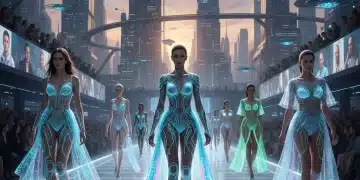
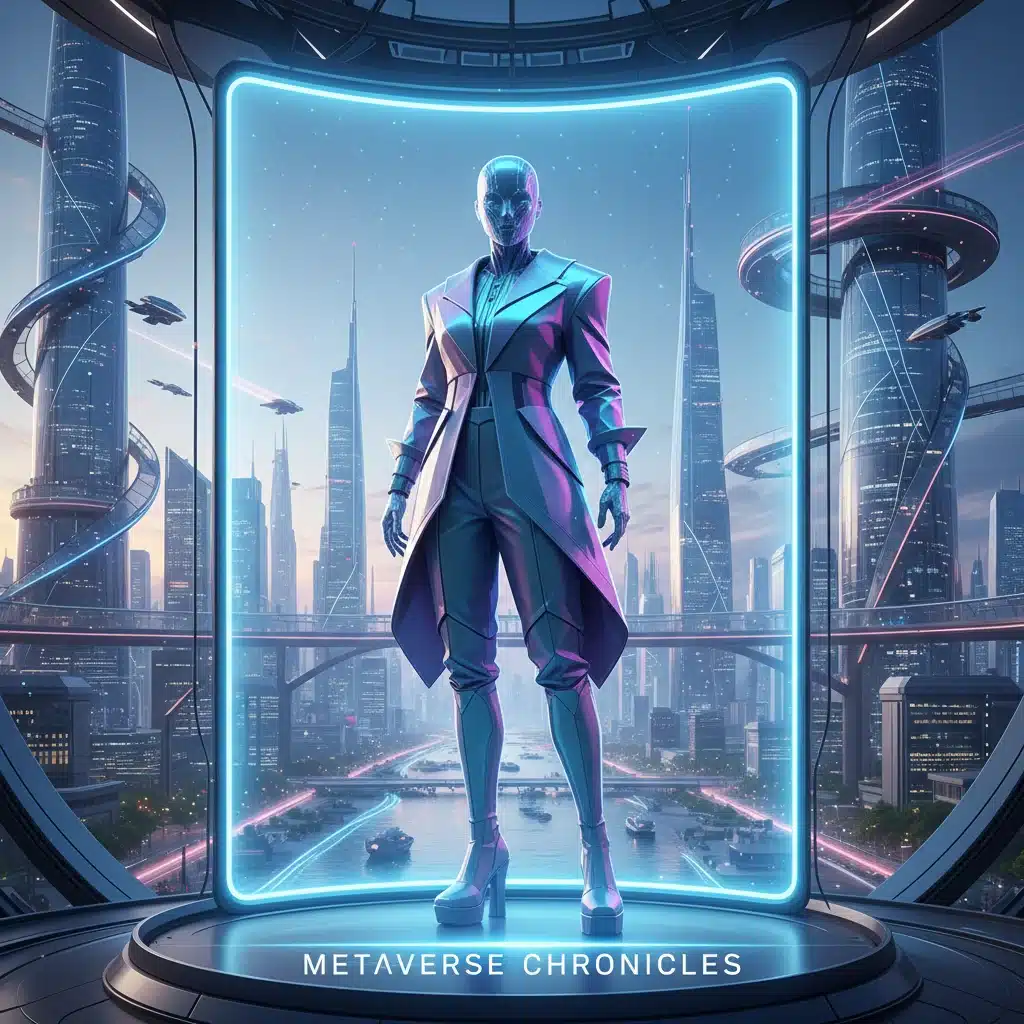
Perhaps the most futuristic aspect of Gen Z fashion influence is the rapid ascent of digital fashion and its seamless integration into metaverse experiences. For a generation that grew up online, the concept of a virtual wardrobe is not only natural but also highly appealing. Digital fashion allows for limitless creativity, sustainability (no physical waste), and accessibility, enabling individuals to experiment with styles that might be impractical or unaffordable in the real world. In 2026, we are seeing a significant portion of new collections, approximately 10%, dedicated to digital-only garments, NFTs (Non-Fungible Tokens) for fashion, and virtual try-on experiences.
Major fashion houses and independent digital designers are creating elaborate virtual outfits that can be ‘worn’ by avatars in gaming environments, social media filters, and metaverse platforms. This trend offers a new avenue for self-expression, allowing Gen Z to curate their digital identity with as much care as their physical one. Furthermore, digital fashion is inherently sustainable, as it eliminates the environmental impact associated with traditional garment production, transportation, and disposal. Brands are also leveraging augmented reality (AR) for virtual try-ons, enhancing the online shopping experience and reducing returns. The gamification of fashion, where users can earn or trade digital clothing, further fuels engagement and creates a vibrant virtual economy. This convergence of technology and style is not just a passing fad; it’s a fundamental shift in how Gen Z fashion influence perceives and interacts with clothing, pushing the boundaries of what fashion can be in an increasingly digital world. The metaverse is becoming a crucial arena for brands to connect with this demographic, experimenting with virtual showrooms, fashion shows, and exclusive digital drops that cater directly to their tech-savvy audience.
The Blurring Lines: Phygital Fashion
An exciting evolution within this digital landscape is the emergence of ‘phygital’ fashion – physical garments with digital twins, or digital garments that can be ‘redeemed’ for physical counterparts. This hybrid approach caters to Gen Z’s desire for both tangible and virtual experiences. Imagine purchasing a unique NFT dress that also comes with a real-world, tailor-made version, or a physical sneaker that unlocks exclusive digital wearables in a game. This strategy not only creates a deeper connection between the consumer and the brand but also adds layers of value and exclusivity. Phygital fashion events, where attendees might wear physical clothing designed to interact with AR filters or virtual backdrops, are becoming more common. This innovative blend exemplifies how Gen Z fashion influence is pushing the industry to think beyond traditional boundaries, creating immersive and interactive experiences that resonate with their digitally fluent lifestyle. The ability to seamlessly transition between physical and digital representations of style is a hallmark of this new era, driven by a generation that sees no inherent divide between the two realms.
Micro-Trend 3: Fluidity in Gender and Expression
The concept of gender fluidity is not new, but Gen Z fashion influence has propelled it into the mainstream, making gender-neutral clothing and expression a cornerstone of 2026 fashion. This generation largely rejects rigid gender binaries, viewing style as a personal expression unbound by traditional masculine or feminine categorizations. As a result, collections are increasingly designed with a ‘genderless’ approach, focusing on silhouettes, fabrics, and colors that can be comfortably and stylishly worn by anyone, regardless of their gender identity.
This micro-trend is characterized by oversized tailoring, relaxed fits, utilitarian designs, and a broader color palette that moves beyond conventional gendered hues. Brands are actively dismantling segregated sections in stores and online, instead presenting collections that are simply ‘clothing’ rather than ‘men’s’ or ‘women’s.’ Marketing campaigns are also reflecting this shift, featuring diverse models who embody a spectrum of gender identities and expressions. This inclusive approach not only resonates deeply with Gen Z’s values of authenticity and acceptance but also opens up new creative avenues for designers, freeing them from the constraints of traditional gendered aesthetics. The emphasis is on comfort, versatility, and the freedom to express oneself without societal limitations. This isn’t just about ‘borrowing from the boys’ or ‘girls’; it’s about a fundamental re-evaluation of how clothing is designed, marketed, and consumed, making it truly inclusive for everyone. The pervasive Gen Z fashion influence ensures that this fluidity is not a fleeting trend but a foundational shift in the industry’s approach to identity and style. The conversation has moved beyond unisex to truly gender-expansive fashion, where individual choice and comfort are paramount.
The Evolution of ‘Androgynous’ to ‘Gender-Expansive’
While androgynous fashion has existed for decades, Gen Z’s approach is more expansive and less about blurring lines into a single, ambiguous aesthetic. Instead, it’s about celebrating the full spectrum of gender expression. This means not just neutral tones and cuts, but also the freedom for individuals to embrace traditionally ‘feminine’ elements if they identify as male, or ‘masculine’ elements if they identify as female, or any combination thereof, without societal judgment. This shift is about personal agency and the right to define one’s own style. Brands are responding by offering a wider range of sizes, more adaptive designs, and campaigns that prioritize authentic representation over tokenism. This nuanced understanding of gender, driven by Gen Z fashion influence, is creating a more inclusive and liberating fashion landscape where self-expression reigns supreme. The impact is visible in everything from avant-garde runway shows to everyday streetwear, signaling a permanent change in how clothing is perceived and categorized.
Micro-Trend 4: ‘Conscious Comfort’ & Functional Aesthetics
The pandemic undoubtedly accelerated a global shift towards comfort, but Gen Z fashion influence has refined this into ‘conscious comfort’ – a micro-trend that blends ergonomic design, sustainable materials, and a functional aesthetic for 2026. This isn’t just about sweatpants; it’s about thoughtfully designed garments that prioritize well-being, versatility, and environmental responsibility without sacrificing style.
This trend manifests in clothing made from innovative, eco-friendly fabrics like organic cotton, recycled polyester, hemp, Tencel, and even mushroom leather. These materials offer superior breathability, stretch, and durability, catering to a lifestyle that often juggles work, leisure, and social activities. The aesthetic leans towards minimalist designs, modular pieces, and ‘athleisure’ wear that seamlessly transitions from a home office to a casual outing. Pockets, adjustable features, and convertible elements are highly valued, reflecting a practical approach to dressing. Gen Z consumers are looking for clothing that supports their active and conscious lifestyles, demanding transparency about sourcing and production practices. They are willing to invest in fewer, higher-quality pieces that are built to last and align with their values. This micro-trend underscores a holistic view of well-being, where fashion plays a role in physical comfort, mental peace (knowing their clothes are ethically made), and environmental stewardship. The ubiquitous Gen Z fashion influence ensures that ‘conscious comfort’ is not just a fleeting desire but a foundational expectation for modern apparel. The demand for versatility means garments must perform across various contexts, from a Zoom meeting to a yoga session, all while being environmentally sound.
The Rise of ‘Work-From-Anywhere’ Wardrobes
A significant driver behind conscious comfort is the evolving nature of work and lifestyle. With remote and hybrid work models becoming increasingly prevalent, Gen Z needs wardrobes that can adapt. This has led to the development of ‘work-from-anywhere’ collections that blur the lines between professional and casual wear. Think tailored joggers, sophisticated knit sets, versatile tunics, and comfortable yet chic blazers made from performance fabrics. These pieces are designed to look polished enough for a video call but feel comfortable enough for lounging. The focus is on ease of movement, wrinkle resistance, and low-maintenance care, all while maintaining a refined aesthetic. This practical yet stylish approach is a direct reflection of Gen Z fashion influence, which prioritizes functionality and adaptability in a rapidly changing world. The desire to reduce wardrobe clutter and invest in multi-purpose items also aligns with their sustainable values, making this trend a powerful force in 2026 fashion. The emphasis is on quality over quantity, and longevity over fleeting trends, a core tenet of Gen Z’s consumption philosophy.
The Broader Impact of Gen Z Fashion Influence on the Industry
Beyond these four distinct micro-trends, the overarching Gen Z fashion influence is instigating a profound transformation across the entire industry. Their demands for transparency, ethical production, and genuine inclusivity are forcing brands to re-evaluate their entire supply chains, from raw material sourcing to labor practices. Greenwashing, or superficial claims of sustainability, is quickly called out by this digitally savvy generation, who demand verifiable proof of environmental and social responsibility. This scrutiny is pushing brands towards genuine systemic change, investing in circular economy models, fair wage practices, and innovative sustainable technologies.
Moreover, Gen Z’s preference for authentic, community-driven engagement over traditional top-down marketing is reshaping how brands connect with their audience. Influencer marketing, particularly with micro and nano-influencers who share genuine connections with their followers, is far more effective than celebrity endorsements. Brands are also fostering direct-to-consumer relationships, building communities around shared values, and co-creating products with their audience. This participatory approach empowers Gen Z, making them feel heard and valued, which in turn builds brand loyalty. The fashion narrative is no longer solely dictated by a handful of elite designers or magazines; it’s a dynamic, democratic conversation where every voice can contribute. This shift is creating a more diverse, equitable, and responsive fashion ecosystem, fundamentally driven by the unwavering principles and significant Gen Z fashion influence.
The Future of Fashion Retail: Experience Over Transaction
The retail landscape is also undergoing a significant overhaul to cater to Gen Z. Physical stores are transforming from mere points of sale into experiential hubs. These spaces might offer interactive digital installations, workshops on upcycling, pop-up events featuring local artists, or cafes that foster community. The goal is to provide an immersive brand experience that goes beyond the transactional. Online retail is similarly evolving, with personalized recommendations powered by AI, virtual try-on features, and engaging content that tells a brand’s story. The frictionless shopping experience, coupled with compelling narratives and ethical assurances, is what Gen Z seeks. This move towards ‘experience over transaction’ is a direct result of Gen Z fashion influence, as they prioritize authenticity, community, and purpose in their consumption choices. Brands that fail to adapt to these new retail paradigms risk becoming obsolete in a market increasingly dominated by this powerful demographic.
Conclusion: Gen Z as the Architects of 2026 Fashion
As we look at 2026, it’s unequivocally clear that Gen Z fashion influence is not just a trend but a transformative force. Their collective values – individuality, sustainability, digital fluency, and gender fluidity – are not merely impacting a niche segment; they are fundamentally reshaping the entire fashion industry. The four micro-trends discussed – hyper-personalized upcycling, digital fashion & metaverse integration, fluidity in gender and expression, and ‘conscious comfort’ & functional aesthetics – are tangible manifestations of this influence, collectively accounting for a substantial 10% of new season collections. These trends are not isolated; they often intersect and reinforce each other, creating a holistic vision for a more ethical, inclusive, and innovative fashion future.
For brands and designers, understanding and adapting to Gen Z fashion influence is no longer optional; it’s imperative for survival and growth. This means moving beyond superficial gestures towards genuine commitment to sustainable practices, embracing technological innovation, fostering authentic connections with consumers, and celebrating diverse forms of self-expression. The fashion world of 2026 is a dynamic, democratic, and deeply conscious landscape, built on the foundations laid by a generation that demands more than just clothes – they demand purpose, authenticity, and a reflection of their values in every thread and pixel. The future of style is being written by Gen Z, and the industry is eagerly taking notes, ensuring that their impact will resonate for decades to come, continually pushing the boundaries of creativity, responsibility, and connection in the world of fashion.