In an increasingly personalized world, subscription boxes have carved out a significant niche, promising convenience, discovery, and curated experiences delivered right to your doorstep. From gourmet meals and artisanal coffees to bespoke beauty products and engaging books, there’s a subscription box for nearly every interest imaginable. However, as the market continues to expand at an astonishing rate, the sheer volume of choices can become overwhelming. The challenge for consumers in 2026 isn’t just finding a subscription box, but truly understanding how to optimize subscription boxes to maximize their value, ideally by a significant 20% or more. This comprehensive guide will equip you with the knowledge and strategies to navigate the subscription landscape, ensuring every dollar spent translates into genuine satisfaction and tangible benefits.
The subscription economy is projected to continue its robust growth, driven by technological advancements, evolving consumer preferences for convenience, and the desire for personalized experiences. What began as a novelty has evolved into a staple for many households, but with this evolution comes the imperative to be strategic. Blindly signing up for boxes without a clear understanding of their long-term value can lead to subscription fatigue, wasted money, and a feeling of being overwhelmed rather than delighted. Our goal is to transform you into a savvy subscriber, capable of making informed decisions that align with your lifestyle, budget, and evolving needs.
This article will delve into the core principles of subscription box optimization, covering everything from initial selection criteria and financial planning to leveraging loyalty programs and understanding cancellation policies. We’ll explore how to identify your true needs, evaluate the real cost versus perceived value, and implement strategies for continuous optimization. By the end, you’ll have a clear roadmap to achieving that 20% increase in value from your subscription boxes, making them a true asset in your daily life.
Understanding the Evolving Subscription Box Landscape in 2026
The subscription box market in 2026 is more diverse and sophisticated than ever before. Beyond the traditional categories, we’re seeing an emergence of highly niche boxes catering to specific hobbies, ethical consumerism, and even digital experiences bundled with physical goods. Artificial intelligence and machine learning play a crucial role, enabling providers to offer hyper-personalized selections based on extensive user data, feedback, and predictive analytics. This enhanced personalization, while a boon for consumers, also means that the responsibility to truly optimize subscription boxes shifts more towards the consumer to ensure their preferences are accurately reflected and updated.
Advertisements
Furthermore, sustainability and ethical sourcing have become paramount. Many consumers are actively seeking boxes that align with their values, offering eco-friendly products, supporting fair trade, or minimizing packaging waste. This trend presents both an opportunity and a challenge: an opportunity for conscious consumers to find products that resonate with their ethics, and a challenge to discern genuine commitment from mere greenwashing. Understanding these evolving dynamics is the first step towards making truly informed and valuable subscription choices.
The Rise of Hybrid and Experience-Based Subscriptions
Beyond physical products, 2026 sees a surge in hybrid subscriptions that combine physical goods with digital content or exclusive experiences. Imagine a craft box that includes not just materials but also access to live online workshops with expert artisans, or a coffee subscription that grants entry to virtual tasting events with roasters from around the world. These experience-based models add another layer of value, transforming a simple delivery into an engaging journey. To effectively optimize subscription boxes, it’s essential to consider whether these added experiential components genuinely enhance your life and justify the cost.
Data-Driven Personalization and its Implications
The sophistication of AI in 2026 allows subscription services to offer unparalleled personalization. Your past preferences, feedback, and even browsing history can inform the curation of your next box. While this sounds ideal, it also means that your engagement with the service directly impacts its value. Regularly updating your profile, providing honest feedback on items received, and actively engaging with preference surveys are no longer optional but crucial steps to ensure the box evolves with your tastes. Neglecting these aspects can quickly lead to receiving items that don’t quite hit the mark, thereby diminishing the perceived value.
Phase 1: Strategic Selection – Choosing the Right Subscription Box
The journey to optimize subscription boxes begins long before the first delivery: it starts with meticulous selection. With countless options available, a strategic approach is vital to avoid subscription fatigue and ensure every box genuinely adds value to your life. This phase involves introspection, research, and a clear understanding of your financial boundaries.
1. Define Your Needs and Desires (The ‘Why’)
Before even browsing, ask yourself: What problem am I trying to solve? What joy am I seeking? Are you looking for convenience in meal planning, discovering new beauty products, expanding your reading list, or supporting ethical businesses? Clearly articulating your ‘why’ will narrow down your choices significantly. For example, if your goal is to reduce grocery shopping time, a meal kit subscription might be ideal. If it’s about self-care and discovery, a beauty or wellness box could be more appropriate. Your ‘why’ should be strong enough to justify a recurring expense.
2. Research, Compare, and Read Reviews
Once you’ve identified your general area of interest, dive deep into research. Utilize dedicated subscription box review sites, forums, and social media groups. Look beyond the glossy marketing materials and focus on genuine customer experiences. Pay attention to:
- Product Quality: Are the items consistently high quality?
- Curation Accuracy: Do subscribers feel the boxes are truly personalized to their preferences?
- Customer Service: How responsive and helpful is the company?
- Flexibility: Are there options to skip months, customize items, or easily cancel?
- Community Engagement: Do they foster a community around their products?
Don’t just read the glowing reviews; scrutinize the critical ones to understand potential downsides. Look for patterns in feedback, both positive and negative.
3. Evaluate the True Cost vs. Perceived Value
This is perhaps the most critical step in learning to optimize subscription boxes. The perceived value often comes from the excitement of unboxing and the discovery of new items. However, the true value lies in whether you would have purchased those items individually, at what price, and how often you actually use them. Consider:
- Individual Item Cost: Estimate the retail price of each item if purchased separately. Does the total significantly exceed the box’s cost?
- Utility and Usage: How many items in each box do you genuinely use and enjoy? If you consistently find yourself discarding or regifting more than 20-30% of the contents, the box might not be providing optimal value.
- Opportunity Cost: What else could that money be spent on? Is the subscription truly a better use of your funds?
Be wary of boxes that primarily send sample sizes unless that’s explicitly what you’re looking for. Full-sized products generally offer better long-term value.
4. Look for Introductory Offers and Trial Periods
Many subscription services offer discounted first boxes, free trials, or special sign-up bonuses. These are excellent opportunities to test the waters without a significant commitment. Just remember to mark your calendar for the auto-renewal date if you decide not to continue. Always read the fine print regarding trial terms and cancellation policies.
Phase 2: Active Management – Maximizing Value Post-Subscription
Once you’ve chosen your subscription, the work of optimizing it doesn’t stop. Active management is key to ensuring continuous value and adapting to your changing needs. This phase focuses on leveraging features, providing feedback, and being proactive about your subscription choices to truly optimize subscription boxes.
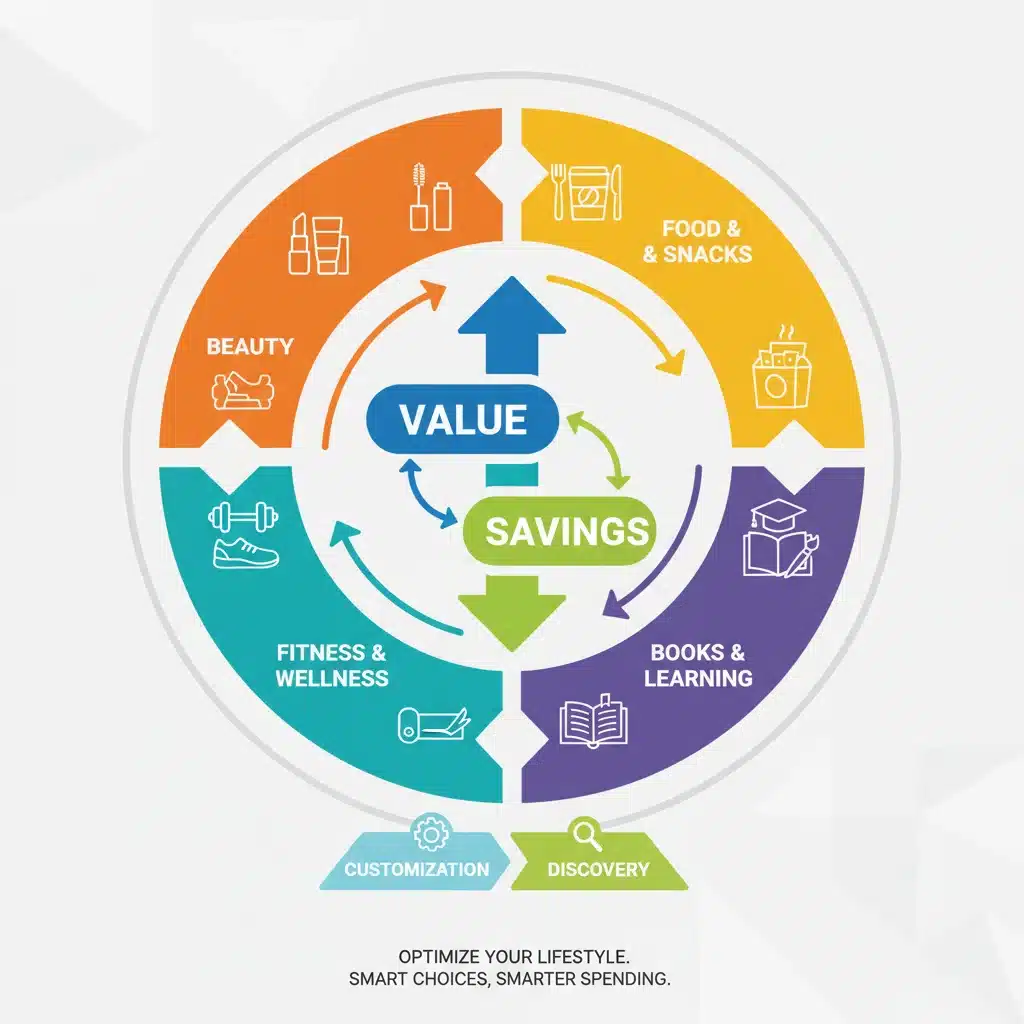
1. Leverage Customization and Preference Settings
Most modern subscription boxes offer extensive customization options. This is your primary tool for personalization. Take the time to:
- Fill out detailed preference quizzes: Be honest and thorough.
- Update your profile regularly: As your tastes or needs change, so should your preferences within the subscription service.
- Rate items received: Your feedback directly informs future curations. The more data you provide, the better the box becomes.
- Skip or Swap items: Many services allow you to preview upcoming boxes and swap out items you don’t want or skip a month entirely. This is crucial for preventing product overload and ensuring you only receive items you’ll love.
Underutilizing these features is a common mistake that leads to dissatisfaction. Think of it as an ongoing dialogue with the service provider.
2. Track Your Usage and Satisfaction
Keep a simple log or mental note of what you receive and how much you use it. After a few boxes, review:
- What items did you love and use completely?
- What items are still sitting unopened?
- Are there recurring items you no longer need or want?
This tracking helps you identify if the box is still serving its purpose and if your preferences need adjusting. It also helps you assess if you are truly getting that 20% value increase you are aiming for.
3. Be Mindful of Product Accumulation
A common pitfall of subscription boxes, especially in categories like beauty or snacks, is product accumulation. You might end up with more shampoo, snacks, or candles than you can reasonably use before they expire or go stale. This is where the ‘skip a month’ or ‘pause subscription’ features become invaluable. Don’t be afraid to take a break if you feel overwhelmed by products. Remember, the goal is to enhance your life, not clutter it.
4. Engage with the Community and Customer Support
Many subscription boxes foster vibrant online communities. Engaging with other subscribers can provide valuable insights, tips, and even opportunities to swap unwanted items. Furthermore, don’t hesitate to reach out to customer support if you have an issue or a suggestion. A good customer service experience can significantly enhance your overall satisfaction and demonstrate the company’s commitment to its subscribers.
Phase 3: Continuous Optimization – Refining Your Subscription Strategy
The world changes, and so do your needs and the offerings of subscription services. Continuous optimization is about regularly reassessing your subscriptions to ensure they continue to deliver maximum value. This proactive approach is what truly allows you to optimize subscription boxes over the long term.
1. Conduct Regular ‘Subscription Audits’
At least once or twice a year, perform a thorough audit of all your active subscriptions. Ask yourself for each one:
- Am I still using this service regularly?
- Is it still providing value commensurate with its cost?
- Have my needs or preferences changed, making this subscription less relevant?
- Are there better alternatives available now?
- Can I achieve the same benefits more cheaply elsewhere?
Be ruthless in your evaluation. If a subscription isn’t pulling its weight, it’s time to consider pausing or canceling.
2. Explore Loyalty Programs and Referral Bonuses
Many subscription services reward loyal customers with points, discounts, or exclusive access to products. Make sure you’re aware of and actively participating in any loyalty programs offered. Additionally, if you genuinely love a box, consider referring friends. Referral bonuses can significantly reduce your own costs, directly contributing to that 20% value increase goal.
3. Understand Cancellation Policies and Be Prepared to Act
Before subscribing to any service, always familiarize yourself with its cancellation policy. Some are straightforward, allowing you to cancel online with a few clicks. Others might require a phone call or an email, and some may have specific deadlines before the next billing cycle. Knowing these policies upfront empowers you to make timely decisions without incurring unwanted charges. Don’t let the fear of cancellation prevent you from ending a subscription that no longer serves you.
4. Re-evaluate Your Budget and Financial Goals
Your financial situation can change, and your subscription spending should reflect that. Integrate your subscription costs into your overall budget. If you find yourself cutting back in other areas, your subscriptions should be among the first things to review. The goal is to spend smarter, not just less. By aligning your subscription choices with your financial goals, you ensure they remain an asset, not a liability.
5. Stay Informed About Market Changes
The subscription box market is dynamic. New players emerge, existing ones evolve, and pricing structures can change. Stay casually informed about new trends, competitors, and innovations in the categories you subscribe to. This awareness can help you identify better deals or more aligned services, allowing you to switch when a truly superior option arises. Following industry blogs or newsletters can be a simple way to stay updated.

Achieving Your 20% Value Increase: A Practical Example
Let’s illustrate how these strategies can lead to a tangible 20% increase in value. Imagine you subscribe to a gourmet snack box costing $30/month. Over a year, that’s $360. If you consistently find that 30% of the snacks aren’t to your taste or go uneaten, you’re effectively wasting $108 annually.
By implementing optimization strategies:
- Refined Preferences: You meticulously update your taste profile, ensuring the box curator has the most accurate information.
- Skipping/Swapping: You preview upcoming boxes and swap out items you know you won’t enjoy, or skip a month when your pantry is full.
- Feedback: You consistently rate snacks, highlighting what you love and dislike.
- Loyalty Program: You discover and utilize a loyalty program that gives you a 10% discount after six months of subscription.
Through these actions, you reduce the ‘wasted’ portion from 30% to, say, 10%. This means only $36 of the annual cost is not fully utilized. Furthermore, the 10% loyalty discount saves you an additional $36 over the year (assuming an average discount applies). Your effective ‘waste’ is now $36, and you’ve saved $36. The total value received for your $360 annual spend has increased from $252 (70% usage) to $324 (90% usage) + $36 savings = $360. This is a significant improvement in value, effectively getting more for your money or saving money while maintaining the same level of satisfaction. This example demonstrates how a combination of smart choices and active management can easily yield a 20% or even greater increase in the effective value you receive.
The Future of Subscription Box Optimization
Looking ahead, the tools and strategies for optimizing subscription boxes will only become more sophisticated. Expect more robust AI-driven recommendation engines that learn from your explicit and implicit feedback, potentially even integrating with smart home devices to anticipate needs. Blockchain technology could play a role in verifying ethical sourcing and supply chain transparency, giving consumers greater confidence in their choices.
Furthermore, the concept of ‘subscription marketplaces’ is likely to grow, allowing consumers to manage all their subscriptions from a single dashboard, easily compare alternatives, and receive personalized recommendations for optimization. These platforms could offer analytics on your spending patterns across all subscriptions, empowering you with even greater control and insight into your recurring expenses.
The emphasis will increasingly be on flexibility and consumer control. Companies that offer the most adaptable services – allowing easy pauses, skips, and highly granular customization – will likely thrive. As consumers, our role will be to leverage these advancements, staying informed and proactive to continue to optimize subscription boxes for our maximum benefit.
Conclusion: Be a Savvy Subscriber in 2026
The subscription box phenomenon is here to stay, offering unparalleled convenience and discovery. However, merely participating in the subscription economy is no longer enough. To truly thrive and ensure these services enhance your life without draining your wallet, you must become a savvy subscriber. By diligently applying the strategies outlined in this guide – from strategic selection and active management to continuous optimization – you can confidently navigate the vast subscription landscape of 2026.
Remember, the goal is not to eliminate all subscriptions, but to make every single one count. By defining your needs, researching thoroughly, leveraging customization, and regularly auditing your choices, you can achieve that significant 20% increase in value, transforming your subscription boxes from mere deliveries into truly enriching and cost-effective experiences. Embrace the power of informed choice, and let your subscription boxes work smarter, not just harder, for you.