Mastering Seasonal Wardrobe Swaps: Your Ultimate Guide for Spring & Fall 2026
As the fashion world continues to evolve, so does our approach to dressing for the seasons. The year 2026 promises a renewed focus on sustainability, versatility, and timeless style. For many, the transition between spring and fall can be a sartorial challenge. How do you maintain a fresh, contemporary look without overhauling your entire closet twice a year? The answer lies in smart seasonal wardrobe swaps. This comprehensive guide will walk you through four essential strategies to effortlessly update your 2026 wardrobe, ensuring you stay chic, comfortable, and conscious of your environmental impact, whether the daffodils are blooming or the leaves are turning golden.
The concept of seasonal wardrobe swaps isn’t just about packing away winter coats and pulling out summer dresses. It’s about strategic planning, investing in versatile pieces, and understanding how to layer and accessorize to adapt to fluctuating temperatures and evolving trends. By focusing on key items that can transition seamlessly, you’ll not only save money but also reduce your fashion footprint. Let’s dive into the art of the perfect seasonal transition.
The Philosophy Behind Smart Seasonal Wardrobe Swaps
Before we delve into specific items, it’s crucial to understand the underlying philosophy. In 2026, fashion is leaning heavily into intentionality. This means building a wardrobe that serves you, rather than you serving your wardrobe. Smart seasonal wardrobe swaps are rooted in:
Advertisements
- Versatility: Pieces that can be styled in multiple ways for different occasions and temperatures.
- Layering: The ability to add or remove clothing to adjust to changing weather conditions.
- Quality over Quantity: Investing in durable, well-made items that will last for years.
- Timelessness: Opting for classic designs that won’t go out of style after one season.
- Sustainability: Making conscious choices about materials, production, and extending the life of your garments.
Embracing these principles will transform your approach to fashion, making seasonal wardrobe swaps not a chore, but an exciting opportunity to refresh your personal style. Think of your wardrobe as a carefully curated collection, where each piece earns its place and works harmoniously with others.
Swap 1: The Transformative Power of Outerwear
Outerwear is arguably the most impactful category when it comes to seasonal wardrobe swaps. It’s the first thing people see, and it plays a critical role in keeping you comfortable. For 2026, the focus is on lightweight yet protective options that can be easily layered.
From Heavy Coats to Lightweight Trench Coats and Blazers (Spring)
As winter’s chill recedes, heavy wool coats and puffer jackets become obsolete. The first crucial swap for spring 2026 involves replacing these with more breathable, stylish alternatives. A classic trench coat is a non-negotiable hero piece. Its water-resistant properties make it perfect for April showers, while its timeless silhouette instantly elevates any outfit. Look for trench coats in traditional beige, olive green, or even a soft pastel for a modern twist.
Another excellent spring outerwear option is the oversized blazer. Blazers have transcended their corporate origins to become a versatile staple. For spring, opt for blazers in linen blends, cotton, or lighter wools. They can be worn over a t-shirt and jeans for a casual look, or draped over a slip dress for an evening out. The key here is to find blazers that offer structure without being too heavy, allowing for easy layering as temperatures fluctuate throughout the day. This is a fundamental aspect of effective seasonal wardrobe swaps.
From Lightweight to Structured Jackets and Cardigans (Fall)
When autumn arrives, the goal shifts from shedding layers to embracing a bit more warmth and texture. Your lightweight trench can still serve you well in early fall, but as the air gets crisper, consider swapping it for a more structured jacket or a substantial cardigan. A well-tailored leather jacket, whether classic black or a rich burgundy, adds an edgy sophistication and provides excellent warmth. Denim jackets also continue to be a fall favorite, perfect for casual layering.
For a softer, cozier approach, invest in high-quality knit cardigans. These aren’t your grandmother’s cardigans; think chunky knits, longline silhouettes, or even cashmere blends. They can be worn open over a blouse, buttoned up as a top, or layered under a heavier coat as winter approaches. The beauty of these items lies in their ability to provide warmth without bulk, making them ideal for smart seasonal wardrobe swaps.
Swap 2: Adapting Your Bottoms for Comfort and Style
The right bottoms can anchor your entire outfit and significantly impact your comfort level across seasons. Making smart seasonal wardrobe swaps with your trousers and skirts is essential.
From Heavy Trousers to Flowy Wide-Legs and Linen (Spring)
Say goodbye to heavy corduroys and thick wool trousers. Spring 2026 calls for liberation and movement. Embrace flowy wide-leg trousers in breathable fabrics like linen, tencel, or lightweight cotton. These offer comfort and a sophisticated silhouette, perfect for warmer days. They pair beautifully with anything from a simple tank top to a tailored blouse.
Midi skirts also make a strong comeback for spring. Look for styles in playful prints, soft pastels, or vibrant block colors. A pleated midi skirt, a satin slip skirt, or a cotton A-line skirt can be incredibly versatile. They can be dressed up with heels and a silk camisole or dressed down with sneakers and a graphic tee. This versatility is key to maximizing your seasonal wardrobe swaps.
From Flowy to Structured Denim and Corduroy (Fall)
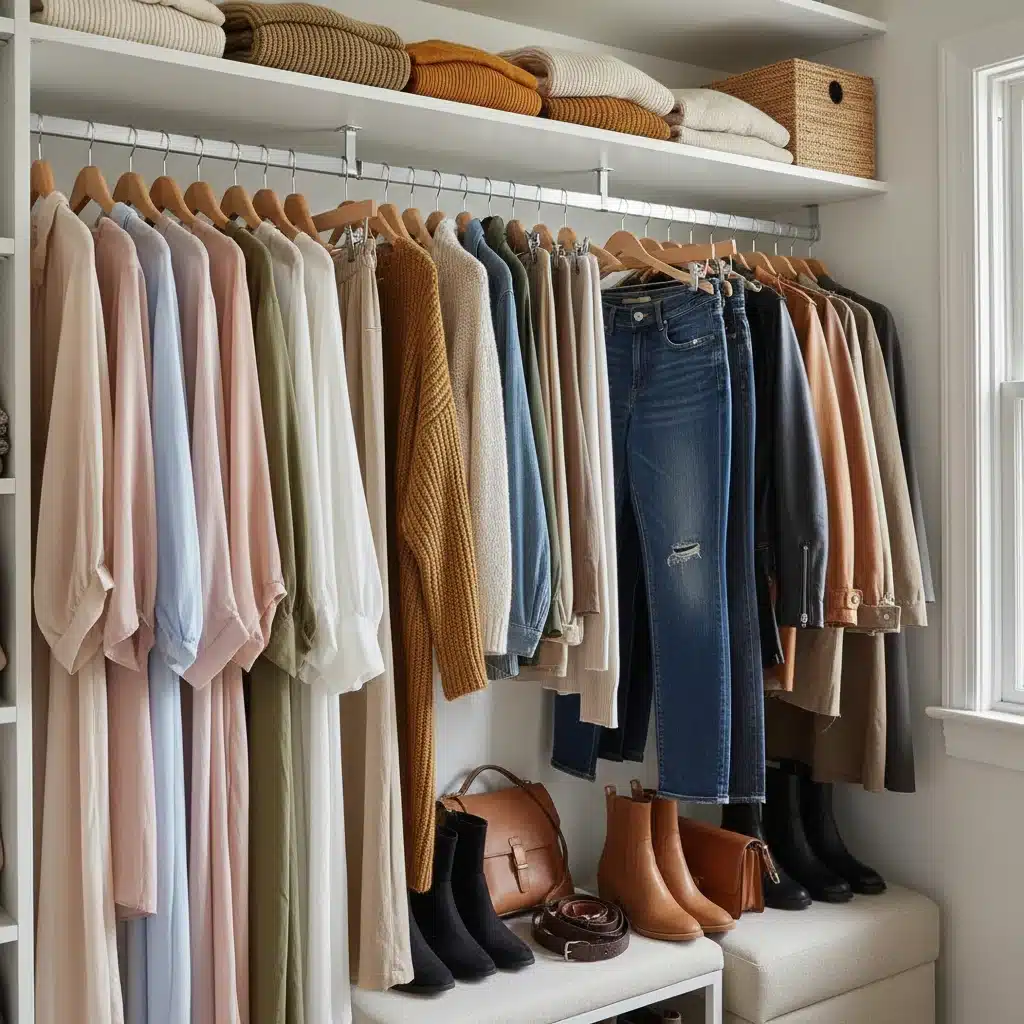
As the temperatures drop, your wardrobe needs a bit more substance. While wide-leg trousers can still work in early fall, particularly in darker hues or heavier fabrics, it’s time to reintroduce more structured options. Classic denim, especially in darker washes or straight-leg and bootcut styles, becomes a go-to. High-waisted jeans offer both style and warmth.
Corduroy trousers, often overlooked, are making a strong return for fall 2026. They offer texture, warmth, and a touch of vintage charm. Look for them in rich autumnal tones like deep greens, browns, or burgundies. Leather trousers or faux leather leggings also provide an excellent option for warmth and a chic, modern aesthetic. These strategic seasonal wardrobe swaps ensure your lower half is always appropriately dressed for the weather.
Swap 3: The Art of Layering with Tops and Dresses
Layering is the cornerstone of successful seasonal wardrobe swaps. It allows you to create outfits that are adaptable to unpredictable weather and can take you from day to night. The right tops and dresses form the foundation of these layers.
From Heavy Knits to Breathable Blouses and Layering Tees (Spring)
Put away the chunky sweaters and thermal tops. Spring is all about light, airy fabrics. Stock up on high-quality cotton t-shirts and long-sleeved tops in neutral colors. These are perfect for layering under blazers, cardigans, or even lightweight jackets. Silk or satin camisoles are also excellent for layering, adding a touch of luxury and keeping you cool.
Blouses in breathable fabrics like cotton, linen, or rayon are essential. Think oversized button-downs, puff-sleeved tops, or delicate floral prints. These can be worn on their own on warmer days or layered under a vest or light jacket when there’s a chill in the air. For dresses, opt for midi or maxi lengths in floral prints, stripes, or solid pastels. A versatile slip dress can be worn under a blazer or a lightweight knit, making it a perfect piece for seasonal wardrobe swaps.
From Light to Textured Knits and Layered Dresses (Fall)
As fall approaches, the focus shifts back to warmth and texture. Your lightweight layering tees and camisoles will still be useful as base layers, but you’ll want to introduce more substantial tops. Invest in fine-gauge merino wool sweaters, cashmere blends, or soft cotton knits. Turtlenecks and mock-necks are particularly useful for adding warmth and can be layered under almost anything.
For dresses, transition from light cotton to heavier fabrics like knit dresses, corduroy dresses, or even faux leather options. These can be layered over long-sleeved tops or turtlenecks, and paired with tights or leggings for extra warmth. A midi or maxi knit dress, for instance, can be incredibly chic and comfortable for fall. This strategic layering and fabric choice are critical for effective seasonal wardrobe swaps.
Swap 4: Accessorizing for Impact and Functionality
Accessories are the unsung heroes of seasonal wardrobe swaps. They can completely transform an outfit, add a touch of personality, and provide crucial functionality for changing weather.
From Heavy Boots to Stylish Sneakers and Sandals (Spring)
Winter boots, however fashionable, need to be stored away as spring arrives. Swap them for lighter footwear options. Stylish sneakers continue their reign in 2026, offering comfort and a cool, casual vibe. White leather sneakers, canvas trainers, or even fashion-forward chunky sneakers are perfect for spring. They pair well with dresses, skirts, and trousers.
For warmer days, elegant sandals – from minimalist flats to block-heeled options – are essential. Loafers and ballet flats also offer a sophisticated alternative to boots, providing comfort and a polished look. Don’t forget a lightweight scarf in silk or cotton, which can add a pop of color and offer a little warmth on cooler spring mornings or evenings. This attention to detail in accessories is vital for seamless seasonal wardrobe swaps.
From Sandals to Ankle Boots and Statement Scarves (Fall)
As fall rolls in, it’s time to reintroduce closed-toe shoes and warmer accessories. Ankle boots are the quintessential fall footwear. Whether you prefer classic leather, suede, or a trendy combat boot style, they are versatile enough to pair with almost any fall outfit, from jeans to dresses. Knee-high boots also make a strong statement and offer extra warmth.
Swap your lightweight spring scarves for more substantial options. Wool, cashmere, or chunky knit scarves not only add warmth but also serve as a stylish focal point. Consider hats – felt fedoras, beanies, or wide-brimmed hats – to complete your fall look and provide protection from the elements. A sturdy leather handbag in a rich fall color can also replace lighter canvas or straw bags from spring. These accessory changes are crucial for perfecting your seasonal wardrobe swaps.
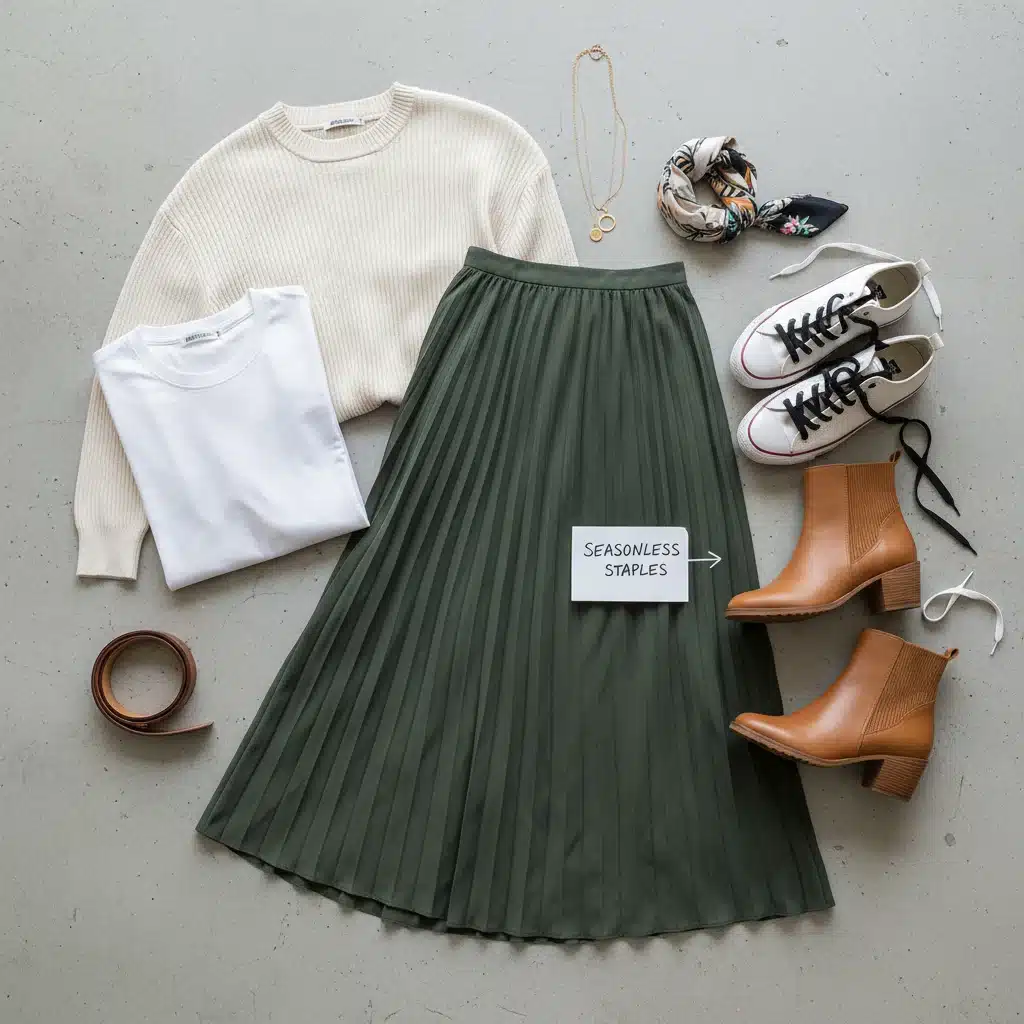
Building a Sustainable and Versatile Wardrobe for 2026
The core of successful seasonal wardrobe swaps in 2026 is sustainability. By investing in fewer, higher-quality pieces that can be mixed and matched across seasons, you reduce waste and contribute to a more ethical fashion industry. Consider these additional tips for a truly versatile and sustainable wardrobe:
- Capsule Wardrobe Mindset: Think about creating a mini-wardrobe for each season, focusing on a limited number of interchangeable pieces.
- Color Palette: Stick to a cohesive color palette that includes neutrals and a few accent colors. This makes mixing and matching much easier.
- Fabric Choices: Prioritize natural fibers like cotton, linen, wool, and silk, which are breathable, durable, and often more sustainable.
- Care and Repair: Extend the life of your garments by caring for them properly and repairing them when needed, rather than discarding them.
- Shop Secondhand: Explore thrift stores, consignment shops, and online marketplaces for unique, pre-loved items that can enhance your seasonal wardrobe swaps without contributing to new production.
By adopting these practices, your seasonal wardrobe swaps become less about chasing fleeting trends and more about cultivating a personal style that is both enduring and adaptable. This approach not only makes getting dressed easier but also aligns with a more conscious way of living.
Practical Tips for Executing Your Seasonal Wardrobe Swaps
Now that you understand the key areas for seasonal wardrobe swaps, let’s look at some practical steps to make the process smooth and efficient:
- Declutter Before You Store: As you pack away items from the previous season, take the opportunity to declutter. Ask yourself: Have I worn this in the past year? Does it still fit? Is it in good condition? Be ruthless in letting go of items that no longer serve you. This makes your next seasonal transition much easier.
- Clean and Repair: Before storing clothes for the next season, ensure they are clean and in good repair. Storing dirty clothes can attract pests and set stains. Mend any small tears or replace missing buttons. This ensures your garments are ready to wear when their season returns.
- Proper Storage: Store off-season clothes in breathable garment bags or containers. Avoid plastic bags, which can trap moisture and cause mildew. Use cedar blocks or lavender sachets to deter moths. Store items in a cool, dry place. Proper storage is crucial for preserving your investment and making future seasonal wardrobe swaps hassle-free.
- Identify Gaps and Plan Purchases: Once you’ve brought out your current season’s clothes, assess your wardrobe. Are there any gaps? Do you need a new versatile blazer for spring or a foundational knit for fall? Make a conscious list of items you truly need, rather than impulse buying. This thoughtful approach supports the goal of intentional seasonal wardrobe swaps.
- Mix and Match Experimentation: Dedicate some time to playing dress-up with your newly swapped wardrobe. Experiment with different combinations, layer pieces in new ways, and try on outfits you wouldn’t normally consider. This helps you discover new styling possibilities and maximize the versatility of your existing pieces.
- Monitor Weather Forecasts: While the seasons generally follow a pattern, unexpected weather can occur. Keep an eye on local forecasts to make minor adjustments to your daily outfits, ensuring you’re always comfortable. This flexibility is a hallmark of mastering seasonal wardrobe swaps.
The Economic and Environmental Benefits of Thoughtful Swaps
Beyond looking stylish, adopting a strategic approach to seasonal wardrobe swaps offers significant benefits. Economically, it reduces the need for constant purchasing, saving you money in the long run. By investing in high-quality, versatile pieces, you’re buying less often and getting more wear out of each item. This shift away from fast fashion is not only good for your wallet but also for the planet.
Environmentally, extending the life of your clothing and reducing consumption are crucial steps towards a more sustainable lifestyle. The fashion industry is a major contributor to pollution and waste. By making conscious seasonal wardrobe swaps and prioritizing durability and timelessness, you’re actively participating in slowing down the consumption cycle. This mindful approach to fashion is becoming increasingly important in 2026 and beyond.
Conclusion: Embracing Effortless Style Through Smart Seasonal Wardrobe Swaps
Updating your wardrobe for spring and fall 2026 doesn’t have to be an overwhelming task. By focusing on these four smart seasonal wardrobe swaps – outerwear, bottoms, layering tops and dresses, and accessories – you can create a versatile, stylish, and sustainable wardrobe that transitions seamlessly between seasons. Embrace the power of intentional choices, quality over quantity, and the art of layering.
Remember, fashion is an expression of self. By mastering the art of seasonal wardrobe swaps, you empower yourself to navigate changing weather with confidence and flair, all while contributing to a more sustainable future. Your 2026 wardrobe will not only look good but feel good, reflecting a thoughtful and conscious approach to personal style. Happy swapping!