Mastering Travel Packing: 7 Essential Tips for Your 2026 Adventures
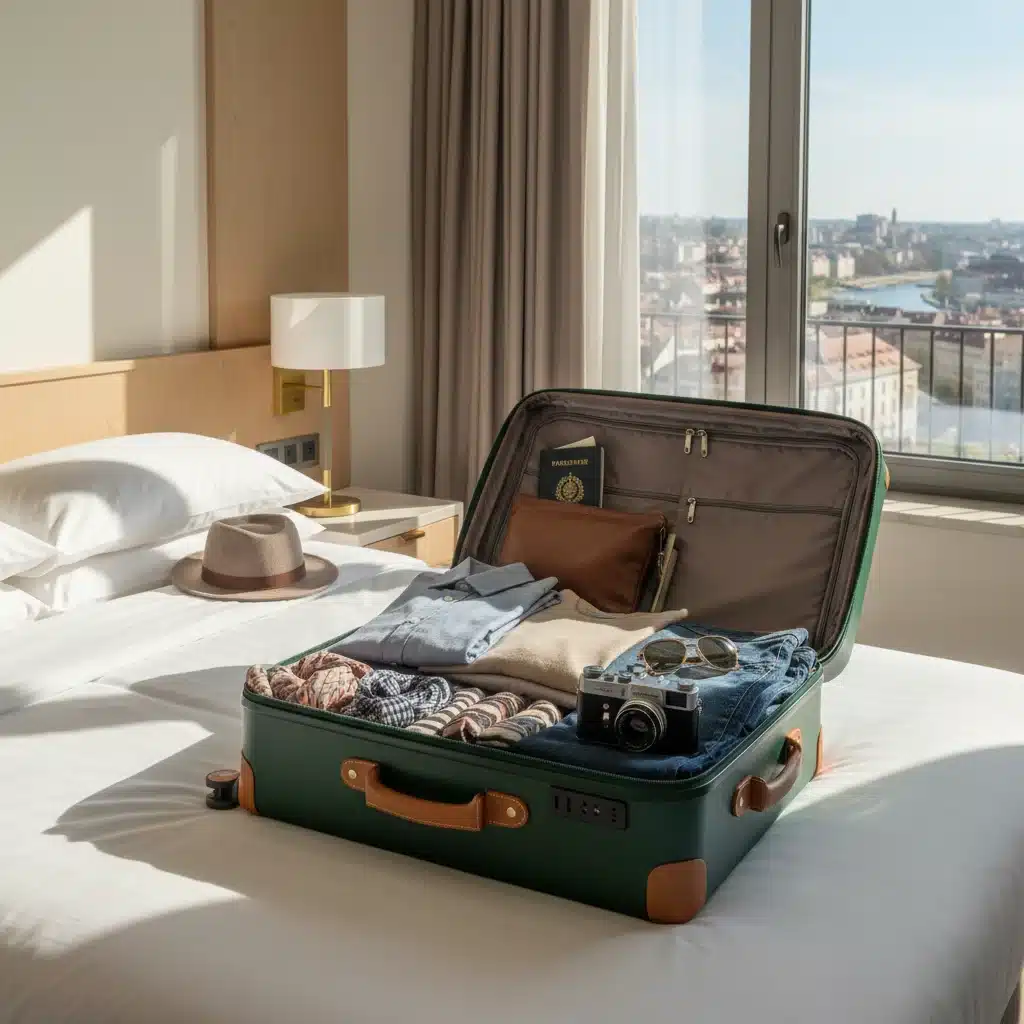
Mastering Travel Packing: 7 Essential Tips for Your 2026 Adventures
The allure of new horizons, the promise of unforgettable experiences, and the thrill of exploration – these are the hallmarks of travel. As we look ahead to 2026, the world beckons with countless destinations waiting to be discovered. But before you can immerse yourself in the vibrant cultures of faraway lands or bask in the tranquility of pristine beaches, there’s one crucial step that can make or break your journey: packing. Effective travel packing is an art form, a delicate balance between preparedness and minimalism. It’s about ensuring you have everything you need without being burdened by unnecessary weight or bulk. This comprehensive guide will equip you with 7 essential travel packing tips to navigate your 2026 adventures with ease, style, and efficiency.
Forget the days of struggling with overstuffed luggage or realizing you’ve left something vital behind. Our expert advice will transform your packing routine, allowing you to focus on the excitement of your trip rather than the logistics of your belongings. From optimizing space to choosing the right gear, these travel packing tips are designed to elevate your travel experience, making every journey smoother and more enjoyable.
1. Plan Your Outfits, Don’t Just Pack Clothes
One of the most common pitfalls in travel packing is throwing individual items into a suitcase without a cohesive plan. This often leads to an abundance of clothes but a scarcity of wearable outfits. To combat this, embrace the “outfit planning” strategy. Before you even open your suitcase, consider each day of your trip and the activities you’ll be doing. Will you be hiking, dining out, swimming, or exploring historical sites? For each activity, mentally (or physically) lay out a complete outfit, including shoes and accessories.
Advertisements
This method forces you to think critically about versatility. Can a pair of trousers be dressed up for dinner and down for sightseeing? Can a cardigan serve as both an extra layer and a stylish accent? By focusing on multi-functional pieces, you significantly reduce the total number of items you need. Neutrals are your best friends here, as they can be easily mixed and matched, allowing you to create numerous looks from a limited wardrobe. Pack a few colorful accessories to add pops of personality without taking up much space.
Moreover, consider the climate of your destination. Research the average temperatures and expected weather patterns for the time of year you’ll be traveling. This will prevent you from packing heavy sweaters for a tropical getaway or light t-shirts for a chilly mountain retreat. Always pack one “just in case” outfit that can handle unexpected weather changes, like a lightweight rain jacket or a warmer layer.
Remember, the goal is to create a capsule wardrobe for your trip. Every item should have a purpose and ideally, multiple purposes. This mindful approach to selecting your garments is one of the most effective travel packing tips for staying light and organized.
2. Master the Art of Rolling vs. Folding
The age-old debate: to roll or to fold? While both methods have their proponents, understanding when and how to use each can significantly impact your suitcase’s capacity and the condition of your clothes. For most soft garments like t-shirts, jeans, sweaters, and even dresses, rolling is often superior. Tightly rolling clothes minimizes wrinkles and maximizes space, creating compact, cylindrical bundles that fit snugly together. This technique also helps to prevent those dreaded creases that can form when clothes are folded flat.
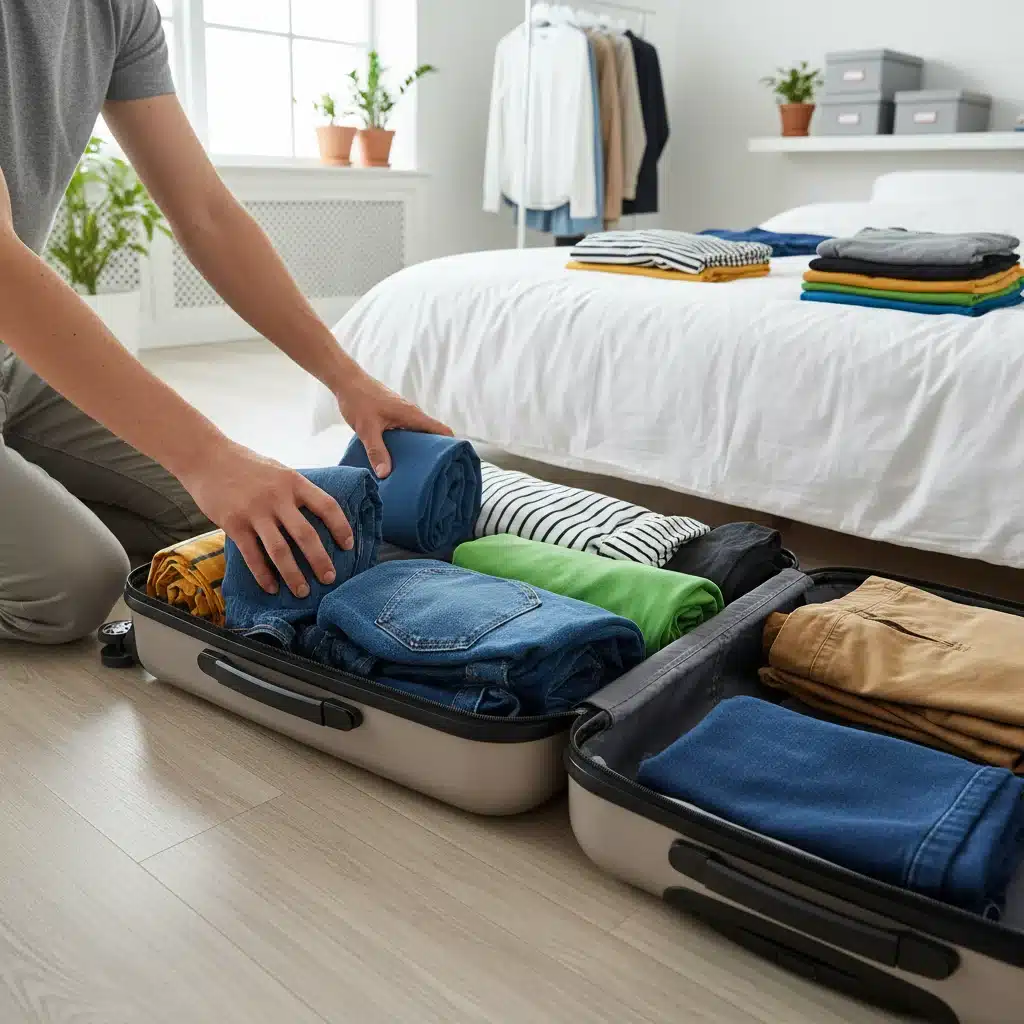
When rolling, lay the garment flat, fold in the sleeves (if applicable), and then roll tightly from the bottom hem upwards. The tighter the roll, the less space it occupies and the fewer wrinkles it will develop. This is a cornerstone of efficient travel packing tips.
However, some items are better off folded. Stiff fabrics like starched shirts, blazers, or delicate garments that might lose their shape when rolled should be folded carefully. For these items, consider the “bundle wrapping” method, where you wrap smaller items around a central core (like a toiletry bag) to create a protective layer and minimize creases. Alternatively, use tissue paper between folds to reduce friction and prevent wrinkles.
Ultimately, the best approach is often a hybrid one. Roll most of your casual wear and use folding or bundle wrapping for your more structured or delicate pieces. Experiment with both techniques to see what works best for your specific wardrobe and luggage type. This strategic combination of rolling and folding is a game-changer for maximizing space and keeping your clothes presentable.
3. Embrace Packing Cubes and Compression Bags
If you haven’t yet discovered the magic of packing cubes, prepare for a revelation. These zippered fabric containers are an absolute game-changer for organized travel packing. They come in various sizes and allow you to categorize your belongings, transforming a chaotic suitcase into a neatly organized system. Imagine having a cube for shirts, another for trousers, one for underwear and socks, and perhaps another for swimwear. When you arrive at your destination, you can simply pull out the cube you need, rather than rummaging through your entire suitcase.
Beyond organization, packing cubes offer a degree of compression, especially if you opt for the compression-specific versions. These cubes have an extra zipper that, once closed, squeezes out air and reduces the volume of your clothes. This can be incredibly useful for bulkier items like sweaters or jackets, allowing you to fit more into your luggage without exceeding weight limits.
Compression bags (either vacuum-sealable or roll-up versions) take this concept a step further. While they offer significant space savings, be mindful that they don’t reduce weight. If you’re concerned about airline weight restrictions, using compression bags might allow you to pack more items, but you could still incur excess baggage fees if you’re not careful. They are, however, excellent for creating space for souvenirs on your return journey or for packing bulky items like winter coats.
Investing in a good set of packing cubes is one of the most impactful travel packing tips you can adopt. They streamline the packing process, make unpacking and repacking a breeze, and help maintain order throughout your trip.
4. Strategize Your Toiletries and Liquids
Navigating toiletries and liquids can be one of the trickiest aspects of travel packing, especially with airline restrictions. The golden rule for carry-on luggage is the 3-1-1 rule: containers must be 3.4 ounces (100 milliliters) or smaller, fit in 1 quart-sized (liter-sized) bag, and be limited to one bag per passenger. For checked luggage, you have more leeway, but leaks can ruin your trip.
To avoid spills, always transfer your favorite products into travel-sized bottles. Many brands offer refillable travel containers, which are an eco-friendly and cost-effective option. For items that don’t come in travel sizes, consider solid alternatives: shampoo bars, conditioner bars, solid toothpaste tabs, and solid deodorant sticks are readily available and eliminate the risk of leaks entirely. These solid options are not only convenient but also often last longer than their liquid counterparts.
When packing liquids in your checked bag, place them in a separate, waterproof toiletry bag. For added protection, unscrew the caps, place a small piece of plastic wrap over the opening, and then screw the cap back on tightly. This creates an extra seal. Place the entire bag inside another zip-top plastic bag as a secondary defense against leaks.
Don’t forget essential medications. Always keep prescription medications in their original containers in your carry-on bag, along with a copy of your prescription. This is a critical safety and compliance travel packing tip.
5. Don’t Forget the “Personal Item” Advantage
Most airlines allow passengers to bring one carry-on bag and one personal item. The personal item, often overlooked or underutilized, can be a powerful tool in your travel packing arsenal. This typically includes a backpack, a large purse, a laptop bag, or a tote bag that fits under the seat in front of you.
Maximize the utility of your personal item by packing essentials and valuables. This includes your passport, wallet, phone, chargers, medications, a travel pillow, a book or e-reader, and any entertainment for the journey. It’s also wise to pack a change of clothes in your personal item, just in case your checked luggage is delayed or lost. This small precaution can save you a lot of stress and inconvenience.
For those who prefer to travel solely with a carry-on, the personal item becomes even more critical. It can hold items that don’t quite fit in your main carry-on or items you want easy access to during the flight. Choose a personal item that is comfortable to carry and has multiple compartments for easy organization. Utilizing this space effectively is one of the smartest travel packing tips for seasoned travelers.
6. Wear Your Bulkiest Items
This travel packing tip is simple yet incredibly effective, especially for colder climates or when you’re trying to avoid checked baggage fees. Instead of packing your bulkiest items like heavy coats, hiking boots, or chunky sweaters, wear them on the plane. Not only does this free up valuable space in your luggage, but it also reduces the overall weight of your bags. If you get too warm on the plane, you can always take off layers and use them as an extra pillow or blanket.
For shoes, wear your heaviest pair (e.g., boots) and pack lighter shoes (sandals, sneakers) in your suitcase. If you’re traveling with multiple pairs of shoes, stuff socks and small items inside them to save space and help them maintain their shape. Place shoes in shoe bags or plastic bags to prevent dirt from transferring to your clothes.
Even if you’re not facing strict weight limits, wearing your bulkiest items can make your luggage lighter and easier to maneuver, which is always a bonus when navigating busy airports or cobblestone streets. This practical strategy is a favorite among minimalist packers and those who prioritize convenience.
7. Master the Art of the Pre-Trip Purge and Post-Trip Repack
Before you even begin to pack, take a critical look at everything you *think* you need. The pre-trip purge is about asking yourself, “Do I really need this?” for every single item. Lay out all the clothes, accessories, and gadgets you intend to bring. Then, go through each item and remove anything that isn’t essential, multi-functional, or truly beloved. A good rule of thumb is: if you’re debating whether to bring it, you probably don’t need it. This disciplined approach prevents overpacking, a common pitfall that leads to heavy bags and unused items.
Once you’ve returned from your adventure, the post-trip repack is equally important. As you unpack, make a mental note (or even a physical list) of items you didn’t use at all. For your next trip, these are the first things to consider leaving behind. Conversely, note down anything you wished you had brought. This reflective process allows you to refine your packing list for future journeys, making each subsequent trip more efficient and tailored to your needs.
This continuous improvement cycle is one of the most powerful travel packing tips for becoming a truly savvy traveler. It transforms packing from a dreaded chore into an optimized system, ensuring you learn from each experience and travel smarter every time.
Bonus Travel Packing Tips for 2026 and Beyond:
Digitalize Documents and Entertainment
In the digital age, there’s no need to carry physical copies of everything. Scan your passport, visa, flight tickets, hotel reservations, and insurance documents, and save them to a cloud service (like Google Drive or Dropbox) and also email them to yourself. This way, you can access them from any device, even if your phone is lost or stolen. For entertainment, load up your e-reader with books, download movies or TV shows to your tablet, and create offline music playlists. This reduces physical clutter and provides endless entertainment without needing an internet connection.
Utilize “Dead Space”
Every inch of your luggage is prime real estate. Stuff socks, underwear, or small accessories into your shoes. Fill empty spaces around bulkier items with smaller, soft goods to prevent shifting and maximize overall capacity. Even the inside of a hat can hold small items. Being creative with how you fill every nook and cranny is a hallmark of efficient travel packing tips.
Pack a Reusable Bag
A lightweight, foldable reusable bag can be incredibly versatile. Use it for laundry, as a beach bag, for grocery shopping, or as an extra bag for souvenirs if you acquire more than anticipated. It takes up minimal space and can be a lifesaver in many situations.
Consider a Travel Laundry Kit
For longer trips, a small travel laundry kit (including a universal sink stopper, a small amount of concentrated detergent, and a clothesline) can help you wash essential items, reducing the total amount of clothes you need to pack. This is particularly useful for light packers and those who want to extend their wardrobe on the road.
Charge Everything Before You Go
Before you leave, ensure all your electronic devices – phone, tablet, portable charger, camera, e-reader – are fully charged. This gives you a head start and ensures you’re ready to go as soon as you arrive, without immediately scrambling for an outlet. Don’t forget your universal adapter and power bank!
The Psychology of Light Travel
Beyond the practicalities, embracing these travel packing tips also taps into the psychology of light travel. When you pack less, you feel lighter, more agile, and less stressed. You spend less time worrying about your belongings and more time enjoying the moment. Navigating airports becomes easier, public transport is less of a hassle, and you gain a sense of freedom that heavy luggage often stifles.
Think about the environmental impact too. Lighter luggage means less fuel consumption for planes and vehicles, contributing to a more sustainable travel experience. It also encourages a more mindful approach to consumption, prompting you to consider what you truly need versus what you merely want.
The goal isn’t just to fit everything into a small bag; it’s to cultivate a mindset of intentionality and efficiency. Each item in your suitcase should earn its place, serving a clear purpose and contributing positively to your travel experience. This philosophy extends beyond packing to the entire journey, fostering a sense of calm and control.
Common Packing Mistakes to Avoid
Even with the best intentions, some common packing mistakes can derail your efforts. Being aware of these can help you sidestep potential issues:
- Overpacking “Just in Case” Items: This is perhaps the most frequent error. While a “just in case” item can be useful, a suitcase full of them is not. Be ruthless in your selection.
- Ignoring Laundry Options: Many accommodations offer laundry services, or you can find laundromats. Planning to do laundry on a longer trip can drastically reduce the amount of clothing you need.
- Forgetting Adapters/Converters: Traveling internationally without the correct power adapter or voltage converter can render your electronics useless. Double-check the requirements for your destination.
- Packing Too Many Shoes: Shoes are bulky and heavy. Limit yourself to 2-3 pairs – one comfortable walking pair, one versatile dressier pair, and perhaps a pair of sandals or flip-flops.
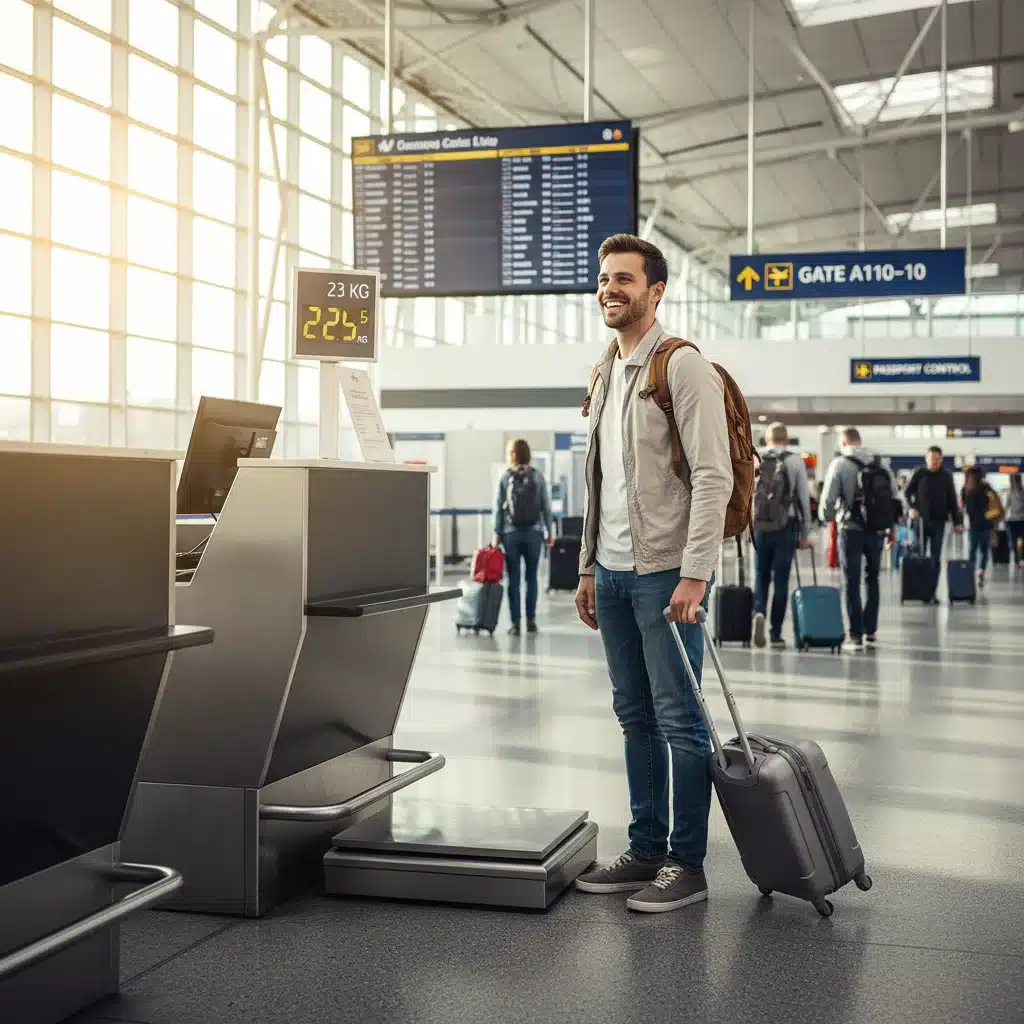
- Not Weighing Your Bag: Before heading to the airport, weigh your packed luggage. Exceeding airline weight limits can lead to hefty fees and stressful last-minute repacking.
- Leaving Valuables in Checked Luggage: Always keep essential documents, medications, electronics, jewelry, and any other high-value items in your carry-on or personal bag.
- Neglecting a “Go Bag” for Arrival: If you’re arriving late or have a long journey to your accommodation, having a small bag with immediate essentials (toiletries, a change of clothes, pajamas) can be a lifesaver.
Conclusion: Your 2026 Adventures Await, Packed Perfectly
As you plan your exciting adventures for 2026, remember that efficient travel packing is not just about fitting things into a suitcase; it’s about setting yourself up for a smoother, more enjoyable, and less stressful journey. By implementing these 7 essential travel packing tips – planning outfits, mastering rolling and folding, utilizing packing cubes, strategizing toiletries, maximizing your personal item, wearing bulky clothes, and adopting a pre- and post-trip purge – you’ll transform your travel experience.
Embrace the freedom that comes with light and organized luggage. Focus on creating memories, exploring new cultures, and savoring every moment of your trip, rather than being weighed down by unnecessary baggage. With these strategies in hand, you’re not just packing a bag; you’re packing for success, comfort, and an unforgettable adventure. Happy travels!