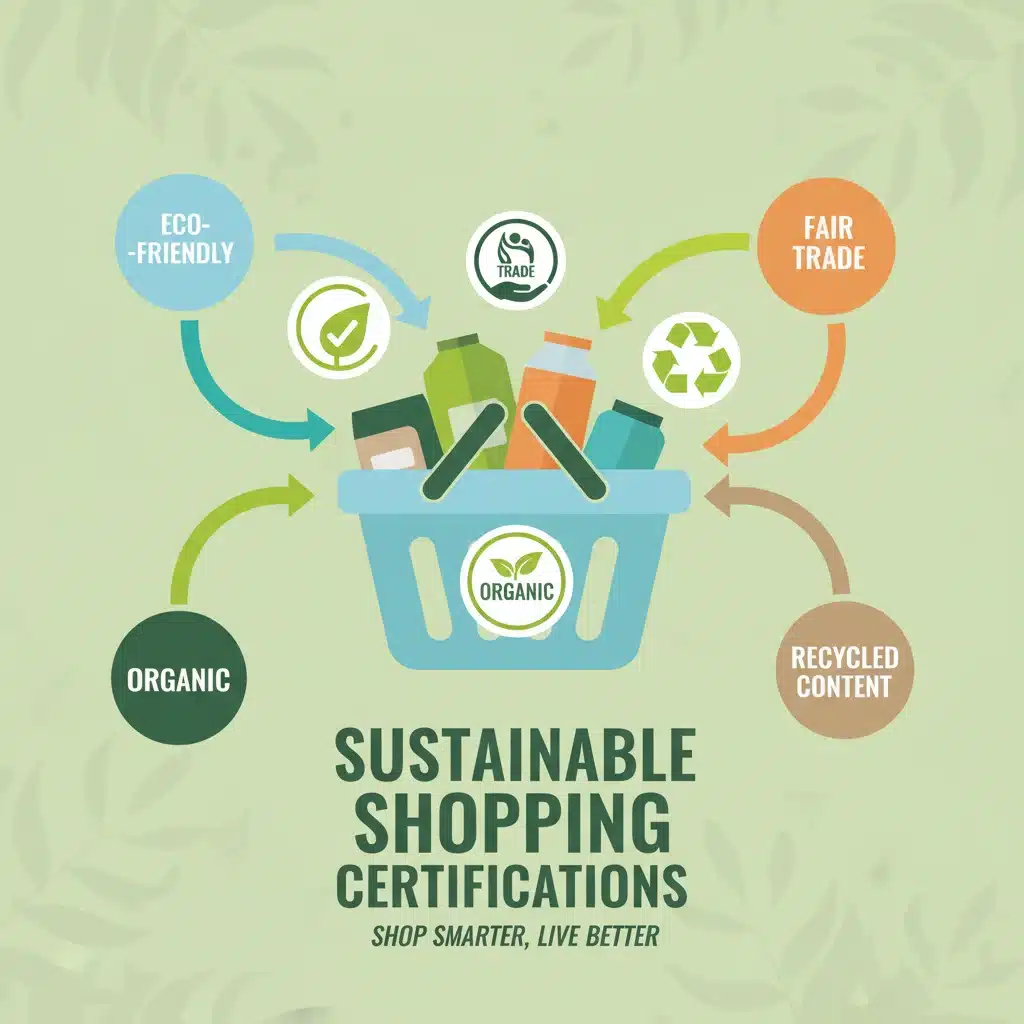
Early 2026 Trend: The Rise of Sustainable Shopping Certifications and What They Mean for Your Wallet (Recent Updates)
As we navigate early 2026, a significant shift is underway in consumer behavior and corporate responsibility: the undeniable rise of sustainable shopping certifications. What was once a niche concern for a select few has now become a mainstream expectation, driven by increasing awareness of climate change, social justice, and personal well-being. This comprehensive guide will delve into the world of sustainable shopping certifications, helping you understand their importance, decipher their meanings, and ultimately, make choices that benefit both the planet and your pocket.
The landscape of consumer goods is evolving rapidly. Shoppers are no longer content with just knowing where their products come from; they want to understand how they were made, the environmental footprint they leave, and the ethical conditions under which labor was sourced. This demand has fueled an explosion of labels, badges, and seals – each promising a different facet of sustainability. But how do you, the conscious consumer, navigate this complex web? And what does it truly mean for your purchasing power?
This article aims to demystify sustainable shopping certifications, providing you with the knowledge to shop smarter, more ethically, and with a clearer understanding of the value you’re getting. We’ll explore the ‘why’ behind this trend, examine the most prominent certifications you’ll encounter, and offer practical advice on integrating sustainable choices into your everyday life without breaking the bank.
Advertisements
The Growing Imperative: Why Sustainable Shopping Certifications Matter Now More Than Ever
The year 2026 marks a critical juncture in our collective journey towards a more sustainable future. Scientific reports continue to highlight the urgency of addressing environmental degradation, resource depletion, and social inequities. Consumers, empowered by information and a growing sense of responsibility, are actively seeking ways to align their purchasing decisions with their values. This is where sustainable shopping certifications step in as crucial tools.
These certifications serve multiple vital functions. Firstly, they act as trust signals. In a market saturated with ‘greenwashing’ – where companies make unsubstantiated claims about their environmental practices – independent third-party certifications provide verifiable proof of a product’s sustainable attributes. They cut through the marketing jargon, offering clarity and confidence to consumers who are genuinely trying to make a difference.
Secondly, certifications drive accountability. For a company to earn and maintain a certification, it must adhere to strict standards, often undergoing regular audits and assessments. This pushes businesses to improve their supply chains, manufacturing processes, and labor practices, fostering a race to the top in terms of sustainability. It’s not just about meeting a minimum standard; it’s about continuous improvement.
Thirdly, these labels educate consumers. By recognizing and understanding different certifications, shoppers learn about specific environmental or social issues, such as fair labor, organic farming, energy efficiency, or cruelty-free production. This knowledge empowers them to prioritize what matters most to them and make more nuanced choices.
Finally, the growing demand for certified products creates a market incentive for more companies to adopt sustainable practices. As consumers increasingly vote with their wallets, businesses realize that sustainability is not just a moral obligation but also a competitive advantage. This positive feedback loop is essential for accelerating the transition to a global sustainable economy. The rise of sustainable shopping certifications is therefore not just a trend; it’s a fundamental shift in how we produce, consume, and value goods.
Deciphering the Labels: A Guide to Key Sustainable Shopping Certifications in 2026
The sheer number of sustainable shopping certifications can be overwhelming. To help you navigate, let’s break down some of the most prominent and impactful certifications you’re likely to encounter in 2026, categorizing them by their primary focus. Understanding these will be key to informed sustainable shopping.
Environmental Focus: Protecting Our Planet
- USDA Organic / EU Organic (Food & Agriculture): These certifications ensure that agricultural products are grown and processed without synthetic pesticides, fertilizers, GMOs, or ionizing radiation. For consumers, this means reduced exposure to harmful chemicals and support for farming practices that promote soil health and biodiversity. While organic products can sometimes be pricier, the long-term health and environmental benefits are significant.
- Forest Stewardship Council (FSC) (Wood & Paper Products): The FSC label guarantees that wood and paper products come from responsibly managed forests that provide environmental, social, and economic benefits. Choosing FSC-certified items helps combat deforestation, protects wildlife habitats, and supports indigenous rights.
- Energy Star (Electronics & Appliances): This well-known label identifies products that meet strict energy efficiency guidelines set by the U.S. Environmental Protection Agency. Opting for Energy Star certified appliances can lead to substantial savings on your utility bills and a reduced carbon footprint.
- Ecolabel (EU) / Green Seal (US) (Various Products): These broad certifications cover a wide range of products, from cleaning supplies to paints. They signify that a product meets rigorous environmental standards throughout its lifecycle, including raw material extraction, manufacturing, use, and disposal. They are comprehensive and aim to reduce overall environmental impact.
- Cradle to Cradle Certified (Products & Materials): This certification goes beyond traditional sustainability, focusing on products designed for circularity. Materials are assessed for human and environmental health, material reutilization, renewable energy, water stewardship, and social fairness. It’s a gold standard for truly regenerative products.
- B Corp Certification (Companies, not Products): While not a product certification, B Corp certification is crucial for understanding a company’s overall commitment to sustainability. Certified B Corporations meet high standards of verified performance, accountability, and transparency on factors from employee benefits and charitable giving to supply chain practices and input materials. Supporting B Corps means supporting businesses that balance profit and purpose.
Social & Ethical Focus: People Over Profit
- Fair Trade Certified (Food, Clothing, Crafts): Perhaps one of the most recognizable, Fair Trade certification ensures that producers in developing countries receive fair prices for their goods, work in safe conditions, and can invest in their communities. It tackles issues of poverty, child labor, and exploitation, making it a powerful choice for social justice. While these products might have a slightly higher upfront cost, they directly contribute to improved livelihoods for farmers and workers.
- Global Organic Textile Standard (GOTS) (Textiles): GOTS is the world’s leading processing standard for textiles made from organic fibers. It ensures not only organic status of textiles but also stringent environmental and social criteria throughout the supply chain, from harvesting of raw materials through environmentally and socially responsible manufacturing and labeling. This means no toxic chemicals and fair treatment of workers.
- SA8000 (Social Accountability) (Workplace Conditions): This certification focuses specifically on ethical labor practices. It ensures fair wages, reasonable working hours, no child labor or forced labor, and safe working conditions. While not always directly visible on a product, companies that achieve SA8000 demonstrate a strong commitment to human rights in their operations.
- Leaping Bunny (Cruelty-Free Cosmetics & Household Products): This internationally recognized logo guarantees that no new animal testing was used in the development of any product bearing the certification. For consumers concerned about animal welfare, this is a clear and reliable indicator.
Combined Environmental & Social Focus
- Rainforest Alliance Certified (Coffee, Tea, Chocolate, Bananas): This certification focuses on environmental conservation and sustainable livelihoods, particularly in tropical regions. It promotes biodiversity protection, improved living standards for farmers, and sustainable agricultural practices that protect rainforests.
- Marine Stewardship Council (MSC) (Seafood): The blue MSC label indicates that seafood comes from a wild-capture fishery that has been certified to the MSC’s science-based standard for sustainable fishing. This helps combat overfishing and ensures healthy oceans for future generations.
The Wallet Factor: Understanding the Cost of Sustainable Shopping Certifications
One of the most common questions consumers have about sustainable shopping certifications is about the price tag. Is ethical living inherently more expensive? The answer is nuanced, but increasingly, the gap is narrowing, and the long-term benefits often outweigh the initial cost.
It’s true that some certified sustainable products may carry a higher price point than their conventional counterparts. This is often due to several factors:
- Higher Production Costs: Sustainable practices, such as organic farming, fair wages, or energy-efficient manufacturing, can sometimes be more expensive to implement than conventional methods. For example, avoiding synthetic pesticides might require more manual labor or innovative pest control techniques.
- Certification Fees: Companies pay fees to certification bodies for audits, inspections, and the right to use the label. These costs are often passed on, in part, to the consumer.
- Smaller Scale Production: Many sustainable brands operate on a smaller scale, which means they don’t benefit from the economies of scale that large, conventional corporations do.
- True Cost Pricing: In many cases, the higher price reflects the ‘true cost’ of production, incorporating environmental and social externalities that conventional products often externalize (e.g., pollution cleanup, healthcare costs from pesticide exposure).
However, it’s crucial to consider the broader economic picture. The perception that sustainable products are always significantly more expensive is often outdated in 2026. Here’s why:
- Long-Term Savings: Energy Star appliances save you money on utility bills. Durable, high-quality sustainable fashion might last longer, reducing the need for frequent replacements. Investing in organic produce can be seen as an investment in your health, potentially reducing future healthcare costs.
- Increased Availability and Competition: As demand for sustainable shopping certifications grows, more brands are entering the market. Increased competition naturally drives prices down, making certified products more accessible. Major retailers are also expanding their sustainable product lines.
- Government Incentives & Subsidies: Many governments are offering incentives for sustainable production and consumption, which can help lower costs for both producers and consumers.
- Value Alignment: For many, the ‘cost’ is not just monetary. The value derived from supporting ethical labor, protecting the environment, and promoting health is immeasurable. Consumers are increasingly willing to pay a slight premium for products that align with their personal values.
- DIY and Local Options: Embracing a sustainable lifestyle can also involve making your own products, choosing local and seasonal produce (often more affordable), and reducing overall consumption, which saves money regardless of certifications.
In essence, while some certified products might initially seem more expensive, a holistic view reveals that sustainable shopping certifications offer long-term financial, environmental, and social returns. It’s about shifting from a ‘cheap now, costly later’ mentality to one of ‘invest wisely for a better future.’
Navigating the Greenwashing Minefield: How to Spot Genuine Sustainable Shopping Certifications
With the surge in interest in sustainability, so too has the practice of ‘greenwashing’ intensified. Greenwashing refers to marketing spin in which a company or organization spends more time and money on claiming to be ‘green’ or environmentally friendly than on actually implementing business practices that minimize environmental impact. Recognising genuine sustainable shopping certifications is paramount for effective sustainable shopping.
Here are key strategies to avoid greenwashing and identify credible certifications:
- Look for Third-Party Verification: The most reliable certifications are issued by independent, third-party organizations. Be wary of self-proclaimed ‘eco-friendly’ labels created by a company itself without external oversight. Legitimate certifications involve rigorous auditing and transparent standards.
- Understand the Standard: Don’t just recognize the logo; understand what it stands for. Does it focus on a single attribute (e.g., recycled content) or a comprehensive lifecycle assessment? A good certification will have publicly available standards and criteria.
- Check for Specificity: Vague claims like ‘natural’ or ‘earth-friendly’ without specific data or certification are red flags. Genuine certifications will often specify percentages (e.g., ‘made with 70% organic cotton’) or particular criteria met.
- Research the Certifying Body: A quick online search of the certification body can tell you a lot. Are they reputable? Do they have a clear mission? Are their standards transparent and regularly updated? Organizations like ISO (International Organization for Standardization) also provide frameworks for environmental management systems (e.g., ISO 14001), which, while not product certifications, indicate a company’s commitment to environmental performance.
- Beware of ‘Fake’ Labels: Some companies create logos that mimic reputable certifications. Pay attention to details and ensure the logo is indeed from a recognized certifying body.
- Consider the Product Category: Different products have different sustainability challenges. A certification that’s highly relevant for food might not be applicable to electronics. Familiarize yourself with the key certifications for the products you buy most often.
- Read Reviews and News: Stay informed. Consumer advocacy groups and environmental organizations often publish reports on greenwashing tactics and the credibility of various certifications.
By adopting a critical and informed approach, you can become adept at identifying genuine sustainable shopping certifications and make purchasing decisions that truly support environmental and social responsibility.
Integrating Sustainable Shopping Certifications into Your Lifestyle: Practical Tips for 2026
Making the switch to more sustainable choices doesn’t have to be an overnight overhaul. It’s a journey, and integrating sustainable shopping certifications into your lifestyle can be done gradually and effectively. Here are some practical tips for 2026:
- Start Small, Start Smart: Don’t try to change everything at once. Pick one or two product categories where you feel you can make the biggest impact or where certified options are readily available (e.g., coffee, cleaning supplies, or clothing).
- Educate Yourself Continuously: The world of sustainability is dynamic. New certifications emerge, and standards evolve. Regularly revisit resources like this guide, environmental news sites, and reputable consumer advocacy groups to stay updated on the latest in sustainable shopping certifications.
- Prioritize Your Values: What aspects of sustainability matter most to you? Is it ethical labor, organic ingredients, carbon footprint reduction, or animal welfare? Focusing on your top priorities will help you narrow down the certifications you look for and make choices that resonate deeply.
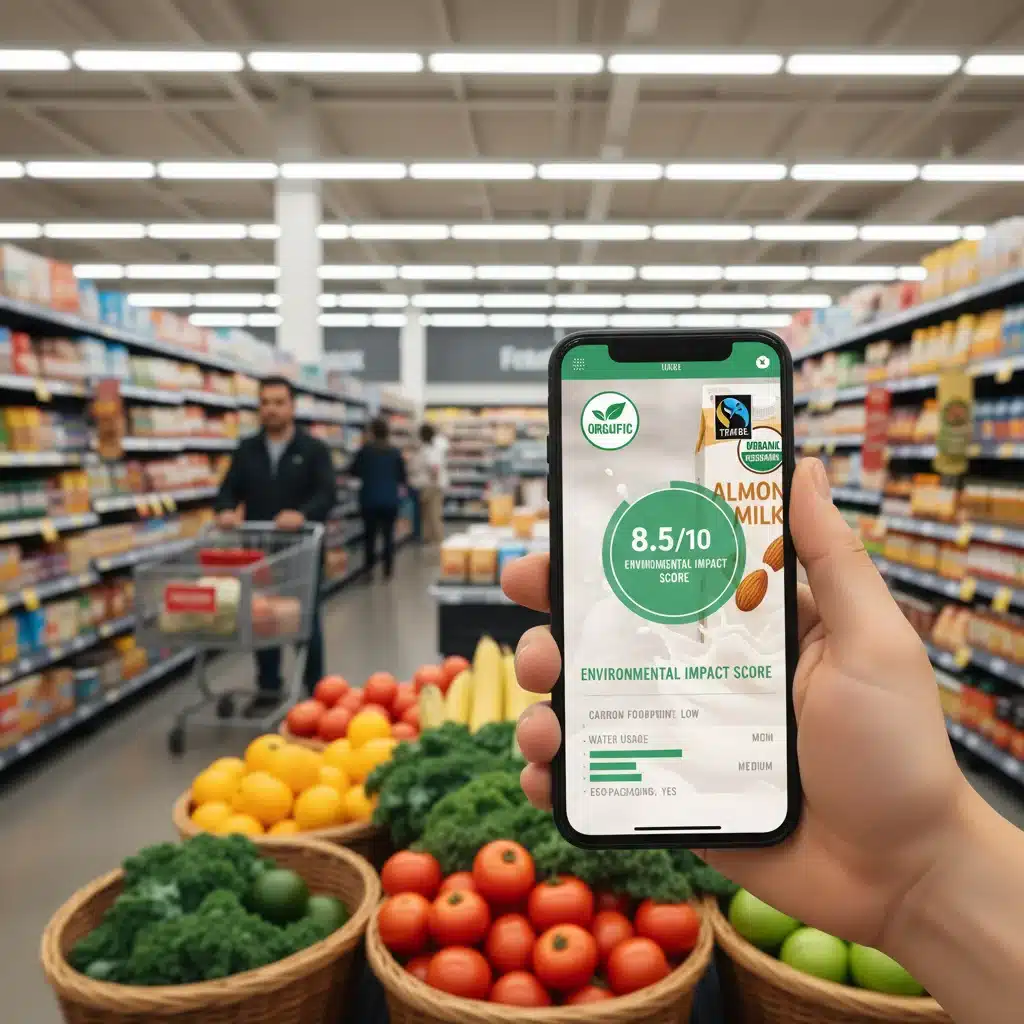
- Use Technology to Your Advantage: In 2026, there are numerous apps and browser extensions designed to help you identify sustainable products and certifications while you shop. These tools can scan barcodes, provide product ratings, and highlight certified options, making sustainable shopping incredibly convenient.
- Shop Local and Seasonal: While not always involving a formal certification, buying local and seasonal produce often inherently reduces transportation emissions and supports local economies. Many local farmers markets might not have official organic certifications but follow organic practices, which you can inquire about directly.
- Look Beyond the Label: Reduce, Reuse, Repair: Remember that certifications are part of a larger sustainable lifestyle. The most sustainable product is often the one you don’t buy, or the one you already own and can repair or reuse. Embrace minimalism and circular economy principles alongside looking for certified goods.
- Ask Questions: If a brand claims sustainability but doesn’t display clear certifications, don’t hesitate to reach out to them directly. Ask about their supply chain, their environmental policies, and their commitment to ethical practices. Your inquiries send a clear message that consumers demand transparency.
- Support Brands Committed to Transparency: Beyond specific product certifications, look for brands that are transparent about their entire operations, from sourcing to manufacturing to end-of-life disposal. Transparency is a strong indicator of genuine commitment to sustainability.
By incorporating these tips, you’ll find that embracing sustainable shopping certifications becomes a natural and rewarding part of your lifestyle, contributing positively to your well-being and the planet’s health.

The Future Outlook: What to Expect from Sustainable Shopping Certifications Post-2026
The trajectory of sustainable shopping certifications is only upwards. As we look beyond early 2026, several key trends are likely to shape their evolution and impact:
- Increased Standardization and Harmonization: The current proliferation of certifications, while beneficial, can also be confusing. Expect to see greater efforts towards standardization and harmonization across different regions and industries. This could involve mutual recognition of certifications or the development of meta-certifications that encompass multiple standards.
- Digitalization and Blockchain: Technology will play an even more significant role in verifying and communicating sustainability claims. Blockchain technology, for instance, could provide immutable, transparent records of a product’s journey from raw material to consumer, making it easier to track certifications and combat greenwashing. QR codes linking directly to detailed certification information will become commonplace.
- Focus on Circularity and Regenerative Practices: Beyond just ‘sustainable,’ the emphasis will shift towards ‘regenerative.’ Certifications will increasingly focus on products that not only do less harm but actively restore and regenerate natural systems. Cradle to Cradle will gain even more prominence, and new certifications for carbon-negative products or those that actively improve biodiversity will emerge.
- Social Metrics and Impact Reporting: While many certifications already include social components, there will be a stronger push for more robust and measurable social impact reporting. This includes metrics on living wages, community development, diversity, equity, and inclusion (DEI) within supply chains.
- Consumer Demand Driving Innovation: The informed consumer will continue to be the primary driver of change. As awareness grows, so will the demand for certified products, pushing more companies to invest in sustainable practices and seek certification to remain competitive.
- Government Regulation and Policy Support: Governments worldwide are likely to introduce more regulations that support and even mandate certain sustainability standards. This could include tax incentives for certified businesses, stricter penalties for greenwashing, and public procurement policies favoring certified products.
The era of sustainable shopping certifications is not just a passing fad; it’s a fundamental recalibration of our economic and social systems. By understanding and embracing these certifications, consumers hold immense power to shape a future that is more equitable, environmentally sound, and ultimately, more prosperous for all.
Conclusion: Empowering Your Sustainable Shopping Journey
The rise of sustainable shopping certifications in early 2026 represents a powerful movement towards greater transparency, accountability, and responsibility in the global marketplace. As consumers, we are no longer passive recipients of goods; we are active participants in shaping the world we live in through our purchasing choices.
By familiarizing yourself with the key certifications, understanding their implications for your wallet and the planet, and learning to discern genuine claims from greenwashing, you empower yourself to make a real difference. Sustainable shopping is not just about buying ‘eco-friendly’ products; it’s about conscious consumption, supporting ethical businesses, and contributing to a healthier, more just world.
Embrace this trend, educate yourself, and let sustainable shopping certifications be your trusted guides on a rewarding journey towards a more sustainable and responsible lifestyle. Every certified product you choose is a vote for a better future.