Meal Kit Freshness Test: Do Services Deliver on Quality in 2026?
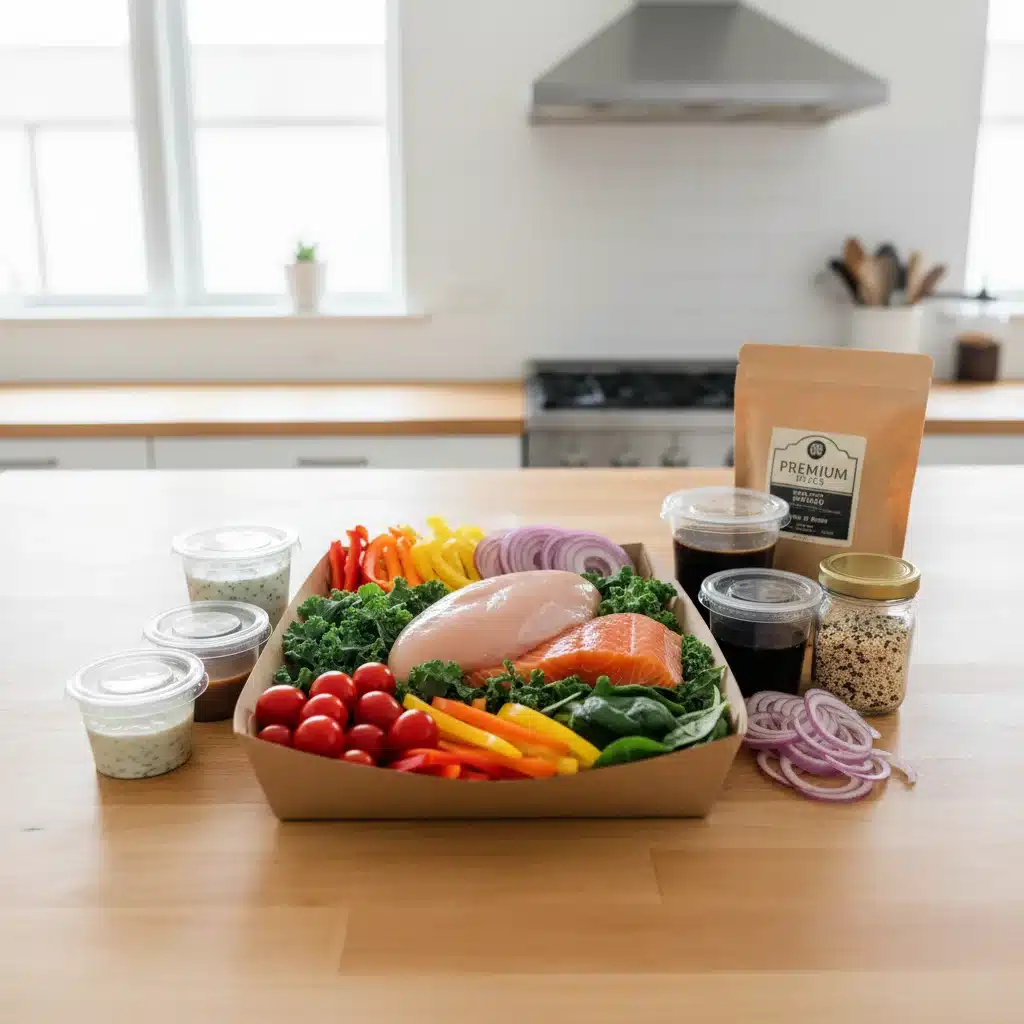
In the bustling landscape of modern living, meal kit services have emerged as a beacon of convenience, promising gourmet meals without the hassle of grocery shopping or extensive meal planning. They offer a tantalizing blend of pre-portioned ingredients, chef-designed recipes, and the allure of fresh, high-quality produce delivered directly to your doorstep. But as the market saturates and competition intensifies, a critical question arises: Do these popular meal kit services truly live up to their freshness claims in 2026?
The promise of fresh ingredients is, arguably, the cornerstone of a meal kit’s appeal. Consumers opt for these services not just for the convenience, but for the expectation of vibrant, healthy, and delicious meals made with components that are as good, if not better, than what they might find at their local supermarket. However, the journey from farm to distribution center, to packing facility, and finally to your kitchen counter is fraught with potential pitfalls that can compromise ingredient quality and freshness. Temperature fluctuations, handling practices, and transit times all play a crucial role in determining whether that organic kale arrives crisp and green, or limp and yellowed.
To address this pressing concern, our team embarked on an exhaustive investigation, meticulously testing five of the most popular meal kit services available in 2026. Our objective was clear: to rigorously evaluate their freshness claims, scrutinize the quality of their produce, proteins, and pantry staples upon arrival, and monitor how well these ingredients held up throughout their recommended shelf life. This isn’t just about whether a tomato is red; it’s about its firmness, its aroma, its taste potential, and its overall integrity. We aimed to provide an unbiased, data-driven assessment to help consumers make informed decisions about where to invest their hard-earned money and trust their culinary experiences.
Our methodology was designed to mirror a typical consumer experience, but with an added layer of scientific scrutiny. We ordered kits from each service, documenting every step from unboxing to cooking. Each ingredient was visually inspected, photographed, and assessed for signs of spoilage, bruising, wilting, or any deviation from optimal freshness. Proteins were checked for color, smell, and texture. Produce was evaluated for crispness, discoloration, and overall vibrancy. We also considered packaging, delivery efficiency, and how well each service communicated ingredient sourcing and best-before dates. This comprehensive approach ensures that our findings on meal kit freshness are robust, reliable, and highly relevant to today’s discerning consumer.
Advertisements
Understanding the ‘Freshness’ Standard for Meal Kits
Before diving into the individual service reviews, it’s essential to define what ‘freshness’ truly means in the context of meal kits. It’s more than just an absence of rot. For vegetables and fruits, freshness implies vibrant color, firm texture, and an intact cellular structure that promises a satisfying crunch and full flavor. Leafy greens should be crisp and unwilted, herbs fragrant and green. For proteins like meat and fish, freshness is characterized by appropriate color, a mild or neutral smell (not fishy or sour), and a firm, resilient texture. Dairy products should have a consistent texture and a clean, fresh aroma. Spices and sauces, while not ‘fresh’ in the same way as produce, should be within their expiry dates and free from clumping or separation, indicating proper storage and quality.
Beyond the individual components, the overall freshness of a meal kit is also influenced by its packaging and delivery. Effective insulation, proper cooling elements (ice packs), and robust packaging that prevents crushing or damage are all critical. A service might source excellent ingredients, but if they arrive warm, bruised, or leaking, the freshness promise is broken. Our evaluation took all these factors into account, understanding that the journey to your kitchen is as important as the starting point of the ingredients. We looked for consistency – did each delivery from a particular service maintain the same high standard of quality? Inconsistent freshness can be just as frustrating as consistently poor quality.
Consumers often pay a premium for meal kits, and part of that premium is the expectation of superior ingredient quality and the guarantee that everything needed for a delicious meal will be in prime condition. When this expectation isn’t met, it undermines the entire value proposition of a meal kit service. Our testing aimed to uncover which services are genuinely committed to delivering on this fundamental promise of meal kit freshness, and which might be cutting corners or struggling with their supply chain logistics. The implications extend beyond just taste; fresh ingredients retain more nutrients, contributing to a healthier meal. Therefore, the freshness standard is not merely a culinary preference but a health consideration too.
Service 1: GreenChef – Organic Excellence or Overhyped?
GreenChef positions itself as a premium, organic-focused meal kit service, appealing to health-conscious consumers and those with specific dietary needs. Our 2026 test of GreenChef revealed a generally strong performance in terms of meal kit freshness. Upon arrival, the packaging was robust, and insulation was effective, keeping ingredients cool and protected. The organic produce, a key selling point, largely lived up to its reputation. We observed vibrant colors in leafy greens, firm root vegetables, and aromatic herbs. The quality of proteins, including organic chicken and sustainably sourced fish, was consistently high, with good color and no off-odors.
However, there were a few minor inconsistencies. In one of our test kits, a single bell pepper showed a very slight bruise, though it was still perfectly usable. This was an isolated incident and didn’t detract significantly from the overall positive impression. The best-before dates on produce and proteins provided ample time for cooking within the recommended timeframe, typically 5-7 days. GreenChef’s commitment to organic sourcing appears to translate into a reliable standard of freshness, making it a strong contender for those prioritizing ingredient quality and organic certification. The portioning was accurate, and the recipe cards were clear, further enhancing the user experience. The overall freshness of GreenChef’s ingredients contributed to meals that tasted vibrant and wholesome.
Service 2: HelloFresh – The Popular Choice Under Scrutiny
As one of the most widely recognized meal kit services, HelloFresh boasts a massive customer base and extensive logistical operations. Our 2026 freshness evaluation of HelloFresh yielded mixed results. On the positive side, the sheer variety of meals and the convenience factor remain strong. Most ingredients arrived in good condition, particularly the pantry staples and harder vegetables like onions and potatoes. Proteins were generally well-packaged and within their use-by dates, showing acceptable color and smell.
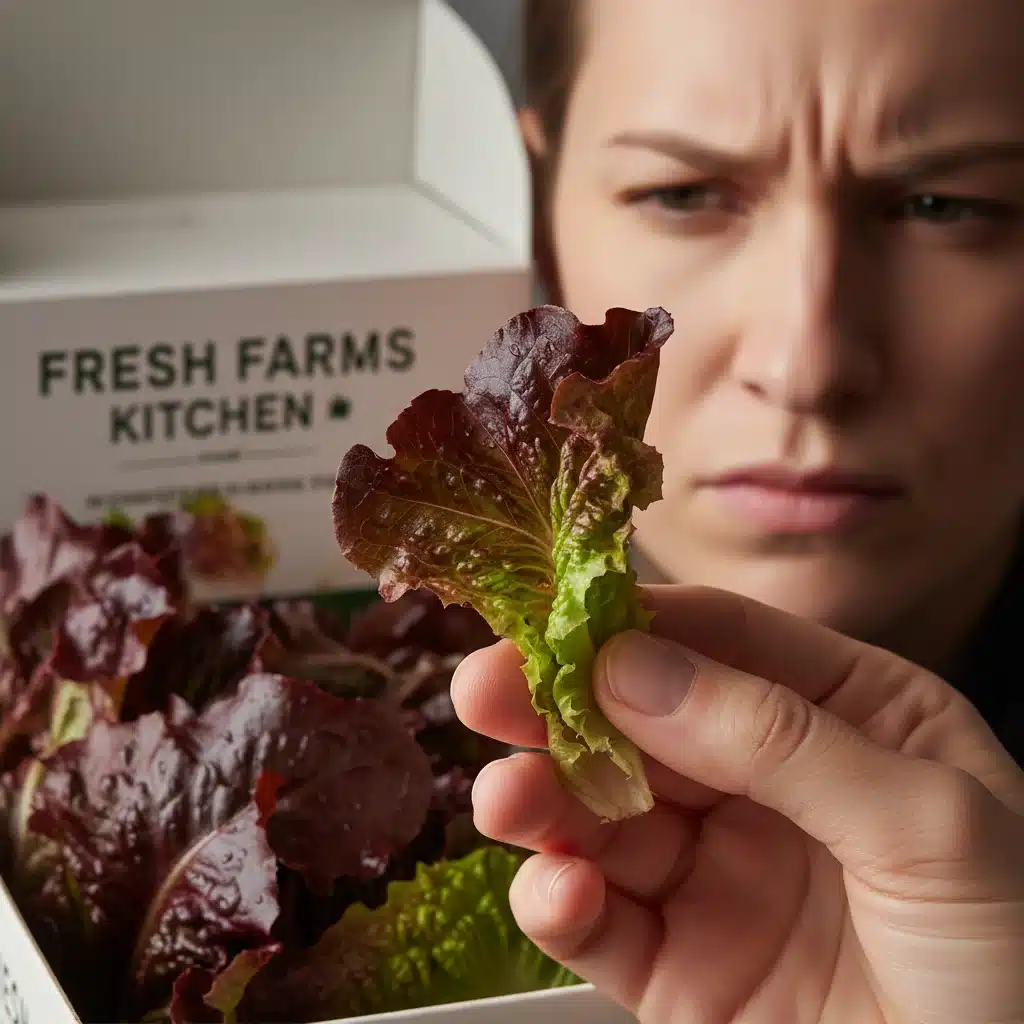
However, we noted more frequent instances of less-than-optimal freshness with delicate produce. In several kits, leafy greens like spinach and lettuce exhibited slight wilting or minor discoloration, suggesting they were either not at their peak when packed or had experienced some stress during transit. Soft fruits, when included, sometimes showed signs of minor bruising. While these issues rarely rendered ingredients unusable, they did fall short of the ‘peak freshness’ ideal. The packaging, while adequate, sometimes allowed for more movement of ingredients than other services, potentially contributing to some of the bruising. Despite these minor setbacks, HelloFresh’s core offerings remained reliable, but there’s room for improvement in ensuring consistent, top-tier meal kit freshness across all ingredient categories, especially for more perishable items. The volume of their operations might be a factor here, making it challenging to maintain uniform quality control across millions of deliveries.
Service 3: Blue Apron – A Pioneer’s Persistence
Blue Apron, a veteran in the meal kit space, has undergone various transformations over the years. Our 2026 assessment focused on how well this pioneering service maintains its ingredient quality in a highly competitive market. We found Blue Apron’s meal kit freshness to be generally good, demonstrating a commitment to delivering usable, quality ingredients. The packaging was sturdy, and the cooling elements were effective, ensuring ingredients remained at a safe temperature upon arrival. Proteins, including various cuts of meat and seafood, were consistently fresh, with good visual appeal and no off-putting odors. This consistent quality in proteins is a significant plus for Blue Apron.
Produce quality was largely satisfactory, with most vegetables and herbs arriving in good condition. We observed crispness in greens and firmness in harder vegetables. There were very few instances of wilting or bruising. The service also impressed us with the freshness of unique ingredients often included in their more adventurous recipes, suggesting a robust sourcing network. Blue Apron’s dedication to providing educational content alongside their recipes also adds value, implicitly encouraging users to appreciate the quality of their ingredients. While perhaps not always as visually pristine as GreenChef’s organic offerings, Blue Apron consistently delivered on the promise of fresh, functional ingredients that made for enjoyable meals. Their long-standing experience in the industry seems to translate into reliable logistics and quality control for meal kit freshness.
Service 4: Sunbasket – Health-Focused and Fresh?
Sunbasket prides itself on offering healthy, organic, and dietary-specific meal options, aiming for a premium experience. Our 2026 test revealed that Sunbasket largely excels in delivering on its meal kit freshness promises. The packaging was environmentally conscious and highly effective, with ingredients neatly organized and well-protected. The insulation was top-notch, maintaining optimal temperatures even after extended delivery windows. The organic produce was consistently outstanding: vibrant, crisp, and free from blemishes. Herbs were fragrant, and delicate items like berries arrived in perfect condition, a testament to careful handling and superior sourcing.
Proteins, including grass-fed meats and wild-caught seafood, were of exceptional quality, showing excellent color, texture, and a clean aroma. The attention to detail extended to pantry items, which were always fresh and well-sealed. Sunbasket’s commitment to high-quality, often organic and sustainable, ingredients is evident in every box. While it tends to be on the pricier side, the superior meal kit freshness and overall ingredient quality justify the cost for many consumers. For those who prioritize premium, healthy, and organic ingredients, Sunbasket stands out as a clear leader in delivering consistent, top-tier freshness. Their efforts in sourcing and careful packaging truly pay off in the final product.
Service 5: EveryPlate – Budget-Friendly Freshness
EveryPlate positions itself as a more affordable meal kit option, focusing on simple, satisfying meals without the premium price tag. Our 2026 evaluation sought to understand whether budget-friendliness compromises meal kit freshness. We found EveryPlate to offer surprisingly good freshness for its price point. While the packaging was simpler compared to the premium services, it was generally effective in protecting the ingredients during transit. The cooling elements were adequate, and most items arrived at a safe temperature.
The produce, while not always organic, was typically fresh and usable. We encountered very few instances of significantly wilted greens or bruised vegetables. Occasionally, some produce items might have been slightly smaller than expected or had a shorter shelf life than those from more premium services, but they were consistently fit for purpose. Proteins, such as ground beef and chicken, were fresh and within their use-by dates, showing acceptable quality for everyday cooking. EveryPlate’s strength lies in delivering reliable, functional freshness without the bells and whistles. It’s a pragmatic choice for those looking to save money while still enjoying the convenience of meal kits and a decent standard of ingredient quality. While it may not offer the ‘peak’ freshness of Sunbasket or GreenChef, it certainly exceeds expectations for a value-oriented service, proving that affordability doesn’t necessarily mean sacrificing all aspects of meal kit freshness.
The Verdict: Who Delivers on Meal Kit Freshness in 2026?
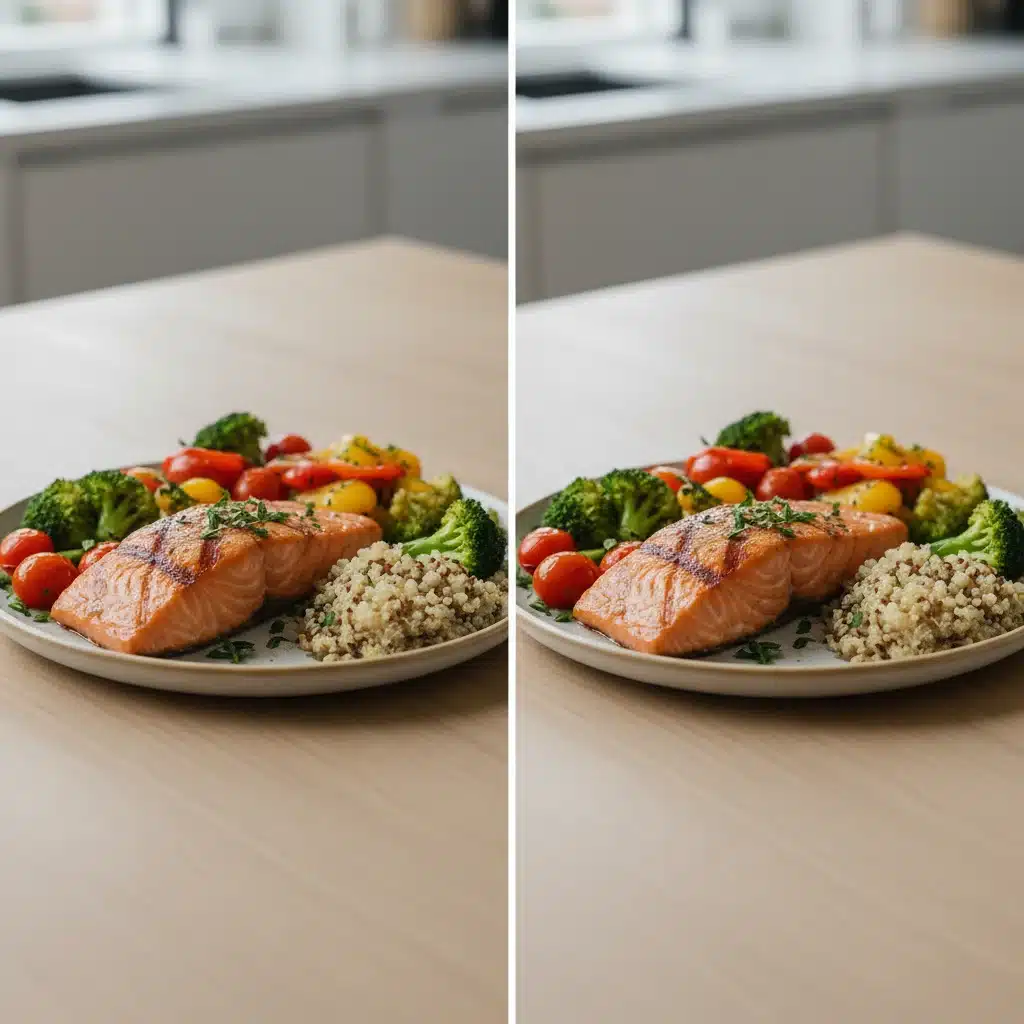
After extensive testing and meticulous evaluation, our 2026 meal kit freshness claims test yields clear insights. Overall, the market continues to evolve, with some services consistently excelling and others showing room for improvement. For consumers prioritizing peak freshness, especially organic and premium quality ingredients, Sunbasket and GreenChef stood out as the top performers. Their commitment to sourcing, careful packaging, and effective logistics consistently resulted in ingredients that were vibrant, unspoiled, and ready to transform into delicious meals. The slightly higher price point for these services is directly reflected in the superior meal kit freshness they deliver.
Blue Apron demonstrated reliable and consistent freshness, particularly with its proteins and a wide array of specialty ingredients. While not always as pristine as the organic-focused options, it consistently provided high-quality components that met expectations. It remains a solid choice for those seeking a balance of variety and dependable ingredient quality from a seasoned provider.
HelloFresh, despite its popularity and convenience, showed some variability in the freshness of its more delicate produce. While generally good, there were more frequent instances of slight wilting or minor bruising compared to the top-tier services. This suggests that while their core ingredients are fresh, their large-scale operations might sometimes struggle with the consistent handling of highly perishable items. However, for sheer variety and ease of use, it still holds its own, provided consumers are willing to overlook occasional minor imperfections in meal kit freshness.
Finally, EveryPlate proved that budget-friendly options can still deliver acceptable meal kit freshness. While it won’t compete with the premium services on organic certifications or the absolute peak condition of every single ingredient, it offers a commendable standard of freshness for its price. It’s an excellent entry point for those new to meal kits or consumers on a tighter budget who still value the convenience and a decent standard of ingredient quality.
Factors Influencing Meal Kit Freshness: A Deeper Dive
The journey of an ingredient from farm to fork is complex, and several critical factors influence its freshness upon arrival in your meal kit. Understanding these can help consumers appreciate the challenges and successes of meal kit providers. Firstly, sourcing practices are paramount. Services that partner directly with farms or have robust, localized supply chains often have an advantage, reducing transit times and ensuring ingredients are picked closer to their peak. Organic certifications, while not directly guaranteeing freshness, often imply more careful handling and shorter supply chains.
Secondly, packaging and insulation play a crucial role. Effective thermal liners and sufficient ice packs are non-negotiable, especially for perishable items like meat, fish, and dairy. Packaging design that prevents ingredients from shifting, crushing, or leaking is also vital. A well-designed box not only protects contents but also helps maintain temperature stability. Thirdly, delivery logistics and transit time are critical. The faster a kit moves from the packing facility to your door, the better. Services with optimized delivery networks and regional distribution centers can significantly reduce transit stress on ingredients, thereby preserving meal kit freshness. Temperature control throughout the entire delivery chain, from warehouse to truck, is also key.
Lastly, quality control at the packing facility is an unsung hero. This involves rigorous inspection of incoming produce and proteins, proper rotation of stock, and careful assembly of kits. Human error or lax standards at this stage can undo all the good work upstream. Services that invest heavily in these areas are consistently the ones that deliver superior meal kit freshness. As consumers, being aware of these factors empowers us to make more informed choices and appreciate the complexities involved in bringing fresh food to our tables through meal kit services.
Tips for Maximizing Your Meal Kit Freshness Experience
Even with the best meal kit services, there are steps you can take as a consumer to maximize the freshness and longevity of your ingredients. Firstly, prompt unboxing and proper storage upon delivery are crucial. As soon as your kit arrives, unpack it immediately. Transfer proteins and dairy to the coldest part of your refrigerator. Store delicate produce like leafy greens in airtight containers or produce bags to maintain humidity and prevent wilting. Root vegetables can often be stored in a cool, dark pantry, but check specific recommendations.
Secondly, prioritize cooking more perishable ingredients first. While meal kits provide recipes for the week, it’s wise to use items like fresh fish, shrimp, or delicate herbs earlier in your cooking cycle. Hardier vegetables like carrots, potatoes, and onions can typically last longer. Pay attention to the ‘cook by’ dates provided by the service, especially for proteins. Thirdly, inspect ingredients upon arrival and report any significant issues immediately to the meal kit service. Most reputable companies have a freshness guarantee and will offer credits or replacements for substandard items. This feedback also helps them improve their quality control.
Lastly, consider the time of year and your local climate. In warmer months, even the best insulation can be challenged. If you know your kit will sit on your porch for an extended period in hot weather, arrange for someone to bring it inside promptly or consider a delivery time when you’ll be home. By taking these proactive steps, you can ensure that you’re getting the most out of your meal kit freshness, enjoying vibrant, delicious meals throughout your week. These small habits can significantly impact your overall satisfaction with the service and the quality of your home-cooked dishes.
The Future of Meal Kit Freshness: Innovations and Expectations
Looking ahead to the rest of 2026 and beyond, the meal kit industry is poised for continued innovation, particularly in enhancing meal kit freshness. We anticipate several key trends that will shape the future of ingredient quality. One major area is the adoption of advanced packaging technologies. This includes smart packaging that can monitor temperature and humidity, biodegradable materials that offer superior insulation, and even packaging that actively extends shelf life through controlled atmospheric conditions. These innovations will not only preserve freshness better but also align with growing consumer demand for sustainability.
Another significant development will be the increasing integration of AI and data analytics into supply chain management. By leveraging AI, meal kit services can optimize sourcing, predict demand more accurately, and fine-tune delivery routes to minimize transit times. This data-driven approach will lead to more efficient operations and, crucially, fresher ingredients arriving at your door. We also expect to see a greater emphasis on hyper-local sourcing, with services partnering with regional farms to reduce food miles and enhance the perceived and actual freshness of produce. This not only supports local economies but also provides consumers with a stronger connection to where their food comes from.
Finally, consumer expectations for transparency will continue to rise. Customers will increasingly demand to know the origin of their ingredients, the farming practices employed, and the ethical standards of the supply chain. Meal kit services that can provide this level of detail, coupled with undeniable meal kit freshness, will gain a significant competitive advantage. The future of meal kits is bright, with a clear trajectory towards even fresher, more sustainable, and more transparent offerings, continually raising the bar for home cooking convenience and quality.
Conclusion: Making an Informed Choice for Freshness
Our comprehensive 2026 review of popular meal kit services highlights a dynamic industry where the promise of meal kit freshness is largely met, though with varying degrees of consistency and quality across providers. For those who prioritize organic, premium ingredients and are willing to invest a bit more, Sunbasket and GreenChef are clear frontrunners, consistently delivering exceptional freshness. Blue Apron offers a reliable and solid performance, providing good quality ingredients consistently. HelloFresh, while convenient and varied, shows some room for improvement in the consistent freshness of delicate produce. EveryPlate, on the other hand, impresses with its ability to deliver acceptable freshness at a budget-friendly price point.
Ultimately, the best meal kit service for you will depend on your personal priorities, dietary needs, and budget. However, when it comes to meal kit freshness, our tests provide a clear roadmap. By understanding the nuances of each service’s approach to ingredient quality, and by employing smart storage and cooking practices, consumers can confidently choose a meal kit that truly enhances their culinary journey. The convenience of meal kits is undeniable, but it’s the underlying freshness of their ingredients that truly transforms a weeknight dinner into a delightful and nourishing experience. Choose wisely, and enjoy the delicious benefits of truly fresh meal kits in 2026.