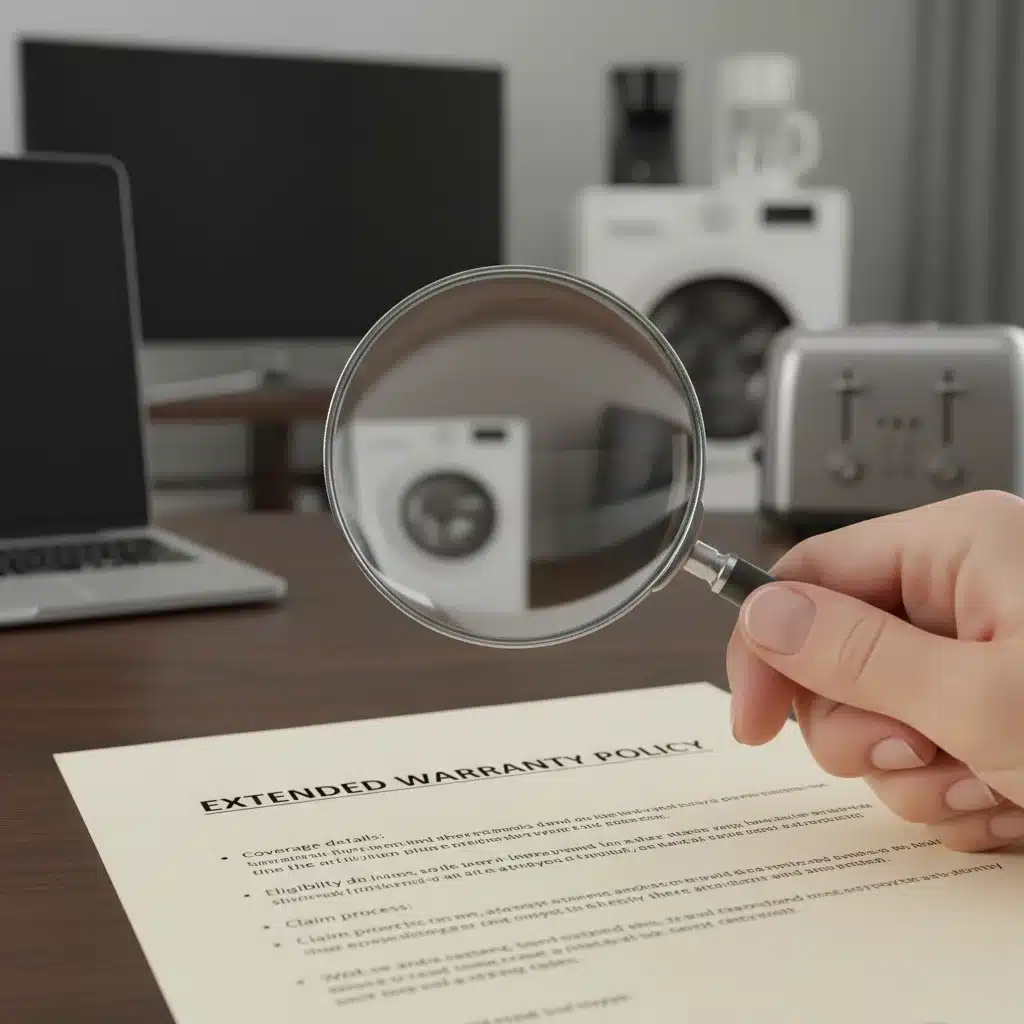
In an increasingly complex consumer landscape, where every significant purchase comes with an offer for additional protection, the question of whether an extended warranty analysis is truly worth it has never been more pertinent. As we navigate 2026, technology continues to evolve at a breathtaking pace, and with it, the cost and complexity of repairing our cherished devices, appliances, and vehicles. This comprehensive guide aims to cut through the noise, providing you with a definitive framework to assess whether an extended warranty is a smart investment or an unnecessary drain on your finances.
Understanding extended warranties is crucial for any savvy consumer. They are essentially service contracts that extend the coverage of your product beyond the manufacturer’s original warranty. While the allure of peace of mind is strong, the reality is often more nuanced. We’ll delve deep into various product categories, examine the factors that influence their value, and equip you with the knowledge to make informed decisions. Let’s embark on this detailed extended warranty analysis to empower your purchasing power.
The Basics of Extended Warranties: What Are You Really Buying?
Before we dissect the value proposition, let’s clarify what an extended warranty entails. Unlike a manufacturer’s warranty, which is typically included in the purchase price and covers defects in materials and workmanship for a limited period, an extended warranty is an optional, separate purchase. It’s often sold by retailers, manufacturers, or third-party providers. The terms and conditions can vary wildly, covering everything from parts and labor to accidental damage, and often have exclusions that can surprise unsuspecting buyers.
Advertisements
When considering an extended warranty analysis, it’s vital to read the fine print. Key aspects to scrutinize include:
- Coverage Details: What exactly is covered? Is it comprehensive, or does it only cover specific components?
- Exclusions: What isn’t covered? This is often where consumers get tripped up.
- Deductibles: Will you have to pay a fee each time you make a claim?
- Claim Process: How easy is it to file a claim? Are there specific repair centers you must use?
- Transferability: Can the warranty be transferred if you sell the product?
- Cancellation Policy: Can you cancel the warranty and get a refund if you change your mind?
Without a thorough understanding of these elements, you might be purchasing a false sense of security. A careful extended warranty analysis begins with understanding the contract itself.
When Extended Warranties Make Sense: High-Value, High-Risk Items
Not all products are created equal when it comes to the utility of an extended warranty. Certain categories, due to their complexity, repair costs, or integral role in daily life, might genuinely benefit from the added protection. Let’s explore these scenarios in our extended warranty analysis.
Electronics: Smartphones, Laptops, and Smart TVs
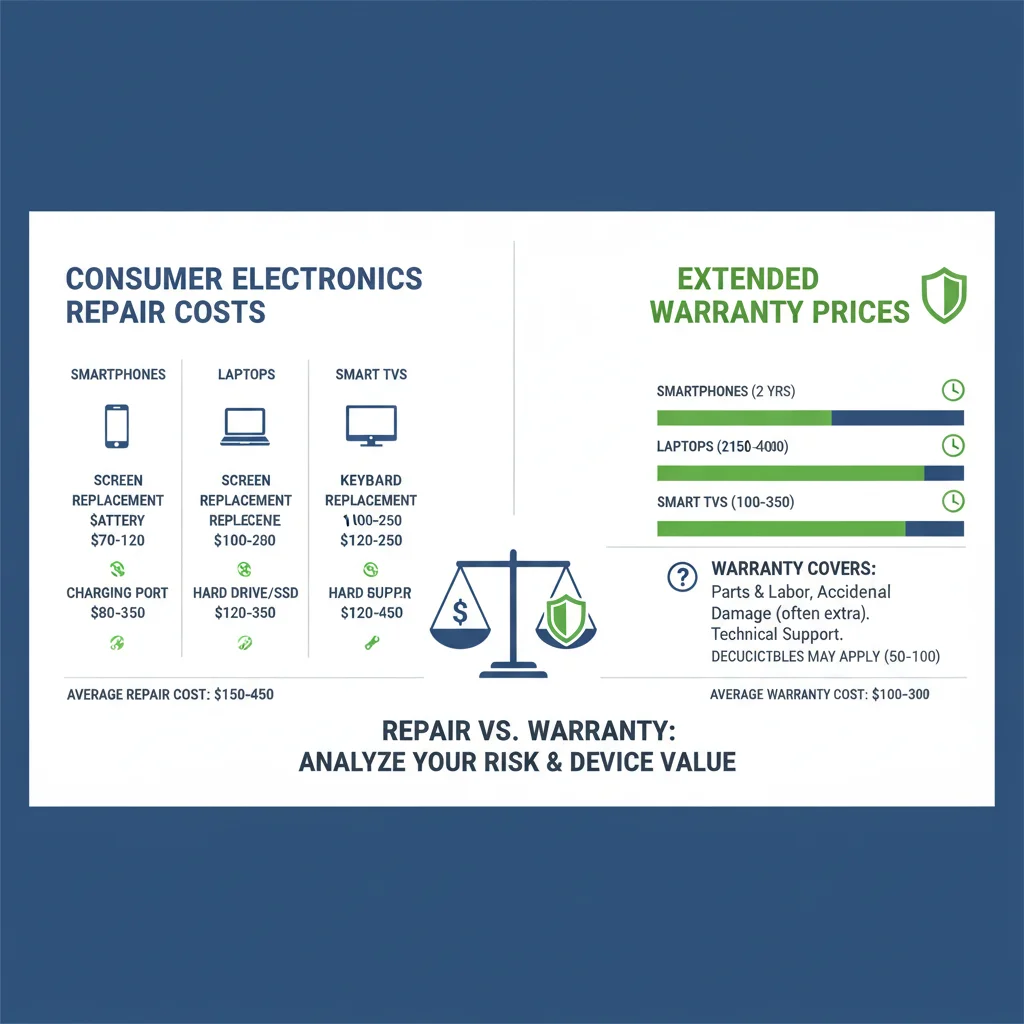
Modern electronics are marvels of engineering, but their intricate components can be costly to repair or replace. A cracked smartphone screen, a failing laptop motherboard, or a malfunctioning smart TV display can easily run into hundreds of dollars, sometimes approaching the original purchase price. For these items, an extended warranty, especially one that includes accidental damage protection, can be a prudent investment.
Consider the average lifespan of these devices versus the cost of potential repairs. If a repair for a common issue is likely to exceed the cost of the warranty, and you anticipate keeping the device for an extended period, it might be worth it. However, be wary of overlapping coverage. Your credit card might offer extended warranty benefits, or your homeowner’s insurance could cover accidental damage. Always perform a thorough extended warranty analysis against existing protections.
Major Home Appliances: Refrigerators, Washers, and Ovens
These are the workhorses of our homes, and their breakdown can cause significant disruption and expense. A new refrigerator can cost upwards of $1,500, and a complex repair could be several hundred dollars. Given their essential nature and the high cost of replacement or repair, an extended warranty for major appliances often presents a stronger case.
Factors to consider here include the brand’s reputation for reliability, the complexity of the appliance, and its expected lifespan. Some brands are known for their durability, while others might have a higher incidence of issues. Researching consumer reviews and reliability ratings can greatly inform your extended warranty analysis for these items. Ensure the warranty covers both parts and labor, as labor costs for appliance repairs can be substantial.
Vehicles: The Most Debated Category
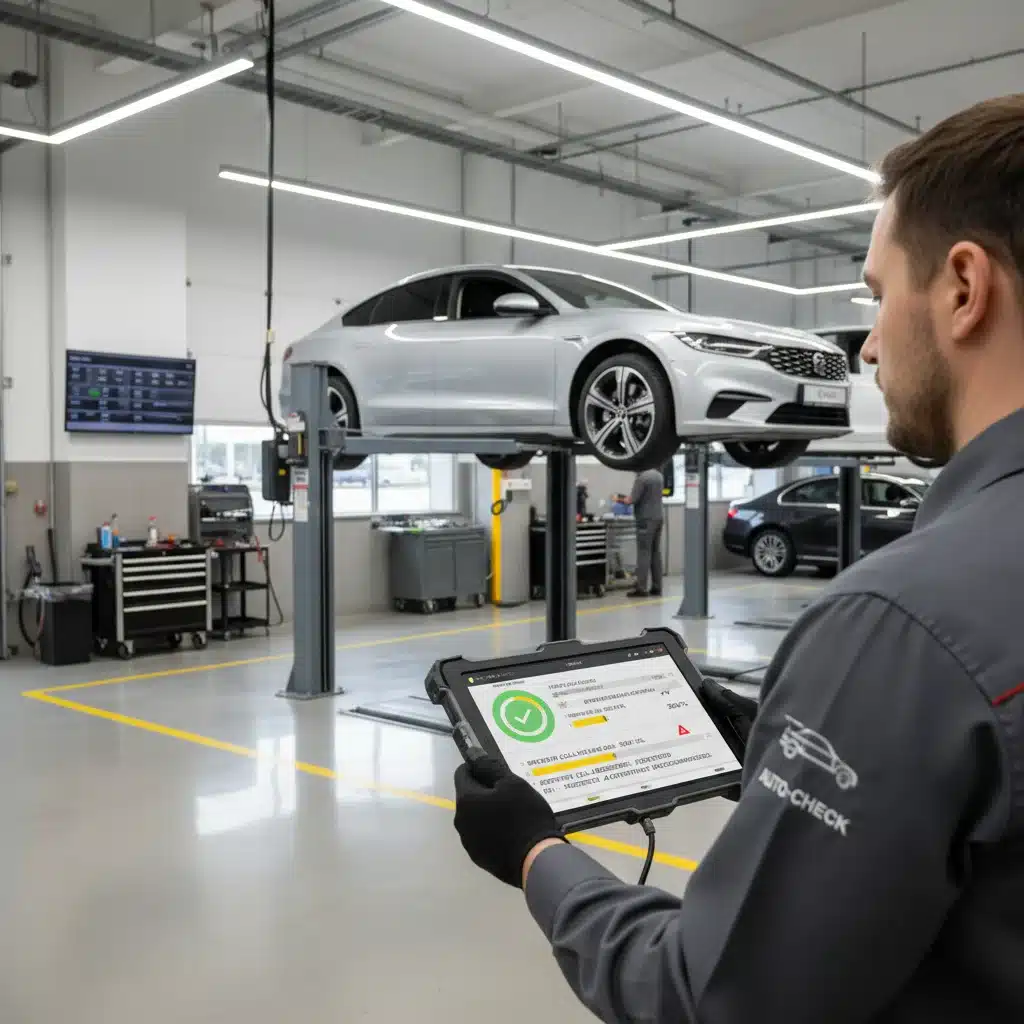
Perhaps no category sparks more debate regarding extended warranties than automobiles. Often referred to as Vehicle Service Contracts (VSCs), these can be incredibly expensive but also potentially life-saving for your wallet when a major component fails. Modern cars are packed with sophisticated electronics and complex mechanical systems, making repairs increasingly costly.
An extended warranty analysis for a vehicle should consider several factors:
- Vehicle Reliability: Is your car known for its dependability, or does it have a reputation for frequent, costly repairs? Researching specific make and model reliability reports is crucial.
- Your Driving Habits: Do you put a lot of miles on your car? More mileage generally means more wear and tear, increasing the likelihood of issues.
- Financial Preparedness: Can you comfortably afford a sudden, large repair bill (e.g., $3,000 for a transmission replacement) out of pocket?
- Age and Mileage of the Vehicle: Older cars with higher mileage are more prone to breakdowns, making an extended warranty potentially more valuable.
Be extremely cautious when purchasing vehicle extended warranties. Many third-party providers have less-than-stellar reputations. Always buy from a reputable dealer or directly from the manufacturer if possible. Understand the coverage levels (e.g., bumper-to-bumper, powertrain, stated component) and what constitutes normal wear and tear versus a covered breakdown. This is where a diligent extended warranty analysis truly pays off.
When Extended Warranties Are Likely Not Worth It: Low-Cost, Short-Lifespan Items
While some items might benefit, many products simply don’t justify the additional expense of an extended warranty. Overpaying for protection on items that are inexpensive to replace or rarely break is a common consumer pitfall. Let’s continue our extended warranty analysis by identifying these scenarios.
Small Electronics and Gadgets: Headphones, Keyboards, Small Speakers
For items that cost less than, say, $100-$200, an extended warranty is almost always an unnecessary expense. The cost of the warranty itself often represents a significant percentage of the product’s value. If the item breaks, it’s usually more cost-effective to simply replace it rather than navigate a warranty claim, especially if there’s a deductible involved.
Furthermore, many of these smaller items have a relatively short expected lifespan due to technological obsolescence or user wear. Your money is better saved for a direct replacement or an upgrade when the time comes. This part of our extended warranty analysis highlights the importance of proportionality.
Low-Cost Appliances: Toasters, Blenders, Coffee Makers
Similar to small electronics, inexpensive kitchen gadgets and small appliances rarely warrant extended protection. Their repair costs, if even possible, often outweigh their purchase price. Most people would simply buy a new toaster if their old one stopped working rather than seeking a repair under an extended warranty.
The manufacturer’s standard warranty, often 1-2 years, is usually sufficient for these products to cover any initial manufacturing defects. Beyond that, the cost-benefit ratio for an extended warranty is typically unfavorable. A pragmatic extended warranty analysis suggests skipping these.
Furniture and Mattresses: Read the Fine Print Carefully
Extended warranties for furniture and mattresses often sound appealing, promising protection against spills, stains, and structural damage. However, these warranties are frequently fraught with exclusions and specific care requirements that make claims difficult. Many policies only cover specific types of damage (e.g., accidental rips, but not pet damage) and require professional cleaning or repair services that you might not typically use.
Before purchasing, scrutinize what is covered versus what is excluded. Is it truly comprehensive protection, or does it only cover issues that are unlikely to occur or are easily preventable with basic care? Often, the cost of these warranties far exceeds the likelihood of a successful, beneficial claim. For furniture and mattresses, a detailed extended warranty analysis often reveals more caveats than benefits.
Alternative Protections: Beyond the Extended Warranty
An extended warranty isn’t the only form of protection available. Savvy consumers leverage various other avenues to safeguard their purchases. Integrating these into your extended warranty analysis can save you money and provide comparable peace of mind.
Credit Card Extended Warranty Benefits
Many premium credit cards offer automatic extended warranty protection on eligible purchases. This benefit typically doubles the manufacturer’s warranty for up to an additional year, sometimes more. Before you even consider purchasing a separate extended warranty, check your credit card benefits guide. This is often the most overlooked and valuable form of protection, providing significant savings.
Homeowner’s or Renter’s Insurance
For high-value items like expensive electronics or appliances, your homeowner’s or renter’s insurance policy might offer coverage against specific perils like theft, fire, or even accidental damage, depending on your policy. While there’s usually a deductible, it’s worth understanding what your existing policies cover before doubling up on protection with an extended warranty.
Emergency Savings Fund
Perhaps the most robust form of protection is a well-funded emergency savings account. Instead of paying hundreds of dollars for extended warranties that you might never use or that come with significant limitations, investing that money into a dedicated fund for unexpected repairs or replacements gives you ultimate flexibility. This allows you to self-insure, paying for repairs only if and when they occur, and keeping the unused funds for other purposes. This financial strategy is a cornerstone of a smart extended warranty analysis.
Manufacturer’s Reputation and Product Reviews
Sometimes, the best protection is simply buying a reliable product from a reputable manufacturer. Researching product reviews, reliability ratings, and common complaints can guide you towards products less likely to break down. A product with a strong track record of durability often negates the need for an extended warranty, as the likelihood of needing a repair is low. This proactive approach is an essential part of any comprehensive extended warranty analysis.
Making an Informed Decision: Your 2026 Extended Warranty Checklist
To conclude our extended warranty analysis, here’s a practical checklist to help you decide if an extended warranty is right for your next purchase:
-
Assess the Product’s Value and Repair Cost:
Is the item expensive to replace or repair? For items under $200-$300, it’s generally not worth it. For major appliances, high-end electronics, or vehicles, the potential repair costs can be substantial.
-
Evaluate Product Reliability:
How reliable is the specific make and model? Research consumer reports, independent reviews, and reliability studies. A highly reliable product may not need extra coverage.
-
Understand Manufacturer’s Warranty:
How long is the factory warranty, and what does it cover? Many issues arise within this period. An extended warranty might just be extending coverage for a period when failures are less likely.
-
Check Existing Protections:
Does your credit card offer extended warranty benefits? Does your homeowner’s or renter’s insurance cover accidental damage or specific perils? Don’t pay for duplicate coverage.
-
Read the Fine Print (Crucial Step):
What are the exact terms, conditions, exclusions, and deductibles? Who is the provider? How do you file a claim? Are there limitations on repair shops? This is the most critical step in your extended warranty analysis.
-
Consider Your Financial Situation:
Can you comfortably afford an unexpected repair bill? If a $500+ repair would cause significant financial strain, an extended warranty might offer valuable peace of mind, provided the terms are favorable.
-
Calculate the Cost-Benefit Ratio:
Compare the cost of the warranty against the likelihood and potential cost of a repair. If the warranty cost is a significant percentage of the product’s value, it’s often not a good deal.
-
Factor in Obsolescence:
For rapidly evolving tech, will you even want to keep the product long enough for the extended warranty to matter? Sometimes, upgrading is a more appealing option than repairing an outdated device.
Conclusion: A Balanced Perspective on Extended Warranties in 2026
In 2026, the decision to purchase an extended warranty remains a personal one, heavily dependent on the specific product, your financial situation, and your risk tolerance. There’s no universal ‘yes’ or ‘no’ answer. However, by conducting a thorough extended warranty analysis using the framework provided, you can move beyond impulse purchases and make a truly informed decision.
Remember, the primary goal of an extended warranty is to transfer financial risk. For high-value, complex items with a known propensity for expensive repairs, and especially if you lack a robust emergency fund, they can offer genuine value and peace of mind. For most other items, particularly those of lower cost or high reliability, the money is often better saved or invested elsewhere.
Empower yourself with knowledge, read the fine print, and always consider alternatives. Your wallet will thank you for the careful consideration. A smart consumer in 2026 is one who understands the true cost and benefit of every purchase, including the often-misunderstood extended warranty.