
Effortless Wardrobe Adaptation: Your 2-Week Seasonal Style Transition Plan
As the leaves change color or the sun begins to linger longer in the sky, a familiar feeling washes over many of us: the need for a wardrobe overhaul. The seasonal style transition is more than just swapping out heavy coats for light dresses; it’s an opportunity to refresh your look, declutter your space, and ensure your daily outfits are both practical and fashionable for the impending weather. But how do you tackle this seemingly monumental task without feeling overwhelmed? The answer lies in a structured, actionable plan. This comprehensive 2-week guide will walk you through every step, ensuring your wardrobe is perfectly adapted for the new season with minimal stress and maximum style.
Understanding the importance of a smooth seasonal style transition goes beyond mere aesthetics. A well-organized, season-appropriate wardrobe saves you time in the mornings, reduces decision fatigue, and ensures you always feel comfortable and confident, regardless of the temperature fluctuations. It’s an investment in your daily well-being and personal presentation. Forget the frantic last-minute scramble; with this plan, you’ll be ahead of the curve, embracing the new season with a fresh, optimized closet.
Week 1: The Foundation – Declutter, Evaluate, and Plan
The first week of your seasonal style transition is all about laying the groundwork. This involves a thorough assessment of your current wardrobe, ruthless decluttering, and strategic planning for the season ahead. Think of it as preparing the canvas before you start painting your masterpiece.
Day 1-2: The Grand Purge – Decluttering Your Closet
Begin by emptying your closet. Yes, every single item. Lay everything out on your bed or floor. This visual overload, while initially daunting, is crucial for gaining a full perspective of what you own. Now, create three piles: Keep, Donate/Sell, and Store. Be honest with yourself. Ask these critical questions for each item:
Advertisements
- Does it fit well? Clothes that don’t fit, even if they’re beautiful, only take up space and dampen your spirits.
- Have I worn it in the last year? If not, chances are you won’t wear it again. Exceptions can be made for truly sentimental pieces or formal wear.
- Is it in good condition? Stained, torn, or heavily worn items should be discarded or repurposed, not kept in your main wardrobe.
- Does it align with my current style? Our styles evolve. What once suited you might no longer reflect who you are.
- Is it appropriate for the upcoming season? This is key for a successful seasonal style transition.
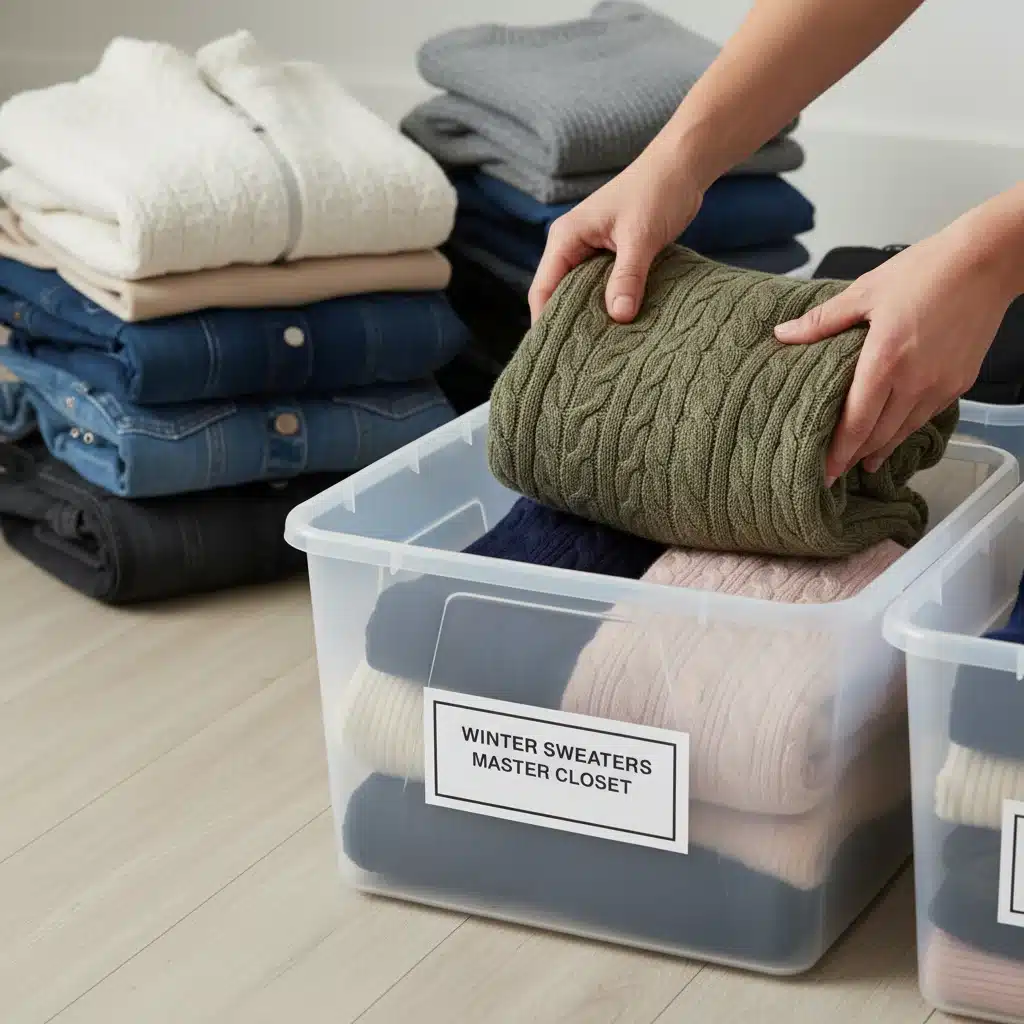
For the ‘Store’ pile, these are items that are perfectly fine but simply not for the current or upcoming season. For example, heavy wool coats in summer or delicate linen dresses in winter. Package these carefully for off-season storage. The ‘Donate/Sell’ pile should be dealt with promptly; bag them up and set them aside to avoid second-guessing.
Day 3-4: Analyze and Identify Gaps
With your ‘Keep’ pile significantly smaller, it’s time to analyze what remains. Group similar items together: all your blouses, all your trousers, all your skirts, etc. This helps you see where you might have redundancies and, more importantly, where you have gaps. For instance, you might realize you have five white t-shirts but no suitable lightweight jacket for cool evenings in the new season.
Consider the color palette of your remaining items. Do they work together? Are there versatile pieces that can be easily layered or dressed up/down? This analysis is vital for a functional seasonal style transition. Create a preliminary list of essential items you might need to purchase to complete your seasonal wardrobe. Focus on versatile basics and key transitional pieces that can bridge the gap between seasons.
Day 5-6: Deep Clean and Organize Your Closet Space
Before putting anything back, give your closet a thorough clean. Wipe down shelves, vacuum the floor, and consider adding cedar blocks or sachets to keep things fresh. A clean space is a welcoming space for your newly curated wardrobe. Once clean, think about how you want to organize. Consider:
- Zone organization: Group similar items together (e.g., workwear, casual wear, activewear).
- Color coordination: Arranging clothes by color can make outfits easier to visualize.
- Accessibility: Place frequently worn items at eye level and easily reachable.
- Storage solutions: Utilize drawer dividers, shelf organizers, and matching hangers for a cohesive look and efficient use of space.
This organizational phase is crucial for maintaining order throughout the season and making future seasonal style transition efforts much simpler. Invest in good quality hangers that won’t damage your clothes and maximize space.
Day 7: Plan Your Seasonal Capsule Wardrobe (Optional but Recommended)
A capsule wardrobe is a curated collection of versatile items that can be mixed and matched to create numerous outfits. While not everyone opts for a full capsule, planning one for the season can significantly streamline your daily dressing. Based on your ‘Keep’ pile and identified gaps, sketch out 15-30 core items that will form the backbone of your seasonal style. This includes tops, bottoms, outerwear, and shoes. This strategic planning ensures every item serves a purpose and contributes to a cohesive seasonal look, making your seasonal style transition truly effective.
Think about the climate of the upcoming season. If it’s spring, consider light layers, water-resistant jackets, and breathable fabrics. For autumn, focus on knits, heavier denim, and versatile boots. Your capsule should reflect your lifestyle and the typical weather patterns you’ll encounter.
Week 2: The Refinement – Integrate, Accessorize, and Maintain
With a clean, organized, and largely decluttered closet, week two focuses on bringing your new seasonal wardrobe to life. This involves thoughtful integration of new pieces, leveraging accessories, and establishing routines for ongoing maintenance.
Day 8-9: Smart Shopping – Filling the Gaps
Refer to the list of essential items you created in Week 1. Now is the time to shop, but do so strategically. Stick to your list to avoid impulse buys that don’t fit into your overall plan. Look for versatile pieces that can be worn in multiple ways and with existing items in your wardrobe. Prioritize quality over quantity, as well-made garments will last longer and often look better. Remember, the goal is to enhance your existing collection, not to start from scratch. Focus on foundational pieces that will elevate your seasonal style transition.
Consider fabrics that are appropriate for the season. For warmer transitions, think cotton, linen, rayon, and light knits. For cooler transitions, opt for merino wool, cashmere blends, corduroy, and heavier cottons. Pay attention to care instructions – ease of care is a significant factor in how often you’ll wear an item.
Day 10-11: Integrate New Pieces and Create Outfits
Once your new purchases are home, integrate them into your wardrobe. Try them on with existing pieces to ensure they truly complement your collection. This is also a fantastic time to play dress-up. Dedicate time to creating actual outfits using your newly curated seasonal wardrobe. Take photos of successful combinations on your phone for quick reference on busy mornings. This practice not only confirms your wardrobe’s versatility but also inspires new looks and solidifies your seasonal style transition.
Experiment with layering. Layering is a powerful tool for transitional weather, allowing you to adapt your outfit throughout the day as temperatures fluctuate. A light cardigan over a t-shirt, or a vest under a blazer, can transform an outfit and provide necessary warmth or coolness.
Day 12-13: Accessorize and Personalize
Accessories are the secret weapon of any successful seasonal style transition. They can dramatically alter an outfit without requiring a full change of clothes. Think scarves, belts, jewelry, hats, and bags. For instance, a lightweight scarf can add a pop of color and warmth in spring, while a chunky knit scarf is essential for autumn. Update your shoe collection with season-appropriate footwear – perhaps swapping heavy boots for ankle boots or sandals for closed-toe flats.
Beyond functionality, accessories are where your personal style truly shines. Use them to express your individuality and make your seasonal outfits uniquely yours. Don’t underestimate the power of a well-chosen accessory to elevate even the simplest ensemble.
Day 14: Establish Maintenance Routines and Review
Your 2-week plan culminates in establishing routines that will keep your wardrobe in top shape throughout the season. This includes:
- Regular laundry and care: Follow care labels to extend the life of your garments.
- Putting clothes away promptly: Avoid the ‘chair-drobe’ to maintain organization.
- Periodic reviews: Every few weeks, quickly scan your wardrobe to ensure it’s still serving your needs.
- Planning outfits: Even just the night before, planning your outfit can save significant time and stress.
Take a moment to review your accomplishments. Your closet should now feel lighter, more organized, and perfectly aligned with the upcoming season. You’ve successfully navigated the seasonal style transition, and you’re ready to face the new weather with confidence and style.

Beyond the 2-Week Plan: Sustaining Your Seasonal Style
While the 2-week plan provides a robust framework for your seasonal style transition, maintaining an adaptable wardrobe is an ongoing process. Here are some additional tips for long-term success:
Embrace Versatility
When purchasing new items, always consider their versatility. Can a dress be worn in summer with sandals and then layered with a turtleneck and boots for autumn? Can a blazer be dressed up for work and down for a casual weekend outing? The more ways an item can be styled, the more value it adds to your wardrobe and the smoother your future transitions will be. Investing in versatile pieces is a cornerstone of an efficient and sustainable wardrobe, minimizing the need for constant new purchases.
Understand Your Personal Style
Knowing your personal style is foundational to a wardrobe that truly serves you. What colors do you gravitate towards? What silhouettes flatter your body shape? What fabrics do you find most comfortable? When you understand your core style, it becomes much easier to make purchasing decisions and to create cohesive outfits. This self-awareness prevents impulse buys and ensures that every item you bring into your closet genuinely reflects who you are, making each seasonal style transition an affirmation of your identity.
Layering is Your Best Friend
We’ve touched on layering, but it bears repeating: it’s the ultimate tool for transitional weather. Investing in high-quality layering pieces – camisoles, long-sleeve tees, light cardigans, vests, and unlined jackets – will allow you to adjust your comfort level throughout the day. A simple outfit can be transformed and adapted to changing temperatures with the addition or removal of a layer. This adaptability is critical for navigating those unpredictable in-between seasons and mastering your seasonal style transition.
Quality Over Quantity
It’s a timeless piece of advice for a reason. While fast fashion can be tempting, investing in fewer, higher-quality items will pay dividends in the long run. Well-made garments not only look better but also last longer, reducing the need for frequent replacements. This approach is more sustainable for your wallet and the environment. A wardrobe built on quality pieces means you’ll have reliable staples that stand the test of time and countless seasonal style transition cycles.
Seasonal Storage Solutions
Proper off-season storage is crucial for preserving your garments and keeping your main wardrobe clutter-free. Use breathable garment bags for delicate items, airtight containers for sweaters to protect against pests, and cedar balls or lavender sachets for freshness. Ensure clothes are clean before storing them to prevent stains from setting in. Clearly label your storage boxes so you know exactly what’s inside, making the next seasonal style transition even easier.
The Power of Accessories
As mentioned, accessories can completely change an outfit. A simple shift in accessories can take a summer dress into early autumn with the addition of a belt, a lightweight jacket, and ankle boots. Conversely, a winter outfit can be lightened for spring with a colorful scarf and lighter jewelry. Keep your accessories organized and easily accessible, and don’t be afraid to experiment with them to extend the life and versatility of your core wardrobe pieces.
Regular Wardrobe Audits
Don’t wait for a full-blown seasonal style transition to assess your wardrobe. Schedule mini-audits every couple of months. Quickly go through your clothes to identify anything that no longer fits, is damaged, or hasn’t been worn. This continuous process prevents clutter from accumulating and makes the major seasonal overhauls much less daunting. It keeps your wardrobe lean, efficient, and always ready for whatever the weather throws at you.
Consider Professional Help
If you find yourself consistently struggling with your wardrobe, or if you’re looking for a significant style refresh, consider consulting a professional stylist or wardrobe organizer. They can offer personalized advice, help you identify your style, and guide you through the decluttering and shopping process. A professional eye can provide invaluable insights and make your seasonal style transition truly transformative.
Conclusion: Embrace the Change with Confidence
Mastering the seasonal style transition doesn’t have to be a source of dread. With this detailed 2-week action plan, you have a clear roadmap to transform your wardrobe from chaotic to curated. By dedicating time to declutter, organize, strategically shop, and integrate, you’ll not only adapt your clothes to the changing seasons but also cultivate a deeper understanding of your personal style.
Remember, a functional and fashionable wardrobe is an ongoing journey, not a destination. By implementing these strategies and maintaining good habits, you’ll find joy in dressing each day, confidently embracing every new season with a style that is truly your own. So, roll up your sleeves, follow these steps, and prepare to enjoy an effortlessly stylish seasonal style transition!