Curate a High-Quality Wardrobe: 5 Principles for Lasting Style Beyond Fast Fashion
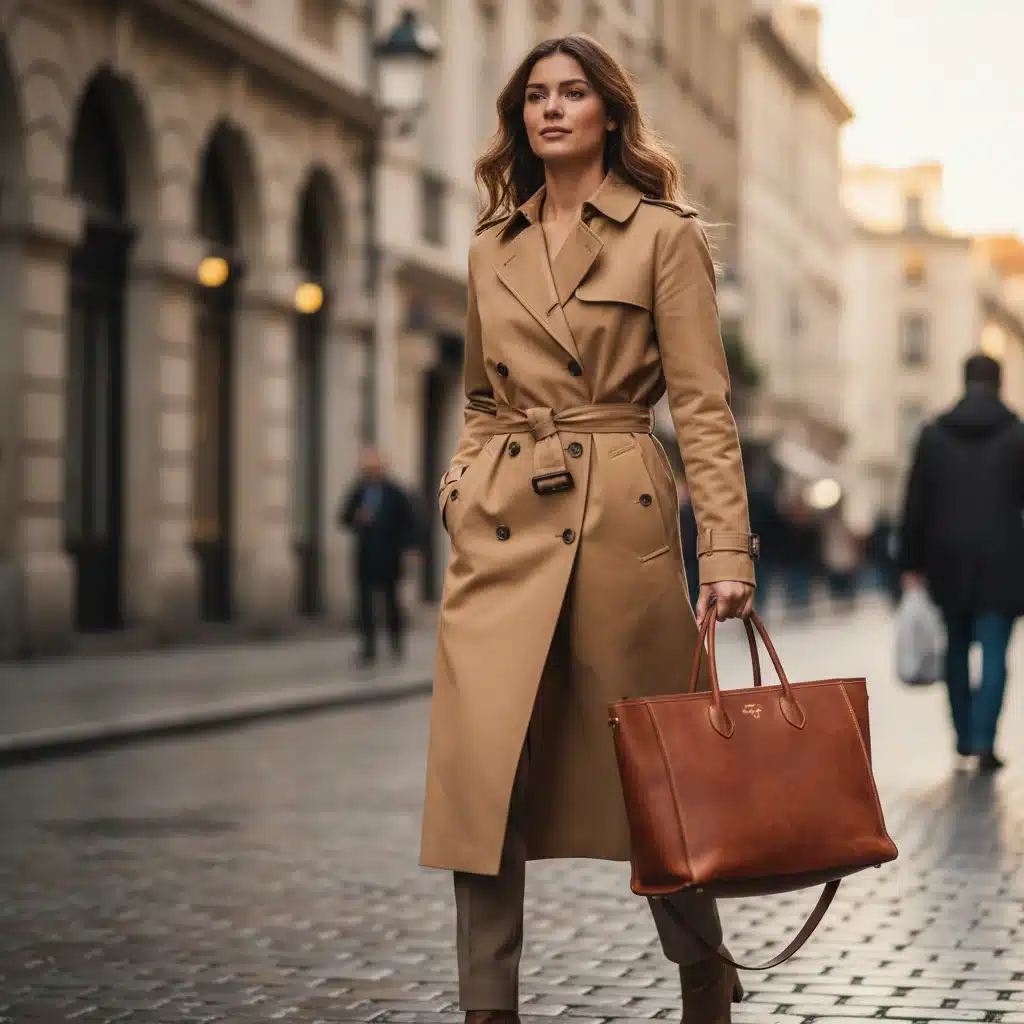
In an era dominated by fleeting trends and the relentless churn of fast fashion, the concept of a truly enduring, high-quality wardrobe often feels like a distant dream. Yet, as we approach 2026, a significant shift is underway. Consumers are becoming increasingly conscious of the environmental and ethical implications of their purchasing habits, leading to a renewed appreciation for longevity, craftsmanship, and timeless style. This isn’t just about owning fewer clothes; it’s about owning better clothes. It’s about curating a collection of garments that not only reflect your personal aesthetic but also stand the test of time, both in durability and relevance.
Building a high-quality wardrobe that lasts five years or more requires a strategic approach, moving beyond impulsive purchases and embracing a philosophy of intentionality. This article will delve into five updated style principles designed to guide you in curating such a wardrobe – one that is sustainable, stylish, and supremely functional. We’re talking about an investment in your personal brand, your comfort, and ultimately, a more sustainable future. Let’s embark on this journey to redefine your relationship with fashion, transforming your closet into a sanctuary of enduring style.
Advertisements
1. Prioritize Quality Over Quantity: The Foundation of a Lasting Wardrobe
The first and most crucial principle for building a high-quality wardrobe is a fundamental shift in mindset: actively choosing quality over quantity. Fast fashion has conditioned us to seek immediate gratification through inexpensive, trend-driven items. However, these garments are often made with synthetic, low-grade materials and poor construction, leading to a short lifespan – often just a few washes before they lose shape, fade, or fall apart. This constant cycle of buying and discarding is not only financially draining in the long run but also environmentally destructive.
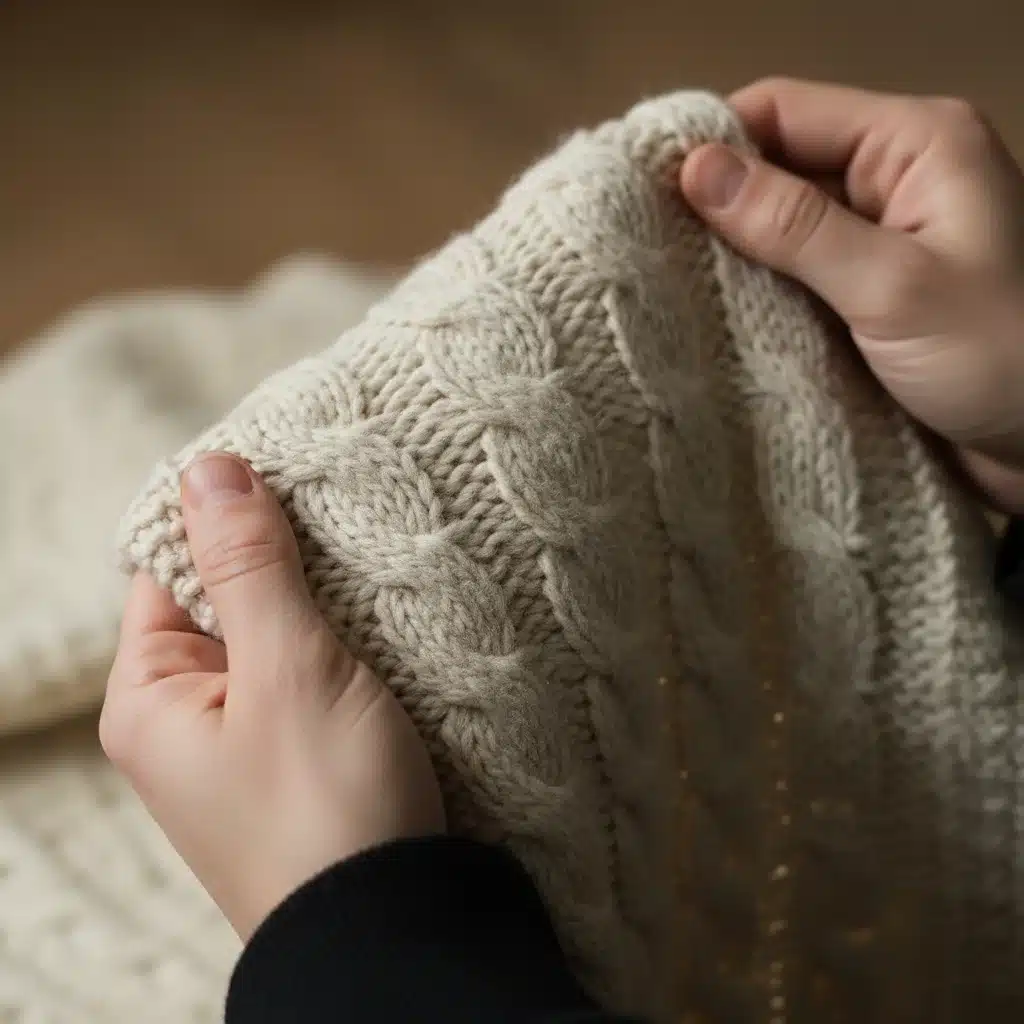
To truly embrace sustainable fashion, you must commit to investing in fewer, but better, pieces. This means scrutinizing fabric composition, construction techniques, and brand reputation. Look for natural fibers like organic cotton, linen, wool (merino, cashmere, alpaca), and silk, which are generally more durable, breathable, and age gracefully. Sustainable synthetics, such as Tencel or recycled polyester, can also be excellent choices when sourced responsibly. Examine seams (are they straight and reinforced?), buttons (are they securely sewn?), and zippers (do they glide smoothly?). A well-made garment feels substantial, drapes beautifully, and shows attention to detail.
While the initial cost of a high-quality item might seem higher, consider its cost-per-wear. A classic wool coat that lasts for a decade, costing $500, has a significantly lower cost-per-wear than five trendy polyester coats that each cost $100 but only last a season. This long-term perspective is vital. It’s about making deliberate choices that pay dividends in durability, comfort, and timeless style. This also extends to accessories, where investing in a well-crafted leather bag or shoes can elevate an entire outfit and endure for years with proper care. By prioritizing quality, you’re not just buying clothes; you’re investing in a more sustainable, elegant, and ultimately more satisfying personal style.
2. Define Your Personal Style: The Blueprint for Cohesion
Without a clear understanding of your personal style, even the highest quality garments can feel disjointed and uninspired. The second principle for a high-quality wardrobe is to meticulously define your unique aesthetic. This isn’t about chasing trends; it’s about identifying what truly resonates with you, what makes you feel confident, comfortable, and authentically *you*. Your personal style is your fashion DNA, and once you understand it, every purchasing decision becomes simpler and more effective.
Start by reflecting on your lifestyle. What are your daily activities? Do you need professional attire, casual comfort, creative expression, or a mix of everything? Consider your preferences in terms of colors, silhouettes, textures, and patterns. Do you gravitate towards minimalist lines, bohemian flair, classic elegance, or edgy modernism? Look through your existing wardrobe: what pieces do you love and wear constantly? What makes you feel good? What do you consistently avoid?
Creating a mood board, whether digital (Pinterest is excellent for this) or physical, can be incredibly helpful. Collect images of outfits, colors, textures, and even art that inspire you. Notice recurring themes. Are there specific designers or eras that speak to you? Pay attention to the types of fabrics and fits that flatter your body shape and make you feel good. Once you have a clear vision, you can use it as a filter for all future purchases. Before buying anything, ask yourself: ‘Does this align with my defined personal style? Does it fit seamlessly into the aesthetic I’m trying to cultivate?’ This deliberate approach ensures that every new addition enhances your existing wardrobe, creating a cohesive and versatile collection rather than a random assortment of items.
3. Embrace Versatility and Modularity: The Power of the Capsule Wardrobe
A truly high-quality wardrobe isn’t just about individual pieces; it’s about how those pieces work together. The third principle encourages embracing versatility and modularity, often best realized through the concept of a capsule wardrobe. A capsule wardrobe is a curated collection of essential, interchangeable clothing items that can be mixed and matched to create a multitude of outfits. This approach maximizes the utility of each garment, reduces decision fatigue, and ensures that your closet is always functional and stylish.
When selecting items for versatility, think about pieces that can transition easily between different occasions, seasons, and levels of formality. A classic pair of dark wash jeans can be dressed up with a blazer and heels or down with a t-shirt and sneakers. A simple, well-tailored dress can work for both a business meeting and a dinner date. Focus on a core color palette, typically neutrals like black, white, grey, navy, and beige, which serve as excellent foundations. You can then introduce accent colors through accessories or a few statement pieces that complement your main palette.
Building a modular wardrobe means each item should ideally be able to pair with at least three other items you already own. This forces you to think strategically about how new purchases integrate into your existing collection. It reduces the likelihood of buying ‘orphan’ pieces that only work with one specific outfit. This principle also extends to layering – selecting items that can be worn together to adapt to different temperatures and add dimension to your look. By focusing on versatility and modularity, you create a wardrobe that is not only high-quality but also incredibly efficient, adaptable, and a joy to wear.
4. Invest in Timeless Staples: The Pillars of Enduring Style
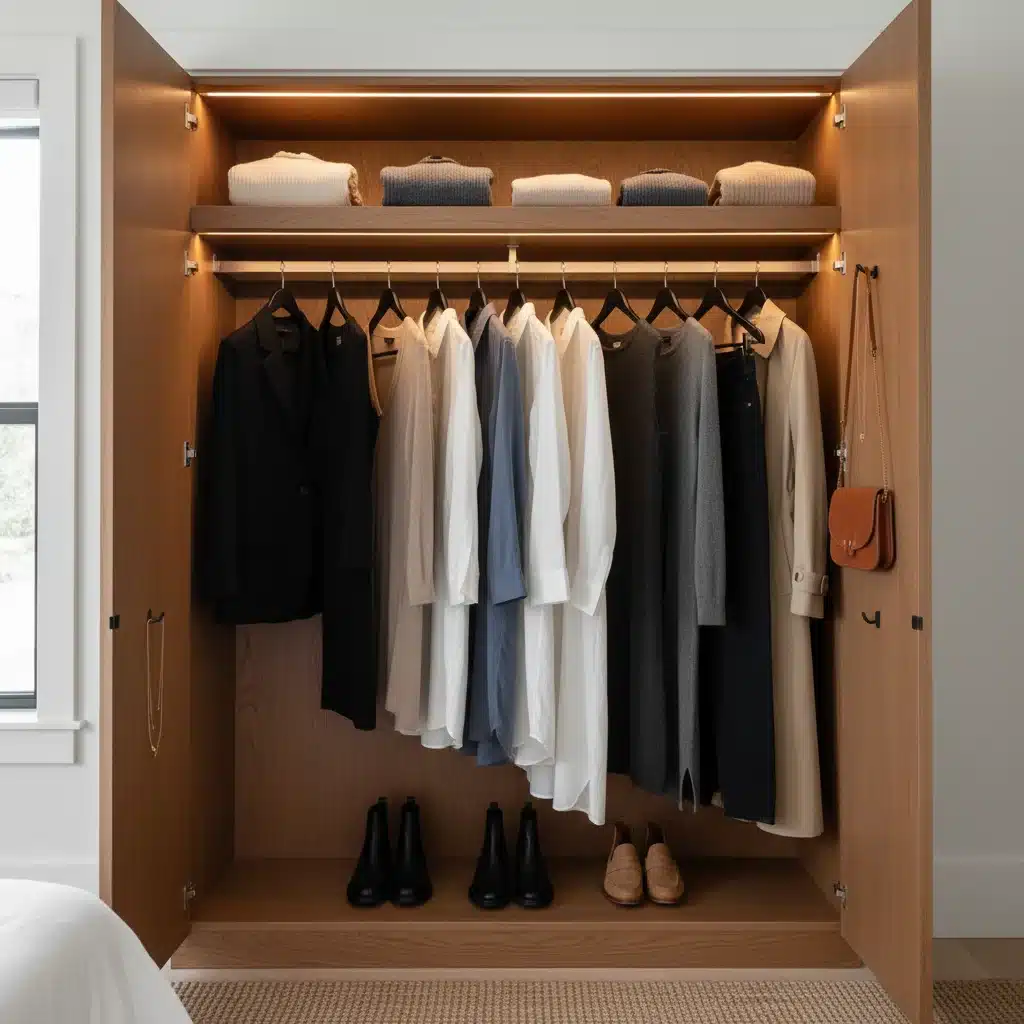
Trends come and go, but true style endures. The fourth principle for a high-quality wardrobe is to strategically invest in timeless staples. These are the classic, foundational pieces that transcend seasonal fads and form the backbone of any sophisticated and lasting wardrobe. They are the items you can rely on year after year, confident that they will always look appropriate and chic.
What constitutes a ‘timeless staple’? Think of items like a well-tailored blazer, a crisp white button-down shirt, a classic trench coat, a versatile pair of dark wash jeans, a little black dress (or a little navy/grey dress), a quality cashmere sweater, and comfortable yet stylish leather loafers or ankle boots. These pieces are characterized by their simple, clean lines, neutral colors, and high-quality construction. They are not flashy or overly embellished; their beauty lies in their understated elegance and inherent versatility.
When investing in these staples, prioritize fit above all else. A well-fitting garment elevates your entire look, regardless of its price point. It’s often worth investing in professional alterations to ensure your staples fit you perfectly. Furthermore, choose colors and styles that genuinely suit your personal aesthetic (as defined in principle 2). While a black blazer is a universal staple, if you never wear black, a navy or charcoal grey option might be more appropriate for your personal high-quality wardrobe. These foundational pieces are not just functional; they are the reliable workhorses of your closet, providing endless styling possibilities and ensuring you always have something appropriate to wear, no matter the occasion. They are the true exemplars of lasting style.
5. Practice Mindful Consumption and Care: Nurturing Your Investment
The final, yet equally critical, principle for cultivating a high-quality wardrobe extends beyond the initial purchase: it’s about practicing mindful consumption and meticulous care. Even the most expensive, well-made garment will not last if it’s not cared for properly. This principle encompasses conscious purchasing decisions, proper maintenance, and a commitment to repairing rather than replacing.
Mindful consumption means resisting impulse buys and truly evaluating each potential purchase. Ask yourself: ‘Do I truly need this? Will I wear it often? Does it align with my existing wardrobe and personal style?’ Consider the ethical footprint of the brand – are they committed to sustainable practices, fair labor, and transparency? Voting with your wallet for brands that align with your values contributes to a more responsible fashion industry.
Once you’ve made a thoughtful purchase, proper care is paramount. Read care labels carefully. Hand wash delicate items, air dry clothes whenever possible to prevent shrinkage and preserve fabric integrity, and use appropriate hangers to maintain garment shape. Invest in good quality garment brushes, shoe trees, and storage solutions. Understand that different fabrics require different treatments. For instance, wool benefits from airing out rather than frequent washing, and silk needs gentle handling. Learning basic mending skills – sewing on a button, patching a small tear – can significantly extend the life of your clothes.
Furthermore, embrace the concept of repair. Don’t discard a beloved item at the first sign of damage. Seek out tailors, cobblers, or dry cleaners who offer repair services. A small investment in a repair can save you the cost of a replacement and keep a valuable item in circulation. By integrating mindful consumption and diligent care into your routine, you not only preserve the beauty and longevity of your high-quality wardrobe but also cultivate a deeper appreciation for your belongings, transforming your closet into a collection of cherished investments rather than disposable commodities.
Beyond the Hype: The Enduring Value of a High-Quality Wardrobe
The journey to curating a high-quality wardrobe in 2026 and beyond is not merely about accumulating expensive clothes; it’s about a fundamental shift in how we approach fashion. It’s a rebellion against the throwaway culture of fast fashion, a conscious decision to invest in pieces that offer enduring value, both aesthetically and functionally. By embracing the five principles outlined above – prioritizing quality, defining personal style, embracing versatility, investing in timeless staples, and practicing mindful consumption and care – you are not just building a collection of garments; you are crafting a sustainable, stylish, and deeply personal expression of yourself.
This approach offers numerous benefits. Financially, while the initial outlay might be higher, the cost-per-wear over several years makes a high-quality wardrobe a more economical choice in the long run. Environmentally, you significantly reduce your contribution to textile waste and the demand for resource-intensive production. Ethically, you support brands committed to fair labor and sustainable practices. And personally, you gain a sense of confidence and ease that comes from knowing your wardrobe is cohesive, comfortable, and always appropriate.
Imagine a closet where every item is loved, every piece fits perfectly, and every outfit feels authentic. This isn’t an unattainable ideal; it’s the direct result of applying these high-quality wardrobe principles. It requires patience, intentionality, and a willingness to step away from the allure of fleeting trends. But the reward is a wardrobe that serves you faithfully for five, ten, or even more years – a true testament to the power of thoughtful consumption and timeless style. Start today, one conscious choice at a time, and watch your wardrobe transform into a reflection of your enduring values and impeccable taste.