Mastering Layering: 5 Essential Techniques for Every Season in 2026
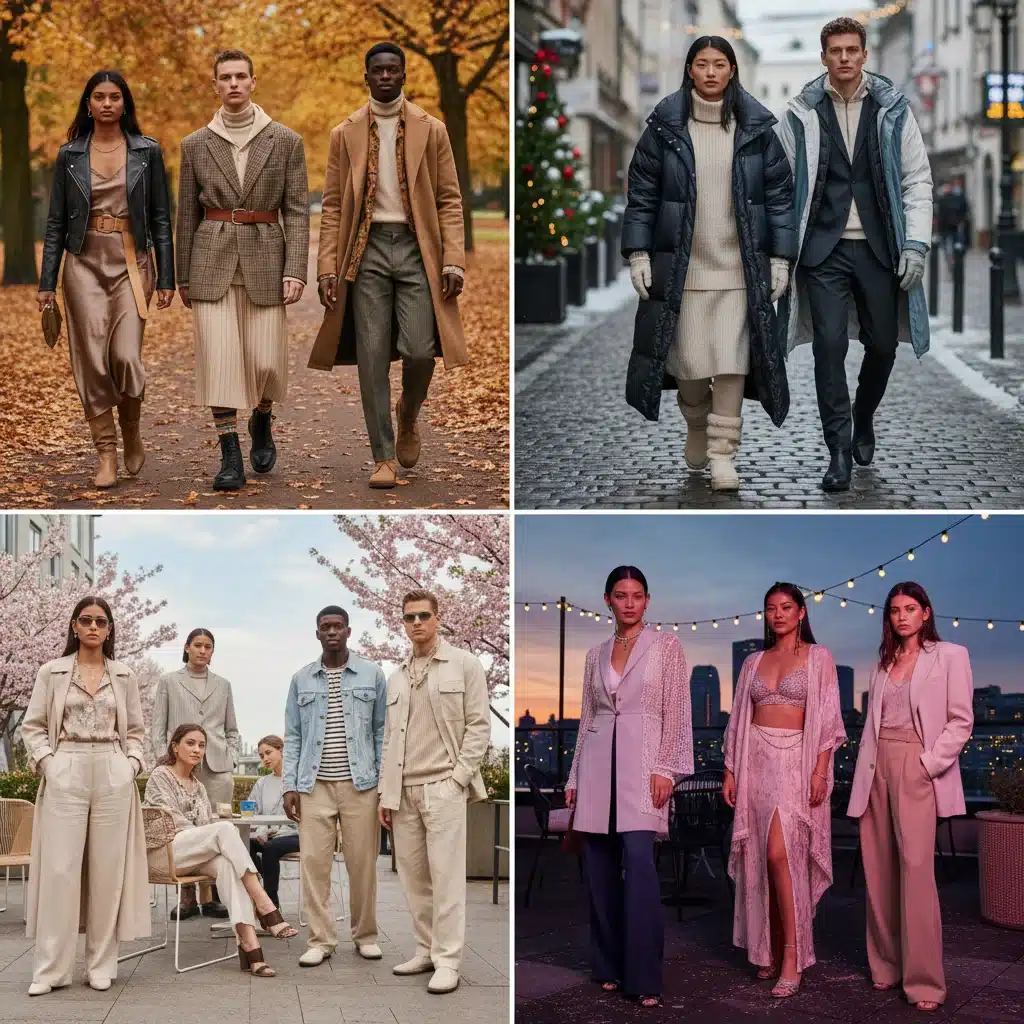
The 2026 Guide to Layering: 5 Stylish Techniques for Any Season
Welcome to 2026, where fashion is not just about what you wear, but how you wear it. In an era of unpredictable weather patterns and a growing emphasis on sustainable, versatile wardrobes, mastering stylish layering techniques has never been more crucial. Layering isn’t merely about adding warmth; it’s an art form that transforms simple pieces into complex, intriguing ensembles. It allows you to express your personality, adapt to fluctuating temperatures throughout the day, and extend the lifespan of your favorite garments by making them suitable for multiple seasons.
Gone are the days of bulky, shapeless layers. The 2026 approach to layering is sophisticated, intentional, and highly personal. It’s about creating depth, playing with textures, and crafting a silhouette that is uniquely yours. Whether you’re navigating a crisp autumn morning, a breezy spring afternoon, a surprisingly cool summer evening, or the depths of winter, the right layering strategy can elevate your entire look. This comprehensive guide will delve into five essential stylish layering techniques that will empower you to build outfits that are both practical and profoundly chic, no matter the season or occasion.
From foundational pieces to statement outerwear, understanding how to combine different elements harmoniously is key. We’ll explore how to balance proportions, mix patterns, and utilize accessories to enhance your layered looks. Moreover, we’ll touch upon the importance of fabric choices and color palettes in achieving a cohesive and polished aesthetic. Prepare to unlock a new level of sartorial creativity and make your wardrobe work harder for you. Let’s dive into the world of elevated layering and discover how to make every outfit a masterpiece.
Advertisements
1. The Art of the Base Layer: Foundation for Flawless Fashion
Every magnificent layered outfit begins with a strong foundation: the base layer. This isn’t just any piece of clothing; it’s the garment closest to your skin, setting the tone for comfort, texture, and often, the overall aesthetic of your ensemble. In 2026, the base layer has evolved beyond simple t-shirts to include a range of sophisticated options that serve both functional and stylistic purposes. Choosing the right base layer is paramount for achieving truly stylish layering techniques.
Fabric First: Comfort and Functionality
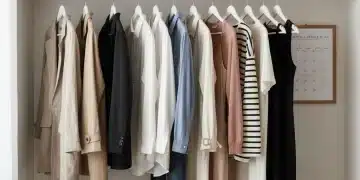
When selecting your base layer, prioritize natural, breathable fabrics. Cotton, merino wool, silk, and modal are excellent choices as they regulate body temperature, wick away moisture, and feel soft against the skin. For colder seasons, a thin merino wool top provides exceptional warmth without bulk. In warmer months, a lightweight cotton or linen camisole can act as a smooth, sweat-absorbing layer under sheerer tops. The goal is comfort without compromise, ensuring you feel good while looking great.
Fit is Fundamental: Smooth Silhouettes
The fit of your base layer is crucial. It should be snug but not restrictive, creating a smooth canvas for subsequent layers. Avoid anything too baggy, as it can create unwanted bulk and disrupt the clean lines of your outfit. A well-fitting base layer ensures that your other garments drape beautifully, contributing to a polished and cohesive look. Consider seamless options for an even smoother finish, especially when layering under fitted clothing.
Color and Texture: Setting the Stage
While often hidden, the color and texture of your base layer can subtly influence the entire outfit. A neutral base in black, white, nude, or grey is incredibly versatile, allowing you to experiment with bolder colors and patterns in your outer layers. However, don’t shy away from using your base layer to introduce a pop of color or a delicate texture. A lace-trimmed camisole peeking out from under a sweater, or a vibrant long-sleeve tee under a blazer, can add an unexpected element of interest. Think of your base layer as the first brushstroke on a masterpiece, carefully considered to enhance the overall composition.
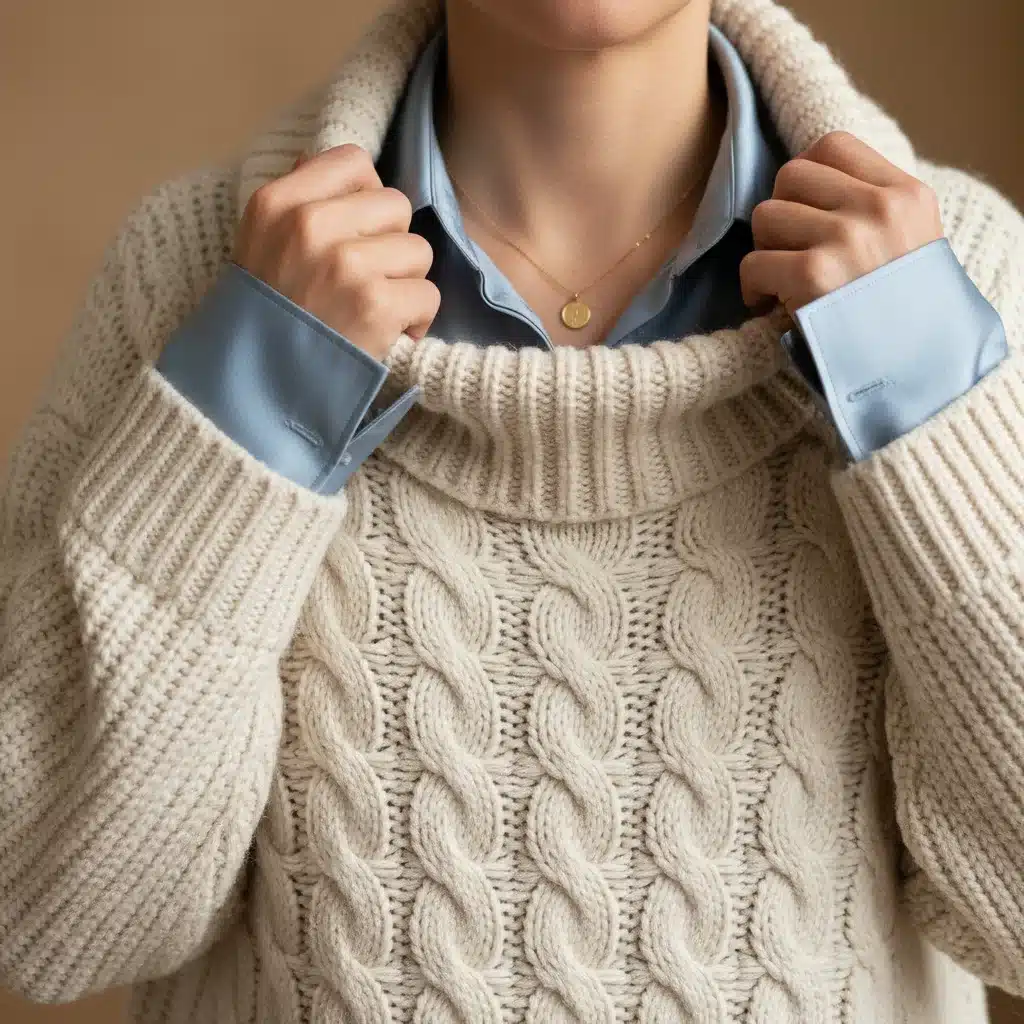
For example, imagine a sleek, fine-knit turtleneck (merino wool for winter, thin cotton for spring) as your base. Over this, you could layer a crisp button-down shirt, leaving a few buttons undone to reveal a hint of the turtleneck’s color or texture. This instantly adds depth and a touch of intellectual chic. Another effective use is a simple, well-fitting tank top under a semi-sheer blouse, offering coverage and a subtle contrast that elevates the transparency of the outer layer. Mastering the base layer is the first step towards truly mastering stylish layering techniques for any season.
2. The Power of the Mid-Layer: Adding Depth and Dimension
Once your base layer is established, the mid-layer comes into play, offering an exciting opportunity to introduce depth, texture, and visual interest to your ensemble. This is where the magic of stylish layering techniques truly begins to unfold, allowing you to play with different silhouettes and materials. The mid-layer is the workhorse of your layered look, providing warmth when needed, and acting as a crucial bridge between your foundational piece and your outermost garments.
Strategic Choices: Sweaters, Vests, and Shirts
Mid-layers encompass a wide array of items. Sweaters, cardigans, vests, blazers, and even button-down shirts can all serve this purpose. The key is to choose pieces that complement your base layer without overwhelming it. For a smart casual look, a lightweight merino wool cardigan over a silk camisole is perfect. For a more structured approach, a tailored vest over a thin long-sleeve top adds an element of sophistication. Don’t be afraid to experiment with different mid-layer options to find what best suits your personal style and the demands of the weather.
Texture Play: A Feast for the Eyes
One of the most effective ways to add dimension to your layered outfit is through texture play. Combine smooth fabrics with rougher ones, matte finishes with glossy sheens. For instance, a chunky knit sweater over a silky blouse creates a delightful contrast that is both visually appealing and tactile. A denim jacket over a soft cotton dress, or a leather vest over a cashmere turtleneck, are other excellent examples. The interplay of textures makes an outfit feel rich and thoughtfully constructed, moving it beyond mere functionality to genuine style. This technique is a cornerstone of advanced stylish layering techniques.
Color Harmony and Contrast
Consider how the colors of your mid-layer interact with your base. You can opt for a harmonious palette, using varying shades of the same color for a monochromatic, elongated look. Alternatively, introduce a contrasting color to create a focal point. For example, a vibrant emerald green cardigan over a neutral cream base can instantly brighten an outfit. Patterned mid-layers can also add significant visual interest, just ensure they don’t clash with any patterns in your base or outer layers. A subtle stripe or a delicate floral print can work wonders when paired with solid foundations.
Proportion and Silhouette: Maintaining Balance
The mid-layer significantly impacts the overall silhouette. Be mindful of proportions. If your base layer is fitted, you might choose a slightly looser mid-layer, or vice-versa. Avoid adding too much bulk, especially around the torso, unless you are deliberately going for an oversized aesthetic. The goal is to create a flattering shape that doesn’t feel restrictive. A well-chosen mid-layer can define your waist, add volume where desired, or simply provide a smooth transition between layers. It’s about finding that sweet spot where comfort meets sartorial elegance, making your stylish layering techniques truly shine.
3. The Outerwear Statement: The Finishing Touch
The outerwear layer is often the most visible component of your layered ensemble, making it the ultimate statement piece. It’s not just about protection from the elements; it’s about completing your look, adding a touch of drama, and showcasing your personal style. In 2026, outerwear is more versatile than ever, designed to seamlessly integrate with your stylish layering techniques and adapt to any season.
Coats, Jackets, and Wraps: Beyond Functionality
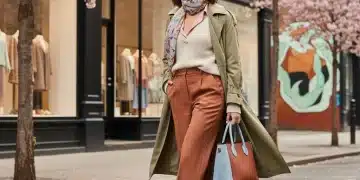
From structured blazers and classic trench coats to oversized denim jackets and elegant capes, the options for outerwear are endless. When choosing your outer layer, consider its weight, fabric, and how it will interact with the layers beneath. A lightweight trench coat is perfect for spring and autumn, offering protection from rain and wind without adding excessive warmth. For colder months, a wool coat or a puffer jacket provides essential insulation while still allowing for stylish expression. Even in summer, a chic linen blazer or a lightweight kimono can serve as an effective outer layer for cooler evenings or air-conditioned environments.
Playing with Length and Proportion: Dynamic Silhouettes
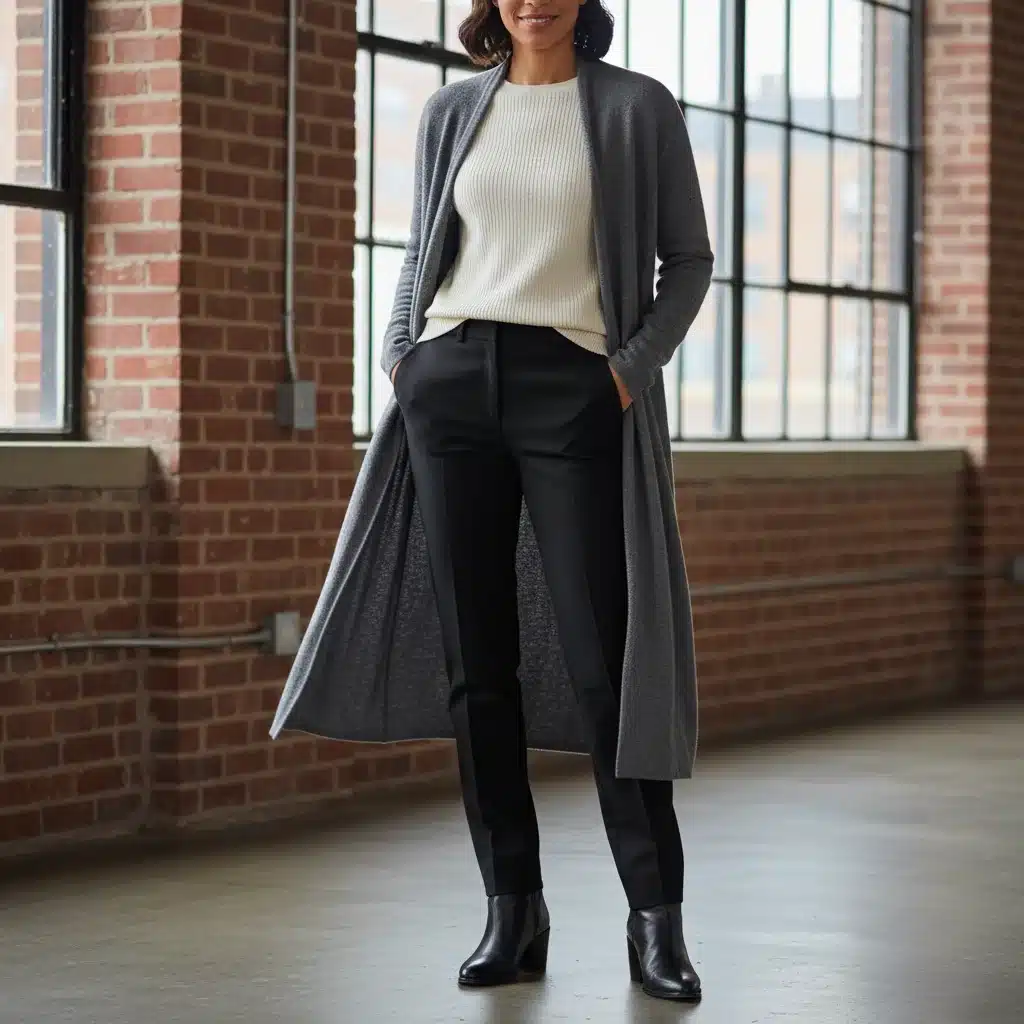
One of the most effective ways to utilize outerwear in your layering strategy is by playing with length and proportion. A long duster coat over a shorter top and tailored pants creates an elongated, sophisticated silhouette. A cropped jacket paired with a longer tunic or dress can highlight your waist and add a contemporary edge. Don’t be afraid to mix lengths to create dynamic and interesting lines. This technique adds visual complexity and prevents your layered outfit from appearing boxy or shapeless. Mastering length variations is a hallmark of advanced stylish layering techniques.
Color and Pattern: Making an Impact
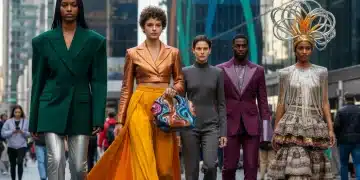
Your outerwear is often the first thing people notice, so use it to make a statement with color or pattern. A bold colored coat can instantly elevate a neutral outfit. A patterned blazer can add personality and flair. However, remember the principles of balance. If your base and mid-layers are already busy with patterns or bright colors, a neutral or solid-colored outer layer might be more appropriate to avoid visual clutter. Conversely, if your inner layers are subdued, your outerwear can be the star of the show, injecting vibrancy and character into your look.
The Role of Accessories: Belts and Scarves
Accessories can transform your outerwear. A belt cinched around a loose coat can define your waist and create a more tailored silhouette. Scarves, both functional and decorative, can add another layer of texture and color, especially when draped over your outerwear. Think of a silk scarf tied artfully around the neck, or a chunky knit scarf providing a cozy contrast to a sleek coat. These small additions can significantly enhance the overall impact of your layered outfit, demonstrating a keen eye for detail in your stylish layering techniques.
4. The Art of Texture Play: A Sensory Experience
Beyond just adding warmth or coverage, one of the most exciting aspects of stylish layering techniques is the opportunity to play with textures. Combining different fabrics creates a rich, sensory experience for both the wearer and the observer, adding depth, dimension, and an undeniable touch of sophistication to any outfit. In 2026, fashion embraces tactile diversity, encouraging us to mix and match materials in innovative ways.
Contrasting Textures: The Key to Visual Interest
The secret to successful texture play lies in contrast. Pairing smooth, sleek fabrics with rougher, more tactile ones creates an intriguing dynamic. Imagine a delicate silk camisole under a chunky knit cardigan, or a crisp cotton shirt beneath a soft cashmere sweater. The juxtaposition of these different materials instantly elevates the outfit from mundane to magnificent. Other effective contrasts include:
- Leather/Faux Leather with Knitwear: A leather jacket over a fine-gauge wool sweater, or a leather skirt paired with a ribbed knit top.
- Denim with Silk/Satin: A classic denim jacket thrown over a flowing satin slip dress.
- Velvet with Cotton/Linen: A luxurious velvet blazer over a simple cotton tee, or velvet trousers with a crisp linen shirt.
- Sheer with Opaque: A sheer blouse layered over an opaque camisole, or a sheer skirt over fitted shorts.
These combinations not only look interesting but also feel luxurious, making your stylish layering techniques truly stand out.
Monochromatic Texture: Subtle Sophistication
While contrasting textures create a bold statement, playing with textures within a monochromatic color scheme offers a more subtle, yet equally sophisticated approach. Dressing head-to-toe in varying shades of the same color, but incorporating different textures, creates an incredibly chic and cohesive look. For instance, an all-beige outfit could feature a cashmere sweater, a silk skirt, a wool coat, and suede boots. Each piece is the same color family, but their distinct textures prevent the outfit from looking flat, adding an understated elegance that is highly valued in 2026 fashion. This technique proves that stylish layering techniques aren’t always about vibrant clashes but can also be about refined harmony.
Incorporating Accessories: Small Touches, Big Impact
Don’t forget that accessories are also powerful tools for texture play. A furry stole, a woven belt, a metallic handbag, or even a pair of patent leather shoes can introduce new textures and enhance the overall tactile landscape of your outfit. A simple outfit of jeans and a t-shirt can be transformed by adding a textured scarf or a statement necklace with unique materials. These small additions can make a significant difference in how your layered look is perceived, adding that extra layer of polish and intention.
Experimenting with texture encourages creativity and allows for endless possibilities. It’s about building an outfit that is not only visually appealing but also rich in tactile experience, making each layer a deliberate and thoughtful choice. Embrace the power of texture to elevate your everyday looks and truly master stylish layering techniques.
5. The Magic of Length and Proportion: Sculpting Your Silhouette
One of the most sophisticated aspects of mastering stylish layering techniques is understanding and manipulating length and proportion. This isn’t just about throwing clothes on; it’s about intentionally sculpting your silhouette to create visually appealing lines, add interest, and flatter your figure. In 2026, designers are emphasizing dynamic proportions, encouraging wearers to play with varying lengths to achieve unique and personalized looks.
Creating Visual Interest with Varying Lengths
The most straightforward way to play with length is by layering garments of different hems. A longer tunic or dress under a shorter jacket creates a modern, edgy vibe. Conversely, a cropped top over a longer, flowing skirt or wide-leg trousers can draw attention to the waist and create an elongated lower half. Think about the ‘rule of thirds’ in fashion – dividing your body into visually pleasing segments with your clothing. For example, a long cardigan (outer layer) over a mid-length blouse (mid-layer) and a shorter camisole (base layer) creates a cascading effect that is both elegant and dynamic. This strategic variation in length prevents an outfit from looking bulky or shapeless, a common pitfall in less thought-out layering.
Balancing Volume: The Art of the Silhouette
Proportion also extends to volume. If you’re wearing a voluminous piece, such as an oversized sweater or a wide-leg pant, balance it with a more fitted item in another layer. For instance, a fitted base layer under a chunky knit sweater, or a tailored blazer over a flowing dress. This creates a harmonious silhouette that avoids overwhelming your frame. Similarly, if you’re opting for multiple loose layers, ensure there’s a point of definition, perhaps at the waist with a belt, or by exposing a more fitted part of your body, like the wrists or ankles. This thoughtful consideration of volume is crucial for achieving truly stylish layering techniques.
Elongating the Figure: Vertical and Diagonal Lines
Utilize layers to create vertical and diagonal lines, which can have a powerful elongating effect. An open cardigan or blazer, for example, creates two vertical lines that draw the eye up and down, making you appear taller and slimmer. A scarf draped diagonally across the body can also add this elongating effect. High-waisted trousers or skirts paired with tucked-in base layers and an open mid-layer can further enhance this illusion, making your legs appear longer. Understanding how different lengths and cuts interact is a cornerstone of applying stylish layering techniques effectively to flatter any body type.
The Role of Hemlines and Necklines
Pay attention to where your hemlines and necklines fall. A high neckline paired with a V-neck mid-layer creates a sophisticated peek-a-boo effect. A shorter hem on a top worn over a longer skirt can highlight the waist. The goal is to create visual interest and flow, guiding the eye through the different layers of your outfit. By consciously manipulating lengths and proportions, you transform your clothing into a work of art, showcasing a masterful command of stylish layering techniques.
Beyond the Basics: Advanced Layering Tips for 2026
With the five core stylish layering techniques under your belt, it’s time to elevate your game with some advanced tips for 2026. These strategies will help you refine your layered looks, ensuring every outfit is not just warm or practical, but a true reflection of your personal style and an embodiment of contemporary fashion trends.
Monochromatic Magic with Subtle Shifts
We touched on monochromatic texture, but let’s delve deeper. A truly advanced layering technique involves building an outfit entirely within one color family, but with subtle shifts in shade and saturation across your layers. Imagine an outfit featuring a deep navy base, a lighter royal blue mid-layer, and a dusty blue outer coat. This creates a cohesive yet dynamic look that is incredibly sophisticated. The slight variations in hue add depth without the need for contrasting colors, demonstrating a refined understanding of color theory and stylish layering techniques.
The Unexpected Pop: Strategic Color Infusion
While often associated with neutral palettes, layering can also be an excellent vehicle for strategic color pops. This isn’t about overwhelming the outfit with bright colors, but rather introducing a single, vibrant hue in one of your layers to create a focal point. For example, a neon turtleneck peeking out from under a classic grey suit, or a pair of bright red socks with an otherwise muted outfit. This unexpected flash of color adds personality and modernity, proving that stylish layering techniques can be both subtle and bold.
The Power of the Third Piece: Instant Polish
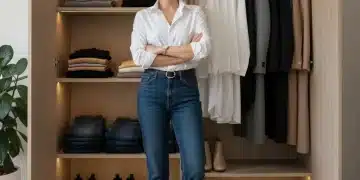
The ‘third piece rule’ is a timeless styling trick that elevates any outfit. After your base (e.g., top and bottom), add a third piece like a blazer, vest, cardigan, or jacket. This instantly makes your outfit look more intentional and polished. For example, jeans and a t-shirt become a styled ensemble with the addition of a denim jacket or an open cardigan. In 2026, consider unconventional third pieces like a long scarf draped like a vest, or a structured utility jacket. This simple addition can transform your basic stylish layering techniques into something truly special.
Mixing Prints: A Bold Statement
For the more adventurous, mixing prints is a powerful advanced layering technique. The key is to find common ground between the patterns. This could be a shared color palette, similar scale, or complementary themes. For instance, a subtle stripe under a floral print, or a small polka dot with a larger geometric pattern. Start small, perhaps with one patterned base layer and a subtly patterned mid-layer, keeping the outer layer solid. As you gain confidence, you can experiment with bolder combinations. This shows a true mastery of stylish layering techniques, moving beyond simple color and texture to complex visual interplay.
Seasonal Adaptability: Year-Round Layering
True mastery of stylish layering techniques means being able to adapt them to every season. For spring, think lightweight knits, trench coats, and silk scarves. Summer calls for sheer fabrics, open-weave cardigans, and linen blazers for evening. Autumn is the prime time for texture play with wool, corduroy, and denim. Winter, of course, demands warmth, but still allows for chic combinations of cashmere, heavy wools, and insulated outerwear. The goal is to have a versatile wardrobe that allows you to apply these techniques regardless of the weather, maximizing your clothing’s potential.
Conclusion: Your Wardrobe, Reimagined Through Layering
As we navigate through 2026, the landscape of fashion continues to evolve, emphasizing versatility, sustainability, and personal expression. Mastering stylish layering techniques is no longer just a trend; it’s a fundamental skill for building a functional, fashionable, and adaptable wardrobe. By understanding the nuances of base layers, mid-layers, outerwear, texture play, and the magic of proportion, you gain the power to transform simple garments into sophisticated, multi-dimensional ensembles that are perfect for any season or occasion.
Remember, layering is an art form that encourages creativity. Don’t be afraid to experiment, mix and match, and break conventional rules. Start with the foundational principles discussed in this guide, then let your intuition and personal style lead the way. Pay attention to how different fabrics feel together, how colors interact, and how varying lengths sculpt your silhouette. The beauty of layering lies in its endless possibilities, allowing you to tell a unique story with every outfit you create.
Embrace the challenge of building depth and dimension, using each piece as a brushstroke in your sartorial masterpiece. From the subtle elegance of monochromatic layering to the bold statement of mixed prints, these techniques will empower you to navigate changing temperatures with grace and confidence. Your wardrobe is a canvas, and with these stylish layering techniques, you are now equipped to be its most brilliant artist. Go forth, experiment, and redefine your style in 2026 and beyond. Happy layering!