2026 Avant-Garde Trends: US Designers’ Insider Look from Concept to Closet
From Concept to Closet: An Insider’s Look at How US Designers Are Setting 2026’s Avant-Garde Trends
The fashion world is a perpetually spinning kaleidoscope, constantly shifting and reforming, with designers acting as the master artisans of its ever-evolving patterns. As we cast our gaze towards 2026, the whispers of what’s next are growing louder, culminating in a symphony of innovation, sustainability, and audacious self-expression. This article offers an exclusive, insider’s perspective into the minds and ateliers of US designers who are not just following trends but actively creating the Avant-Garde Fashion 2026 landscape. We’ll journey from the initial spark of an idea to the meticulously crafted garments ready to define the future of style, exploring the intricate processes, groundbreaking philosophies, and visionary aesthetics that will soon grace runways and wardrobes alike.
Understanding the genesis of Avant-Garde Fashion 2026 requires delving beyond mere aesthetics. It’s about comprehending the cultural zeitgeist, technological advancements, and a collective yearning for authenticity and purpose in an increasingly complex world. US designers, known for their pragmatic yet innovative approach, are uniquely positioned to interpret these global shifts into wearable art that challenges conventions while remaining deeply relevant. This deep dive will uncover the pivotal moments in their creative cycles, the collaborative spirits that fuel their work, and the unwavering commitment to pushing boundaries that characterizes true avant-garde design.
The Genesis of Inspiration: Where Ideas for Avant-Garde Fashion 2026 Begin
Every revolutionary collection starts with an idea, a fleeting thought that, through rigorous exploration, transforms into a tangible vision. For US designers shaping Avant-Garde Fashion 2026, inspiration is drawn from a myriad of sources, often unexpected and multidisciplinary. We’ve observed a strong trend towards looking beyond traditional art forms, instead finding muses in scientific breakthroughs, environmental activism, ancient philosophies, and even the intricate algorithms of artificial intelligence. Designers are becoming cultural anthropologists, dissecting societal shifts and translating their observations into sartorial statements.
Advertisements
One prominent theme emerging is the concept of ‘adaptive aesthetics.’ This isn’t just about clothes that fit different body types, but garments that respond to their environment or the wearer’s mood. Think about textiles infused with smart technology that can change color or texture, or modular designs that allow for radical transformation with a few simple adjustments. This focus on adaptability reflects a broader desire for versatility and longevity in consumer choices, challenging the fast-fashion paradigm. Designers are asking: How can a single garment serve multiple purposes, multiple identities, or even multiple seasons, all while maintaining its avant-garde edge?
Another significant source of inspiration is the natural world, but viewed through a distinctly futuristic lens. Instead of literal interpretations of flora and fauna, we’re seeing abstract representations of natural phenomena – the fluid dynamics of water, the crystalline structures of minerals, the chaotic beauty of geological formations. This translates into organic yet structured silhouettes, biomimetic textures, and color palettes that evoke both earthly serenity and cosmic wonder. The emphasis is on interconnectedness, reminding us of our place within a larger ecosystem, a powerful message embedded within the very fabric of Avant-Garde Fashion 2026.
Furthermore, historical revisionism plays a crucial role. Not simply recreating past styles, but deconstructing them, pulling apart their foundational elements, and reassembling them with a contemporary, often provocative, twist. Imagine Victorian corsetry reimagined with industrial materials, or Rococo extravagance stripped down to its essential, exaggerated forms and rebuilt with minimalist precision. This approach allows designers to tap into the rich tapestry of human adornment while simultaneously charting a path into an uncharted future, ensuring that Avant-Garde Fashion 2026 is both deeply rooted and boldly forward-thinking.
Conceptualization and Sketching: Translating Vision into Form
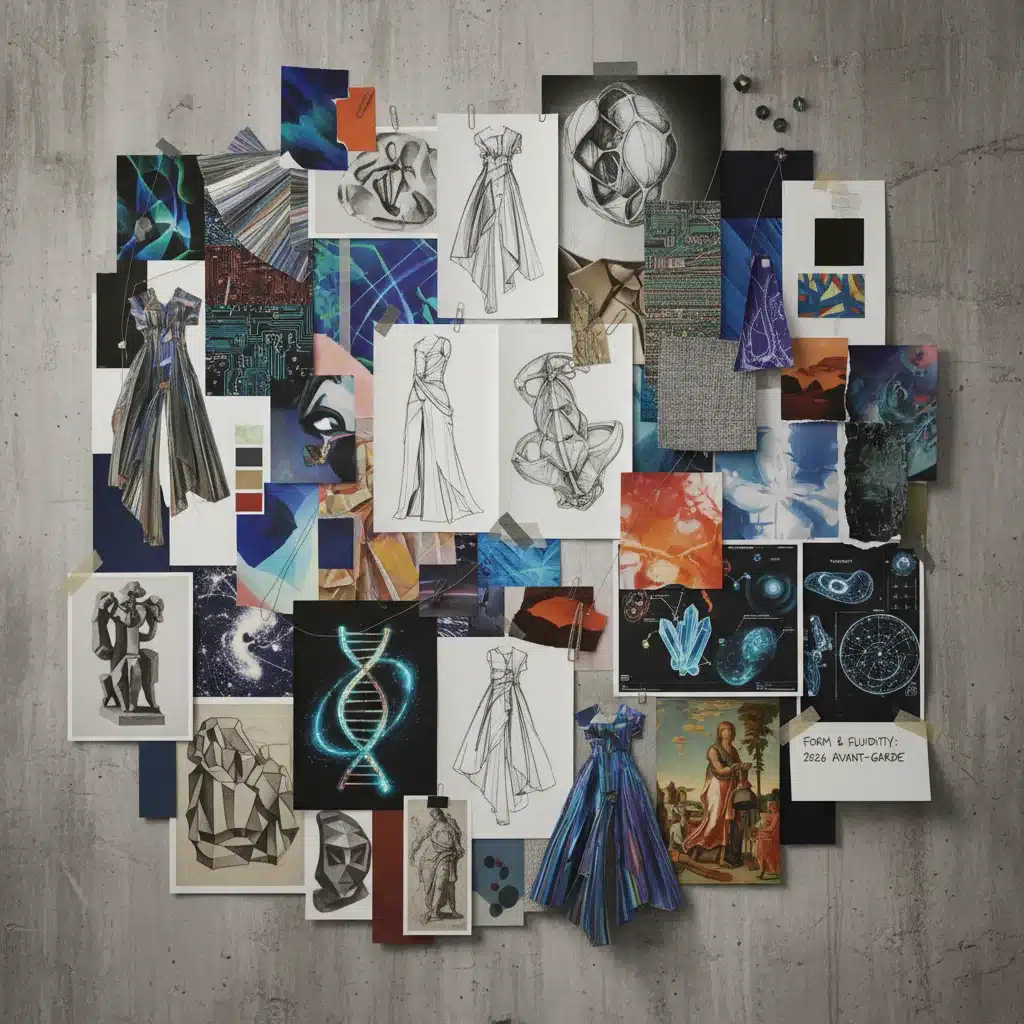
Once inspiration strikes, the rigorous process of conceptualization begins. This phase is less about pretty pictures and more about problem-solving, exploring how abstract ideas can be translated into wearable structures. Designers often start with extensive research, compiling mood boards that are a riot of images, textures, and words. These aren’t just aesthetic collages; they are visual manifestos, outlining the core philosophy and emotional resonance of the collection.
The sketching process for Avant-Garde Fashion 2026 is far from conventional. Many US designers are now integrating digital tools, using 3D modeling software to experiment with volume, drape, and silhouette before ever cutting a piece of fabric. This allows for unparalleled precision and efficiency, enabling them to visualize complex forms and intricate details with greater accuracy. Virtual reality (VR) and augmented reality (AR) are also being explored, allowing designers to ‘walk through’ their collections, experiencing them in a simulated environment, and even receiving virtual feedback on their designs. This digital prototyping is revolutionizing the initial stages of design, making the journey from concept to closet more streamlined and innovative.
However, the tactile element remains indispensable. Alongside digital renderings, physical draping on mannequins and rough fabric manipulations are still vital. This hands-on approach allows designers to feel the weight, movement, and inherent properties of materials, ensuring that the final garments are not just visually striking but also possess an authentic, lived-in quality. It’s a delicate dance between the precision of technology and the intuition of the human hand, a synergy that defines the cutting-edge approach to Avant-Garde Fashion 2026.
The conceptual stage also involves a deep dive into material innovation. Designers are actively seeking out sustainable alternatives, experimenting with biodegradable fabrics, recycled synthetics, and even lab-grown textiles. The ethical footprint of a garment is becoming as important as its aesthetic appeal. This commitment to conscious creation is not just a trend; it’s a fundamental shift in design philosophy, embedding responsibility into the very core of Avant-Garde Fashion 2026. Imagine garments made from mushroom mycelium, algae-based dyes, or fabrics that can decompose harmlessly after their lifecycle. These aren’t far-fetched dreams; they are the materials being actively developed and integrated into collections for 2026.
The Atelier: Crafting the Future of Avant-Garde Fashion 2026
The atelier is where the magic truly happens – where sketches and digital models transform into three-dimensional realities. For Avant-Garde Fashion 2026, this space is less a traditional sewing room and more a laboratory of innovation. Expert patternmakers, often working alongside engineers and material scientists, translate complex designs into precise templates. The emphasis is on unconventional construction techniques, challenging traditional garment structures to create truly novel forms.
One of the most exciting developments is the increasing use of advanced manufacturing techniques. Laser cutting, 3D printing, and robotic sewing are no longer confined to industrial applications; they are becoming integral tools in high-fashion ateliers. These technologies allow for intricate detailing, seamless finishes, and complex geometries that would be impossible or prohibitively expensive to achieve through traditional handcraft. This doesn’t diminish the role of skilled artisans; rather, it elevates their work, freeing them to focus on the most delicate and artistic aspects of garment creation, while machines handle the repetitive or highly precise tasks. This fusion of artisanal skill and technological prowess is a hallmark of Avant-Garde Fashion 2026.
Collaboration is also key. US designers are increasingly partnering with specialists from diverse fields – architects for structural integrity, artists for surface embellishments, even psychologists for understanding the emotional impact of clothing. This interdisciplinary approach enriches the creative process, bringing fresh perspectives and innovative solutions to design challenges. For example, a designer might work with a material scientist to develop a new textile that responds to light, or with an architect to create a garment with unprecedented sculptural volume. These partnerships are crucial in pushing the boundaries of what Avant-Garde Fashion 2026 can be.
The fitting process is another critical stage, especially for avant-garde pieces where standard sizing often doesn’t apply. Each garment is meticulously fitted and adjusted, sometimes over dozens of iterations, to ensure that the silhouette, drape, and movement align perfectly with the designer’s vision. This requires an acute understanding of the human form, combined with an ability to defy its conventions, to create shapes that are both compelling and wearable. The goal is not just to dress the body, but to sculpt it, to transform it, to present it in a new and thought-provoking way.
Sustainability and Ethical Production: The Conscience of Avant-Garde Fashion 2026
Beyond aesthetics and innovation, a profound commitment to sustainability and ethical production is a non-negotiable aspect of Avant-Garde Fashion 2026. Consumers are more informed and demanding than ever, seeking transparency and responsibility from brands. US designers are responding by integrating sustainable practices at every stage of the design and production process.
This includes sourcing materials that are recycled, upcycled, organic, or sustainably harvested. It also means minimizing waste through clever pattern cutting, utilizing scraps for smaller accessories or new textiles, and adopting circular design principles where garments are made to be recycled or composted at the end of their life. Some designers are even exploring ‘on-demand’ production models to reduce overproduction and waste, creating pieces only after an order is placed, a radical departure from traditional fashion cycles.
Ethical labor practices are equally paramount. Designers are ensuring fair wages, safe working conditions, and transparent supply chains. This often involves working with local artisans and manufacturers, fostering community engagement and supporting traditional crafts. The narrative behind a garment – who made it, where it came from, and under what conditions – is becoming an integral part of its value proposition, especially for the discerning clientele of Avant-Garde Fashion 2026.
The avant-garde nature of these designs extends to their very lifecycle. Designers are pioneering concepts like ‘repairability’ and ‘transformability’ to extend the lifespan of garments. Imagine a coat that can be disassembled and reassembled into a different style, or a dress with modular components that can be updated over time. This challenges the notion of disposability, promoting a more conscious and enduring relationship with clothing. The future of Avant-Garde Fashion 2026 is not just about what looks good, but what does good.
The Future Silhouette: Key Trends Defining Avant-Garde Fashion 2026
While avant-garde fashion by definition defies easy categorization, certain overarching themes and silhouettes are emerging as dominant forces for 2026. These aren’t rigid rules but rather guiding principles that inform the experimental spirit of the collections:
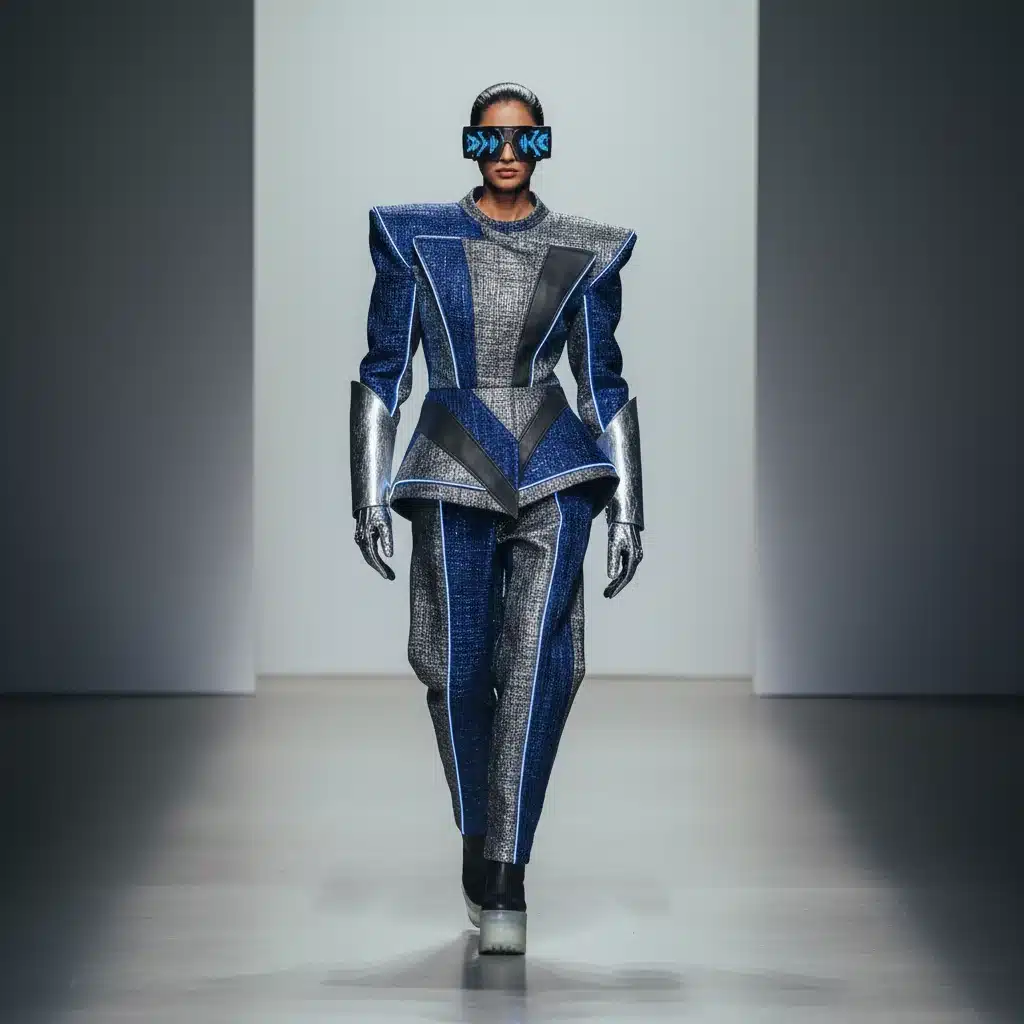
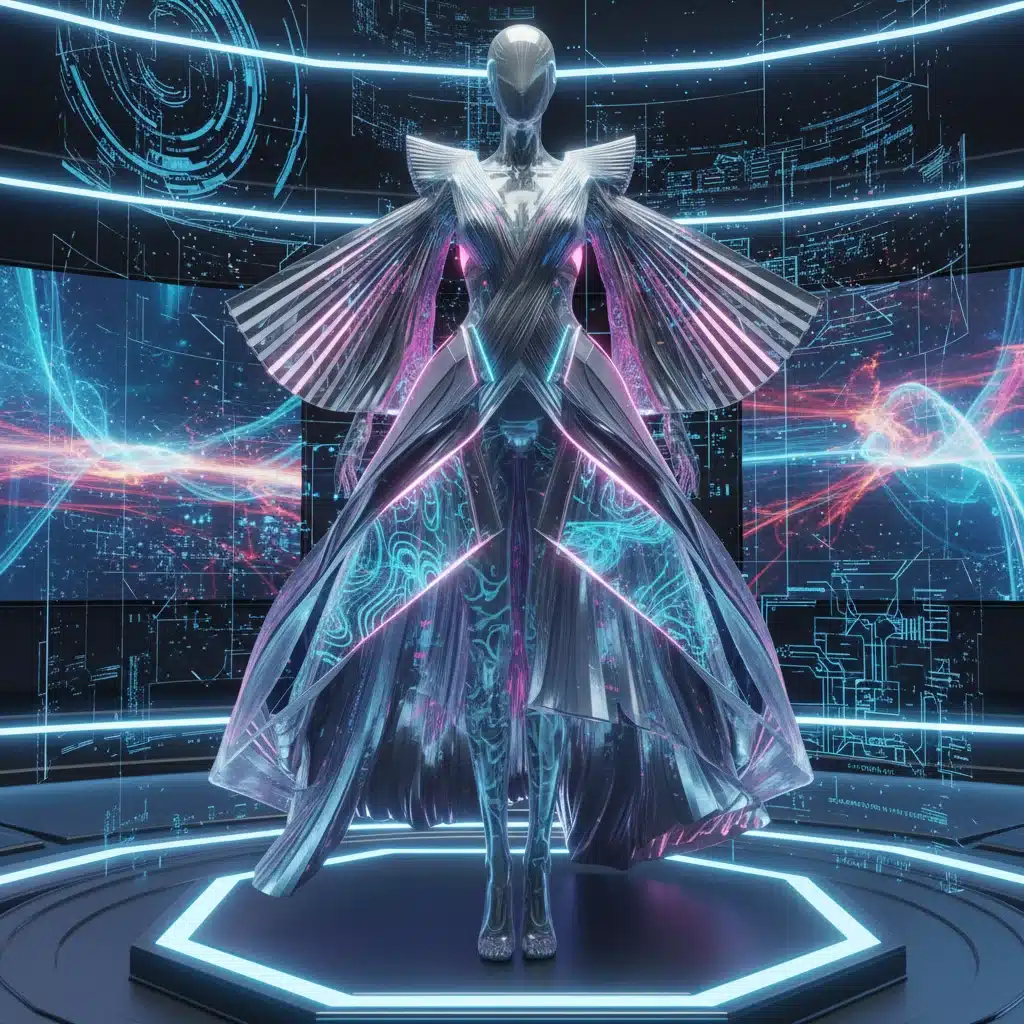
- Architectural Volume: Expect exaggerated shoulders, sculpted hips, and dynamic pleating that create a sense of movement and grandeur. Garments will often resemble wearable sculptures, playing with space and form in bold ways. This trend emphasizes structure and precision, often using innovative internal frameworks to maintain their dramatic shapes.
- Deconstructed and Reconstructed: A continuation of the deconstruction trend, but with a more refined, almost surgical approach. Seams are exposed, panels are purposefully mismatched, and garments appear to be in a state of beautiful, intentional unfinishedness. This reflects a desire to reveal the process of making, a transparency that aligns with broader ethical movements.
- Fluidity and Gender-Neutrality: The lines between traditional gendered clothing continue to blur, leading to more fluid, adaptable silhouettes. Designs for Avant-Garde Fashion 2026 will often be conceived without specific gender in mind, focusing instead on universal forms that celebrate individuality. Draping will be key, allowing fabrics to flow and adapt to different body types.
- Techno-Organic Textures: A fascinating blend of the natural and the artificial. Expect textiles that mimic biological surfaces (like scales or bark) but are created with advanced synthetic processes, or fabrics embedded with micro-sensors that react to external stimuli. The tactile experience of these garments will be as important as their visual appeal.
- Transhumanist Aesthetics: Drawing inspiration from the intersection of humanity and technology, this trend explores how clothing can augment or transform the human body. Think about garments with integrated light-emitting elements, pieces that resemble exoskeletons, or designs that play with the idea of cyborg aesthetics in a sophisticated, artistic manner.
- Emotional Color Palettes: Beyond simple color trends, designers are exploring how colors evoke specific emotional responses. Expect bold, saturated hues juxtaposed with muted, earthy tones, creating palettes that tell a story or reflect a particular mood. The use of innovative dyeing techniques will create depth and luminosity.
From Runway to Reality: Embracing Avant-Garde Fashion 2026
While avant-garde collections often appear unwearable to the everyday consumer, their influence trickles down, shaping mainstream fashion in subtle yet significant ways. The bold silhouettes, innovative materials, and conceptual ideas seen on the runways of Avant-Garde Fashion 2026 will inspire ready-to-wear lines, influencing everything from the cut of a blazer to the texture of a handbag.
For those who dare to embrace the avant-garde directly, these collections offer an unparalleled opportunity for self-expression. They are not just clothes; they are statements, conversations starters, and wearable pieces of art. Investing in an avant-garde piece means acquiring something unique, often handcrafted, and imbued with a deep sense of purpose and artistic vision. It’s about participating in the future of fashion, rather than merely observing it.
The journey from concept to closet for Avant-Garde Fashion 2026 is a testament to the boundless creativity and relentless innovation of US designers. They are not just designing clothes; they are designing the future, one stitch, one silhouette, and one groundbreaking idea at a time. As we move closer to 2026, the anticipation for these transformative collections continues to build, promising a new era of style that is as thought-provoking as it is beautiful.
Conclusion: The Enduring Impact of Avant-Garde Fashion 2026
The landscape of Avant-Garde Fashion 2026, as sculpted by leading US designers, is a vibrant testament to the power of human ingenuity and artistic courage. From the initial sparks of inspiration drawn from science, nature, and history, through the meticulous digital and physical crafting processes, to the final, revolutionary garments, every step is infused with a desire to challenge, to innovate, and to redefine what clothing can be. This insider’s look reveals a world where sustainability is not an afterthought but a foundational principle, where technology augments creativity, and where the boundaries of gender and form are fluidly reimagined.
The impact of these trends extends far beyond the high-fashion runways. The experimental silhouettes, the pioneering use of materials, and the ethical considerations embedded in Avant-Garde Fashion 2026 will inevitably permeate mainstream sensibilities, influencing how we perceive and interact with our wardrobes. It’s a cyclical process where the audacious visions of today’s avant-garde become the accepted norms of tomorrow, pushing the entire industry forward. US designers, with their unique blend of pragmatism and visionary thinking, are at the forefront of this evolution, shaping not just what we wear, but how we think about fashion’s role in our lives and in the broader world.
Embracing Avant-Garde Fashion 2026 is about more than just staying ahead of the curve; it’s about engaging with a movement that values innovation, sustainability, and profound self-expression. It’s an invitation to view clothing not merely as covering, but as a powerful medium for storytelling, identity formation, and even social commentary. As these visionary collections transition from concept to closet, they promise to adorn us not just with fabric, but with a renewed sense of possibility and a bolder vision for the future of style.