Vintage Reimagined: 1990s Fashion Dominates 2026 Trends with 15% Market Share
Vintage Reimagined: How 1990s Fashion is Dominating 2026 Trends with a 15% Market Share
The fashion world is a cyclical beast, constantly looking to the past for inspiration to shape the future. While every decade has its moments of resurgence, few have captivated the collective imagination quite like the 1990s. Far from being a fleeting trend, 1990s fashion trends are not just back; they are poised to dominate the fashion landscape in 2026, projected to capture a significant 15% of the global market share. This isn’t merely a nostalgic nod; it’s a full-blown revival, driven by a blend of cultural yearning, sustainable practices, and the timeless appeal of its diverse aesthetics. From grunge to minimalism, hip-hop to preppy chic, the ’90s offered a smorgasbord of styles that continue to resonate with contemporary consumers. But what exactly is fueling this massive comeback, and how can you integrate these iconic looks into your modern wardrobe?
The Irresistible Allure of 1990s Fashion Trends: Why Now?
The resurgence of 1990s fashion trends isn’t a random occurrence. Several factors contribute to its enduring appeal and current dominance. For many, the ’90s represent a simpler, pre-digital era, evoking a sense of comfort and nostalgia. This emotional connection is a powerful driver for fashion choices. Furthermore, the decade was characterized by a pushback against the overt extravagance of the 1980s, favoring a more understated, authentic, and often rebellious aesthetic. This aligns perfectly with today’s growing demand for authenticity, individuality, and conscious consumption.
Culturally, the 1990s were a melting pot of influential music, film, and television that shaped an entire generation. Iconic figures like Kurt Cobain, the Spice Girls, Cher Horowitz, and the cast of ‘Friends’ became style arbiters, their looks instantly recognizable and endlessly imitable. The internet and social media have only amplified this phenomenon, allowing new generations to discover and fall in love with these aesthetics, sharing inspiration and creating communities around vintage styles.
Economically, the ’90s offered a spectrum of accessible styles. From thrift store finds that defined grunge to the mass-market appeal of denim and sportswear, it was a decade where high fashion often took cues from the street. This accessibility makes 1990s fashion trends appealing to a broad demographic, from Gen Z experimenting with vintage finds to millennials reliving their youth. The emphasis on comfort, practicality, and versatility also makes these trends highly adaptable to modern lifestyles, where functionality often takes precedence.
Advertisements
Deconstructing the Dominance: Key 1990s Fashion Trends Making a Comeback
To understand the 15% market share projection for 2026, we need to break down the specific elements of 1990s fashion trends that are leading the charge. It wasn’t a monolithic decade; rather, it was a dynamic period with several distinct subcultures influencing style.
1. The Grunge Revolution: Anti-Fashion as a Statement
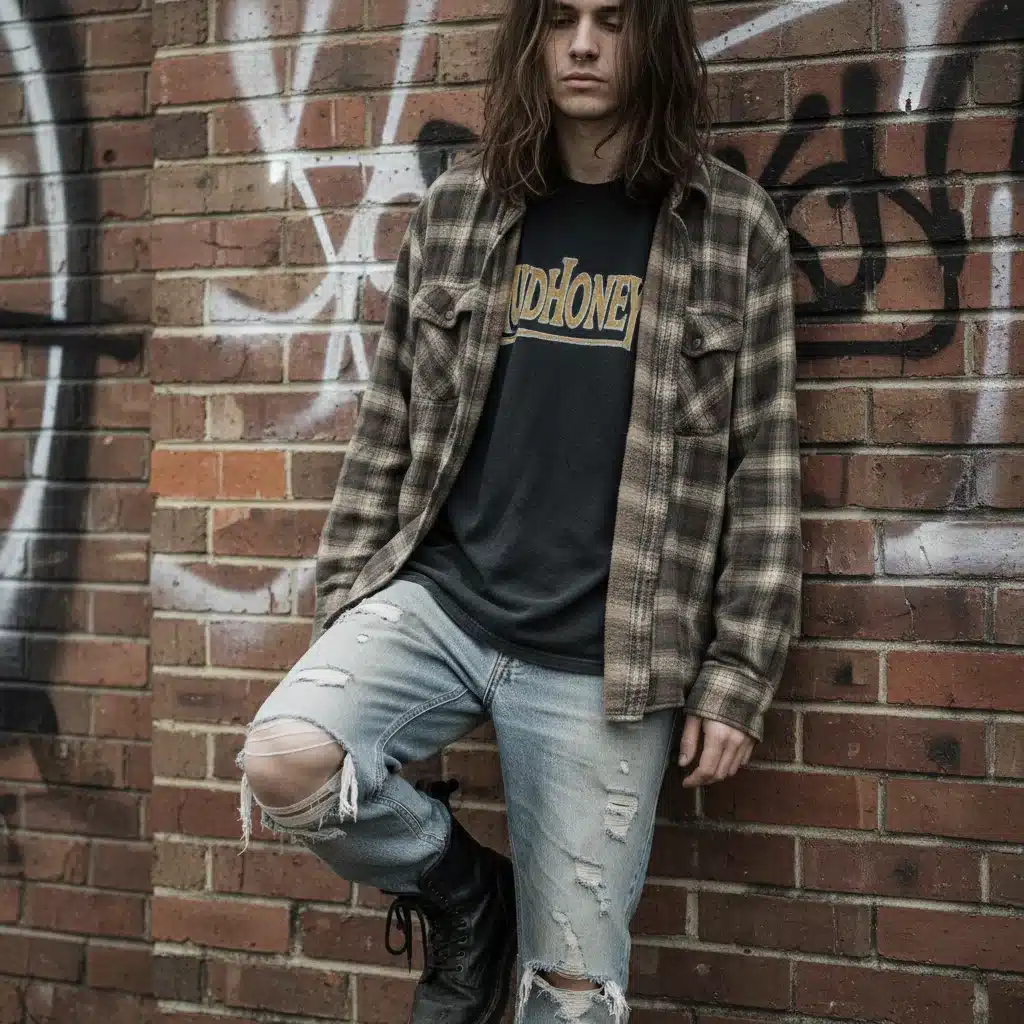
Born from the music scene of the Pacific Northwest, grunge was a defiant rejection of polished aesthetics. Its core elements—oversized flannel shirts, ripped jeans, band t-shirts, combat boots, and layered, often mismatched clothing—spoke to a generation disillusioned with consumerism. Today, this aesthetic translates into a desire for comfort, authenticity, and a subtle rebellion against fast fashion. Designers are reinterpreting grunge with more refined fabrics and silhouettes, making it accessible for a broader audience while retaining its raw edge. Expect to see elevated distressed denim, luxurious flannel blends, and chunky footwear dominating footwear and casual wear categories.
2. Minimalism and Sleek Simplicity: The ‘Less is More’ Philosophy
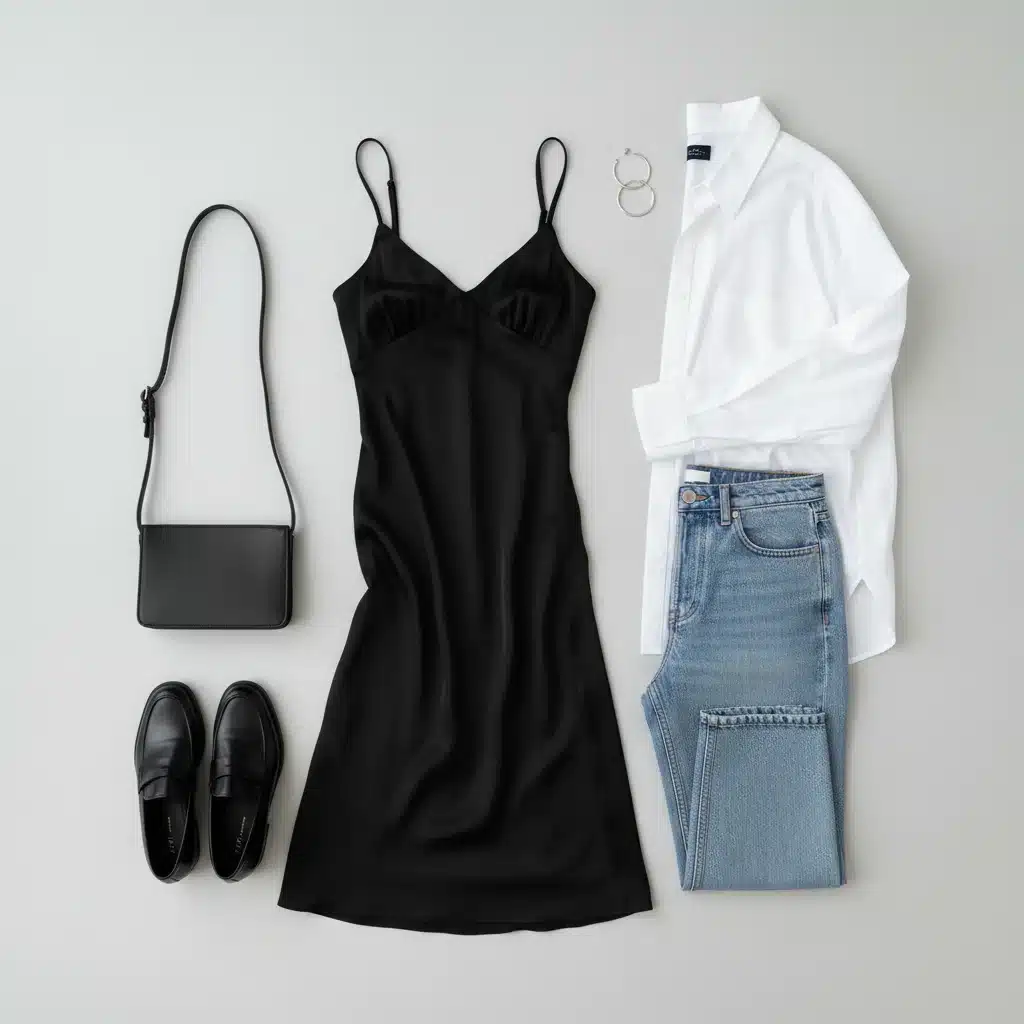
In stark contrast to grunge, the minimalist movement of the 1990s championed clean lines, neutral palettes, and understated elegance. Think slip dresses, tailored trousers, simple camisoles, and classic knitwear in black, white, grey, and beige. This aesthetic, popularized by designers like Calvin Klein and Helmut Lang, offered a sophisticated alternative that prioritized quality over quantity. Its resurgence aligns with current trends towards sustainable fashion and capsule wardrobes, where versatile, timeless pieces are valued. The enduring appeal of minimalist 1990s fashion trends lies in their ability to be effortlessly chic and endlessly reconfigurable, forming the backbone of a sophisticated modern wardrobe.
3. Hip-Hop Influence: Baggy Silhouettes and Streetwear Foundations
The 1990s were a golden era for hip-hop, and its influence on fashion was undeniable. Baggy jeans, oversized sportswear (think tracksuits and puffer jackets), baseball caps, chunky sneakers, and statement jewelry became mainstream. This era laid the groundwork for today’s streetwear phenomenon. Brands are now drawing direct inspiration from these archives, creating contemporary collections that blend comfort, attitude, and luxury. The focus on comfortable, gender-neutral clothing and the blurring lines between athletic wear and everyday fashion ensure that this aspect of 1990s fashion trends will continue its upward trajectory.
4. Pop Culture & Preppy Chic: Clueless and the Rise of Plaid
From the iconic plaid sets of ‘Clueless’ to the collegiate styles seen in shows like ‘Saved by the Bell,’ preppy and pop culture-inspired looks were a significant part of the ’90s. Think mini skirts, knee-high socks, cardigans, argyle patterns, and pastel colors. This more playful and polished side of the decade is returning with a modern twist, often incorporating sustainable fabrics and more inclusive sizing. The nostalgia for these bright, optimistic styles provides a refreshing contrast to more subdued aesthetics.
The Sustainability Angle: 1990s Fashion as a Conscious Choice
One of the less obvious but profoundly impactful reasons behind the resurgence of 1990s fashion trends is its inherent connection to sustainability. The pursuit of vintage and secondhand clothing aligns perfectly with eco-conscious consumer values. By seeking out authentic 90s pieces from thrift stores, vintage shops, or online marketplaces, consumers are actively participating in circular fashion, reducing waste, and extending the life cycle of garments. This not only makes a style statement but also a powerful environmental one.
Furthermore, many of the core elements of 90s style—durable denim, quality flannels, timeless minimalist pieces—were built to last. This contrasts sharply with the disposable nature of fast fashion. As consumers become more aware of the environmental footprint of their clothing choices, investing in well-made, enduring styles from past decades becomes an increasingly attractive option. The very nature of 1990s fashion trends often encourages a more thoughtful approach to consumption, favoring timelessness over fleeting fads.
Integrating 1990s Fashion Trends into Your 2026 Wardrobe: A Style Guide
Embracing 1990s fashion trends doesn’t mean dressing in a head-to-toe costume. The key is to integrate key elements thoughtfully, creating a modern look with vintage flair. Here’s how you can expertly weave the ’90s into your 2026 style:
1. Master the Art of Layering
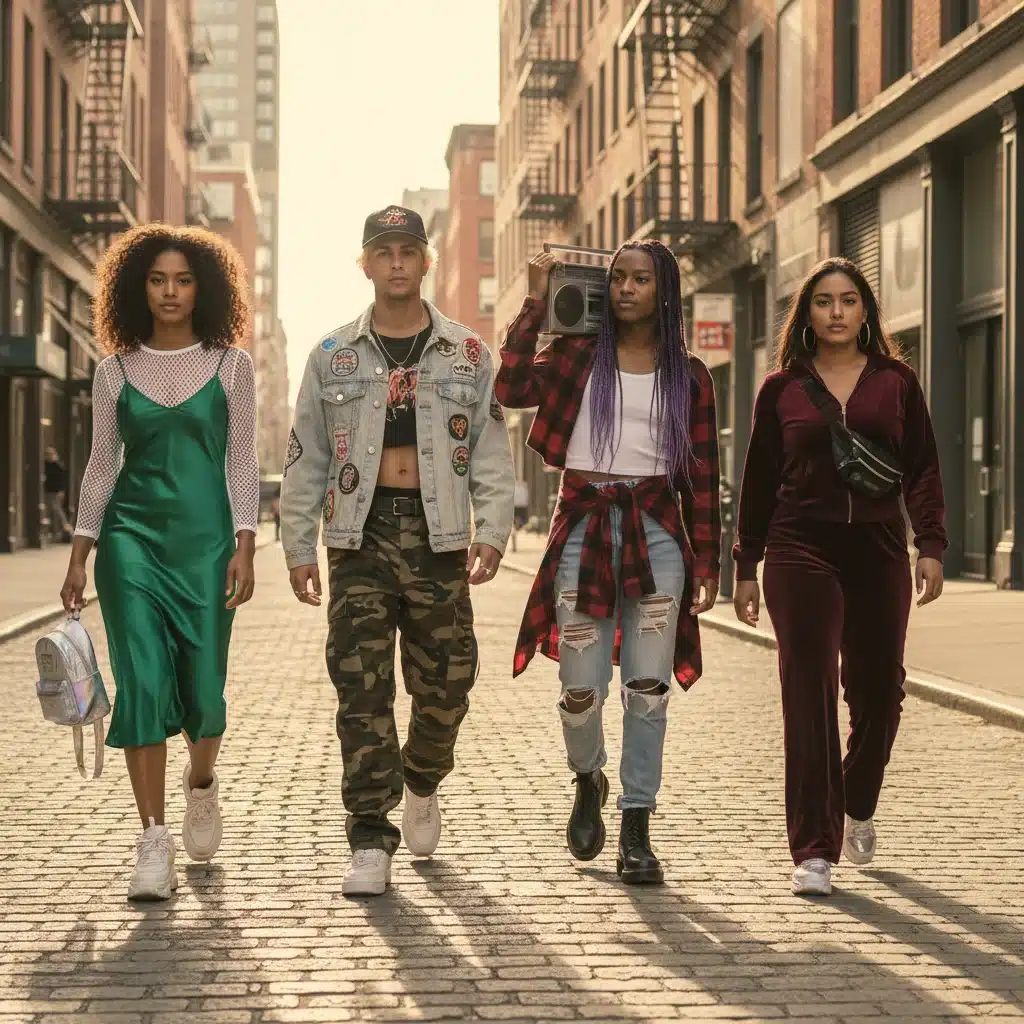
Layering was a hallmark of 90s style, particularly within grunge and casual aesthetics. Think slip dresses over t-shirts, oversized shirts over tank tops, or denim jackets over hoodies. This technique adds depth and interest to an outfit while also offering versatility for changing temperatures. Experiment with different textures and lengths to create dynamic silhouettes. A simple white tee under a silk slip dress, paired with chunky boots, is an instant nod to the decade.
2. Embrace Baggy and Relaxed Silhouettes
Say goodbye to ultra-skinny fits and welcome the comfort of looser clothing. Baggy jeans (mom jeans, straight-leg, wide-leg), oversized blazers, and relaxed-fit trousers are central to the 90s revival. The trick to making these silhouettes work in 2026 is balancing proportions. If you’re wearing baggy bottoms, pair them with a slightly more fitted top, or define your waist with a belt. Conversely, an oversized top can be balanced with slimmer (but not tight) bottoms.
3. Invest in Key Denim Pieces
Denim was ubiquitous in the 90s, and it remains a cornerstone of these trends. Essential pieces include high-waisted mom jeans, relaxed-fit straight-leg jeans, oversized denim jackets, and even denim overalls or dresses. Look for washes that are light to medium blue, or classic black and grey, often with minimal distressing for an authentic feel. Denim is incredibly versatile and can be dressed up or down, making it a sustainable and stylish investment.
4. Footwear is Key: Chunky and Practical
Footwear played a crucial role in defining 90s looks. Combat boots (think Dr. Martens), chunky sneakers (like classic Converse or retro basketball shoes), and minimalist square-toe heels or loafers are all making a strong comeback. These styles prioritize comfort and durability, aligning with modern preferences. Chunky footwear can instantly ’90s-ify’ an outfit, adding an edgy or casual vibe.
5. Accessorize with Intention
The 90s were big on specific accessories. Think minimalist jewelry like simple hoop earrings or chokers, small shoulder bags (baguette bags are particularly iconic), baseball caps, and even scrunchies. Sunglasses also played a big role, from tiny oval frames to larger, sportier styles. These small details can significantly elevate your 1990s fashion trends-inspired look without requiring a complete wardrobe overhaul.
6. Incorporate Iconic Prints and Fabrics
Plaid, particularly buffalo plaid or tartan, is synonymous with grunge and preppy 90s aesthetics. Velvet, especially in rich jewel tones, was also popular for evening wear. Slip dresses, often made from silk or satin, are another key fabric trend. Incorporating these textures and patterns can instantly evoke the decade while still feeling fresh and contemporary.
The Future is Retro: Why 1990s Fashion Trends Will Endure
The projected 15% market share for 1990s fashion trends by 2026 isn’t just a number; it’s a testament to the decade’s lasting influence and its perfect alignment with contemporary values. The ’90s offered a unique blend of comfort, rebellion, simplicity, and cultural richness that continues to resonate. As we move further into an era that values authenticity, sustainability, and personal expression, the versatile and enduring styles of the 1990s provide a rich palette for designers and consumers alike.
Fashion is no longer about strict rules; it’s about personal narrative and conscious choices. The 1990s provide a framework for both. Whether you’re drawn to the raw energy of grunge, the sleek lines of minimalism, the bold statements of hip-hop, or the playful charm of preppy pop culture, there’s a piece of the ’90s waiting to be reimagined in your wardrobe. This isn’t just a trend; it’s a cultural phenomenon that’s shaping the future of fashion, proving that some styles truly are timeless.
Beyond 2026: The Long-Term Impact of 1990s Fashion
While the 15% market share projection for 2026 is significant, it’s crucial to consider the long-term impact of 1990s fashion trends. This isn’t just a peak; it’s an integration. The fundamental elements that defined the decade—comfort, practicality, individuality, and a subtle anti-establishment sentiment—have become deeply woven into the fabric of modern style. These are not fleeting fads but rather foundational principles that continue to inform design and consumer preferences.
The ongoing emphasis on sustainable fashion further solidifies the ’90s aesthetic. The decade’s propensity for durable goods, classic silhouettes that transcend seasons, and the rise of secondhand shopping all contribute to a more circular and responsible fashion ecosystem. As consumers become more discerning about their purchases, the inherent longevity and versatility of 90s-inspired pieces make them smart investments.
Furthermore, the ’90s were a period of significant cultural shifts, many of which are still playing out today. The rise of diverse voices, the blurring of gender lines in fashion, and the increasing importance of personal expression over rigid trends all found fertile ground in the 1990s. These values continue to drive contemporary fashion, ensuring that the spirit of the ’90s remains relevant and influential for decades to come. Brands that successfully tap into this blend of nostalgia, practicality, and conscious consumption will be the ones that thrive.
In conclusion, the dominance of 1990s fashion trends in 2026 is not just a passing fancy. It’s a powerful statement about our collective values, our desire for comfort and authenticity, and our growing commitment to a more sustainable future. So, dust off those flannels, pull on those mom jeans, and embrace the enduring cool of the ’90s – it’s here to stay.