US Workwear Fashion 2026: Adapting to the New Normal

Navigating the New Normal: 4 Key Adaptations in US Workwear Fashion for 2026 (RECENT UPDATES)
The world of work has undergone a seismic shift, and with it, the very fabric of our professional attire. As we stride into 2026, the traditional boundaries of office wear have blurred, giving way to a more fluid, functional, and reflective approach to dressing for success. The COVID-19 pandemic acted as a powerful catalyst, accelerating trends that were already nascent, pushing us towards a ‘new normal’ where comfort, versatility, and conscious choices reign supreme. This article delves deep into the four pivotal adaptations shaping US workwear fashion for 2026, offering insights into how professionals are embracing these changes to create wardrobes that are not only stylish but also incredibly adaptable to the demands of modern working life. Understanding these shifts in US Workwear Trends is crucial for anyone looking to stay relevant and comfortable in their professional endeavors.
1. The Rise of Elevated Comfort: Beyond Sweatpants
The initial lockdown phase introduced many to the unparalleled comfort of working from home in their most relaxed attire. While the days of full-time sweatpants for virtual meetings are largely behind us, the desire for comfort has irrevocably permeated the professional wardrobe. In 2026, US Workwear Trends are heavily influenced by this demand, evolving beyond mere casualization to a sophisticated integration of comfort into traditionally formal pieces. This isn’t about sacrificing professionalism; it’s about redefining it.
Advertisements
The Fabric Revolution: Smart Textiles for All-Day Wear
At the heart of elevated comfort is the revolution in textile technology. Designers are increasingly incorporating fabrics that offer stretch, breathability, and wrinkle resistance without compromising on a polished aesthetic. Think of blazers made from performance knits that move with you, trousers crafted from four-way stretch wool blends, and dresses that offer the structure of tailoring with the feel of loungewear. These materials are often moisture-wicking and temperature-regulating, making them ideal for long days, unpredictable office climates, and commutes. The focus is on garments that feel as good at 5 PM as they did at 9 AM.
Ergonomic Design Meets Style
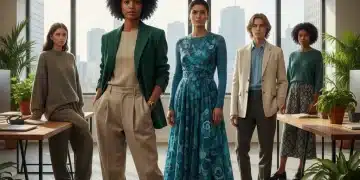
Beyond fabrics, the cut and construction of garments are also adapting. Workwear in 2026 features more relaxed silhouettes that still maintain a professional line. Elasticated waistbands in tailored trousers, soft shoulders on blazers, and generously cut dresses that drape elegantly rather than restrict are becoming commonplace. This ergonomic approach ensures that clothing supports rather than hinders movement, crucial for dynamic work environments that might involve standing desks, collaborative spaces, or even a quick transition to a post-work activity. The aim is to create clothing that supports productivity and well-being.
Footwear: The Blend of Form and Function
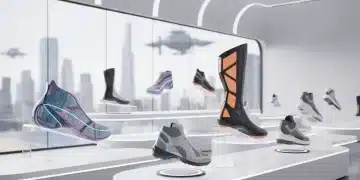
The comfort revolution extends to footwear. While high heels haven’t disappeared entirely, their dominance has waned significantly in the face of more practical yet stylish options. Loafers, elegant flats, sophisticated sneakers, and block-heeled boots are now mainstays of US Workwear Trends. These choices prioritize comfort for extended periods of standing or walking, reflecting a more active and less sedentary professional lifestyle. The key is a sleek design that can seamlessly transition from a boardroom to a city street.
2. Sustainability and Ethical Production: A Non-Negotiable Standard
The growing global awareness of climate change and social responsibility has profoundly impacted consumer choices, and workwear is no exception. In 2026, sustainability is no longer a niche concern but a fundamental expectation for many professionals and companies alike. This adaptation in US Workwear Trends reflects a deeper commitment to ethical practices, from sourcing to disposal.
Conscious Material Choices
Brands are increasingly prioritizing sustainable materials. This includes organic cotton, recycled polyester, Tencel (lyocell), hemp, and innovative bio-based fabrics. Professionals are actively seeking out garments made from these materials, not only for their environmental benefits but also for their quality and durability. There’s a growing appreciation for clothing that is built to last, reducing the need for frequent replacements and thereby minimizing waste. The concept of a ‘capsule wardrobe‘ built on high-quality, sustainable pieces is gaining significant traction.
Transparency in the Supply Chain
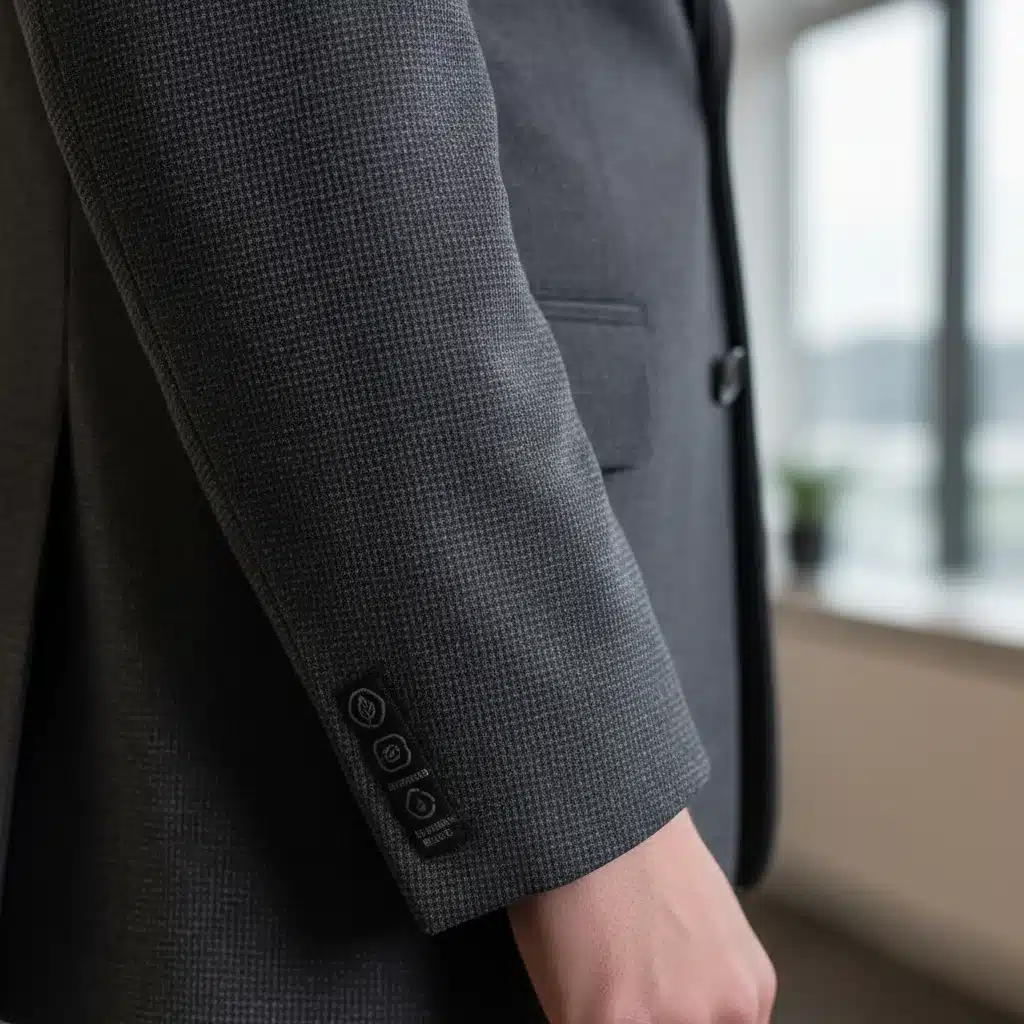
Consumers are demanding greater transparency from brands regarding their manufacturing processes. They want to know where their clothes are made, under what conditions, and what environmental impact the production entails. Brands that can clearly communicate their ethical sourcing, fair labor practices, and reduced carbon footprint are gaining a competitive edge. This shift is fostering a more accountable industry, where sustainability certifications and clear product labeling become crucial tools for consumer decision-making in US Workwear Trends.
Longevity and Circularity
Beyond initial production, the focus is also on the entire lifecycle of a garment. Workwear designers are exploring circular fashion models, where clothes are designed for durability, repairability, and ultimately, recyclability or biodegradability. This includes initiatives like take-back programs, repair services, and the use of mono-materials to simplify recycling. Investing in well-made, versatile pieces that can be worn for years, and then responsibly recycled or repurposed, is becoming a hallmark of sustainable US Workwear Trends.
3. Technology Integration: Smart Clothing for Smart Professionals
As technology continues to permeate every aspect of our lives, it was only a matter of time before it made its way into our clothing. In 2026, we are seeing the subtle yet impactful integration of technology into workwear, designed to enhance productivity, comfort, and connectivity. This adaptation moves beyond mere gadgets to clothing that offers genuine functional benefits.
Wearable Tech Beyond the Wrist
While smartwatches are ubiquitous, the next frontier is clothing with embedded technology. This isn’t about flashy, futuristic designs, but rather discreet integrations that serve a purpose. Examples include fabrics with integrated sensors to monitor posture during long desk hours, garments with discreet charging pockets for devices, or even temperature-regulating fibers that adapt to the wearer’s body heat and external conditions. These innovations aim to make the workday more efficient and comfortable, blending seamlessly with traditional aesthetics in US Workwear Trends.
Connectivity and Communication
For professionals who are always on the go, workwear might soon offer enhanced connectivity. Imagine jackets with integrated, nearly invisible microphones and speakers for hands-free calls, or subtle LED indicators on a sleeve that alert you to important notifications without needing to pull out your phone. While still in nascent stages for mainstream adoption, these advancements promise to streamline communication and reduce digital distractions, allowing professionals to stay connected more efficiently.
The Digital Wardrobe: AI and Personalization
While not strictly ‘in’ the clothing, technology is also influencing how we choose and manage our work wardrobes. AI-powered styling platforms are becoming more sophisticated, offering personalized recommendations based on body type, existing wardrobe, role, and even weather conditions. Virtual try-on technologies are improving, making online shopping for workwear more accurate and reducing returns. These digital tools empower professionals to build a more effective and efficient work wardrobe, reflecting the data-driven approach of modern US Workwear Trends.
4. Versatility and Adaptability: The Hybrid Work Wardrobe
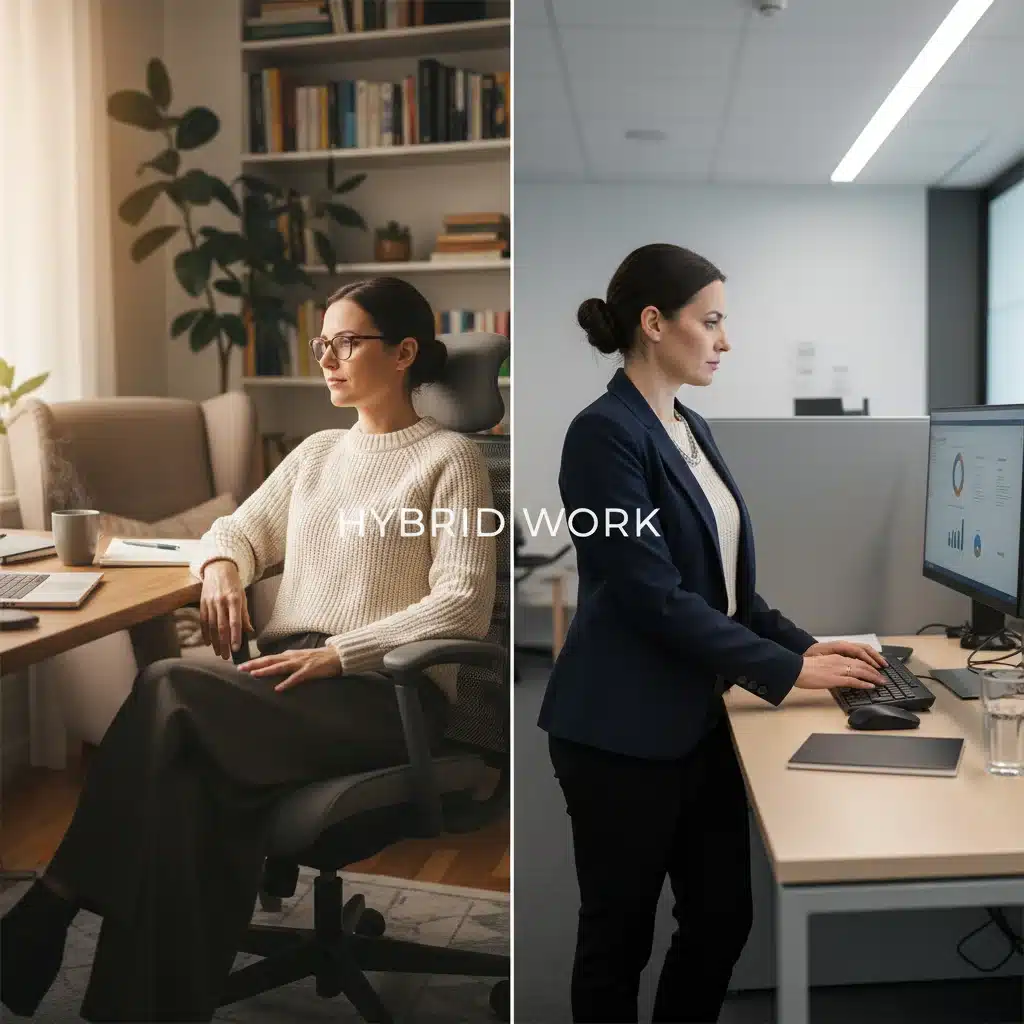
Perhaps the most significant overarching change in US Workwear Trends for 2026 is the absolute necessity for versatility. With the widespread adoption of hybrid work models – splitting time between home, office, and co-working spaces – professionals need clothing that can seamlessly transition across different environments and levels of formality throughout the day or week.
The Power of Separates: Mix and Match Mastery
The days of rigid matching suits are largely over. The modern professional wardrobe is built on a foundation of high-quality separates that can be mixed and matched to create a multitude of outfits. A tailored blazer can be paired with dress trousers for an important meeting, then swapped for dark wash jeans for a casual Friday or a home office day. A versatile knit top works equally well under a cardigan for a virtual call or tucked into a skirt for an in-person presentation. This modular approach maximizes wardrobe utility and minimizes waste, a key aspect of evolving US Workwear Trends.
Transitional Pieces: Day-to-Evening, Home-to-Office
Garments that easily transition between different settings are highly prized. This includes dresses that can be dressed up with accessories and heels for an evening event or worn with flats and a cardigan for a regular workday. Outerwear that is both stylish and functional, like a trench coat or a sophisticated bomber jacket, can elevate any outfit and provide protection from the elements. The emphasis is on pieces that are inherently adaptable, reducing the need for multiple specialized wardrobes.
The Blurring of Lines: Business Casual Redefined
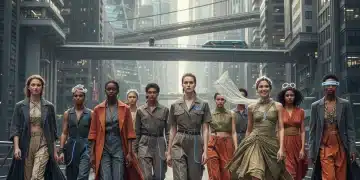
The definition of ‘business casual’ has expanded dramatically. While a crisp shirt and smart trousers remain staples, they are now complemented by elevated knitwear, stylish polo shirts, dark-wash tailored denim, and even sophisticated jumpsuits. The key is intentionality – even casual pieces are chosen for their quality, fit, and ability to project a professional image. This redefined business casual allows for greater personal expression while maintaining an appropriate level of professionalism, a cornerstone of current US Workwear Trends.
The Impact on Professional Identity and Corporate Culture
These adaptations in US Workwear Trends are not just about aesthetics; they reflect deeper changes in professional identity and corporate culture. The shift towards comfort and versatility signals a greater emphasis on employee well-being and autonomy. When employees feel comfortable and confident in what they wear, it can positively impact their productivity and job satisfaction. Furthermore, the focus on sustainability aligns with growing corporate social responsibility initiatives, allowing companies to project an image of ethical and forward-thinking values.
The hybrid work model has also necessitated a more inclusive approach to dress codes. Companies are moving away from rigid rules towards guidelines that empower employees to make appropriate choices based on their roles, tasks, and the specific context of their work. This flexibility fosters a more diverse and accepting workplace culture, recognizing that professionalism can be expressed in various ways. The modern professional is no longer confined to a uniform but is encouraged to express their individual style within professional boundaries, reflecting a more human-centric approach to work.
Looking Ahead: Future Evolutions in US Workwear
While these four adaptations define US Workwear Trends for 2026, the evolution of professional attire is an ongoing process. We can anticipate further innovations in smart textiles, with clothing potentially offering integrated health monitoring or even adaptive color-changing properties. The push for hyper-personalization, driven by AI and 3D printing, could lead to custom-fitted workwear tailored precisely to individual needs and preferences, reducing waste and enhancing comfort.
The intersection of fashion and technology will continue to deepen, offering solutions that make our work lives more seamless. Imagine a future where your work jacket not only keeps you comfortable but also acts as a secure digital wallet, or where your shoes provide real-time feedback on your posture. The emphasis on ethical and sustainable practices will only grow stronger, pushing brands towards even more innovative circular models and transparent supply chains. As global challenges persist, the resilience and adaptability of our clothing choices will become increasingly important.
Moreover, as the nature of work itself continues to evolve, with new industries emerging and traditional roles transforming, workwear will mirror these changes. The lines between formal and informal, work and leisure, will likely continue to blur, leading to even more versatile and multi-functional garments. The professional wardrobe of the future will be less about strict rules and more about smart, adaptable solutions that empower individuals to navigate their diverse professional landscapes with confidence and ease. Keeping an eye on these emerging US Workwear Trends will be essential for staying ahead.
Conclusion: Dressing for Success in a Dynamic Era
The landscape of US workwear fashion in 2026 is a testament to our ability to adapt and innovate in the face of profound change. The four key adaptations – elevated comfort, unwavering commitment to sustainability, subtle integration of technology, and paramount versatility – are not mere fleeting trends but fundamental shifts that redefine what it means to dress for success in the modern era. Professionals are no longer sacrificing comfort for style or ethics for convenience; instead, they are demanding and receiving clothing that offers all these elements in a harmonious blend.
For individuals, understanding these US Workwear Trends means building a wardrobe that is not only stylish and professional but also supports well-being, reflects personal values, and adapts effortlessly to the demands of hybrid work. For businesses, it means recognizing the importance of flexible dress codes and supporting sustainable practices that resonate with a conscious workforce. As we continue to navigate the complexities of the new normal, our workwear will remain a powerful tool for expressing professionalism, embracing comfort, and contributing to a more sustainable and connected future.