Mastering Color Theory: Your 2026 Wardrobe Style Guide

Welcome to the ultimate guide to mastering wardrobe color theory for your 2026 style! In an ever-evolving fashion landscape, understanding how colors interact and, more importantly, how they interact with *you* can be the secret weapon to unlocking a truly exceptional personal style. This comprehensive guide will take you on a journey through the fascinating world of color, helping you choose hues that not only look fantastic but also enhance your natural beauty and boost your confidence. Forget fleeting trends; by embracing wardrobe color theory, you’ll build a timeless and versatile wardrobe that serves you for years to come.
We all have those moments standing in front of our closets, feeling like we have nothing to wear despite a mountain of clothes. Often, the culprit isn’t a lack of options but a lack of cohesion. This is where wardrobe color theory steps in. It’s not just about what colors are ‘in’ for 2026; it’s about understanding the foundational principles that make colors work together and, crucially, work *for you*. By the end of this article, you’ll have a step-by-step framework to analyze your personal coloring, identify your most flattering shades, and construct a wardrobe that feels effortlessly chic and authentically ‘you’.
Let’s embark on this colorful adventure together and transform your approach to fashion!
Advertisements
The Fundamentals of Wardrobe Color Theory: Beyond the Basics
Before we dive into personal application, it’s essential to grasp the core concepts of wardrobe color theory. Think of it as the grammar of style – once you understand the rules, you can break them creatively. Color theory in fashion is built upon the same principles as art and design, focusing on the color wheel, color harmonies, and the psychological impact of different hues.
Understanding the Color Wheel in Fashion
The color wheel is your foundational tool. It organizes colors into primary (red, yellow, blue), secondary (orange, green, violet), and tertiary colors. Knowing their positions helps you understand relationships:
- Primary Colors: The building blocks. In fashion, these are bold and can be used as statement pieces.
- Secondary Colors: Created by mixing two primaries. They offer a slightly softer but still distinct presence.
- Tertiary Colors: A mix of a primary and a secondary. These tend to be more nuanced and sophisticated.
Beyond the basic wheel, we consider:
- Warm Colors: Reds, oranges, yellows. These tend to evoke energy, passion, and warmth.
- Cool Colors: Blues, greens, purples. These often convey calmness, serenity, and professionalism.
- Neutral Colors: Black, white, grey, brown, navy, beige, cream. These are the workhorses of any wardrobe, providing balance and allowing other colors to shine. Mastering how to use neutrals effectively is key to a versatile wardrobe color theory approach.
Color Harmonies: Creating Cohesive Outfits
The magic of wardrobe color theory truly shines when you apply color harmonies. These are proven combinations that are aesthetically pleasing:
- Monochromatic: Using different shades, tints, and tones of a single color. This creates a sophisticated, elongated, and elegant look. For example, a light blue shirt with a navy skirt and a medium blue jacket.
- Analogous: Combining colors that are next to each other on the color wheel (e.g., blue, blue-green, green). This creates a harmonious, natural, and often serene aesthetic.
- Complementary: Pairing colors directly opposite each other on the color wheel (e.g., red and green, blue and orange). These combinations offer high contrast and vibrancy, creating a dynamic and energetic look. Use them carefully to avoid overwhelming your outfit; often, one color acts as an accent.
- Triadic: Using three colors evenly spaced on the color wheel (e.g., red, yellow, blue). This creates a bold, balanced, and vibrant scheme. Like complementary colors, use one dominant color and the others as accents.
- Split-Complementary: Similar to complementary, but instead of using the direct opposite, you use the two colors adjacent to the opposite. For example, with blue, instead of orange, you’d use yellow-orange and red-orange. This offers a less jarring contrast than true complementary colors while still maintaining visual interest.
Understanding these harmonies is crucial for building a cohesive and stylish 2026 wardrobe. They allow you to mix and match with confidence, ensuring your outfits always look intentional and polished.
Step-by-Step Guide to Personal Color Analysis for Your 2026 Wardrobe
Now, let’s get personal. The most impactful aspect of wardrobe color theory for individuals is understanding your unique coloring. This isn’t about rigid rules but about identifying which colors make your skin glow, your eyes sparkle, and your overall appearance more vibrant. This process often involves determining your skin’s undertone, seasonal color palette, and personal contrast levels.
1. Identify Your Skin’s Undertone
Your skin’s undertone is the subtle color beneath the surface, and it doesn’t change with tanning. It’s either warm, cool, or neutral. This is perhaps the single most important factor in determining your best colors for your 2026 wardrobe.
The Vein Test:
- Look at the veins on the inside of your wrist in natural light.
- If they appear blue or purple, you likely have a cool undertone.
- If they appear green, you likely have a warm undertone.
- If you can’t tell if they are blue or green, or they appear a mix, you likely have a neutral undertone.
The Jewelry Test:
- Hold silver jewelry against your skin, then gold jewelry.
- If silver makes your skin look more radiant and healthy, you likely have a cool undertone.
- If gold makes your skin look better, you likely have a warm undertone.
- If both look good, you might have a neutral undertone.
The White/Off-White Test:
- Hold a pure white piece of clothing or paper next to your bare face in natural light. Then do the same with an off-white or cream item.
- If pure white brightens your face, you likely have a cool undertone.
- If off-white or cream makes your skin look healthier, you likely have a warm undertone.
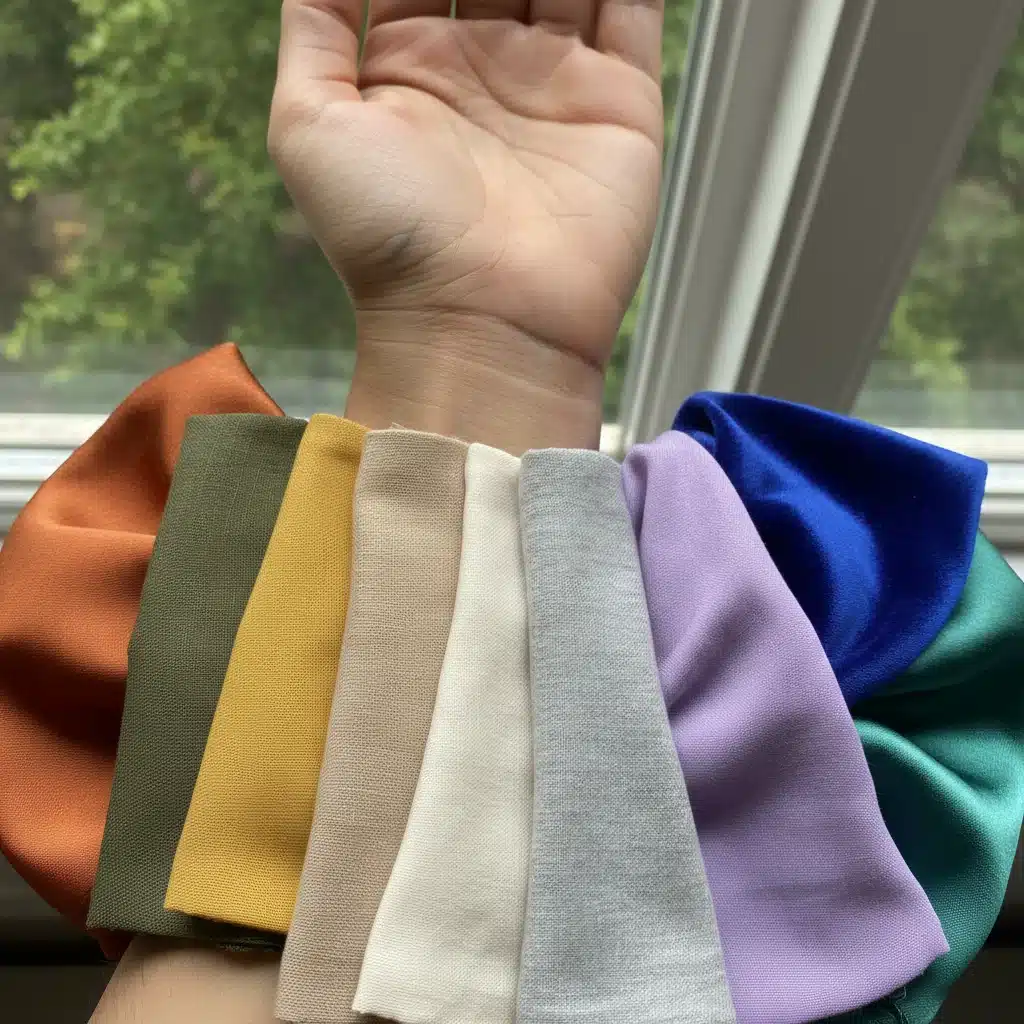
Once you’ve determined your undertone, you have a powerful tool for applying wardrobe color theory. Cool undertones generally shine in cool colors (blues, greens, purples, true reds, fuchsia), while warm undertones thrive in warm colors (yellows, oranges, olive greens, earthy browns, coral, warm reds). Neutral undertones have the flexibility to wear a wider range of both warm and cool shades.
2. Discover Your Seasonal Color Palette
Building on undertones, the seasonal color analysis system (Spring, Summer, Autumn, Winter) provides a more nuanced approach to wardrobe color theory. Each season corresponds to a specific set of characteristics related to hue, value (lightness/darkness), and chroma (saturation/brightness).
- Spring (Warm & Light): People with warm undertones, light hair (blonde, light brown, red with golden tones), and often light eyes. Best colors are bright, clear, and warm like peach, coral, light green, golden yellow, turquoise.
- Summer (Cool & Muted): People with cool undertones, often ash-blonde or light to medium brown hair, and soft eyes (blue, grey, hazel). Best colors are soft, muted, and cool like dusty rose, periwinkle, slate blue, mint green, lavender.
- Autumn (Warm & Deep): People with warm undertones, rich hair colors (auburn, dark brown, golden blonde), and often warm eyes (brown, hazel, deep green). Best colors are rich, earthy, and warm like olive green, rust, mustard yellow, deep teal, terracotta.
- Winter (Cool & Clear/Deep): People with cool undertones, often dark hair (black, dark brown, platinum blonde) and striking eyes (ice blue, dark brown, emerald green). Best colors are clear, intense, and cool like true red, royal blue, emerald green, fuchsia, pure white, black.
You can find many online quizzes and professional stylists who can help you determine your season. Understanding your seasonal palette provides a comprehensive roadmap for selecting clothing, accessories, and even makeup that harmonizes with your natural features, making your 2026 wardrobe truly shine.
3. Consider Your Personal Contrast Level
Beyond undertone and season, your personal contrast level plays a significant role in applying wardrobe color theory. This refers to the difference between your hair, skin, and eye color.
- High Contrast: Dark hair, fair skin, and light eyes (e.g., Snow White). You look best in outfits with high contrast, like black and white, or bold complementary colors.
- Medium Contrast: Medium hair, medium skin, or a subtle difference between hair, skin, and eyes. You can pull off moderate contrast outfits.
- Low Contrast: Little difference between hair, skin, and eye color (e.g., blonde hair, fair skin, light eyes). You shine in monochromatic or analogous color schemes, where colors blend softly.
Matching your outfit’s contrast level to your personal contrast level ensures that your clothes don’t overpower or wash out your features. This is a subtle yet powerful aspect of wardrobe color theory that many overlook.
Building Your 2026 Wardrobe with Intentional Color Choices
Now that you’ve analyzed your personal coloring, it’s time to apply this knowledge to build a smart, stylish, and cohesive 2026 wardrobe. This isn’t about throwing out everything you own but about making informed choices for future purchases and styling your current items more effectively.
Phase 1: Curating Your Core Colors
Start by identifying your core neutral colors and a few accent colors based on your personal color analysis. These will form the foundation of your 2026 wardrobe.
- Your Best Neutrals: Everyone benefits from a set of flattering neutrals. For cool undertones, black, charcoal grey, navy, and pure white are excellent. For warm undertones, brown, camel, olive green, cream, and off-white work beautifully. Neutral undertones can often wear a mix. These neutrals will be the backbone of your outfits, allowing you to mix and match effortlessly.
- Your Power Accent Colors: Choose 2-4 accent colors from your seasonal palette that make you feel fantastic. These are the colors that truly make your eyes pop or your skin glow. They’ll be used for blouses, scarves, accessories, or statement pieces.
Phase 2: Integrating Color into Your Existing Wardrobe
Before buying new, reassess what you already own. Go through your closet and categorize items by color. Identify pieces that align with your new understanding of wardrobe color theory and those that don’t. You don’t have to discard everything that isn’t ‘perfect’; sometimes, a less-than-ideal color can be worn away from your face (e.g., trousers, skirts) or balanced with a flattering scarf or accessory.
Phase 3: Smart Shopping for Your 2026 Wardrobe
Armed with your personal color palette, shopping becomes a much more efficient and enjoyable experience. You’ll know exactly what to look for and what to avoid, saving time and money on purchases that don’t serve your style.
- The ‘Hold Up to Your Face’ Test: When shopping, always hold a potential purchase up to your bare face in good lighting. Does it make you look vibrant or washed out?
- Build a Cohesive Capsule: Focus on buying pieces that can be mixed and matched with multiple items already in your wardrobe, particularly within your chosen color scheme. This is the essence of a functional 2026 wardrobe based on wardrob”e color theory.
- Invest in Your Best Colors: For staple items like coats, dresses, or blouses that are worn close to your face, invest in your absolute best colors.
Beyond the Clothes: Applying Color Theory to Accessories and Makeup
Wardrobe color theory extends beyond just your clothing. Accessories and makeup are powerful tools to enhance your overall look and bring cohesion to your style.
Accessorizing with Color
Accessories are a fantastic way to introduce your best colors, especially if your main outfit is in a neutral or a color that isn’t your absolute best. A scarf in your power color, a handbag that complements your outfit using an analogous or complementary scheme, or jewelry that matches your undertone (silver for cool, gold for warm) can elevate an entire look. For 2026, consider how bold, colorful accessories can refresh classic neutral outfits.
Makeup and Hair Color
Your makeup and hair color choices are an extension of your personal color palette. For makeup:
- Foundation/Concealer: Should always match your undertone.
- Blush/Lipstick: Cool undertones look great in berry, fuchsia, and cool reds. Warm undertones shine in peach, coral, and warm reds.
- Eyeshadow: Can be chosen to complement your eye color or to harmonize with your overall seasonal palette.
For hair color, it’s crucial to choose a shade that aligns with your undertone and overall seasonal type. A hair color that clashes with your undertone can make your skin look sallow or dull, regardless of how well you apply wardrobe color theory to your clothes.
The Psychological Impact of Color in Your 2026 Wardrobe
Colors don’t just affect how you look; they also affect how you feel and how others perceive you. This psychological aspect is an integral part of wardrobe color theory.
- Red: Power, passion, energy, confidence. Wear red when you want to make a statement or feel bold.
- Blue: Trust, stability, calm, professionalism. Ideal for business meetings or situations where you want to convey reliability.
- Yellow: Joy, optimism, creativity, warmth. Great for lifting spirits and expressing a cheerful personality.
- Green: Growth, nature, balance, freshness. Often associated with harmony and renewal.
- Purple: Luxury, creativity, wisdom, royalty. Can add a touch of sophistication and mystery.
- Black: Sophistication, authority, elegance, formality. A classic for a reason, but can also be perceived as unapproachable if overused.
- White: Purity, cleanliness, simplicity, fresh starts. Perfect for conveying a crisp, modern aesthetic.
- Grey: Balance, neutrality, professionalism. A versatile neutral that can be paired with almost anything.
By consciously choosing colors based on their psychological impact, you can further enhance your personal brand and communicate your intentions through your 2026 wardrobe. This strategic use of color is a hallmark of truly masterful wardrobe color theory application.
Maintaining a Cohesive and Evolving Wardrobe
Understanding wardrobe color theory isn’t a one-time event; it’s a continuous journey of refinement and personal growth. Fashion evolves, and so do you. Here are some tips for maintaining a cohesive and evolving wardrobe:
Regular Wardrobe Audits
Periodically review your closet. Remove items that no longer fit your personal color palette or your current style. This keeps your wardrobe fresh and functional, ensuring that every piece aligns with your wardrobe color theory principles.
Experiment with New Color Combinations
Once you understand the rules, you can creatively break them. Don’t be afraid to experiment with unexpected color combinations, perhaps using a bold accessory to introduce a new hue or mixing different textures within a monochromatic scheme. The goal is to make wardrobe color theory work *for you*, not to restrict you.
Stay Inspired, But Stay True to You
Look to fashion magazines, social media, and street style for inspiration, but always filter it through your personal color analysis. A trend might look fantastic on a model, but if it clashes with your undertone or contrast level, it won’t have the same effect on you. Adapt trends to fit your unique coloring rather than blindly following them.
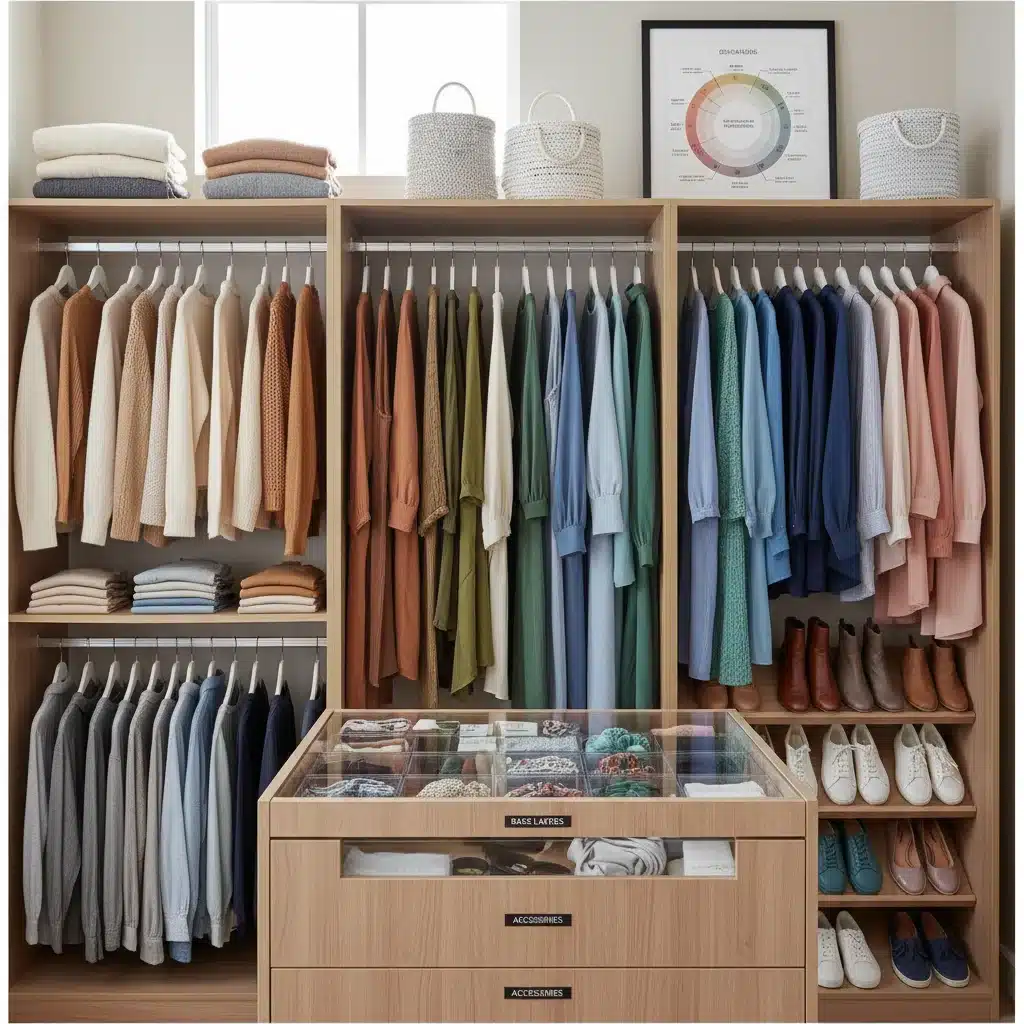
For 2026, the emphasis in fashion is on individuality and conscious consumption. By applying wardrobe color theory, you’re not just choosing pretty colors; you’re building a sustainable, timeless wardrobe that celebrates who you are. This approach empowers you to create outfits that are not only aesthetically pleasing but also deeply personal and confidence-boosting.
Conclusion: Your Vibrant 2026 Wardrobe Awaits
Congratulations! You’ve navigated the intricate yet rewarding world of wardrobe color theory. From understanding the basics of the color wheel and harmonies to conducting a personal color analysis and building a cohesive 2026 wardrobe, you now possess the knowledge to transform your style.
Remember, the goal is not perfection but intentionality. By understanding your unique coloring and the power of color, you can make informed decisions that enhance your natural beauty, boost your confidence, and create a wardrobe that truly reflects your authentic self. Your 2026 wardrobe will no longer be a source of frustration but a wellspring of creative expression and effortless style.
Embrace the vibrant possibilities that wardrobe color theory offers, and step into 2026 with a renewed sense of style and self-assurance. Happy styling!