Digital Fashion 2026: US Consumer Adoption & Virtual Wardrobes
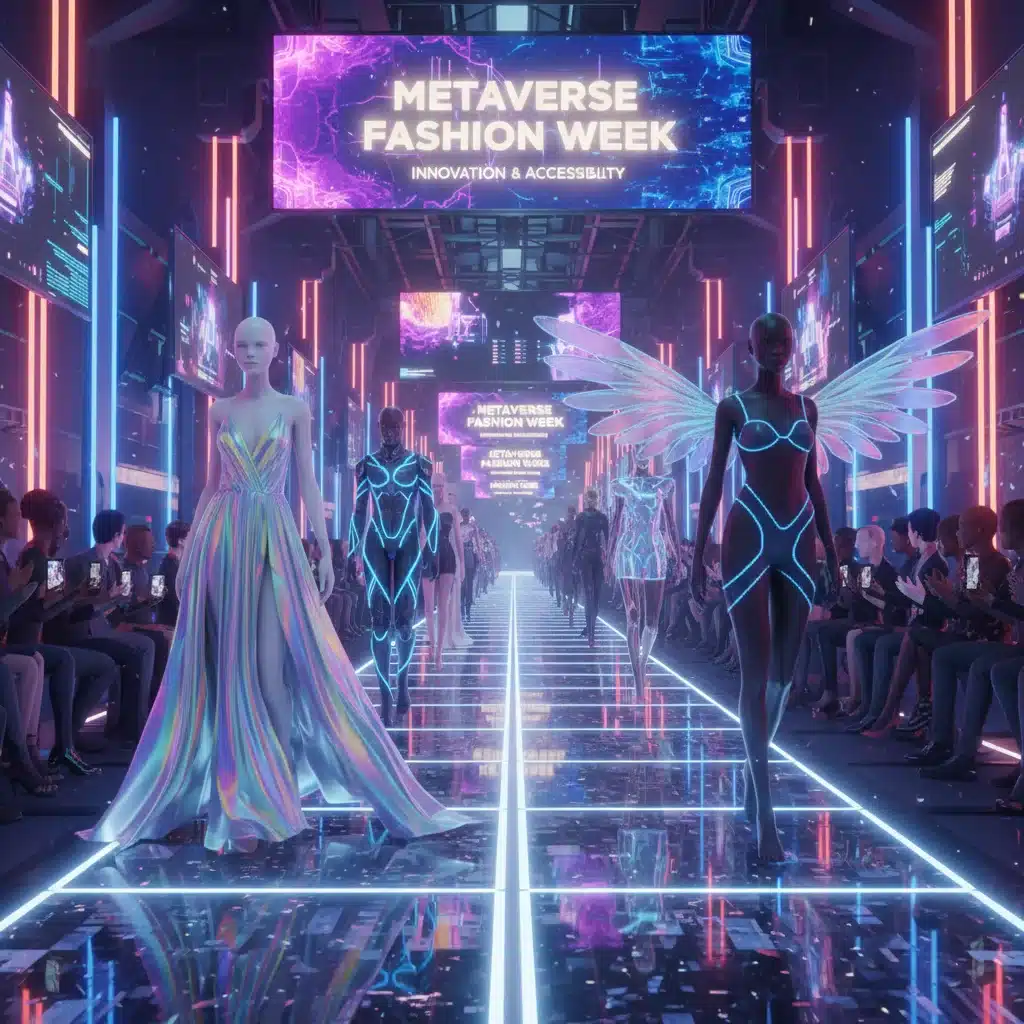
The Rise of Digital Fashion: A 2026 Analysis of US Consumer Adoption and Virtual Wardrobe Integration
The fashion landscape is undergoing a seismic shift, propelled by technological advancements and evolving consumer behaviors. As we hurtle towards 2026, the concept of digital fashion is no longer a niche curiosity but a burgeoning industry poised for mainstream acceptance. This comprehensive analysis delves into the intricate dynamics of US consumer adoption of digital fashion and the transformative integration of virtual wardrobes, offering a detailed comparison and insightful predictions for the years to come. The era of owning purely physical garments is being complemented, and in some virtual spaces, supplanted, by the allure and utility of digital attire. Understanding this pivotal trend is crucial for brands, creators, and consumers alike.
The acceleration of the metaverse, NFTs, and augmented reality (AR) technologies has laid a fertile ground for digital fashion to flourish. What once seemed like a futuristic fantasy is now an accessible reality for a growing segment of the US population. From luxury brands experimenting with virtual collections to independent designers finding new avenues for expression, the ecosystem supporting digital fashion adoption is expanding rapidly. Our focus here is to dissect the drivers behind this adoption, the current state of virtual wardrobe integration, and the anticipated trajectory as we approach the mid-point of the decade. The implications are profound, touching upon sustainability, self-expression, and the very definition of ownership in the digital age.
Understanding Digital Fashion Adoption in the US
The journey of digital fashion from concept to widespread acceptance is multifaceted. In the US, several factors are converging to accelerate digital fashion adoption. Primarily, the increasing familiarity with digital assets and virtual environments among younger demographics, particularly Gen Z and Alpha, plays a significant role. These digital natives are comfortable expressing themselves online, and digital clothing offers a novel, often more affordable, and environmentally conscious way to do so. The cultural shift towards online identity being as significant as, if not more important than, offline identity, is a powerful catalyst.
Advertisements
Furthermore, the pandemic-induced surge in online activities and remote work inadvertently primed a broader audience for digital interactions, including those involving virtual avatars and digital goods. As people spent more time in virtual spaces, the desire to personalize their digital presence grew, creating a natural demand for virtual attire. This isn’t just about gaming; it extends to social media, virtual meetings, and emerging metaverse platforms where an individual’s appearance can significantly impact their digital persona. The concept of ‘dressing up’ for a virtual event or a social media post with a unique digital garment is gaining traction, signaling a fundamental change in how we perceive and consume fashion.
Economic factors also contribute to the rising digital fashion adoption. While some high-end digital pieces can command premium prices, many digital garments offer a more accessible entry point into high fashion or unique designs compared to their physical counterparts. This democratization of style allows consumers to experiment with trends, express creativity, and engage with brands in ways that might be financially or logistically impossible in the physical realm. Moreover, the inherent sustainability aspect of digital fashion – reducing material waste, water consumption, and carbon footprint associated with physical production – resonates strongly with an increasingly eco-conscious consumer base. This ethical dimension is a powerful motivator for many embracing digital fashion.
The Evolution of Virtual Wardrobes by 2026
Virtual wardrobes are at the heart of the digital fashion revolution. By 2026, we anticipate a significant evolution in how US consumers manage and utilize their digital clothing collections. Initially, virtual wardrobes might have been disparate collections of skins in different games or platforms. However, the future points towards more integrated, interoperable, and sophisticated systems. Imagine a single virtual wardrobe where your digital assets can be seamlessly transferred and utilized across various metaverse platforms, social media, and AR applications. This interoperability is a critical hurdle, but significant progress is being made by tech companies and fashion brands collaborating on open standards and cross-platform compatibility.
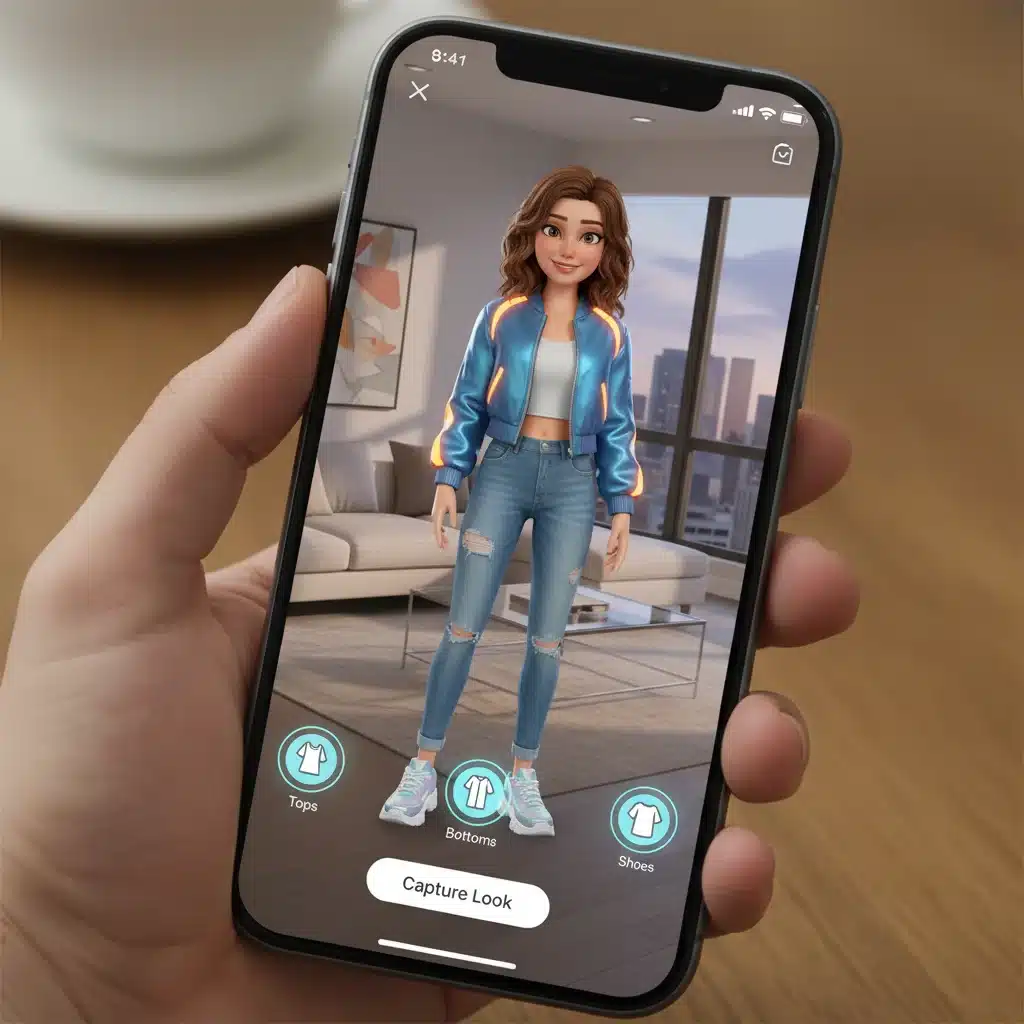
The functionality of virtual wardrobes will extend beyond mere display. We will see advanced features like virtual try-on experiences powered by AR, allowing users to ‘wear’ digital garments on their physical bodies through their smartphone cameras before purchasing. This enhances the shopping experience, reduces returns, and blurs the lines between the digital and physical. Furthermore, AI-driven styling assistants will become common, offering personalized recommendations based on a user’s digital fashion preferences, past purchases, and even their mood. These intelligent systems will make managing a virtual wardrobe as intuitive and engaging as curating a physical one, if not more so.
The concept of ‘digital ownership’ through NFTs (Non-Fungible Tokens) is also profoundly shaping virtual wardrobes. NFTs provide verifiable proof of ownership for unique digital garments, creating scarcity and value similar to physical luxury items. This enables a secondary market for digital fashion, allowing consumers to trade, sell, or even lend their digital pieces. The ability to truly own a digital asset, rather than merely license its use, is a powerful draw for collectors and fashion enthusiasts. By 2026, NFT-backed digital fashion will be a well-established segment, driving both innovation and investment in the virtual wardrobe space. The security and transparency offered by blockchain technology underpin this new paradigm of ownership.
Comparison: Digital vs. Physical Fashion Consumption
A crucial aspect of understanding digital fashion adoption is to compare it directly with traditional physical fashion consumption. While digital fashion is unlikely to entirely replace physical clothing in the foreseeable future, it is undeniably carving out its own distinct space and influencing consumer choices. The primary differentiator lies in utility and purpose. Physical fashion serves practical needs – protection, comfort, and tangible self-expression in the real world. Digital fashion, conversely, thrives in virtual spaces, fulfilling needs related to online identity, gaming, social media presence, and metaverse interactions. It’s about projecting an image in a digital realm where physical constraints do not apply.
From a consumption perspective, digital fashion often boasts a faster design and production cycle. Trends can emerge and be distributed almost instantaneously, allowing for unparalleled responsiveness to cultural shifts. This agility contrasts with the often lengthy and resource-intensive supply chains of physical fashion. Furthermore, the barrier to entry for creators in digital fashion can be significantly lower, fostering a more diverse and experimental design landscape. Independent designers and digital artists can leverage platforms and tools to create and sell their collections without the overheads of manufacturing, warehousing, and physical retail. This democratizes creation and offers consumers a wider array of unique options.
Sustainability is another key point of comparison. The environmental footprint of digital fashion is significantly lower than its physical counterpart. While computing power and data storage do consume energy, the absence of material production, dyeing, shipping, and disposal drastically reduces its ecological impact. This appeals strongly to environmentally conscious consumers, offering a guilt-free way to indulge in fashion. However, it’s important to acknowledge that the energy consumption associated with blockchain technologies, particularly for NFTs, is a growing concern that the industry is actively working to address through more energy-efficient protocols. The ethical considerations around labor and working conditions, prevalent in physical fashion, are largely absent in the digital realm, shifting the focus to digital ethics and fair compensation for creators.
Key Drivers and Barriers to Widespread Digital Fashion Adoption
The acceleration of digital fashion adoption is fueled by several powerful drivers. Beyond the aforementioned demographic shifts and technological advancements, celebrity endorsement and brand investment play a significant role. When high-profile celebrities and influencers showcase digital outfits or participate in metaverse fashion events, it legitimizes the trend and introduces it to a broader audience. Similarly, established luxury fashion houses investing heavily in digital collections, virtual storefronts, and NFT drops signal confidence in the market, encouraging mainstream consumers to explore this new frontier. These endorsements act as powerful social proofs, dismantling skepticism and fostering acceptance.
However, barriers to widespread digital fashion adoption still exist. One major hurdle is the lack of universal interoperability across platforms. A digital garment purchased for one metaverse might not be usable in another, fragmenting the virtual wardrobe experience and potentially frustrating consumers. Addressing this through industry-wide standards and open protocols is paramount for seamless integration. Another challenge is the learning curve associated with new technologies like NFTs and cryptocurrency wallets, which can intimidate less tech-savvy consumers. Simplifying user interfaces and educational initiatives are crucial for broadening the user base. The perceived value of digital assets, especially for those accustomed to tangible goods, also needs to be continually communicated and reinforced. Overcoming the initial skepticism about paying for something that doesn’t physically exist is a significant psychological barrier.
Security concerns, particularly regarding digital asset ownership and potential fraud in NFT markets, also present a barrier. Building trust through robust security measures, transparent platforms, and clear consumer protection policies is essential for sustained growth. Finally, the digital divide – unequal access to high-speed internet and necessary devices – can limit participation, although this is becoming less of an issue in developed nations like the US. As technology becomes more ubiquitous and user-friendly, these barriers are expected to diminish, paving the way for even greater digital fashion adoption. The industry is actively working on solutions, recognizing that a frictionless user experience is key to mainstream success.
The Impact on Traditional Fashion Industry and Brands
The rise of digital fashion is not just a consumer trend; it’s a disruptive force reshaping the traditional fashion industry. Brands that embrace this shift are finding new revenue streams, engaging with younger audiences, and exploring innovative design possibilities. Digital fashion offers a low-risk environment for experimentation, allowing brands to test new designs, collaborations, and marketing campaigns without the high costs and environmental impact of physical production. This agility can significantly reduce waste and accelerate product development cycles. Furthermore, digital fashion extends a brand’s reach into the metaverse, opening up entirely new markets and customer segments that might not engage with traditional retail channels.
For established fashion houses, digital fashion presents both an opportunity and a challenge. Those that adapt quickly, investing in digital design capabilities, blockchain integration, and metaverse strategies, are positioning themselves as pioneers. They are leveraging their brand equity to create exclusive digital collections, virtual experiences, and NFT drops that resonate with a new generation of consumers. However, brands that fail to recognize or adapt to this shift risk being left behind. The pressure to innovate and remain relevant in a rapidly evolving digital landscape is immense. This necessitates rethinking traditional business models, supply chains, and marketing strategies to incorporate digital-first approaches.
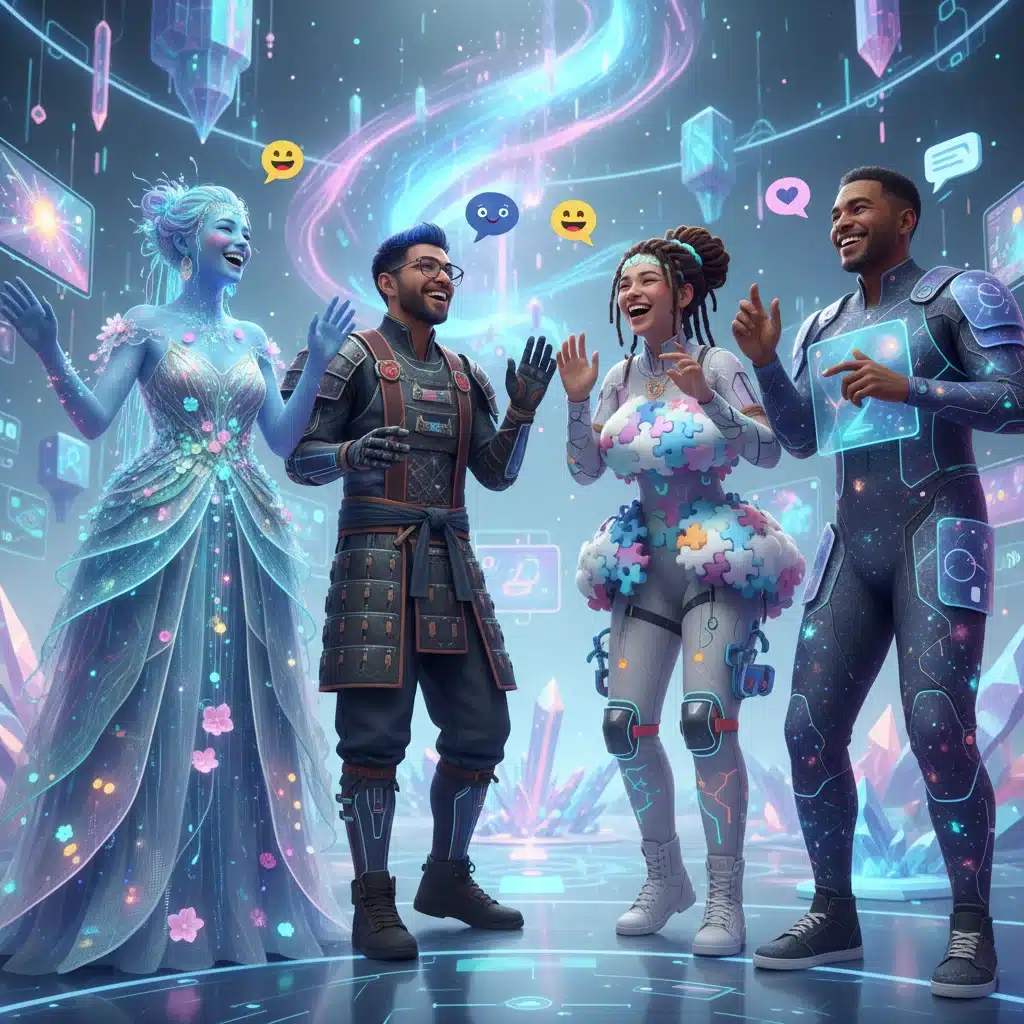
Beyond sales, digital fashion is also impacting brand storytelling and community building. Virtual events, concerts, and fashion shows in the metaverse offer immersive experiences that foster deeper connections between brands and their customers. Consumers can actively participate, interact with digital garments, and even co-create, moving beyond passive consumption to active engagement. This creates highly loyal and passionate communities around digital fashion brands. The ability to express brand values through sustainable digital practices also enhances brand reputation and appeals to a socially conscious consumer base. The long-term impact will likely see a hybrid model emerge, where physical and digital fashion coexist, complementing each other to offer a holistic and immersive brand experience. The synergy between these two realms will define the future of fashion.
Future Outlook: Digital Fashion in 2026 and Beyond
Looking ahead to 2026, the trajectory for digital fashion adoption in the US is one of continued growth and sophistication. We anticipate a greater integration of digital fashion into everyday life, moving beyond novelty to become a standard component of personal expression. The interoperability challenge will likely see significant advancements, with more platforms supporting cross-chain digital assets, making virtual wardrobes truly versatile. The lines between physical and digital will continue to blur, driven by advancements in AR technology that allow for seamless overlay of digital garments onto physical environments and even real-time virtual try-ons that are indistinguishable from reality.
The creator economy within digital fashion will explode, empowering a new generation of digital designers, 3D artists, and developers. Tools and platforms will become more accessible, allowing individuals with diverse skill sets to contribute to the digital fashion ecosystem. This democratization of creation will lead to an even greater variety of styles, aesthetics, and innovative designs. Educational institutions will increasingly incorporate digital fashion design and metaverse commerce into their curricula, preparing the next wave of talent for this rapidly expanding industry. The professionalization of digital fashion will attract significant investment and foster further innovation.
Furthermore, digital fashion will play an increasingly vital role in sustainable consumption. As consumers become more aware of the environmental impact of fast fashion, the appeal of digital alternatives will grow. Brands will leverage digital fashion not just for revenue, but as a powerful statement of their commitment to sustainability, using virtual collections to showcase ethical practices and reduce physical waste. The concept of a ‘digital twin’ for physical garments, where consumers own both a physical and digital version, will become more common, enhancing utility and extending the lifespan of fashion pieces. By 2026, digital fashion will not merely be an alternative but an essential, innovative, and sustainable facet of the global fashion industry, profoundly influencing how we design, consume, and interact with clothing.
Conclusion
The journey of digital fashion in the US is on an accelerated path, with 2026 poised to be a pivotal year for widespread consumer adoption and virtual wardrobe integration. Driven by technological innovation, shifting consumer behaviors, and a growing emphasis on sustainability, digital fashion is redefining the boundaries of style and self-expression. While challenges such as interoperability and user education remain, the industry is rapidly evolving to address these hurdles, paving the way for a more immersive, accessible, and environmentally conscious fashion future. Brands, designers, and consumers alike are embracing this digital transformation, recognizing its immense potential to unlock new forms of creativity, community, and commerce. The virtual wardrobe is no longer a futuristic concept but a present reality, continuously expanding its capabilities and becoming an indispensable part of our digital identities. As we move forward, the synergy between physical and digital fashion will create a richer, more dynamic landscape, fundamentally altering how we perceive and engage with what we wear, both online and off. The digital fashion revolution is here, and its impact will only continue to grow.