Top US Street Style Influencers 2026: Trends & Impact Analysis
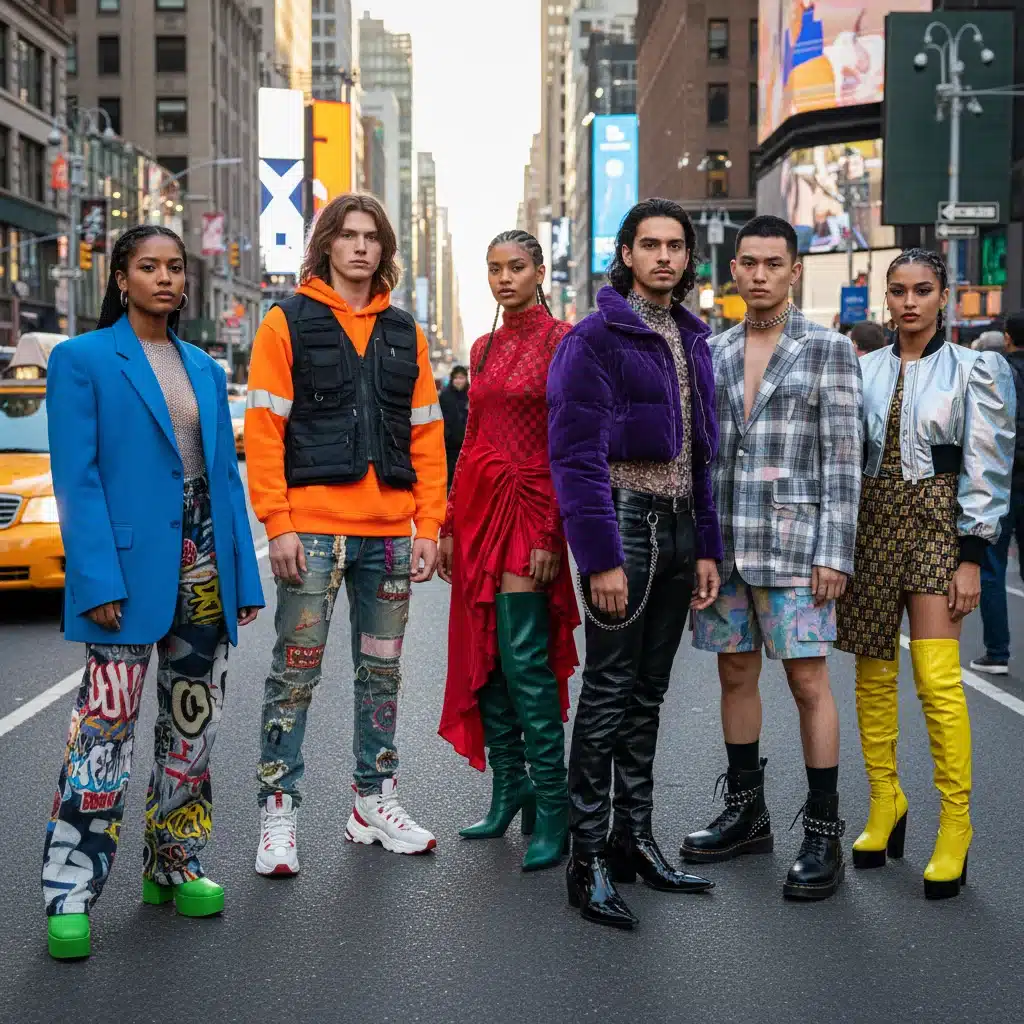
Beyond the Runway: Analyzing the Top 10 US Street Style Influencers Shaping 2026’s Trends
The fashion landscape is in a constant state of flux, ever-evolving, and perpetually reinventing itself. While haute couture and runway shows traditionally set the tone, the past decade has witnessed a dramatic shift in how trends are born and disseminated. Today, the streets are the new runways, and a powerful cohort of individuals, known as street style influencers, are the primary architects of contemporary fashion narratives. These trendsetters, with their unique aesthetics and unparalleled ability to connect with a global audience, wield immense power in dictating what’s ‘in’ and what’s ‘out’. As we fast forward to 2026, the influence of these sartorial mavens is only set to intensify, making it crucial to understand who they are, what they stand for, and how they are shaping the future of fashion.
This comprehensive analysis delves into the world of US street style influencers, identifying the top 10 personalities who are not just following trends, but actively creating them. We’ll explore their distinctive styles, their methods of engagement, and the profound impact they have on consumer behavior and the broader fashion industry. From sustainability advocates to avant-garde artists, these individuals represent a microcosm of American style – diverse, innovative, and unapologetically bold. Understanding their trajectory provides invaluable insight into the aesthetic and commercial currents that will define fashion in the coming years.
Advertisements
The Rise of Street Style Influencers: A Paradigm Shift in Fashion
For decades, fashion was a top-down industry. Designers presented collections, critics offered their verdicts, and magazines disseminated the approved trends to the masses. The internet, and subsequently social media, shattered this hierarchical structure, democratizing fashion and giving a voice to individuals outside the traditional power circles. Suddenly, anyone with a keen eye for style and a platform could become a tastemaker. This is precisely where the phenomenon of street style influencers took root.
Street style, once a niche interest for fashion photographers outside runway shows, transformed into a global spectacle. It celebrated individuality, authenticity, and the ability to interpret high fashion in real-world contexts. The early 2010s saw the rise of fashion blogs, followed by the explosive growth of Instagram, which provided the perfect visual medium for these burgeoning style icons. These fashion trendsetters weren’t just showcasing expensive designer clothes; they were mixing high and low, vintage and new, creating looks that were relatable yet aspirational. Their authenticity resonated with an audience tired of airbrushed perfection and unattainable ideals.
By 2026, the term ‘influencer’ has evolved beyond mere product placement. Today’s leading street style influencers are curators, storytellers, and often, entrepreneurs. They collaborate with brands on creative campaigns, launch their own lines, and even sit front row at fashion weeks, often commanding more attention than the celebrities themselves. Their power lies in their ability to cultivate a loyal community, fostering genuine engagement and trust. This trust translates directly into purchasing decisions, making them invaluable partners for brands looking to connect with a discerning, style-conscious demographic. The impact of these street style influencers extends beyond just clothing; they shape perceptions of beauty, lifestyle, and even cultural identity.
Methodology: Identifying the Top 10 US Street Style Influencers for 2026
Identifying the top 10 US street style influencers for 2026 requires a multi-faceted approach, moving beyond simple follower counts. While audience size is a factor, true influence is measured by engagement, trend-setting capabilities, brand collaborations, media mentions, and their ability to consistently innovate and inspire. Our methodology considers several key metrics:
- Audience Engagement Rate: Beyond raw numbers, how actively do their followers interact with their content? Likes, comments, shares, and saves are crucial indicators of genuine connection.
- Trend Origination & Adoption: Do they consistently introduce new styles, silhouettes, or combinations that are then widely adopted by their peers and the broader public?
- Brand Collaborations & Endorsements: The quality and prestige of the brands they partner with, indicating industry recognition and trust.
- Media Mentions & Features: Regular appearances in reputable fashion publications, both online and print, signify their standing within the industry.
- Personal Style Evolution: Their ability to maintain a distinct aesthetic while continually evolving and adapting to new fashion currents, showcasing longevity and creativity.
- Cultural Impact: Their role in broader cultural conversations around fashion, sustainability, diversity, and representation.
- Innovation in Content Creation: Their ability to produce high-quality, engaging visual content across various platforms, from Instagram and TikTok to personal blogs and YouTube.
By rigorously evaluating these criteria, we’ve curated a list that reflects not just popularity, but genuine, impactful influence within the dynamic world of US street style. These are the individuals who are not merely observers but active participants in shaping the fashion lexicon of tomorrow.
The Top 10 US Street Style Influencers Shaping 2026’s Trends
1. Anya Sharma: The Avant-Garde Architect
Anya Sharma has solidified her position as a leading voice in avant-garde street style. Her signature is a bold juxtaposition of architectural silhouettes with unexpected textures and deconstructed elements. Anya’s influence stems from her fearless experimentation and her ability to make high-concept fashion feel accessible and wearable. She champions emerging designers and sustainable practices, often incorporating upcycled and vintage pieces into her meticulously curated looks. In 2026, Anya is expected to further push boundaries, inspiring a generation to embrace individuality over fleeting trends. Her platform is a masterclass in creative expression, encouraging followers to view clothing as an art form.
2. Leo Chen: The Urban Minimalist
Leo Chen defines urban minimalism for the modern age. His style is characterized by clean lines, monochromatic palettes, and an emphasis on impeccable tailoring and luxurious fabrics. Leo proves that less is indeed more, showcasing how thoughtful layering and strategic accessory choices can elevate seemingly simple outfits. His influence is particularly strong among those who appreciate understated elegance and a timeless approach to fashion. For 2026, Leo is pioneering a ‘quiet luxury’ movement on the streets, demonstrating how quality and craftsmanship can speak volumes without ostentation. His content often includes styling tips on building a versatile, high-quality wardrobe.
3. Isabella Rodriguez: The Eclectic Storyteller
Isabella Rodriguez is a vibrant storyteller through her clothing. Her style is a rich tapestry of cultural references, vintage finds, and contemporary pieces, all woven together with an inimitable flair. Isabella isn’t afraid of color, print, or bold accessories, and her looks often tell a narrative, reflecting her travels, heritage, and artistic inspirations. She embodies the joy of dressing and encourages her audience to explore their own unique stories through fashion. In 2026, Isabella is a major proponent of maximalist aesthetics and conscious consumerism, advocating for unique, long-lasting pieces over fast fashion. Her influence is a celebration of diversity and personal expression.
4. Marcus Thorne: The Sustainable Sartorialist
Marcus Thorne has become the face of sustainable street style. His influence comes from his unwavering commitment to ethical fashion, showcasing how stylish and impactful clothing can be sourced responsibly. Marcus meticulously researches brands, highlights eco-friendly materials, and promotes conscious consumption, all while maintaining an effortlessly cool aesthetic. His style often blends workwear-inspired pieces with elevated casuals, always with an eye towards longevity and versatility. For 2026, Marcus is a pivotal figure in shifting consumer attitudes towards a more sustainable fashion future, proving that style doesn’t have to come at the expense of the planet. He regularly shares insights into ethical manufacturing and circular fashion.
5. Chloe Kim: The Tech-Wear Innovator
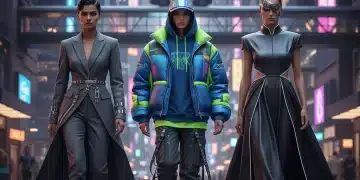
Chloe Kim is at the forefront of tech-wear and futuristic fashion, seamlessly blending high-performance fabrics with sleek, modern designs. Her aesthetic is utilitarian yet chic, often featuring innovative materials, functional details, and a monochrome or muted color palette with pops of neon. Chloe’s influence is particularly strong among the Gen Z demographic, who appreciate her forward-thinking approach and her ability to integrate technology into everyday style. In 2026, Chloe is defining the aesthetic of the metaverse generation, showing how digital and physical fashion can intertwine. Her content often explores the intersection of fashion, technology, and functionality.
6. David ‘Dapper’ Jones: The Resurrected Classicist
David Jones, affectionately known as ‘Dapper,’ is bringing classic menswear into the 21st century with a fresh, street-infused twist. His style is characterized by impeccable tailoring, vintage sportswear, and a masterful use of accessories, from fedoras to statement eyewear. Dapper’s influence lies in his ability to make traditional garments feel relevant and exciting, appealing to both seasoned fashion enthusiasts and younger audiences. He champions the art of dressing up, even for casual occasions. For 2026, David is inspiring a resurgence of refined dressing, proving that elegance and street credibility are not mutually exclusive. He often shares tips on vintage sourcing and tailoring.
7. Sofia Vargas: The Bohemian Rhapsody
Sofia Vargas embodies a modern bohemian spirit, blending artisanal crafts, flowing silhouettes, and natural textures with contemporary elements. Her style is effortlessly chic, imbued with a sense of wanderlust and artistic freedom. Sofia’s influence comes from her ability to create unique, layered looks that feel both grounded and ethereal. She often incorporates handmade jewelry, embroidered textiles, and global influences into her ensembles. In 2026, Sofia is a key figure in the slow fashion movement, advocating for craftsmanship and individuality over mass-produced trends. Her aesthetic celebrates artistic expression and connection to nature.
8. Ethan Blake: The Gender-Fluid Maverick
Ethan Blake is a trailblazer in gender-fluid fashion, challenging traditional sartorial norms and inspiring a more inclusive approach to dressing. His style is bold, experimental, and transcends conventional gender boundaries, often featuring oversized silhouettes, unexpected pairings, and a playful approach to makeup and hair. Ethan’s influence is profound, fostering a community that celebrates self-expression and authenticity. For 2026, Ethan is at the forefront of the gender-neutral fashion movement, encouraging individuals to wear what makes them feel powerful and confident, irrespective of societal expectations. His platform is a beacon for diversity and self-acceptance.
9. Maya Singh: The Global Fusionist
Maya Singh’s style is a vibrant fusion of global aesthetics, blending traditional Indian textiles, African prints, and East Asian silhouettes with contemporary Western fashion. Her looks are always rich in color, texture, and cultural narrative, reflecting her diverse background and travels. Maya’s influence stems from her ability to seamlessly integrate different cultural elements into cohesive, stunning outfits, promoting a broader understanding and appreciation of global fashion. In 2026, Maya is a leading voice for cultural appreciation in fashion, demonstrating how clothing can be a powerful tool for connection and storytelling. She educates her audience on the origins and significance of various textiles and designs.
10. Noah Peterson: The Deconstructed Prep
Noah Peterson offers a fresh take on classic preppy style, deconstructing traditional elements and infusing them with an edgy, contemporary vibe. Think oversized blazers paired with distressed denim, classic knitwear layered over graphic tees, and polished loafers worn with unexpected socks. Noah’s influence is in his ability to make ‘preppy’ feel cool and relevant to a younger generation, bridging the gap between heritage aesthetics and modern street culture. For 2026, Noah is redefining smart-casual, showing how to blend formality with a rebellious spirit. His style encourages playful experimentation within established sartorial codes.
The Impact of Street Style Influencers on 2026 Fashion Trends
The collective influence of these fashion influencers extends far beyond individual outfits. They are powerful catalysts for broader industry shifts:
Democratization of Fashion
Street style influencers continue to break down the elitist barriers of high fashion. By showcasing diverse body types, ethnicities, and socio-economic backgrounds, they make fashion more inclusive and relatable. Their ability to mix high-end pieces with affordable finds empowers their audience to experiment with style without feeling pressured to conform to unattainable standards. This democratization will only deepen by 2026, with more diverse voices rising to prominence and challenging traditional beauty ideals.
Acceleration of Trend Cycles
While traditional trend cycles used to span seasons, street style influencers, armed with instant publishing platforms, can accelerate this process dramatically. A look spotted on an influencer today can be replicated and trending globally within days. This rapid dissemination means brands must be more agile and responsive, often drawing inspiration directly from street style rather than solely from runway presentations. The speed of trend adoption will continue to increase, putting pressure on both designers and consumers to keep pace.
Emphasis on Authenticity and Personal Style
In an age of curated perfection, street style influencers thrive on authenticity. Their followers connect with their genuine passion for fashion, their willingness to experiment, and their candid portrayal of their lives. This emphasis on personal style over generic trends encourages individuals to develop their own unique aesthetic, moving away from mass conformity. By 2026, personal branding through style will be more crucial than ever, with influencers leading the charge in celebrating individuality.
Driving Sustainable and Ethical Fashion Conversations
Many of the leading street style influencers are leveraging their platforms to advocate for more sustainable and ethical practices within the fashion industry. By showcasing vintage, upcycled, and responsibly sourced garments, they are educating their audience on the environmental and social impact of their clothing choices. This movement towards conscious consumption is gaining significant traction and will be a defining characteristic of fashion in 2026. Influencers like Marcus Thorne and Sofia Vargas are pivotal in this educational endeavor, making sustainable choices both aspirational and attainable.
Direct-to-Consumer (DTC) Brand Growth
Street style influencers are instrumental in the success of many direct-to-consumer brands. Their ability to showcase products in real-life settings, coupled with their genuine endorsements, builds trust and drives sales without the need for traditional retail channels. This symbiotic relationship between influencers and DTC brands will continue to flourish, empowering smaller, independent labels to reach a global audience and challenge established players. The authenticity of these collaborations often resonates more deeply with consumers than traditional advertising.
The Future of Fashion Content Creation
As technology advances, so too will the methods of content creation. By 2026, we can expect street style influencers to heavily utilize augmented reality (AR), virtual reality (VR), and AI-powered tools to enhance their storytelling. Imagine virtual try-ons, interactive styling sessions, and immersive digital fashion experiences. These innovations will further blur the lines between the physical and digital fashion worlds, creating new avenues for engagement and monetization. The visual storytelling will become even more sophisticated and personalized.
Challenges and the Evolving Role of Street Style Influencers
While their influence is undeniable, street style influencers also face challenges. The saturated market demands constant innovation and differentiation. Maintaining authenticity amidst commercial pressures is a perpetual balancing act. Furthermore, as the industry becomes more aware of issues like cultural appropriation and greenwashing, influencers are increasingly expected to be knowledgeable and responsible advocates.
By 2026, the role of a street style influencer will expand beyond mere fashion showcasing. They will be expected to be thought leaders, community builders, and ethical consumers. Their platforms will serve as educational hubs, fostering dialogue around critical industry issues. The most successful influencers will be those who can adapt to these evolving expectations, maintaining their unique voice while contributing meaningfully to a more responsible and inclusive fashion ecosystem.
The landscape will also see a greater emphasis on micro-influencers and nano-influencers, individuals with smaller but highly engaged and niche audiences. These smaller creators often boast even higher engagement rates and are perceived as more trustworthy, making them valuable partners for targeted campaigns. This decentralization of influence means that while the top 10 will continue to command significant attention, a broader array of voices will contribute to the street style narrative.
Conclusion: The Enduring Power of Street Style
The top 10 US street style influencers for 2026 are not just fashion plates; they are cultural architects, shaping not only what we wear but also how we perceive style, individuality, and consumption. From Anya Sharma’s avant-garde visions to Marcus Thorne’s sustainable advocacy, these individuals embody the diverse and dynamic spirit of American fashion. Their ability to connect, inspire, and innovate ensures that street style will remain a powerful force, driving trends and challenging conventions for years to come.
As we look to 2026, the power of the street will continue to challenge and redefine traditional fashion hierarchies. These influencers will be at the forefront, pushing boundaries, fostering authenticity, and ensuring that fashion remains a vibrant, accessible, and ever-evolving form of self-expression. Their impact underscores a fundamental truth: true style originates not just on the runway, but in the everyday confidence and creativity of individuals who dare to dress differently.
The evolution of these street style influencers reflects a broader societal shift towards personalization and authenticity. They offer a refreshing alternative to traditional celebrity endorsements, providing a more relatable and trustworthy source of inspiration. Their continued ascent signifies a permanent change in the fashion power structure, where individual voices, amplified by digital platforms, hold unprecedented sway. The future of fashion, as dictated by the streets, is exciting, inclusive, and endlessly innovative.