Gender-Fluid Fashion 2026: Breaking Traditional Style Barriers
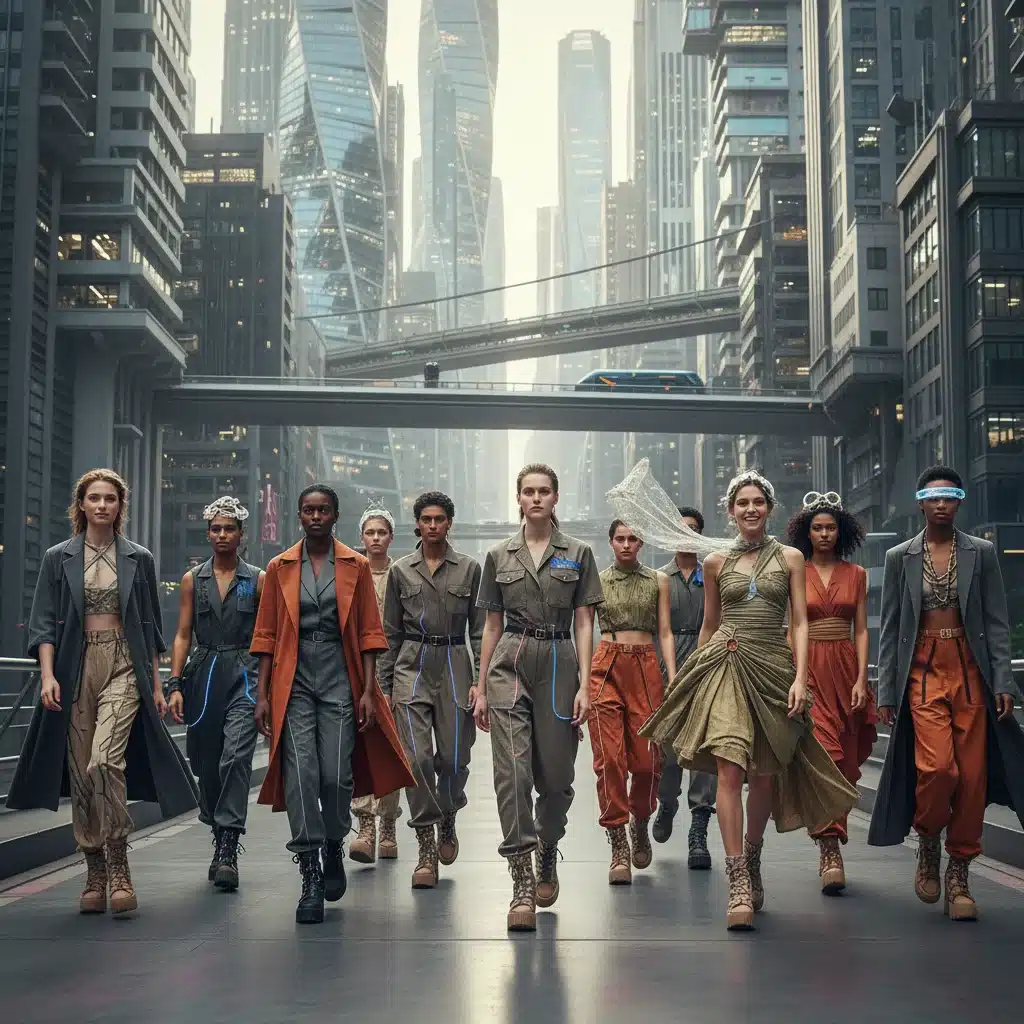
The fashion landscape is constantly evolving, reflecting societal shifts and individual expressions. As we look towards 2026, one of the most compelling and transformative movements is the rise of gender-fluid fashion trends. This isn’t just a fleeting moment; it’s a profound redefinition of style, breaking down archaic boundaries and embracing a spectrum of identities. Gone are the days when clothing was strictly categorized by gender; today, fashion is a powerful tool for self-expression, unbound by traditional norms.
For centuries, clothing has been a primary signifier of gender, dictating what was deemed ‘appropriate’ for men and women. Dresses for women, suits for men – these were the unspoken rules. However, the last few decades have seen a slow but steady erosion of these rigid codes. The 21st century, particularly in the wake of increased awareness around gender identity and inclusivity, has accelerated this shift dramatically. Designers, consumers, and influencers are collectively pushing for a more expansive and inclusive approach to dressing, where personal style triumphs over prescribed gender roles.
The beauty of gender-fluid fashion trends lies in its inherent versatility and liberation. It’s about creating garments that can be worn and interpreted by anyone, regardless of their gender identity. It champions comfort, individuality, and a departure from the binary. This article will delve into three key gender-fluid fashion trends that are poised to dominate the style scene in 2026, offering insights into their origins, characteristics, and impact on the future of fashion. Prepare to explore a world where creativity knows no bounds and personal expression reigns supreme.
The Rise of Deconstructed Tailoring and Oversized Silhouettes
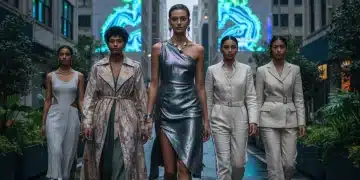
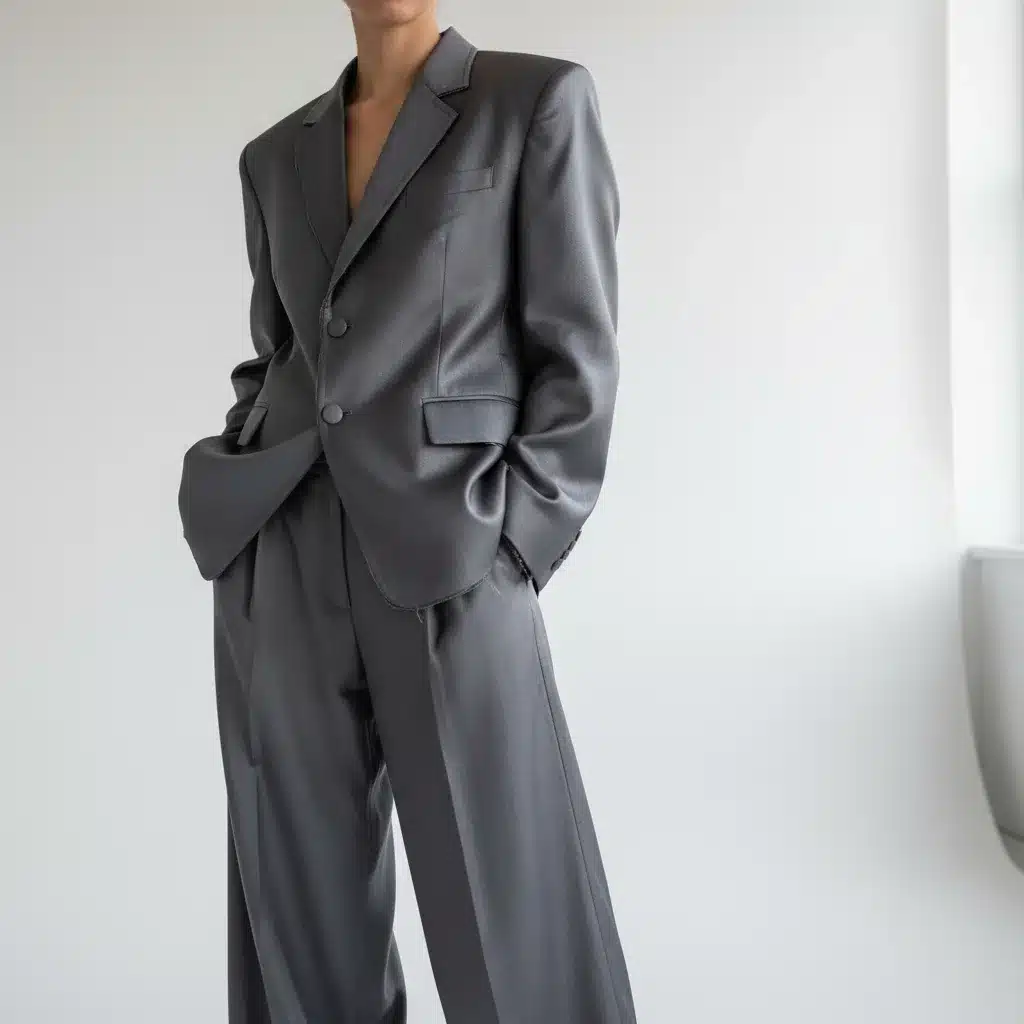
One of the most prominent gender-fluid fashion trends emerging for 2026 is the widespread adoption of deconstructed tailoring and oversized silhouettes. This trend moves away from the restrictive, form-fitting garments that once defined gendered fashion, opting instead for comfort, fluidity, and an effortlessly chic aesthetic. Think blazers with exaggerated shoulders, wide-leg trousers that drape elegantly, and shirts designed to be worn loose and flowing.
Advertisements
Breaking Down the Binary with Structure and Flow
Deconstructed tailoring involves taking traditional garment structures and reimagining them. Seams might be exposed, lapels softened, or unexpected cut-outs introduced. The result is a piece that retains the sophistication of classic tailoring but with an added edge of rebelliousness and individuality. This approach allows garments to adapt to various body types and personal styles, making them inherently gender-neutral. An oversized blazer, for instance, can be styled in myriad ways – cinched at the waist, worn open over a dress, or paired with tailored trousers – making it a versatile staple for anyone.
The appeal of oversized silhouettes is multifaceted. Firstly, it prioritizes comfort, a growing demand in post-pandemic fashion. Secondly, it blurs the lines of traditional body shapes, allowing individuals to define their form through their clothing rather than being defined by it. A voluminous trench coat or a billowy tunic offers a sense of anonymity and empowerment, shifting the focus from body shape to overall aesthetic and personal style. This trend encourages layering and experimentation, inviting wearers to play with proportions and textures in ways that were once considered unconventional.
Key Elements of Deconstructed Tailoring and Oversized Silhouettes:
- Exaggerated Shoulders: Blazers, jackets, and coats featuring prominent, often padded, shoulders create a powerful and confident silhouette, regardless of the wearer’s gender.
- Wide-Leg Trousers: A staple of this trend, offering both comfort and sophistication. They can be high-waisted, pleated, or flow freely, pairing well with both casual and formal tops.
- Asymmetrical Cuts: Hems, collars, and closures that defy symmetry add an artistic and modern touch, enhancing the deconstructed feel.
- Draping Fabrics: Materials like Tencel, modal, and soft wool blends that fall naturally and create beautiful movement are favored for their ability to enhance the fluidity of oversized garments.
- Layering Potential: The generous proportions of these pieces make them ideal for creative layering, allowing individuals to build complex and personalized outfits.
This trend is not just about aesthetics; it’s a statement. It challenges the notion that clothing must conform to a specific body type or gender, instead celebrating the freedom to choose garments that resonate with one’s inner self. As we move into 2026, expect to see these relaxed yet refined styles dominating runways, high streets, and personal wardrobes, solidifying their place as a cornerstone of gender-fluid fashion trends.
Utility and Workwear Reimagined for All
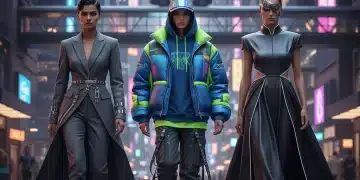
The utilitarian aesthetic, deeply rooted in functional workwear, is another powerful force shaping gender-fluid fashion trends for 2026. Historically associated with masculine labor and practicality, these styles are being reinterpreted with a focus on inclusivity, versatility, and contemporary design. Think jumpsuits, cargo pants, utility vests, and multi-pocketed garments that blend rugged durability with modern sophistication.
From Function to Fashion-Forward
The appeal of utility wear lies in its inherent practicality and no-nonsense attitude. However, contemporary designers are elevating these pieces beyond mere function. Fabrics are becoming more refined, cuts are being tailored for a broader range of body types, and details are being enhanced for aesthetic appeal. The result is clothing that is not only durable and comfortable but also stylish and adaptable to various occasions.
Jumpsuits, for example, have transcended their industrial origins to become a chic, one-and-done outfit solution for anyone. Available in a multitude of fabrics – from sturdy denim to luxurious linen – and cuts, they offer a streamlined silhouette that can be dressed up or down. Similarly, cargo pants, once a casual staple, are now appearing in elevated materials like silk blends or technical fabrics, paired with blazers or elegant tops, blurring the lines between casual and formal, masculine and feminine.
Embracing Practicality with Style:
- Versatile Jumpsuits and Overalls: Offered in various materials and fits, these pieces provide a complete, gender-neutral look that can be accessorized to suit any personal style.
- Elevated Cargo Pants: Moving beyond traditional cotton, cargo pants are now seen in refined fabrics, often with strategic pocket placement and tailored fits, making them suitable for diverse settings.
- Utility Vests and Jackets: Featuring multiple pockets and durable construction, these items add a layer of practical style, perfect for layering over simple tops or under heavier coats.
- Durable Fabrics: Organic cotton, ripstop nylon, and sustainable denim are key materials, emphasizing longevity and a connection to the environment.
- Neutral Color Palettes with Pops of Color: Earthy tones, olives, navies, and greys form the foundation, often punctuated by vibrant accessories or subtle color blocking.
This trend speaks to a desire for clothing that works hard and looks good, without being confined by gendered expectations. It’s about celebrating strength, resilience, and adaptability in style. As 2026 approaches, the reimagined utility and workwear aesthetic will continue to be a significant player in the evolution of gender-fluid fashion trends, proving that practicality and high fashion can indeed coexist harmoniously.
Harmonious Blending of Traditionally Gendered Aesthetics
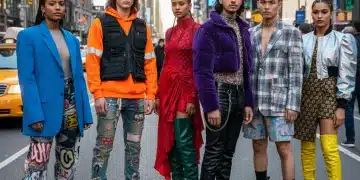
Perhaps the most exciting and truly transformative aspect of gender-fluid fashion trends for 2026 is the harmonious blending of aesthetics traditionally assigned to specific genders. This trend isn’t about simply wearing ‘men’s’ clothes as a woman, or vice-versa; it’s about consciously combining elements from both realms to create something entirely new and uniquely expressive. It’s the sophisticated fusion of ‘masculine’ sharpness with ‘feminine’ fluidity, creating a rich tapestry of style that defies easy categorization.
The Art of Juxtaposition and Balance
This trend thrives on juxtaposition. Imagine a person wearing a beautifully tailored, structured blazer (traditionally masculine) over a delicate, flowing silk slip dress (traditionally feminine), paired with chunky combat boots. Or consider the elegance of a pearl necklace adorning a rugged denim jacket, or a pleated skirt styled with a crisp, oversized button-down shirt and a tie. The magic happens in these unexpected combinations, where the interplay of textures, forms, and connotations creates a compelling visual narrative.
Designers are increasingly presenting collections where traditionally ‘feminine’ details like ruffles, lace, and embellishments appear on garments typically associated with menswear, such as suits or trench coats. Conversely, ‘masculine’ elements like sharp tailoring, heavy fabrics, and military-inspired details are being incorporated into dresses, skirts, and blouses. This intentional blurring of lines encourages individuals to explore the full spectrum of fashion, picking and choosing elements that resonate with their personal aesthetic, rather than being limited by societal expectations.
Manifestations of Blended Aesthetics:
- Soft-Hard Contrast: Pairing delicate fabrics and silhouettes (e.g., sheer tops, satin skirts) with robust materials and structured pieces (e.g., leather jackets, heavy boots).
- Embellished Masculine Silhouettes: Suits, trousers, and shirts adorned with embroidery, sequins, or delicate prints, adding a touch of ‘feminine’ artistry.
- Structured Feminine Forms: Dresses and skirts crafted from stiffer, more architectural fabrics, or featuring sharp, tailored lines, borrowing from ‘masculine’ construction.
- Androgynous Accessories: Jewelry, bags, and footwear designed to complement any outfit, often blending classic elegance with modern edge. Pearls on chains, minimalist leather goods, and versatile footwear like loafers or sleek sneakers are key.
- Gender-Neutral Fragrances: The move towards scents that defy traditional ‘male’ or ‘female’ classifications, emphasizing personal preference over gendered marketing.
This blending is not just about aesthetics; it’s a powerful statement about identity. It affirms that style is a personal journey, and that gender should not be a barrier to self-expression. As we move further into 2026, this harmonious fusion will become increasingly sophisticated, offering endless possibilities for individuals to curate a wardrobe that truly reflects who they are, making it a cornerstone of future gender-fluid fashion trends.
The Broader Impact of Gender-Fluid Fashion
The ascendancy of gender-fluid fashion trends extends far beyond mere clothing choices; it represents a significant cultural shift with profound implications for society, industry, and individual well-being. This movement is not just about what we wear, but about how we perceive identity, challenge norms, and foster a more inclusive world. Its impact resonates across various sectors, from retail and marketing to personal psychology and social discourse.
Reshaping the Fashion Industry
For the fashion industry, gender-fluidity is prompting a fundamental re-evaluation of design, production, and retail strategies. Brands are increasingly designing collections that are inherently gender-neutral, focusing on universal appeal rather than binary categorization. This means more flexible sizing, adaptable silhouettes, and marketing campaigns that feature diverse models and narratives. Retail spaces are also evolving, with many stores moving away from ‘men’s’ and ‘women’s’ sections in favor of more integrated displays, or even dedicated gender-neutral zones.
The shift also impacts supply chains and sustainability. By creating versatile garments that appeal to a broader demographic, brands can potentially reduce excess inventory associated with gender-specific lines, contributing to more sustainable practices. Furthermore, the emphasis on quality, durability, and timeless design – hallmarks of many gender-fluid pieces – encourages a ‘buy less, buy better’ philosophy, counteracting fast fashion’s environmental toll.
Empowering Individual Expression and Identity
At its core, gender-fluid fashion is about empowerment. It gives individuals the freedom to express themselves authentically, unconstrained by societal expectations of how a ‘man’ or ‘woman’ should dress. For many, this is a deeply liberating experience, allowing them to align their external presentation with their internal sense of self. It fosters a greater sense of confidence, well-being, and self-acceptance.
This freedom extends to experimentation. People are encouraged to play with different styles, colors, and textures, discovering what truly makes them feel comfortable and confident. It’s a move away from prescriptive fashion rules towards a more intuitive and personal approach to dressing. This fosters creativity and diversity in personal style, leading to a richer and more varied fashion landscape.
Challenging Societal Norms and Promoting Inclusivity
The visibility of gender-fluid fashion trends in mainstream media, on runways, and in everyday life plays a crucial role in challenging entrenched societal norms. It normalizes diverse gender expressions and helps to dismantle harmful stereotypes. By presenting clothing as a tool for personal identity rather than a marker of biological sex, it contributes to a broader cultural conversation about gender, identity, and equality.
This inclusivity is vital for marginalized communities, particularly non-binary and transgender individuals, who often struggle to find clothing that truly represents them. Gender-fluid fashion offers a sense of belonging and validation, creating spaces where everyone can feel seen and celebrated. It teaches us that true style is about authenticity, not conformity.
The Future Outlook: Beyond 2026
As we look beyond 2026, the trajectory of gender-fluid fashion is clear: it will continue to grow and evolve, becoming increasingly integrated into the fabric of mainstream style. We can anticipate even greater innovation in design, materials, and retail experiences. The conversation will likely deepen, moving beyond just clothing to encompass beauty, grooming, and lifestyle products that cater to a truly inclusive audience.
The future of fashion is not about erasing gender but about expanding its definition. It’s about creating a world where everyone has the freedom to dress in a way that feels authentic and empowering, without judgment or limitation. The gender-fluid fashion trends of 2026 are not just trends; they are harbingers of a more open, creative, and accepting world, one stitch at a time.
Conclusion: Embracing a Fluid Future of Style
The evolution of fashion is a mirror to society’s progress, and the ascent of gender-fluid fashion trends for 2026 is a testament to our collective journey towards greater inclusivity, self-expression, and authenticity. We’ve explored three pivotal trends – deconstructed tailoring with oversized silhouettes, utility and workwear reimagined for all, and the harmonious blending of traditionally gendered aesthetics – each contributing to a more expansive and liberated approach to dressing.
These trends are more than just new styles; they represent a fundamental shift in how we perceive and interact with clothing. They challenge the binary, prioritize comfort and individuality, and celebrate the rich tapestry of human identity. From the flowing lines of an oversized coat to the practical elegance of a jumpsuit, and the artful juxtaposition of ‘masculine’ and ‘feminine’ elements, the future of fashion is vibrant, versatile, and wonderfully undefined.
As consumers, we have an unprecedented opportunity to embrace this fluidity, to experiment with our personal style, and to support brands that champion these inclusive values. The power of fashion lies not just in its ability to adorn but in its capacity to empower, to communicate, and to foster a world where everyone feels seen, valued, and free to express their true selves. So, as 2026 approaches, step confidently into a wardrobe without boundaries, where your style is truly your own, reflecting the beautiful spectrum of who you are.