Decoding Dress Codes: Your 2026 Guide to Formal, Casual, and Everything In Between
Understanding the intricacies of dress codes can often feel like deciphering a secret language. In an ever-evolving world where fashion trends shift rapidly and social norms are constantly redefined, knowing what to wear for any given occasion is more crucial than ever. This comprehensive dress code guide for 2026 aims to demystify these sartorial expectations, empowering you to approach every event with confidence and impeccable style. From the most formal black-tie galas to the relaxed vibe of a casual brunch, we’ll break down each category, offering practical advice, essential wardrobe staples, and common pitfalls to avoid.
The importance of adhering to a dress code extends beyond mere aesthetics; it’s a sign of respect for your hosts, the occasion, and even yourself. It reflects your understanding of social etiquette and your ability to adapt to different environments. In professional settings, your attire can significantly influence perceptions of your competence and seriousness. Socially, it can dictate how comfortable and integrated you feel within a group. This guide is designed to be your go-to resource, ensuring you’re always appropriately dressed, whether you’re attending a high-stakes business meeting, a celebratory wedding, or a laid-back gathering with friends.
We live in a time where personal expression is celebrated, but certain contexts still demand adherence to established conventions. Our goal is not to stifle your individuality but to provide a framework within which you can express your personal style while respecting the expectations of the event. By the end of this guide, you’ll not only know what to wear but also understand the ‘why’ behind each dress code, making you a true master of modern sartorial savvy.
Advertisements
The Foundation: Understanding Dress Code Categories
Before diving into specific examples, it’s helpful to understand the general hierarchy of dress codes. They typically range from the most formal to the most casual, with several nuanced categories in between. Grasping this spectrum is the first step in mastering any dress code guide.
1. Formal Dress Codes: Elegance and Tradition
Formal dress codes are reserved for the most significant events, often characterized by a sense of grandeur and tradition. These typically include:
- White Tie: The pinnacle of formality, white tie is rarely encountered today but signifies the highest level of elegance. Think state dinners, royal events, or very exclusive galas. For men, this means a black tailcoat, white pique waistcoat, white bow tie, starched white shirt with wing collar, black trousers with a satin stripe, and black patent leather shoes. Women wear a full-length ball gown, often with gloves and significant jewelry.
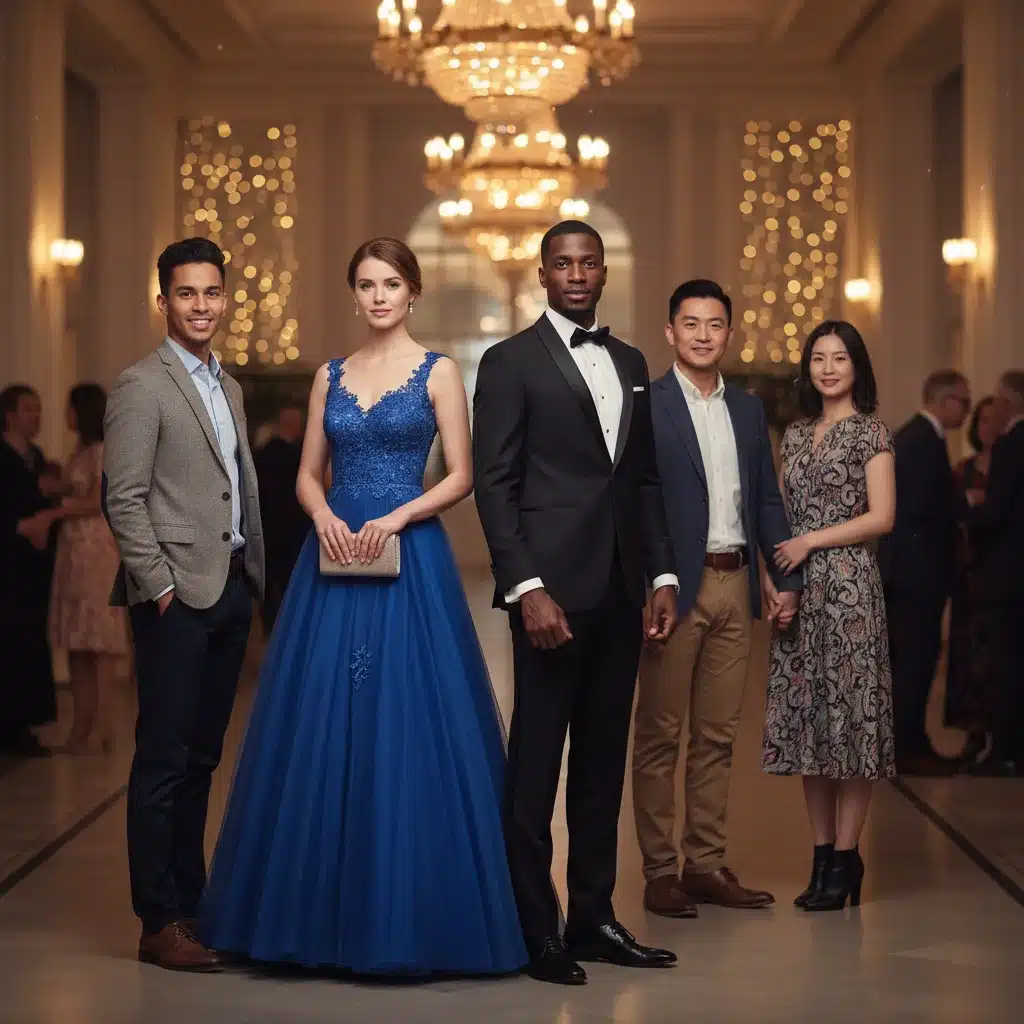
- Black Tie: The most common formal dress code, black tie is frequently requested for evening weddings, charity galas, and sophisticated parties. For men, a tuxedo (black dinner jacket, matching trousers, white dress shirt, black bow tie, cummerbund, and black patent leather shoes) is standard. Women typically wear a formal evening gown (floor-length or elegant cocktail length), sophisticated cocktail dresses, or dressy separates.
- Black Tie Optional/Creative Black Tie: These variations offer a bit more flexibility. ‘Black Tie Optional’ suggests a tuxedo is preferred but a dark suit with a tie is acceptable. ‘Creative Black Tie’ encourages personal flair within the formal framework – men might opt for a velvet jacket or a patterned bow tie, while women can experiment with more fashionable gowns, jumpsuits, or dressy separates with unique details.
2. Semi-Formal Dress Codes: Polished and Versatile
Semi-formal is a widely used category, bridging the gap between formal and casual. It requires a polished appearance without the strictness of black tie. This is where many people find themselves most often, making it a critical part of any comprehensive dress code guide.
- Cocktail Attire: A popular choice for parties, receptions, and evening events. For men, a dark suit (navy, charcoal, or black) with a dress shirt and tie is appropriate. Women typically wear a cocktail dress (knee-length to midi), a chic jumpsuit, or elegant separates. The key is sophistication and a festive feel.
- Dressy Casual: This can be a tricky one, as ‘casual’ often misleads. It means elevated casual. For men, tailored trousers or dark wash jeans with a sport coat or blazer, a collared shirt (button-down or polo), and dress shoes or stylish loafers. Women can opt for a stylish dress, a skirt and blouse combination, tailored trousers with a fashionable top, or a chic jumpsuit. Avoid sneakers, t-shirts, and overly distressed denim.
3. Business Dress Codes: Professionalism and Authority
In the professional world, your attire communicates your credibility and respect for the workplace. Business dress codes vary significantly by industry and company culture.
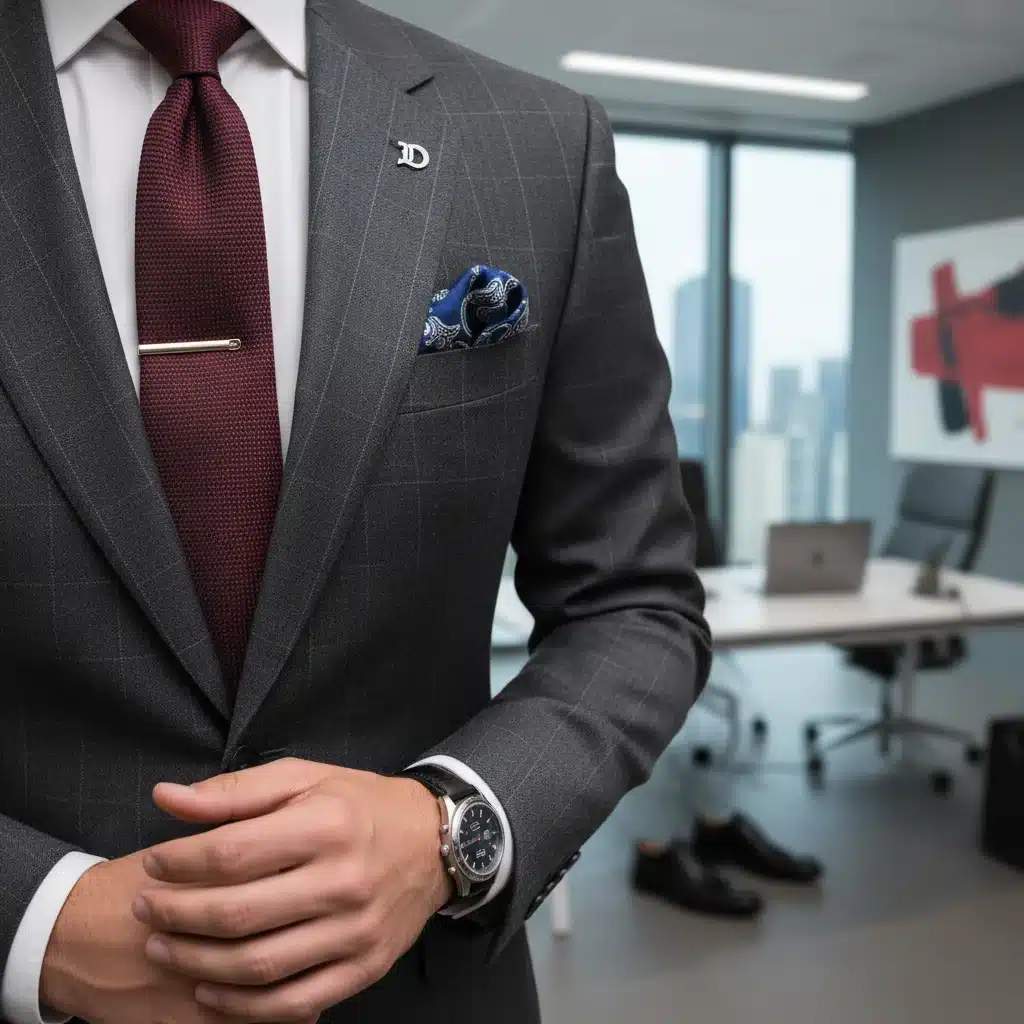
- Business Formal: Common in traditional industries like finance, law, or high-level corporate environments. Men wear a conservative suit (two- or three-piece) in navy, charcoal, or black, with a dress shirt, tie, and polished dress shoes. Women wear a tailored suit (skirt suit or pantsuit), a conservative dress with a blazer, closed-toe heels, and minimal, professional accessories.
- Business Professional: A slightly relaxed version of business formal, but still highly polished. Men might wear a suit or tailored separates (blazer with dress trousers), a dress shirt, and a tie. Women can choose a suit, a professional dress, or a skirt/trouser combination with a blouse and blazer. Heels or polished flats are appropriate.
- Business Casual: The most prevalent business dress code today, especially in tech and creative industries. This allows for comfort while maintaining a professional image. For men, tailored trousers or chinos, a collared shirt (button-down or polo), a sweater or blazer, and loafers or dress shoes. Ties are optional. Women can wear tailored trousers, skirts, dresses, blouses, sweaters, and blazers. Jeans are sometimes acceptable if dark wash and not distressed, but it’s best to check company culture.
4. Casual Dress Codes: Comfort Meets Style
Casual doesn’t mean sloppy. Even the most relaxed dress codes require a degree of thoughtfulness. This section of our dress code guide helps you navigate the spectrum of casual wear.
- Smart Casual: This is arguably the most versatile and often misunderstood dress code. It strikes a balance between relaxed and refined. For men, dark jeans or chinos, a collared shirt (polo or button-down), a stylish sweater or casual blazer, and clean sneakers, loafers, or boots. Women can opt for stylish jeans, tailored shorts, skirts, fashionable tops, casual dresses, and trendy flats, sandals, or clean sneakers. The key is to look put-together, not just comfortable.
- Casual: This is the broadest category, typically for everyday wear, informal gatherings, or activities where comfort is paramount. Think jeans, t-shirts, hoodies, shorts, and comfortable shoes. However, even here, context matters. Attending a casual barbecue is different from going to a casual dinner party at someone’s home. Always prioritize cleanliness and good repair.
- Athleisure: While technically a subset of casual, athleisure has gained enough prominence to warrant its own mention. It involves wearing athletic wear for non-athletic activities. High-quality leggings, stylish joggers, designer sneakers, and performance tops are acceptable for running errands, casual lunches, or travel, but generally not for more formal social events or most workplaces.
Decoding the Invitation: Clues and Context
Beyond the explicit mention of a dress code, invitations often contain subtle clues about what to wear. Pay attention to:
- Time of Day: Evening events are generally more formal than daytime events. A 7 PM wedding will likely require more formal attire than a 1 PM garden party.
- Venue: The location of the event is a huge indicator. A five-star hotel ballroom suggests formality, while a backyard barbecue implies casual attire. A trendy restaurant might lean towards smart casual or cocktail.
- Type of Event: A wedding is almost always more formal than a birthday party. A corporate conference will differ from a team-building retreat.
- Who is Hosting: If the host is known for a particular style, or if the event is for a specific person (e.g., a boss’s retirement party), consider their preferences and the typical expectations associated with them.
- The Wording: Sometimes the wording itself can provide hints. ‘Celebratory Drinks’ might suggest smart casual or cocktail, while ‘An Evening of Elegance’ points to black tie.
Essential Wardrobe Staples for Every Dress Code
Building a versatile wardrobe is key to mastering any dress code guide. Here are some foundational pieces that will serve you well across various categories:
For Men:
- A well-fitting dark suit: Navy or charcoal. Essential for business formal, business professional, and can be adapted for black tie optional with the right accessories.
- A versatile blazer or sport coat: Can elevate casual outfits to smart casual or dressy casual.
- Crisp dress shirts: White and light blue are must-haves.
- Quality tailored trousers: Wool or cotton in neutral colors.
- Dark wash, well-fitting jeans: For smart casual and casual occasions.
- Polished dress shoes: Black oxfords and brown loafers are excellent starting points.
- Stylish casual shoes: Clean sneakers or smart boots.
- A selection of ties and bow ties: For different levels of formality.
- A classic watch and belt: Matching leather colors is a good rule of thumb.
For Women:
- A little black dress (LBD): The ultimate versatile piece, adaptable for cocktail, semi-formal, or even dressy casual with styling.
- A tailored pantsuit or skirt suit: In a neutral color like black, navy, or gray for business formal and professional.
- A selection of blouses and dressy tops: To pair with skirts, trousers, or under blazers.
- Versatile skirts: Pencil skirts, A-line skirts, and midi skirts in various fabrics.
- Tailored trousers: Both classic straight-leg and modern wide-leg styles.
- Dark wash, well-fitting jeans: For smart casual and casual looks.
- Classic heels: Black pumps are indispensable.
- Stylish flats and sandals: For comfort and smart casual events.
- A statement necklace or earrings: To elevate simpler outfits.
- A chic handbag or clutch: To complement different levels of formality.

Common Dress Code Mistakes to Avoid
Even with the best intentions, it’s easy to make a sartorial misstep. Here are some common errors to watch out for:
- Underdressing: This is generally considered a greater offense than overdressing. When in doubt, it’s usually safer to be slightly more dressed up than underdressed. You can often ‘dress down’ an outfit by removing a jacket or tie, but it’s harder to ‘dress up’ a very casual ensemble on the spot.
- Ignoring the ‘Optional’ in Black Tie Optional: While it offers flexibility, a dark suit is the minimum. Showing up in jeans or a casual dress is still inappropriate.
- Wearing the Wrong Footwear: Sneakers, flip-flops, or overly casual sandals are almost never appropriate for anything beyond truly casual events. Always ensure your shoes are clean and in good repair.
- Forgetting About Fit: Even the most expensive clothes look bad if they don’t fit well. Ill-fitting garments can make an otherwise appropriate outfit look sloppy or unprofessional. Invest in tailoring.
- Over-Accessorizing: While accessories can elevate an outfit, too many can be distracting. Less is often more, especially in formal or business settings.
- Ignoring Personal Hygiene: This might seem obvious, but a perfectly chosen outfit can be ruined by unkempt hair, chipped nail polish, or a lack of attention to personal grooming.
- Not Considering the Weather: While not strictly a dress code, practical considerations like temperature and potential rain should influence your choices, especially for outdoor events.
The Future of Dress Codes: 2026 and Beyond
As we look towards 2026 and beyond, dress codes continue to evolve. The lines between categories are blurring, and personal expression is increasingly valued. However, the core principles of respect, context, and appropriateness remain. We’re seeing a rise in ‘comfort-first’ fashion influencing even professional attire, with more relaxed fabrics and silhouettes gaining acceptance. Sustainability and ethical fashion choices are also becoming more important, influencing consumers’ purchasing decisions and potentially shaping future dress code expectations.
The key to navigating these changes is adaptability and a strong understanding of the fundamentals. This dress code guide provides that essential foundation. Always consider the specific event, the host’s intentions, and the general environment. When in doubt, a quick search for the venue or type of event can often provide visual cues about what others typically wear.
Final Thoughts on Mastering Your Wardrobe
Mastering dress codes isn’t about rigid rules; it’s about developing an intuitive understanding of how to present yourself effectively in various situations. It’s a skill that builds confidence, enhances your professional image, and allows you to fully enjoy social occasions without the anxiety of being inappropriately dressed. By investing in a versatile wardrobe, paying attention to details, and using this dress code guide as your compass, you’ll be well-equipped to tackle any sartorial challenge that comes your way in 2026 and for years to come.
Remember, fashion is a form of communication. What you wear speaks volumes before you even utter a word. Make sure your outfit is telling the right story for every occasion. Embrace the opportunity to express yourself within the boundaries of good taste and appropriate etiquette. With these insights, you are now prepared to confidently decode any dress code and make a memorable, positive impression every single time.