Global Fashion Trends Reshaping US Style in 2026: A Deep Dive
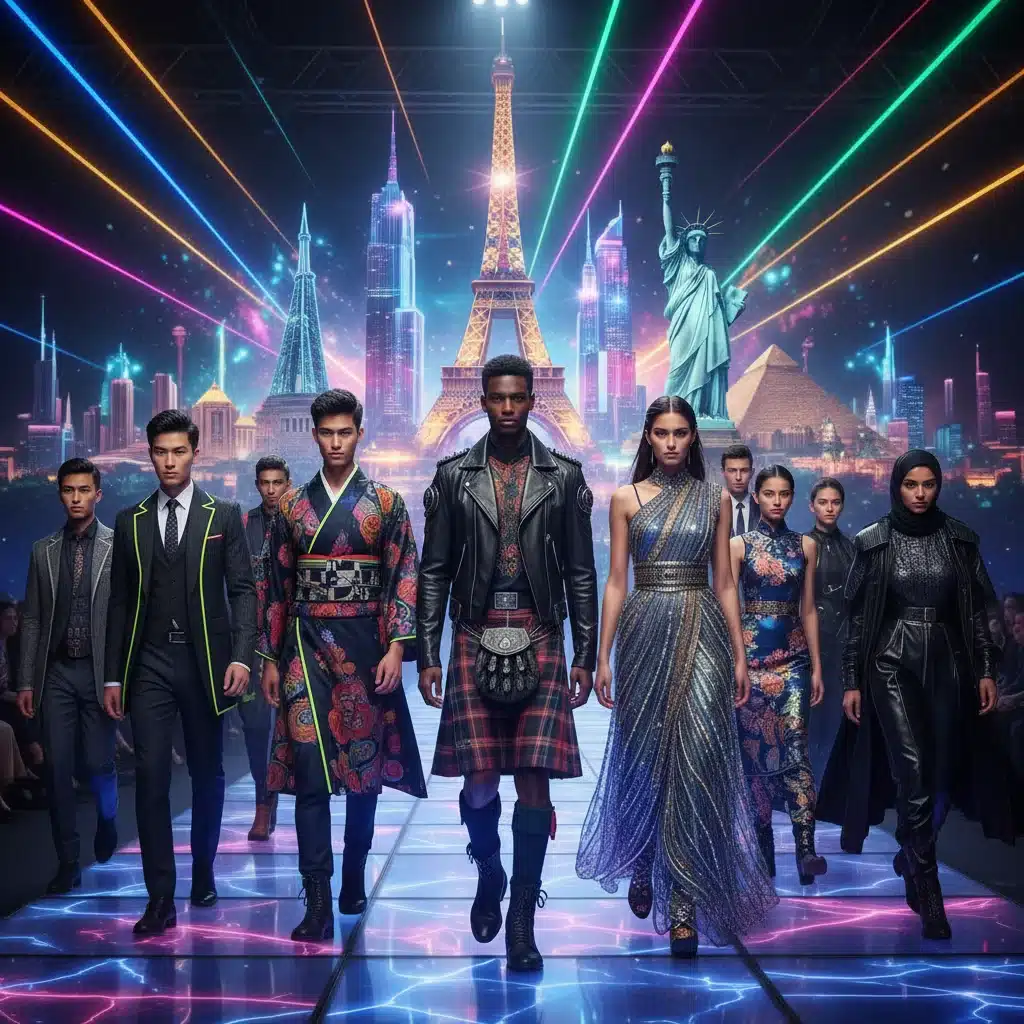
The Global Influence on US Fashion: 7 International Trends Making Waves in 2026
The fashion world is a constantly evolving tapestry, and nowhere is this more evident than in the United States. For decades, American fashion has often been perceived as a trendsetter, but in an increasingly interconnected world, the flow of inspiration is no longer unidirectional. In 2026, we are witnessing an unprecedented surge in global fashion trends profoundly reshaping US style, driving diversity, and injecting fresh perspectives into everything from haute couture to everyday streetwear. This isn’t merely about adopting foreign designs; it’s about a deeper cultural exchange that enriches the American fashion landscape, making it more vibrant, inclusive, and exciting than ever before. The influence of international aesthetics is undeniable, leading to a remarkable increase in diversity, estimated to be up by 25% across various fashion segments by 2026.
The Interconnected Wardrobe: Why Global Fashion Trends Matter
The digital age has dismantled geographical barriers, making it easier than ever for fashion enthusiasts to discover and adopt styles from around the globe. Social media platforms, international e-commerce, and global travel have created a borderless fashion ecosystem. This newfound accessibility means that a trend originating in Seoul can swiftly find its way to the streets of New York, or a traditional textile pattern from West Africa can inspire a collection shown at Milan Fashion Week. This global cross-pollination is not just a fleeting phenomenon; it’s a fundamental shift in how fashion evolves and is consumed in the US. The impact of these global fashion trends is particularly significant in 2026, as designers, retailers, and consumers alike embrace a more expansive and inclusive view of style.
Understanding these shifts is crucial for anyone involved in the fashion industry, from designers and marketers to consumers looking to stay ahead of the curve. The increasing diversity in US fashion is a direct result of this global exchange, moving away from a historically Eurocentric perspective towards a more multifaceted appreciation of beauty and design. This article will explore seven pivotal international trends that are currently making significant waves in the US, examining their origins, their impact, and what they mean for the future of American style.
Advertisements
1. The Rise of East Asian Aesthetics: K-Fashion and J-Streetwear Dominance
East Asia, particularly South Korea and Japan, has cemented its position as a powerhouse of global fashion trends. K-fashion, fueled by the global phenomenon of K-Pop, continues its meteoric rise in the US. Characterized by its playful silhouettes, gender-fluid designs, oversized fits, and meticulous attention to detail, K-fashion offers a refreshing alternative to traditional Western aesthetics. Brands like Ader Error and Gentle Monster have gained cult followings, and their influence can be seen in the adoption of pastel color palettes, technical fabrics, and innovative layering techniques across American youth culture.
Simultaneously, Japanese streetwear maintains its iconic status, evolving beyond its initial niche appeal. The emphasis on high-quality craftsmanship, unique graphic prints, and a blend of traditional Japanese motifs with modern urban sensibilities resonates deeply with US consumers seeking individuality and authenticity. Brands like BAPE, Comme des Garçons, and фрагмент (Fragment Design) continue to inspire American designers and consumers, influencing everything from sneaker culture to advanced casual wear. The integration of these East Asian aesthetics into the American mainstream is a clear indicator of how global fashion trends are diversifying US wardrobes.
2. Scandinavian Minimalism with a Twist: Functionality Meets Sustainable Chic
While Scandinavian design has long been admired for its clean lines and functional approach, in 2026, it’s experiencing a renewed surge in popularity in the US, but with a distinct twist. This isn’t just about monochrome palettes and simple silhouettes; it’s about a deeper commitment to sustainability, ethical production, and timeless pieces that defy fast-fashion cycles. Brands like Ganni, Acne Studios, and Totême are leading the charge, offering versatile, high-quality garments that prioritize comfort and longevity without sacrificing style. This movement speaks to a growing consumer demand for conscious consumption and investment in durable, well-made clothing.
The twist comes in the form of unexpected pops of color, playful textures, and a greater emphasis on individual expression within the minimalist framework. American consumers are adopting the Scandinavian philosophy of building a versatile capsule wardrobe, but are increasingly pairing these core pieces with more expressive accessories or statement items, often sourced from other international influences. This blend of practicality and personality is a powerful global fashion trend that is subtly but significantly altering American dressing habits, encouraging a more thoughtful approach to personal style and contributing to a more diverse fashion ecosystem.
3. African Prints and Silhouettes: Celebrating Heritage and Vibrancy
The rich and diverse textile traditions of Africa are finally receiving the global recognition they deserve, and their impact on US fashion in 2026 is profound. From the intricate patterns of Ankara and Kitenge fabrics to the flowing silhouettes inspired by traditional African attire, these elements are being integrated into Western designs with increasing frequency and respect. This trend is not merely about appropriation; it’s about collaboration, celebration, and a growing appreciation for the artistry and cultural significance embedded in African fashion.
American designers are collaborating with African artisans, incorporating traditional weaving techniques, embroidery, and vibrant color palettes into their collections. Consumers are embracing these bold prints and unique shapes, seeking out pieces that tell a story and offer a departure from conventional Western styles. The rise of African-inspired fashion is a powerful statement about identity, heritage, and the beauty of global diversity. It’s a testament to how global fashion trends are actively promoting inclusivity and broadening aesthetic horizons in the US, making fashion a more representative art form.
4. Latin American Craftsmanship: Artisanal Details and Bohemian Flair
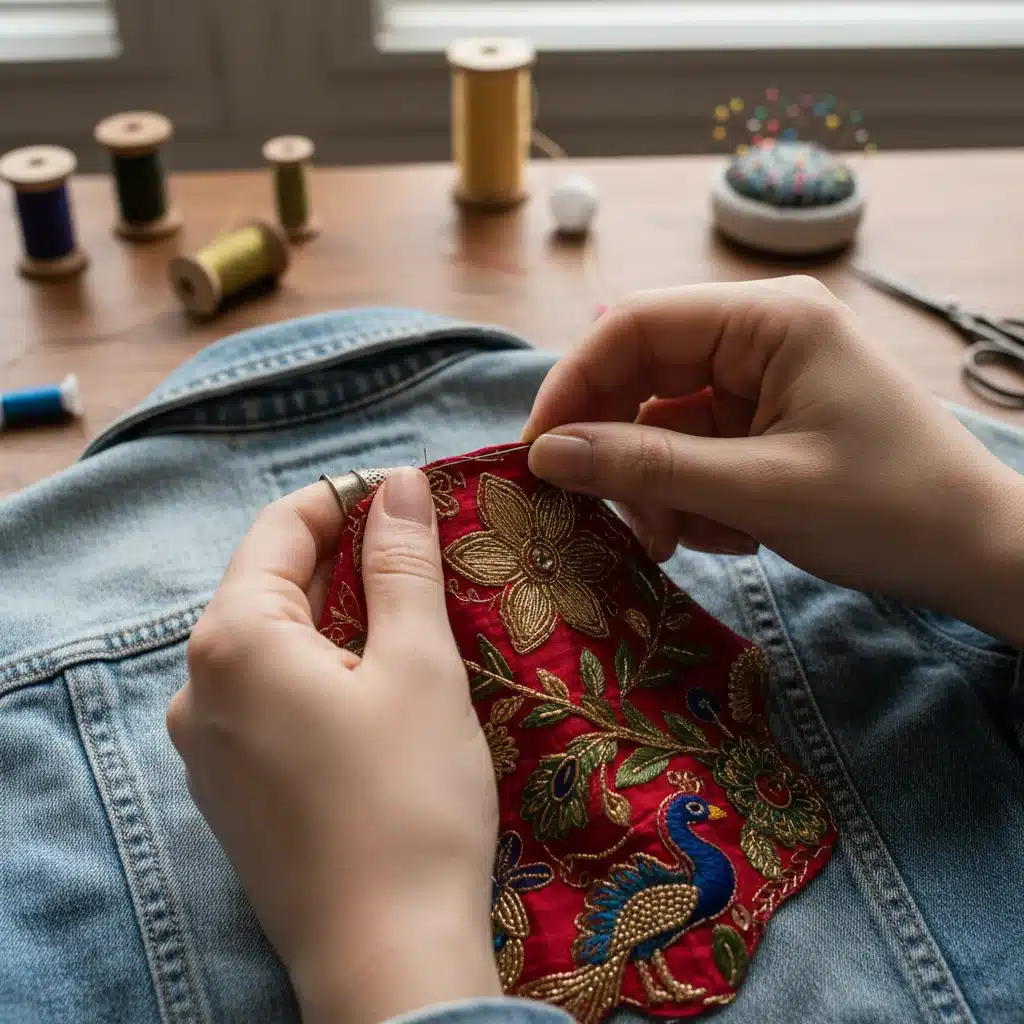
Latin America’s influence on US fashion is multifaceted, encompassing everything from the vibrant colors of Mexican textiles to the relaxed, bohemian elegance of Brazilian resort wear. In 2026, we see a particular emphasis on artisanal craftsmanship, with hand-embroidered details, intricate weaving, and natural materials taking center stage. This trend celebrates the skill and heritage of Latin American artisans, offering unique, handcrafted pieces that stand in stark contrast to mass-produced fast fashion.
The bohemian aesthetic, often associated with Latin American style, is being reinterpreted with a modern sensibility. Flowing dresses, intricate lace, natural fibers like linen and cotton, and earthy color palettes are becoming staples in American wardrobes, particularly in warmer climates and during the summer months. This trend brings a sense of effortless chic and a connection to nature, appealing to consumers who value authenticity and ethical production. The integration of Latin American design elements exemplifies how global fashion trends are introducing new textures, forms, and ethical considerations into the American market.
5. The Eastern European Avant-Garde: Deconstructed and Edgy
Eastern Europe, particularly countries like Georgia and Ukraine, has emerged as a hotbed of avant-garde fashion, challenging traditional notions of beauty and design. This aesthetic is characterized by deconstructed silhouettes, oversized proportions, utilitarian influences, and a fearless approach to layering. Designers from this region often blend historical references with a futuristic vision, resulting in garments that are both thought-provoking and inherently cool.
The influence of Eastern European avant-garde can be seen in the US in the growing popularity of unconventional tailoring, asymmetric cuts, and a more experimental approach to everyday dressing. This trend appeals to a younger demographic that values individuality, artistic expression, and a departure from mainstream conformity. The adoption of these edgy styles is pushing the boundaries of what is considered fashionable in the US, proving that global fashion trends are not just about pretty clothes, but also about challenging perceptions and fostering creative rebellion within the industry.
6. Indian Textiles and Embellishments: A Symphony of Richness
India’s textile heritage is unparalleled, and its influence on global fashion trends is becoming increasingly prominent in the US. Beyond the traditional sari, American designers and consumers are embracing the richness of Indian fabrics like silk, khadi, and block-printed cotton, as well as the intricate beauty of embellishments such as zardozi, mirror work, and beadwork. This trend is about incorporating elements of Indian luxury and craftsmanship into contemporary Western wear.
We are seeing Indian-inspired embroidery on denim jackets, traditional motifs on modern dresses, and the vibrant color palettes of Indian festivals influencing seasonal collections. This trend often manifests in fusion wear, where Western silhouettes are elevated with Indian artisanal details, creating unique and visually stunning garments. The appreciation for the labor-intensive techniques and the cultural narratives behind these textiles adds a layer of depth and meaning to American fashion, further diversifying its aesthetic appeal. This is a powerful example of how global fashion trends are introducing unparalleled richness and artistry to the American fashion scene.
7. The Middle Eastern Modesty Movement: Elegance and Empowerment
The concept of modest fashion, deeply rooted in Middle Eastern cultures, is gaining significant traction in the US, appealing to a diverse range of women beyond religious affiliations. This trend is redefining elegance, focusing on flowing silhouettes, sophisticated layering, and thoughtful coverage without sacrificing style. Designers are creating luxurious, contemporary pieces that offer comfort, confidence, and a sense of empowerment.
The influence of Middle Eastern modest fashion can be seen in the US in the growing popularity of longline blazers, wide-leg trousers, abaya-inspired coats, and stylish head coverings. This movement challenges the notion that fashion must be revealing to be chic, proving that modesty can be both fashionable and empowering. It offers a refreshing perspective on dressing, catering to a demographic that seeks elegance and personal expression within a framework of thoughtful coverage. This particular global fashion trend is a testament to the fact that diversity in fashion is not just about aesthetics, but also about respecting cultural values and providing diverse choices for consumers.
The Future of US Fashion: A Harmonious Global Blend
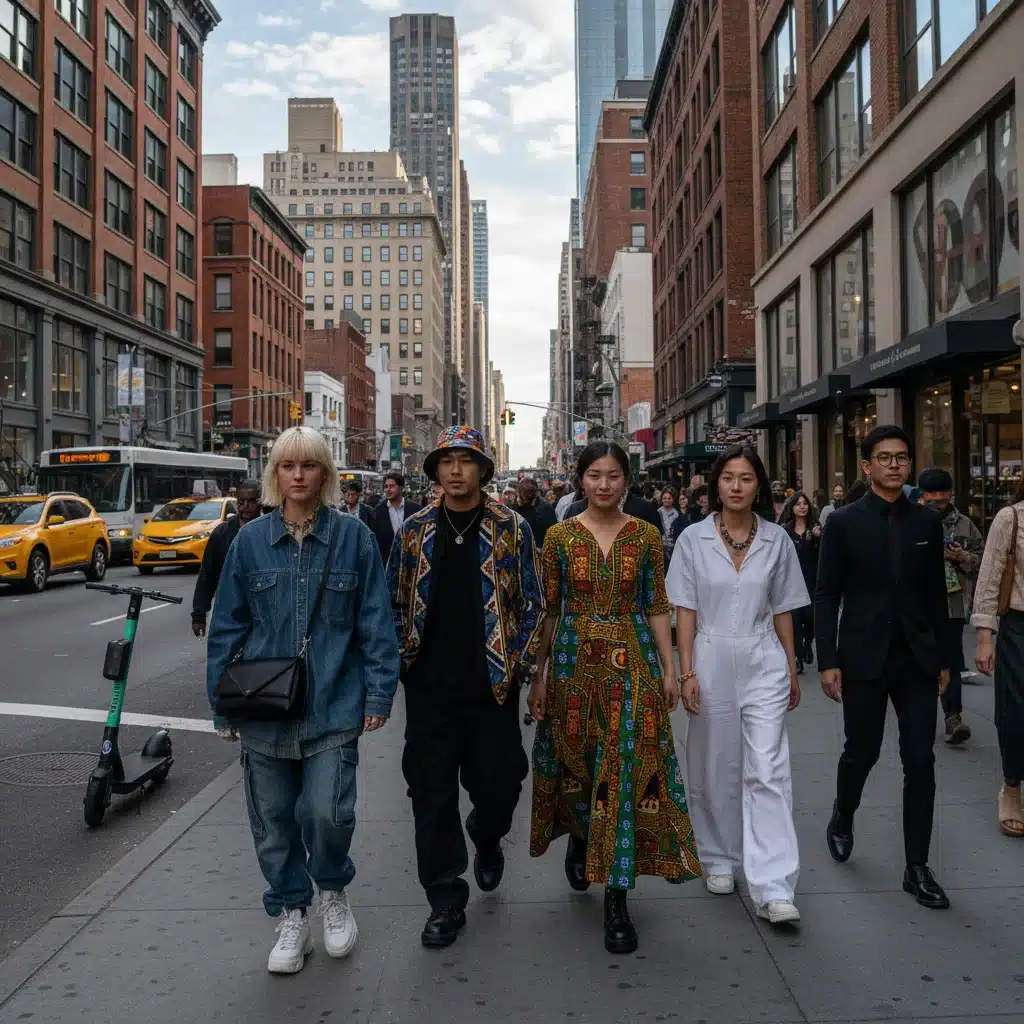
As we look towards the future, it’s clear that the US fashion landscape will continue to be a melting pot of global fashion trends. The days of a singular dominant style are fading, replaced by an exciting era of pluralism and cross-cultural inspiration. This shift is not just about aesthetics; it’s about a deeper societal movement towards inclusivity, understanding, and appreciation of diverse cultures.
The increase in diversity, projected to be up by 25% by 2026, is a positive indicator of this evolution. It means more choices for consumers, more opportunities for designers from varied backgrounds, and a richer, more dynamic fashion industry overall. Retailers are adapting by stocking a wider array of international brands and styles, and designers are increasingly drawing inspiration from global travel, art, and cultural exchange. The emphasis will continue to be on authenticity, sustainability, and ethical production, values that are often deeply embedded in many traditional international fashion practices.
Key Takeaways for the American Fashion Industry:
- Embrace Collaboration: Partnerships with international designers and artisans will be crucial for innovation.
- Prioritize Inclusivity: Reflecting a global aesthetic means catering to a broader range of body types, cultural preferences, and personal styles.
- Champion Sustainability: Many international traditions inherently promote sustainable practices; learning from them is vital.
- Stay Adaptable: The pace of global trend diffusion will only accelerate, requiring agility from brands and retailers.
- Educate Consumers: Highlighting the cultural significance and craftsmanship behind global styles can deepen consumer appreciation.
The influence of these global fashion trends is creating a fashion ecosystem in the US that is more democratic, diverse, and ultimately, more interesting. It’s a testament to the power of cultural exchange and the universal language of style. As 2026 unfolds, we can expect to see even more exciting fusions and innovations, solidifying the US as a truly global fashion destination.
Conclusion: A World United by Style
The journey through the seven international trends making waves in US fashion in 2026 reveals a compelling narrative of interconnectedness. From the vibrant streets of Seoul to the serene landscapes of Scandinavia, and from the intricate craftsmanship of India to the avant-garde expressions of Eastern Europe, the world is quite literally dressing America. These global fashion trends are not just influencing what Americans wear; they are shaping how they perceive beauty, value craftsmanship, and express their identities.
The projected 25% increase in diversity within US fashion by 2026 is a significant milestone, indicating a move towards a more inclusive and representative industry. This cultural cross-pollination enriches the American wardrobe, breaks down stereotypes, and fosters a deeper appreciation for the artistry and heritage embedded in fashion worldwide. As consumers become more globally aware and digitally connected, the appetite for diverse styles will only grow, ensuring that the US fashion scene remains a dynamic and ever-evolving reflection of our interconnected world. The future of US fashion is undoubtedly global, a harmonious blend of traditions, innovations, and shared human creativity.